
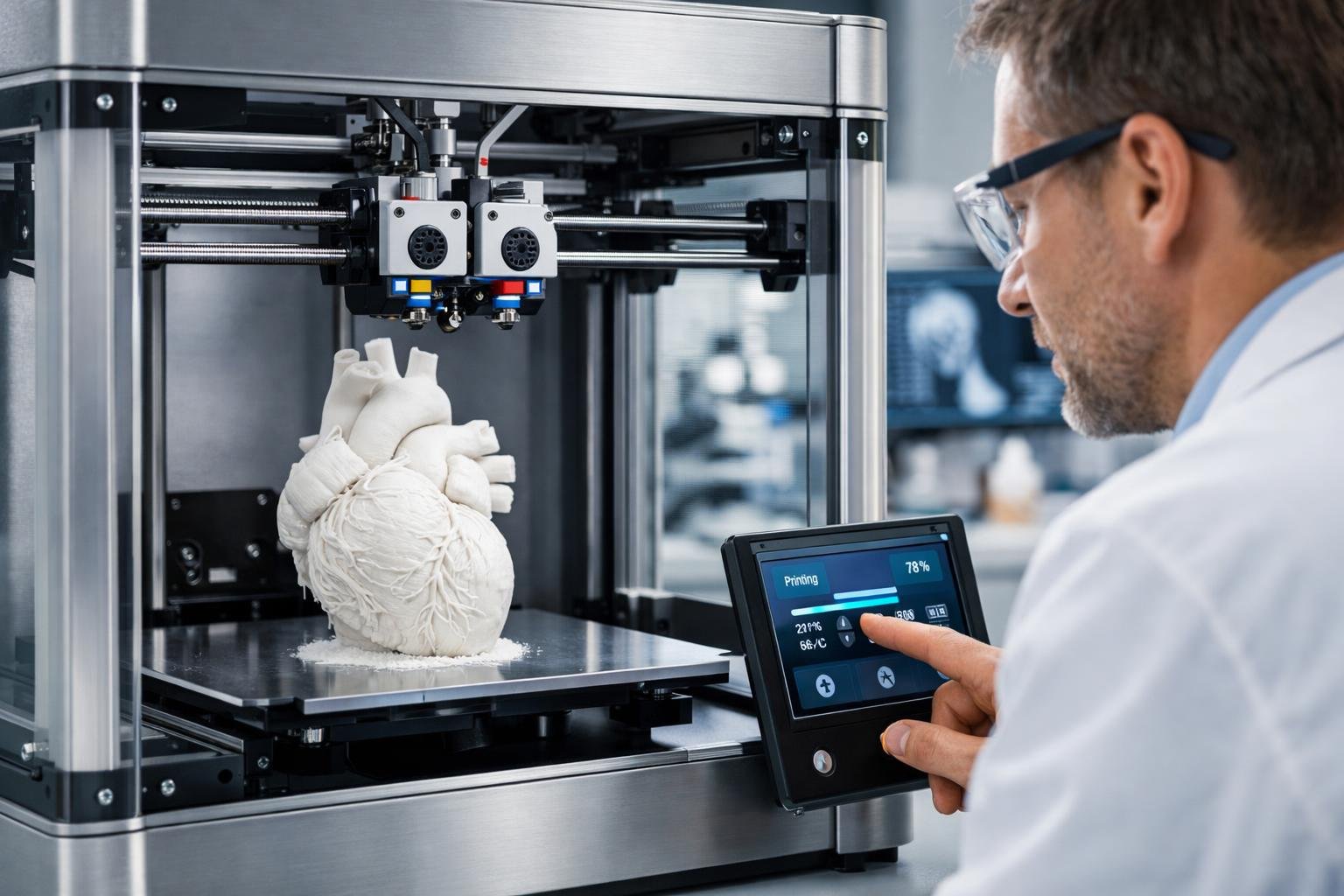
3D printing for medical use is changing the way doctors plan surgeries, create implants, and care for patients.
Instead of using one size fits all tools, healthcare teams can now design parts that match a patient's exact body. This makes treatments more personal, more precise, and often safer. From custom prosthetics to life saving surgical models, the possibilities keep growing.
Read on to discover how 3D printing is shaping modern medicine and what it means for patients and healthcare providers.
Key Takeaways
- 3D printing for medical use creates custom implants, prosthetics, and surgical models
- Doctors use CT scans and MRI images to design patient specific parts
- Medical 3D printing uses biocompatible plastics, resins, metals, and even bioinks
- The FDA regulates 3D printed medical devices for safety and quality
- High quality materials such as advanced filaments, engineering resins, and platinum silicone are essential for safe and reliable results
Siraya 3D Filaments and Resin You May Shop
Explore More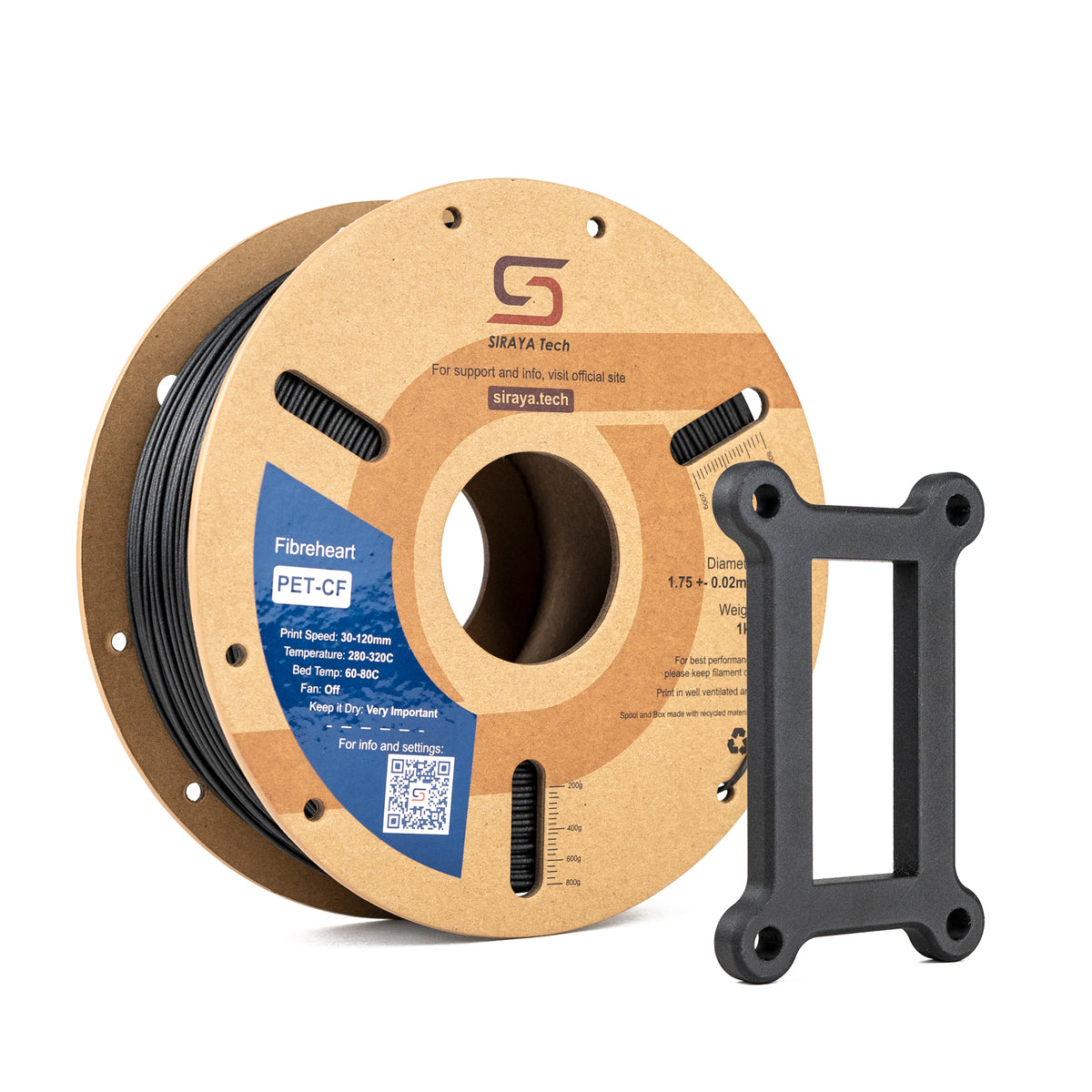

What Is 3D Printing for Medical Use?

3D printing for medical use is the process of creating medical tools, implants, models, and devices layer by layer using a 3D printer. These items are designed from digital files, often based on real patient scans like CT or MRI images.
Unlike hobby printing, medical 3D printing requires strict safety standards and biocompatible materials. The goal is to improve precision, personalization, and patient outcomes in healthcare.
How 3D Printing for Medical Use Works
The process starts with medical imaging and ends with a finished product ready for clinical use. Each step must be accurate to ensure patient safety.
Step 1: Medical Imaging and 3D Modeling
Doctors use CT scans, MRI scans, or ultrasound images to capture detailed views of the body. These images are turned into 3D digital models using specialized software. The model is carefully adjusted to match the patient's exact anatomy.
Step 2: Choosing the Right 3D Printing Technology
Common technologies used in healthcare include:
- SLA for high detail resin parts
- SLS for strong nylon components
- DMLS for metal implants like titanium
- FDM for prototypes and educational models
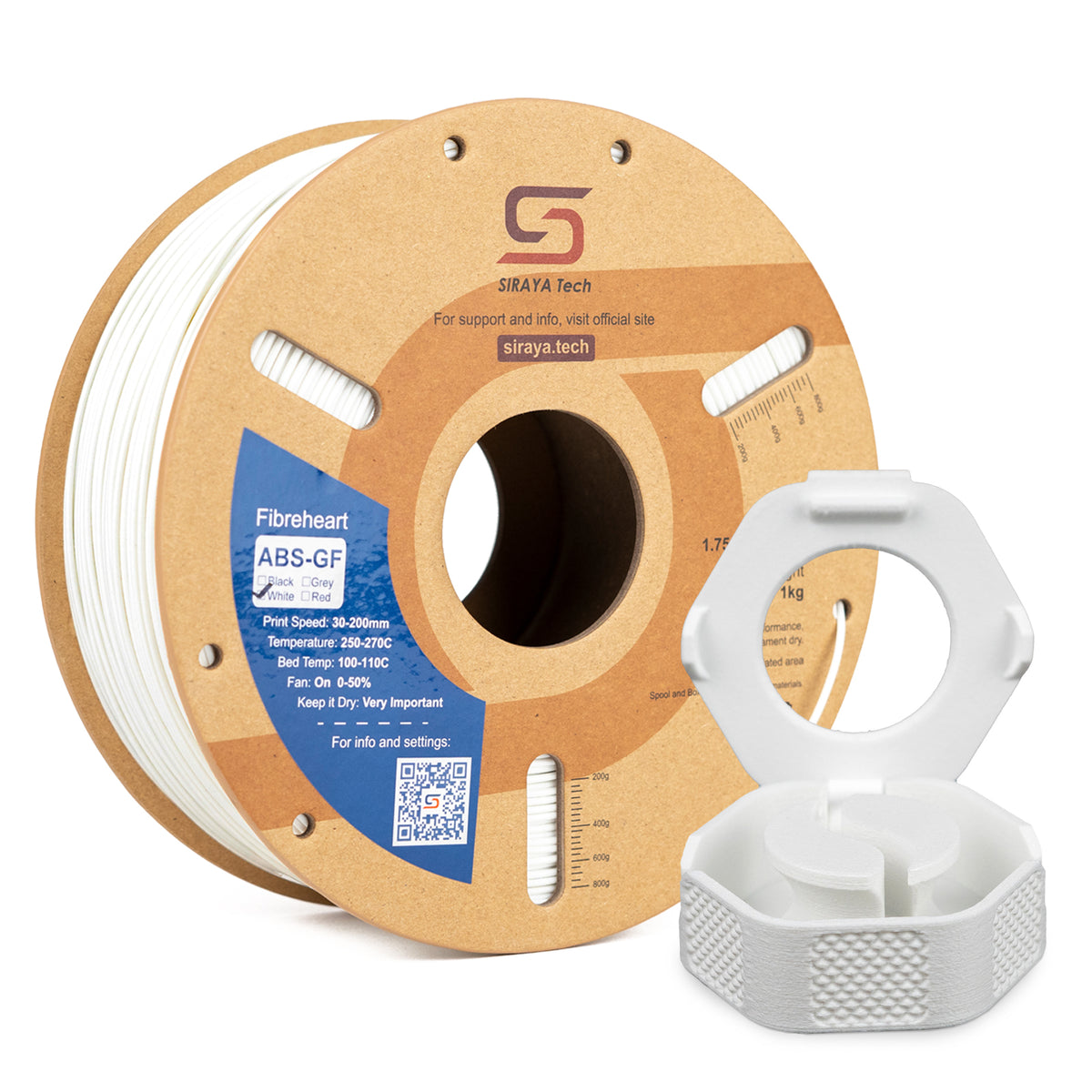
For stronger functional parts, advanced materials such as carbon fiber or glass fiber reinforced filaments improve stability and strength. PETG-CF offers greater hardness and reduced warping compared to standard PETG, while ABS-CF, ABS-GF, or ASA-GF provide extra durability for demanding applications.
Step 3: Printing with Medical Grade Materials
Materials must be safe, strong, and sometimes flexible. Hospitals and labs often use:
- Biocompatible resins
- Titanium powders
- Engineering grade filaments
- Silicone for molds and simulation models
Reliable suppliers such as Siraya offer high performance filaments, specialty resins like tenacious resin for impact resistance, castable resin for detailed casting, and platinum silicone for realistic medical modeling and prosthetic applications.
Step 4: Post Processing and Sterilization
After printing, the object is cleaned, cured, polished, or sterilized. For implants, strict quality testing ensures the part meets medical safety standards before being used in a patient.
Applications of 3D Printing for Medical Use in Healthcare
3D printing in medicine supports many areas of healthcare. Its biggest strength is customization and precision.
Siraya 3D Filaments and Resin You May Shop
Explore More

3D Printed Implants
Custom implants are designed to fit a patient perfectly. These include:
- Hip and knee replacements
- Cranial plates
- Dental implants
- Spinal cages
Titanium is commonly used because it is strong and biocompatible. Custom implants can reduce surgery time and improve long term comfort.
Custom Prosthetics and Orthotics
3D printing allows the creation of lightweight and affordable prosthetic limbs. These devices are shaped to match the patient's body, improving comfort and mobility. Children benefit greatly because new prosthetics can be printed as they grow.
Anatomical Models for Surgery Planning
Surgeons use 3D printed models of organs to plan complex procedures. A printed heart, liver, or brain model helps doctors practice before surgery. This preparation can reduce risks and shorten operating time.
Surgical Guides and Tools
Surgeons can print cutting guides that fit directly onto a bone. These guides show exactly where to cut or drill, improving accuracy during procedures.
Bioprinting Tissues
Bioprinting uses living cells mixed with bioink to print tissue structures. Scientists have successfully printed skin and cartilage for research. While full organ printing is still under development, progress continues steadily.
Materials Used in 3D Printing for Medical Use

The choice of material depends on how the printed object will be used. Safety, strength, and durability are top priorities.
Medical Grade Plastics and Filaments
Plastics like PLA and ABS are often used for non implant anatomical models and training tools. Engineering versions such as ABS-CF, ABS-GF, and ASA-GF provide better heat resistance and strength. PETG-CF offers improved stiffness and a matte finish compared to regular PETG.
Using reliable, high quality 3D printing filaments helps ensure consistent results and fewer print failures.
Resins for High Detail Medical Parts
Resin printing is ideal for dental models, hearing aids, and surgical guides. Flexible resin and tenacious resin improve impact resistance and durability. Castable resin is useful in dental and precision casting applications where detail matters.
High quality resins for 3D printing help maintain fine detail, accuracy, and reliable curing.
Metals for Long Term Implants
Titanium and cobalt chromium are common in orthopedic and dental implants. These metals are strong, corrosion resistant, and safe for the human body.
Silicone for Medical Simulation and Prosthetics
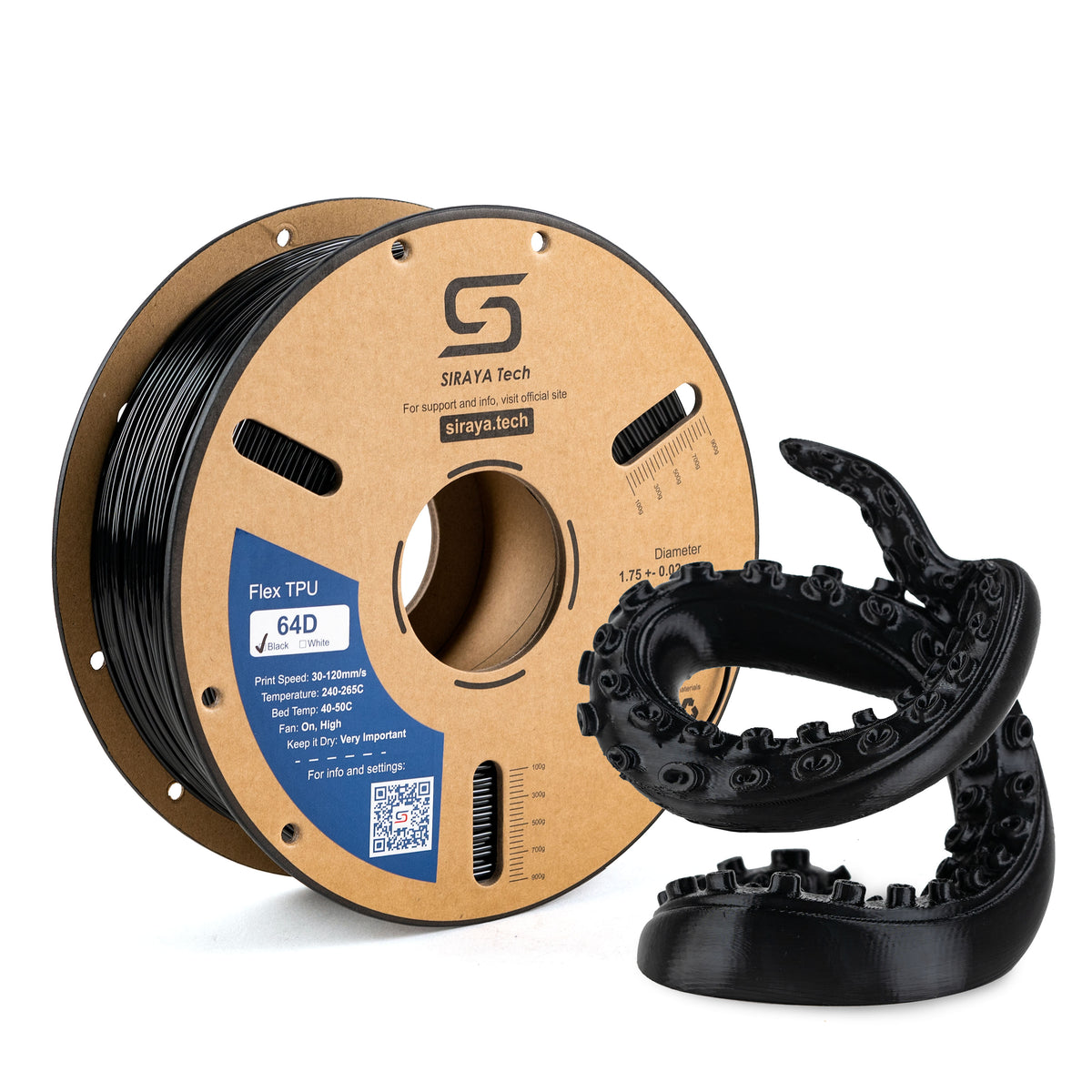
Platinum silicone is widely used for realistic medical models and prosthetic effects. It mimics the softness and flexibility of human tissue. High quality silicone ensures durability and safe handling.
Benefits of 3D Printing for Medical Use
3D printing offers important advantages in patient care and hospital efficiency. Customization and speed make it especially valuable.
Personalized Treatment
Every patient has unique anatomy. 3D printing allows devices and implants to match an individual's body exactly, improving comfort and performance.
Faster Surgery and Recovery
Pre planned surgical models and guides reduce time spent in the operating room. Shorter surgeries often mean quicker recovery and fewer complications.
Cost Efficiency Over Time
Although equipment can be expensive, 3D printing reduces material waste and lowers production costs for custom parts. It can also reduce hospital stays and repeat procedures.
Rapid Innovation in Healthcare
Researchers and engineers can quickly test new designs using printed prototypes. This speeds up development of better medical tools and treatments.
Risks and Challenges of 3D Printing in Healthcare
Despite its benefits, medical 3D printing comes with challenges. Safety and regulation remain top priorities.
Regulatory Approval and FDA Oversight
Medical devices must meet strict safety standards. The FDA reviews many 3D printed implants and tools before approval. Hospitals and manufacturers must follow quality control guidelines.
Material Safety and Sterilization
Not all materials are safe for contact with the body. Proper sterilization is required to prevent infection and ensure patient safety.
Equipment and Training Costs
3D printers, software, and trained staff require significant investment. Smaller healthcare facilities may face budget limitations.
Ethical Concerns Around Bioprinting
Printing human tissues raises ethical questions about access, ownership, and medical fairness. As technology grows, policies must evolve as well.
Conclusion
3D printing for medical use is transforming healthcare by making treatment more personalized, precise, and efficient.
From custom implants to surgical models and bioprinting research, its impact continues to expand. As materials and technology improve, adoption across hospitals and clinics will likely grow.
For more helpful guides and practical tips about 3D printing and medical applications, explore resources from Siraya. If you need high-quality 3D printing filaments, advanced resins including tenacious resin and castable resin, or platinum silicone for crafting superior products, Siraya offers reliable solutions to support your projects and innovations.
Frequently Asked Questions About 3D Printing for Medical Use
How is 3D printing used in hospitals?
Hospitals use 3D printing to create anatomical models, surgical guides, and sometimes implants. Surgeons may practice on printed models before complex procedures. Some hospitals operate in-house 3D printing labs.
Is 3D printing safe for medical devices?
Yes, when approved materials and regulated processes are used. Devices must meet strict safety standards. Proper testing and sterilization are essential.
What materials are used in medical 3D printing?
Common materials include biocompatible plastics, resins, titanium, and bioinks. Silicone is used for realistic models and prosthetics. The material depends on the intended medical use.
Can doctors 3D print human organs?
Simple tissues like skin and cartilage have been printed for research. Fully functional organs are still under development. Scientists continue working toward this goal.
How does the FDA regulate 3D printed medical devices?
The FDA evaluates 3D printed devices under existing medical device regulations. Manufacturers must show proof of safety and performance. Some devices require clinical testing before approval.