
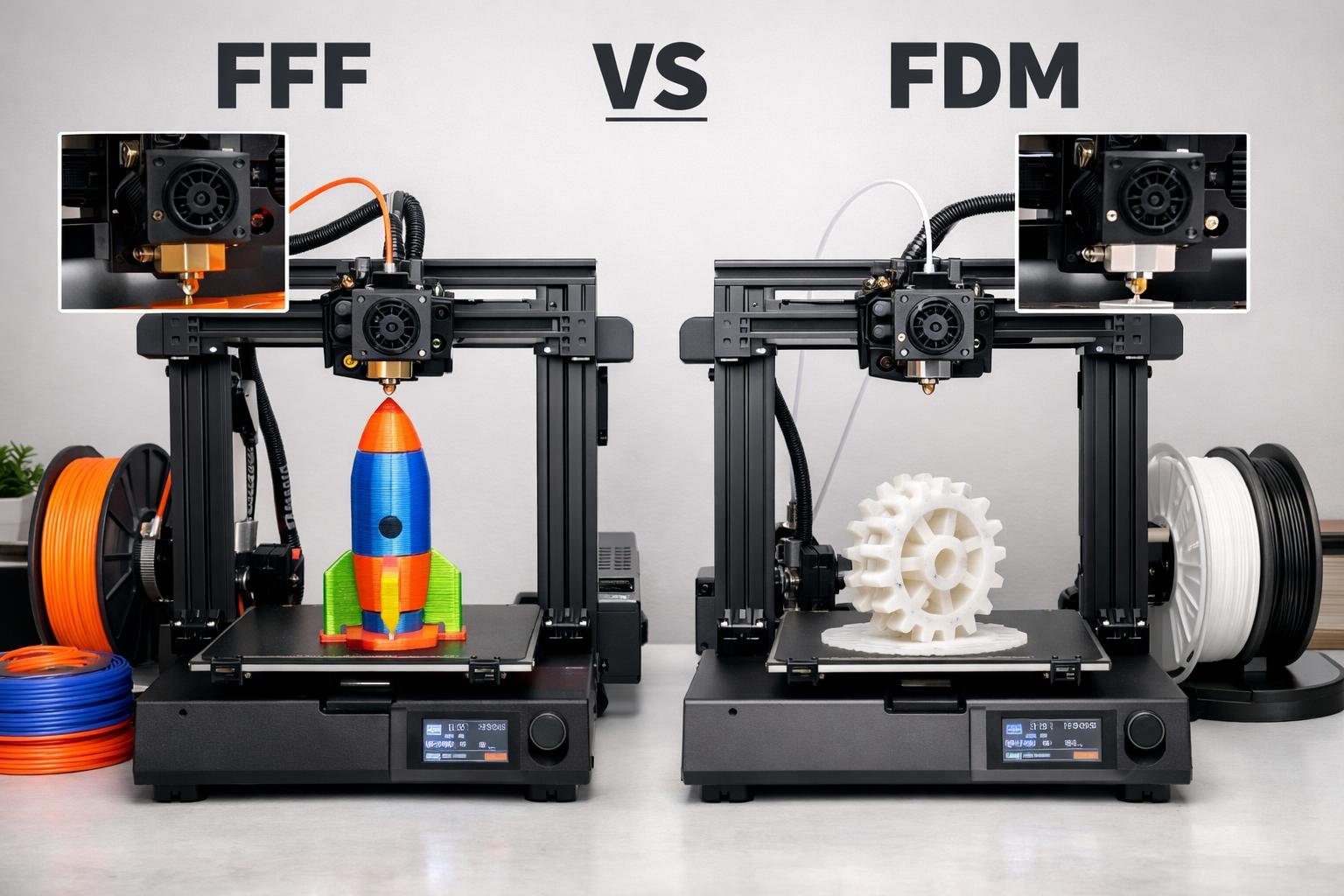
If you have been researching 3D printing, you have probably seen the terms Fused Filament Fabrication and FDM used as if they mean the same thing.
That can make it confusing to know whether you are comparing two different technologies or just two different names. The good news is that the answer is simple once you break it down.
Keep reading to get a clear explanation of Fused Filament Fabrication vs FDM and what really matters for your 3D printing projects.
Key Takeaways
- Fused Filament Fabrication and FDM describe the same 3D printing process
- FDM is a trademarked term, while FFF is the open industry term
- Both use melted thermoplastic filament to build objects layer by layer
- Differences are legal and branding related, not technical
- Material quality and printer setup affect results more than the name
What Is Fused Filament Fabrication vs FDM in Simple Terms?

Fused Filament Fabrication vs FDM is mainly about terminology. Both refer to a 3D printing method that melts plastic filament and deposits it layer by layer to create a solid object.
In real world use, there is no mechanical difference between them. The debate exists because of trademark history, not because of different printing processes.
Siraya 3D Filaments and Resin You May Shop
Explore More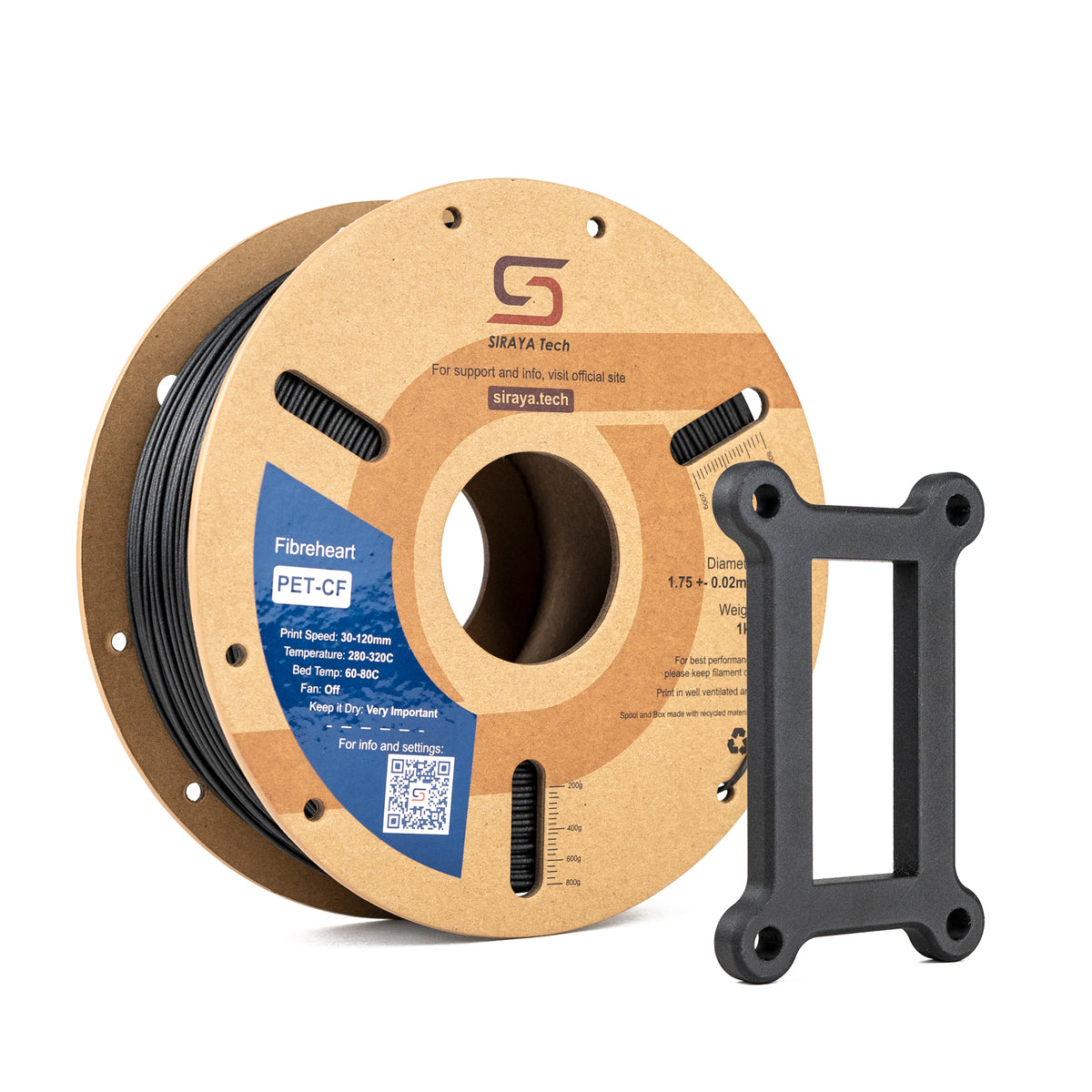

What Is Fused Filament Fabrication (FFF)?
Fused Filament Fabrication is a type of material extrusion 3D printing. It uses a solid plastic filament that is heated and pushed through a nozzle to build parts layer by layer.
How Fused Filament Fabrication Works
The FFF process follows these steps:
- A spool feeds filament into the extruder
- The hot end melts the filament
- The nozzle moves to draw each layer
- The build platform adjusts after each layer
- The plastic cools and hardens into shape
Common Materials Used in FFF
FFF printers can use a wide range of materials, including:
- PLA for easy printing
- ABS for strength and heat resistance
- PETG for durability and flexibility
- TPU for flexible parts
- Carbon fiber and glass fiber reinforced filaments
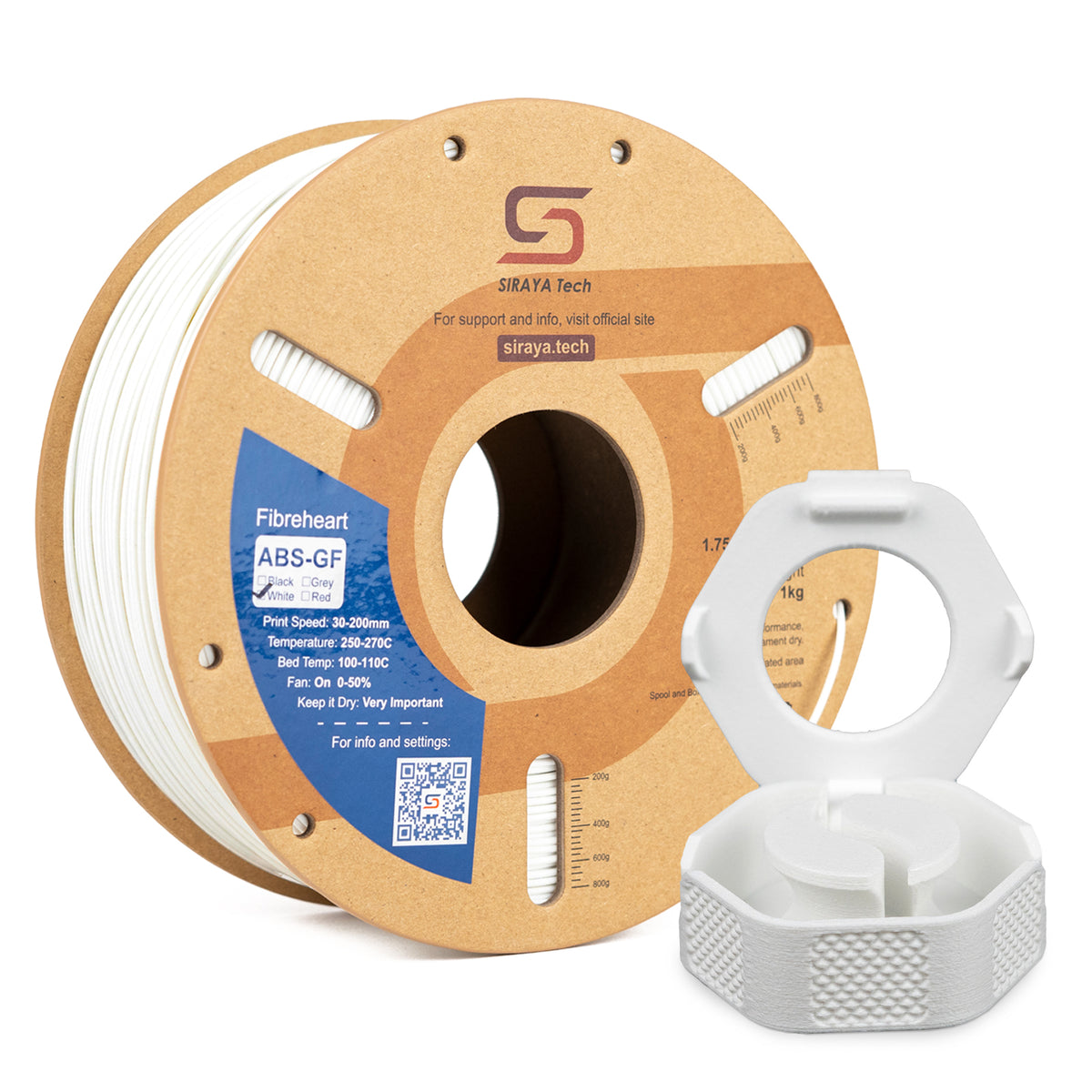
For example, PETG-CF adds stiffness and a clean matte finish compared to regular PETG. ABS CF, ABS-GF, and ASA-GF offer better mechanical strength and improved dimensional stability.
Using reliable 3D filaments from trusted brands like Siraya can help improve layer bonding and overall print performance.
What Is FDM?

FDM stands for Fused Deposition Modeling. It was the original trademarked name for this extrusion based technology.
The process used in FDM printers is the same as in FFF printers. The difference is related to branding and patent history, not how the machine works.
Industrial FDM Systems
Industrial FDM machines often include:
- Enclosed heated chambers
- High temperature nozzles
- Advanced motion systems
- Support for engineering grade thermoplastics
These systems are commonly used in manufacturing and product development. Even so, the core process of melting and layering filament remains the same.
Fused Filament Fabrication vs FDM: Side by Side Comparison
Here is a simple table that clearly explains Fused Filament Fabrication vs FDM.
| Feature | Fused Filament Fabrication (FFF) | FDM (Fused Deposition Modeling) |
|---|---|---|
| Printing Method | Material extrusion | Material extrusion |
| Core Process | Melt and deposit filament layer by layer | Melt and deposit filament layer by layer |
| Term Type | Open industry term | Trademarked term |
| Typical Use | Hobby, education, small business | Industrial branded systems |
| Materials | PLA, ABS, PETG, composites | Same material types |
| Technical Difference | None | None |
This comparison shows that the technology is identical. The naming difference is what sets them apart.
Siraya 3D Filaments and Resin You May Shop
Explore More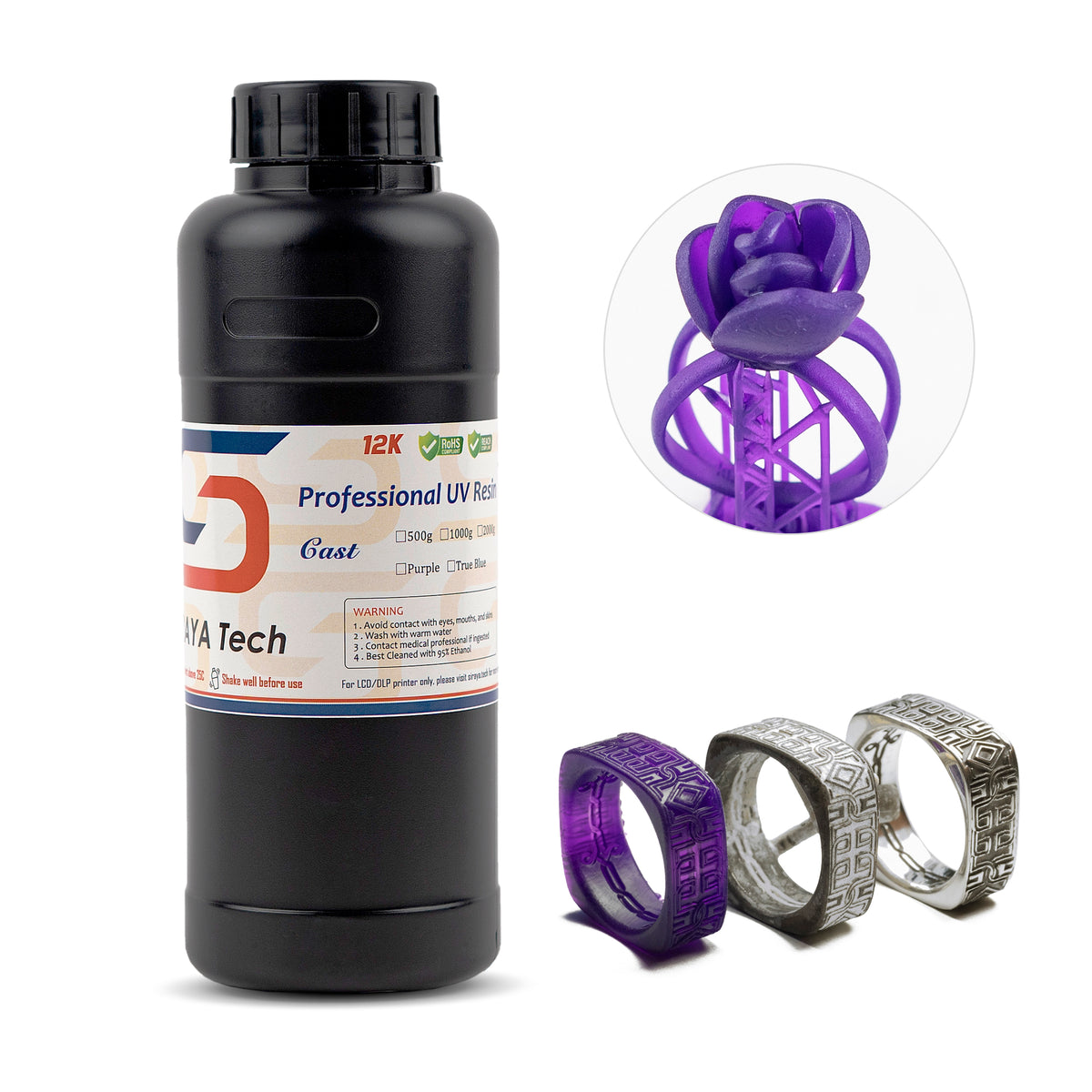

Key Differences in Fused Filament Fabrication vs FDM Printers
While the process is the same, printer design and performance can vary. These differences are based on hardware and engineering, not on the name itself.
Print Quality and Precision
Industrial systems often offer:
- More stable temperature control
- Higher motion accuracy
- Better consistency across large builds
Desktop FFF printers can still produce excellent results when well calibrated and paired with quality filament.
Build Chamber and Temperature Control
Heated and enclosed chambers reduce warping and improve layer adhesion. Many industrial FDM systems include these features, while entry level FFF printers may not.
Material Compatibility
Higher end systems can handle advanced thermoplastics and reinforced materials such as:
- ABS CF Core
- ABS GF
- ASA GF
For detailed models or specialty applications, resin based printing is another option. Materials like tenacious resin and castable resin expand what is possible in strength and casting applications. Silicone materials are also useful for flexible molds and advanced crafting.
Pros and Cons of Fused Filament Fabrication vs FDM
Understanding strengths and limits helps you choose the right process for your needs.
Advantages
- Affordable machines and materials
- Easy to learn
- Wide range of filament types
- Great for rapid prototyping
- Suitable for functional parts
Limitations
- Visible layer lines
- Surface finish may need post processing
- Strength depends on layer orientation
- Less detailed than some resin systems
For most home users, educators, and small businesses, the benefits make FFF and FDM the most practical starting point.
Conclusion
Fused Filament Fabrication vs FDM is not a competition between two different technologies. They are two names for the same extrusion based 3D printing process. The real differences lie in trademark history, printer design, and material capability.
What truly impacts your results is using reliable equipment and high quality materials. For more helpful guides and practical tips about 3D printing, check out Siraya's learning resources.
You can also explore premium 3D printing filaments, advanced resins including tenacious resin and castable resin, and platinum silicone crafting materials from Siraya to create strong, detailed, and professional level parts for your next project.
Frequently Asked Questions About Fused Filament Fabrication vs FDM
Are FDM and FFF the same?
Yes, FDM and FFF refer to the same material extrusion 3D printing process. Both melt thermoplastic filament and deposit it layer by layer. The difference is mainly in naming and trademark history.
What is fused filament fabrication?
Fused filament fabrication is a 3D printing method that uses heated plastic filament to build parts one layer at a time. The filament is melted in a nozzle and hardens as it cools. It is one of the most common types of 3D printing.
Why is it sometimes called FDM and sometimes FFF?
FDM is a trademarked term created by the original developer of the technology. FFF is the open industry term adopted by many other manufacturers. Both describe the same extrusion based printing method.
Why did the term FFF replace FDM in many 3D printers?
The term FFF became popular after the original FDM patent expired. Since FDM is a trademarked term, many manufacturers use Fused Filament Fabrication to describe the same material extrusion process. This allows companies to refer to the technology without using a protected brand name.