

Making a 3D printed phone case TPU is a popular choice for people who want a flexible, durable phone case created on a 3D printer.
TPU makes it possible to produce a case that fits well, feels comfortable in the hand, and provides everyday protection. It also gives you control over the design, thickness, and grip so the case matches how you actually use your phone.
Read on to learn exactly how a 3D printed phone case with TPU works and how you can make one that lasts.
What a 3D Printed Phone Case TPU Really Is
A 3D printed phone case using a TPU is a flexible phone cover made using thermoplastic polyurethane filament on a 3D printer. Unlike rigid plastic cases, TPU cases bend slightly, absorb impact, and snap onto the phone without cracking.
TPU sits between rubber and plastic, which is why it works so well for phone cases. It combines flexibility with strength, making it ideal for protecting phones from drops and everyday wear.
📌 Knowing how a 3D printed TPU phone case is made helps you print better. Don’t forget to browse How Does 3D Printing Work? Understanding Methods and Process to see the basics behind every print.
Why TPU Is the Best Material for a 3D Printed Phone Case
TPU is popular for 3D printed phone cases because it balances softness and strength. It stretches just enough to fit snugly while staying tough enough to handle repeated use.
Key Benefits of Using TPU for Phone Cases
- Flexible enough to absorb shocks from drops
- Grippy surface that helps prevent slips
- Resistant to cracking compared to hard plastics
- Comfortable to hold for long periods
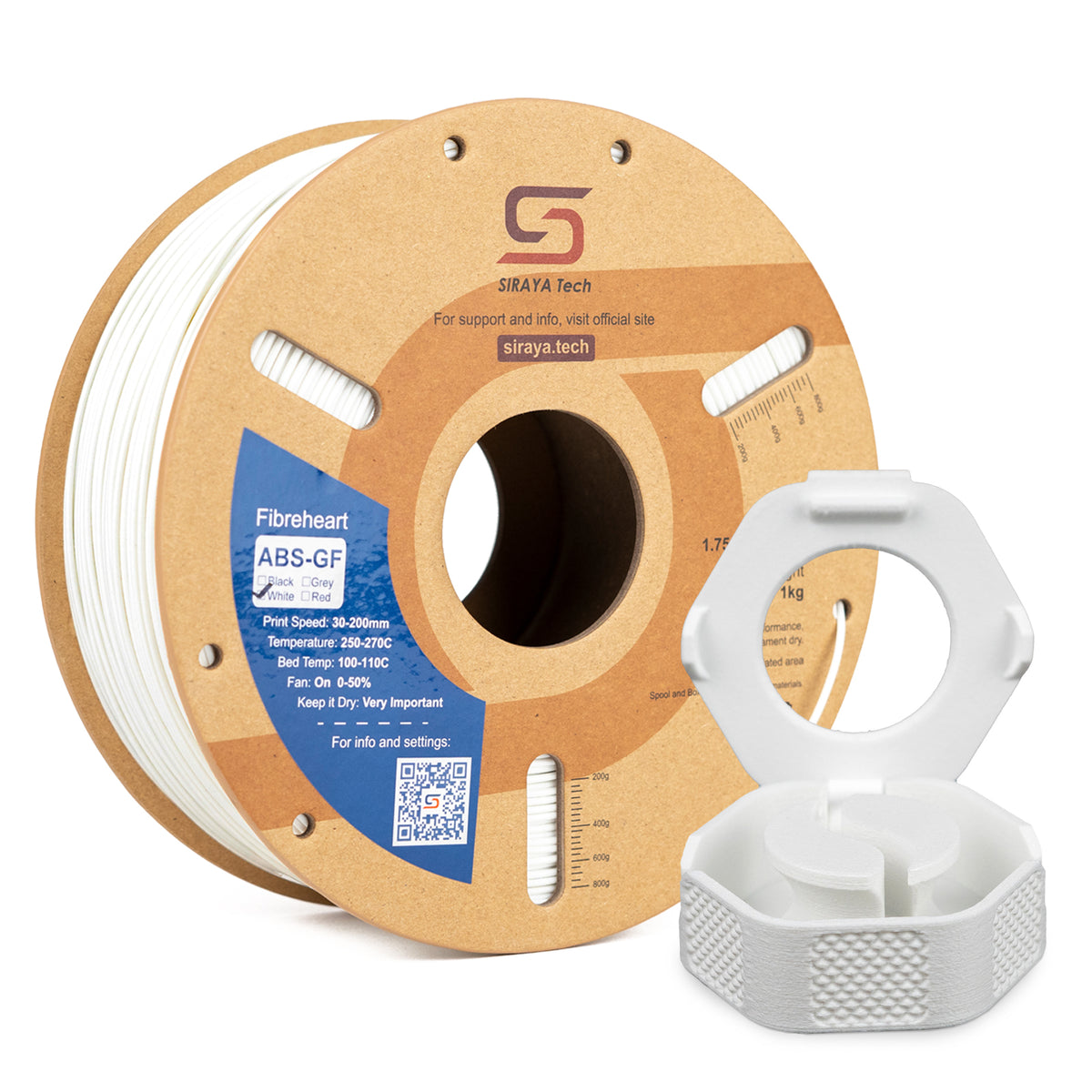
Some makers also compare TPU to materials like PLA or ABS. PLA prints easily but is too stiff for a phone case. ABS can be stronger but is harder to print and less flexible.
Advanced materials like ABS-CF or ABS-GF share ABS strength while adding stiffness, but they are still not ideal for flexible phone cases.
Siraya 3D Filaments and Resin You May Shop
Explore More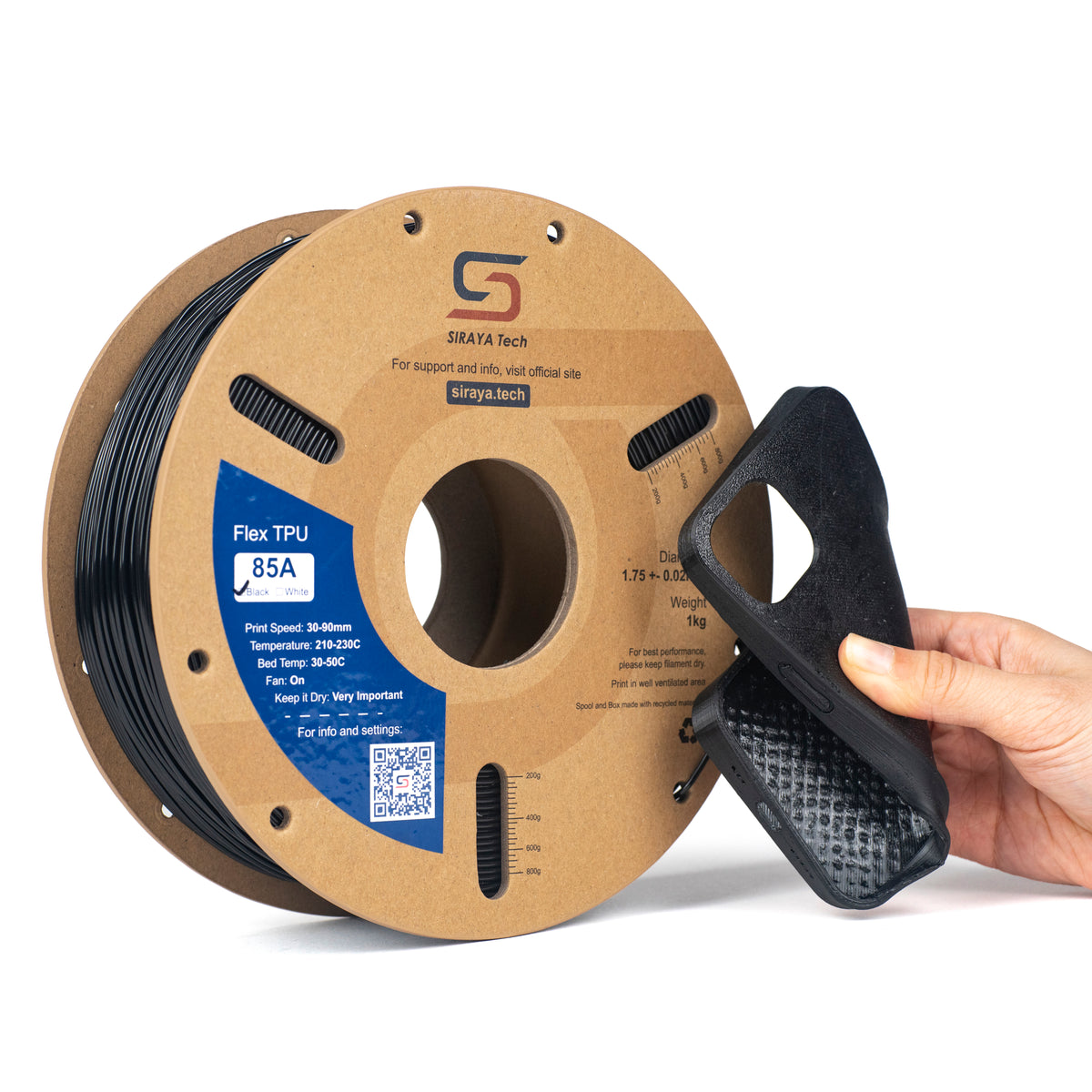

What You Need to Make a 3D Printed TPU Phone Case

Before printing a 3D printed phone case using a TPU, you need the right tools and setup. TPU is forgiving once tuned, but preparation makes a big difference.
3D Printer Requirements for TPU
A printer that can handle flexible filament is important. Direct drive printers tend to work better, but Bowden setups can still print TPU with slower speeds.
- Clean nozzle for smooth extrusion
- Heated bed for better adhesion
- Stable filament path to prevent bending
Choosing the Right TPU Filament
TPU filament vary in softness, often described by Shore hardness. Most phone cases use TPU in the 85A to 95A range because it offers a good mix of flexibility and durability.
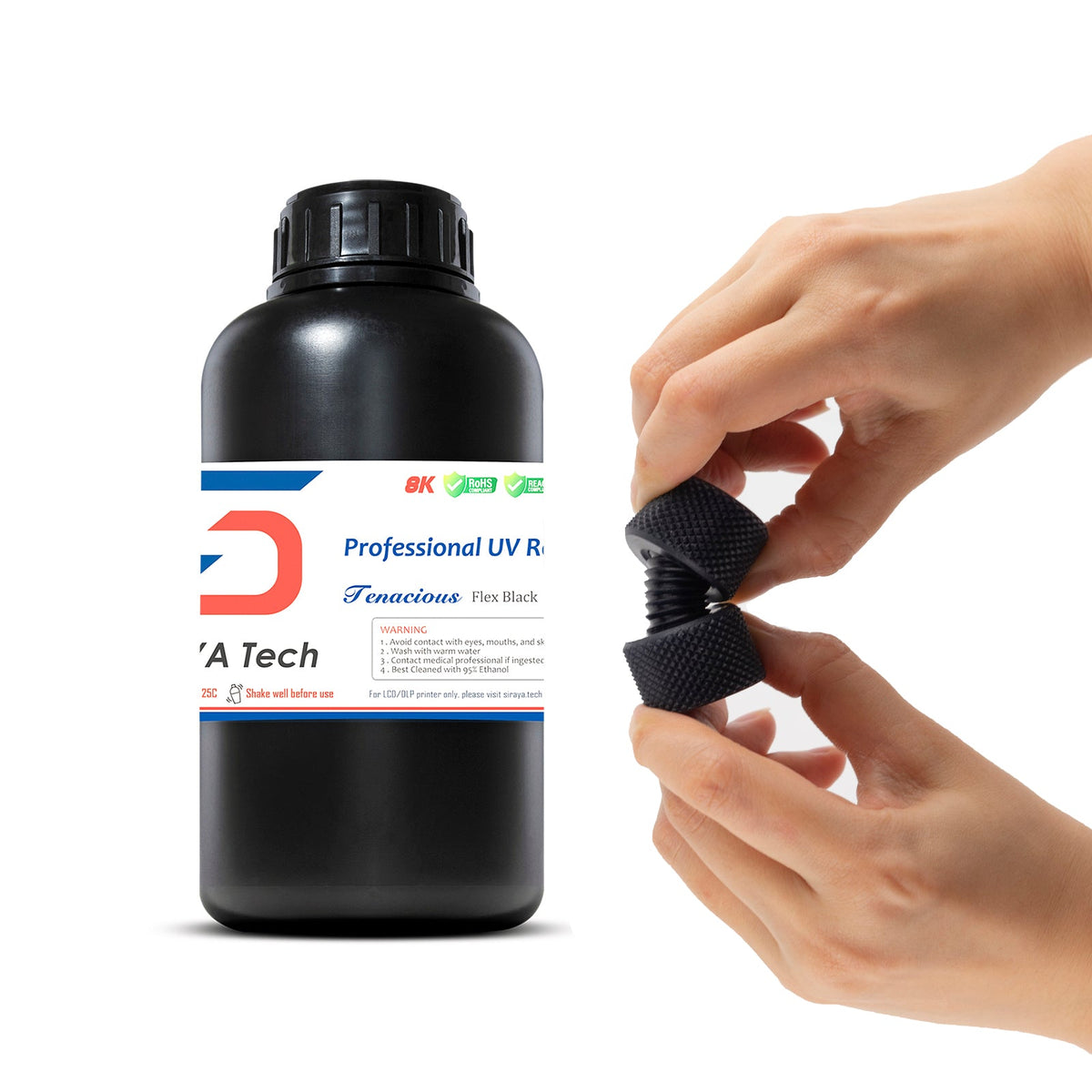
High quality filaments lead to better layer bonding and longer lasting cases. Many users also keep tougher flexible resins like Siraya Tenacious resin in mind for other flexible projects that need impact resistance, even though TPU remains better for phone cases.
Siraya 3D Filaments and Resin You May Shop
Explore More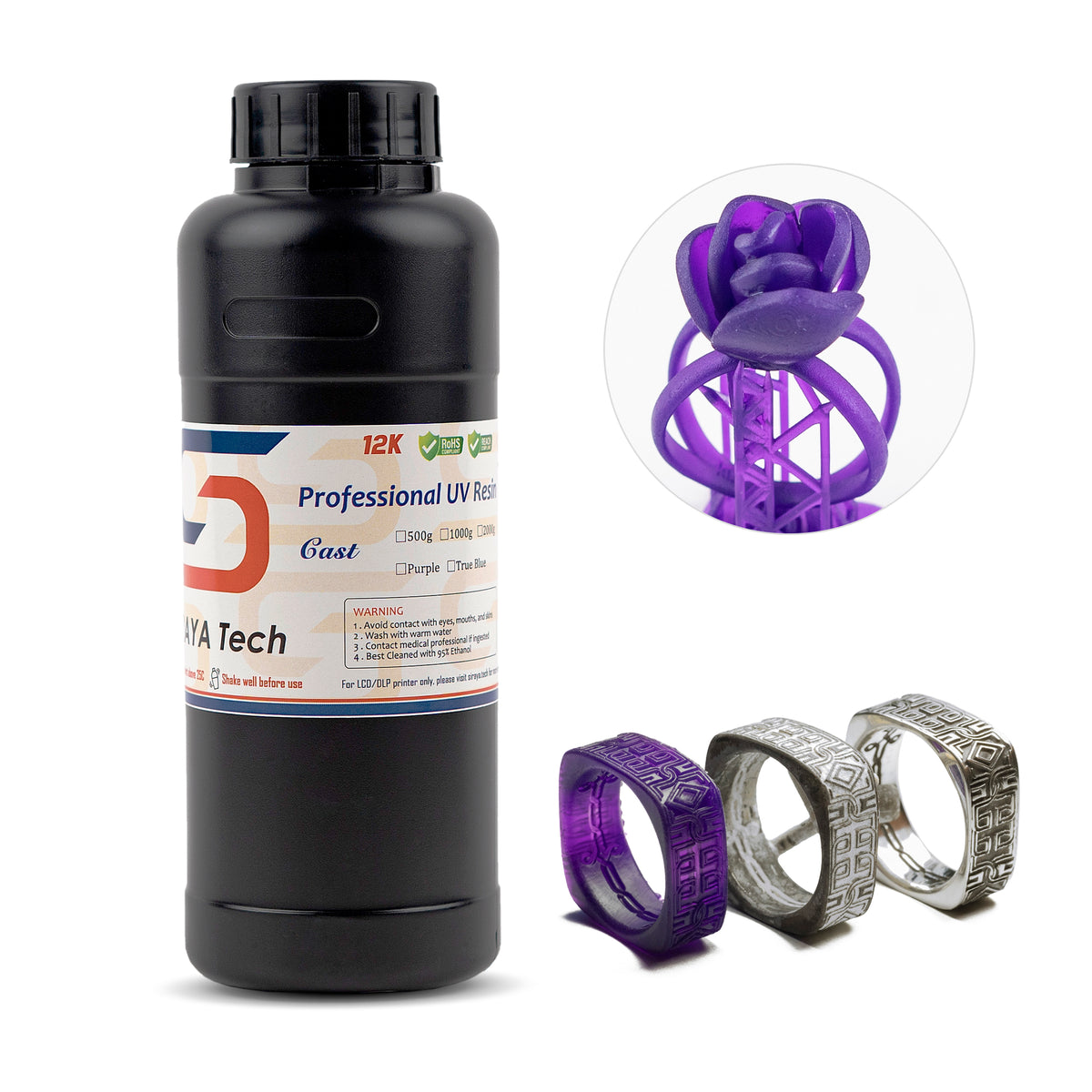
Designing a 3D Printed Phone Case with TPU
Design plays a big role in how well a 3D printed TPU phone case performs. A good design improves protection, comfort, and usability.
Measuring Your Phone Correctly
Accurate measurements help ensure a snug fit. Focus on thickness, corner curves, and button placement.
- Add small tolerances for TPU stretch
- Leave room for camera lenses
- Account for charging ports and speakers
Design Features That Work Best with TPU
TPU allows creative designs that would crack in rigid plastics. Thicker corners improve drop protection, while textured sides improve grip.
Raised edges around the screen and camera help prevent scratches. Button covers made from TPU also feel better than cutouts because they remain easy to press.
📌 Design matters when making a 3D printed phone case using a TPU that fits well. Check out How to Design 3D Prints to discover simple design tips that improve print results.
Best Print Settings for a 3D Printed Phone Case TPU
Printing settings directly affect strength and flexibility. A 3D printed phone case using a TPU benefits from slower speeds and steady extrusion.
Recommended TPU Print Settings
- Slow print speed for clean layers
- Moderate nozzle temperature based on filament specs
- Heated bed for consistent adhesion
Infill and Layer Height Choices
Lower layer heights improve surface finish, while medium infill balances flexibility and strength. Patterns like gyroid or cubic often work well for TPU phone cases.
How to 3D Print a Phone Case with TPU
Printing TPU takes patience, but the process is straightforward once settings are dialed in. Taking time during setup reduces failed prints.
Preparing the Printer for TPU
Feed the filament slowly and make sure there are no sharp bends. Flexible filaments can kink if the path is not smooth.
Printing and Monitoring the Case
Watch the first few layers closely. Good first layer adhesion prevents warping and keeps edges clean.
Removing and Handling the TPU Case
Let the print cool before removal. TPU stretches easily when warm, so gentle handling keeps the shape accurate.
📌 Seeing real prints can spark better ideas for your 3D printed TPU phone case. Check out 3D Printing Examples to explore what’s possible with flexible materials.
Conclusion
A 3D printed TPU phone case is a practical and customizable way to protect your phone using a 3D printer. With the right design, filament, and print settings, TPU cases offer flexibility, durability, and comfort that many store bought cases struggle to match.
For more helpful guides and tips about TPU phone cases and other 3D printing topics, check out Siraya.
Siraya also offers high quality products like 3D printing filaments, resins for 3D printing, Tenacious resin, castable resin, and platinum silicone crafting materials to support superior results in your projects.
FAQs About 3D Printed Phone Case TPU
Is TPU filament good for phone cases?
TPU filament is one of the best materials for phone cases because it is flexible and durable. It absorbs shock better than rigid plastics and fits snugly around the phone. TPU also resists cracking even after repeated bending.
Are 3D printed phone cases any good?
3D printed phone cases can be very good when designed and printed properly. TPU cases offer real protection and comfort for everyday use. Print quality and design thickness play a big role in performance.
Do TPU phone cases turn yellow over time?
Clear TPU can turn yellow after long exposure to sunlight and heat. Colored TPU tends to hide discoloration better. Proper storage and limiting UV exposure help slow this process.
How long does a TPU phone case last?
A TPU phone case can last from several months to years. Durability depends on thickness, print quality, and daily use. Reinforced designs usually last longer.
Is silicone or TPU better for phone cases?
TPU is usually more durable and easier to 3D print than silicone. It offers better structure while still remaining flexible. Silicone feels softer but is harder to work with using standard 3D printers.
Does TPU have BPA in it?
Most TPU filaments do not contain BPA. TPU is commonly used in consumer products and is considered safe for daily handling. Always check material specifications for peace of mind.
Is there anything illegal about 3D printing phone cases?
Printing phone cases for personal use is generally legal. Issues may arise if copyrighted designs or logos are sold without permission. Creating original designs avoids these concerns.