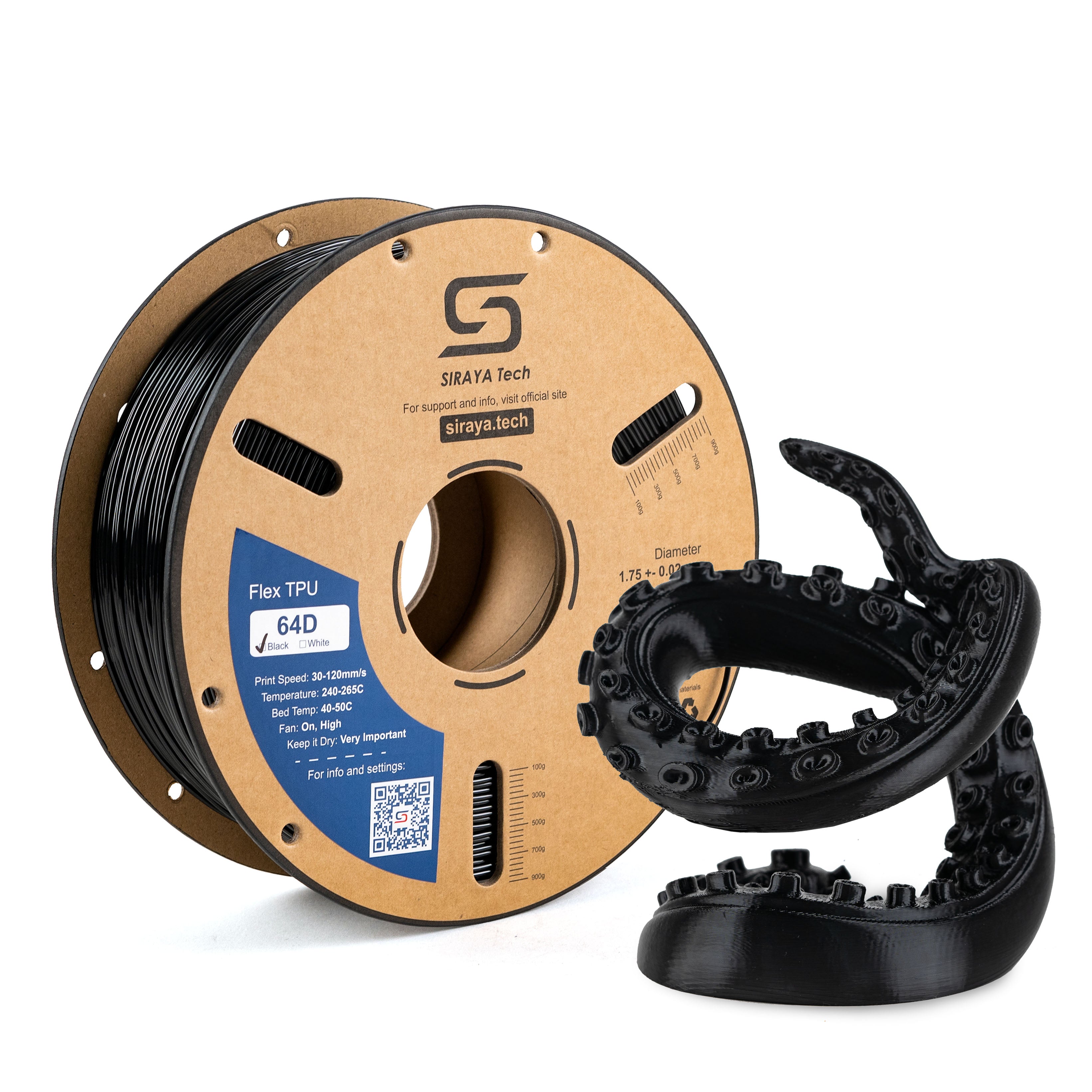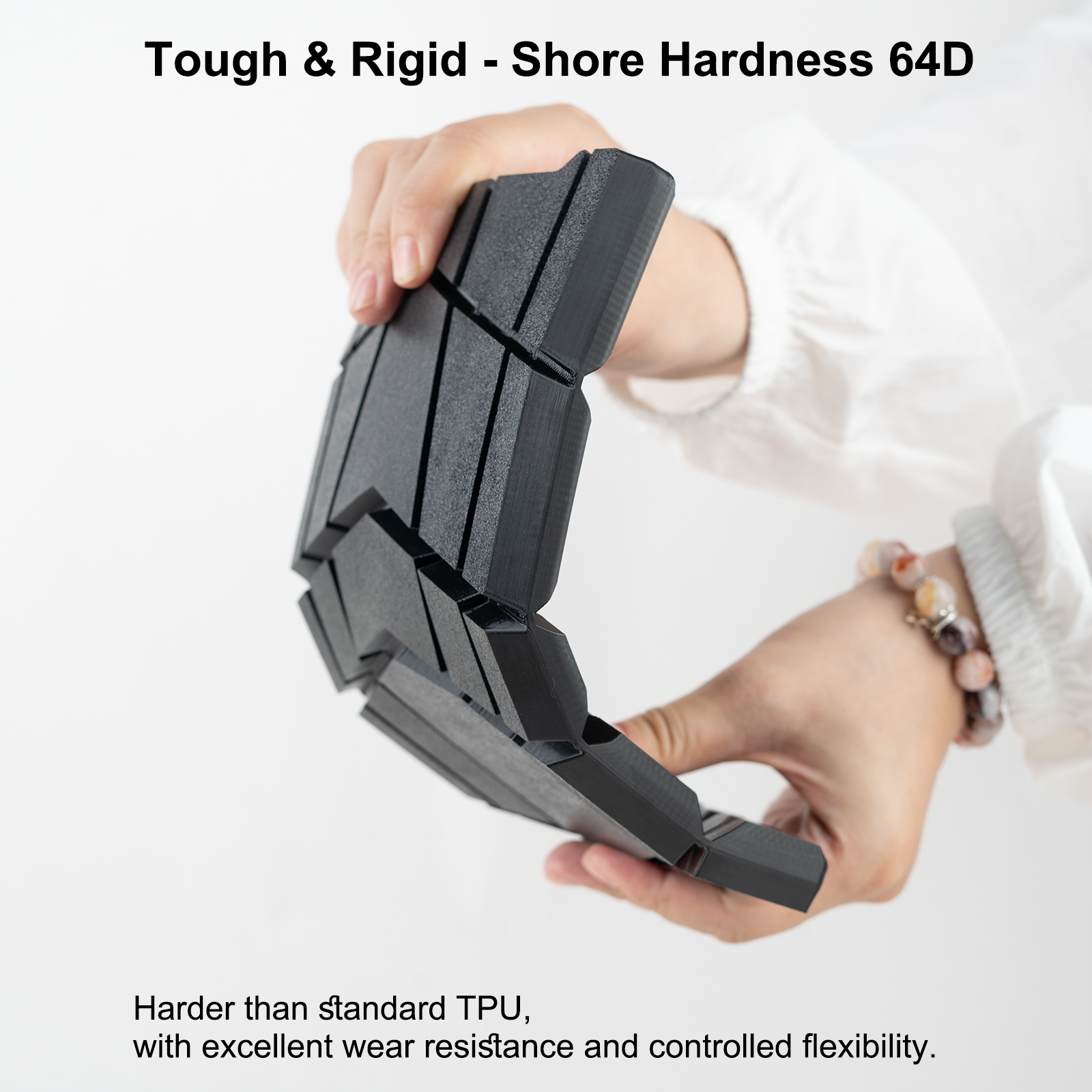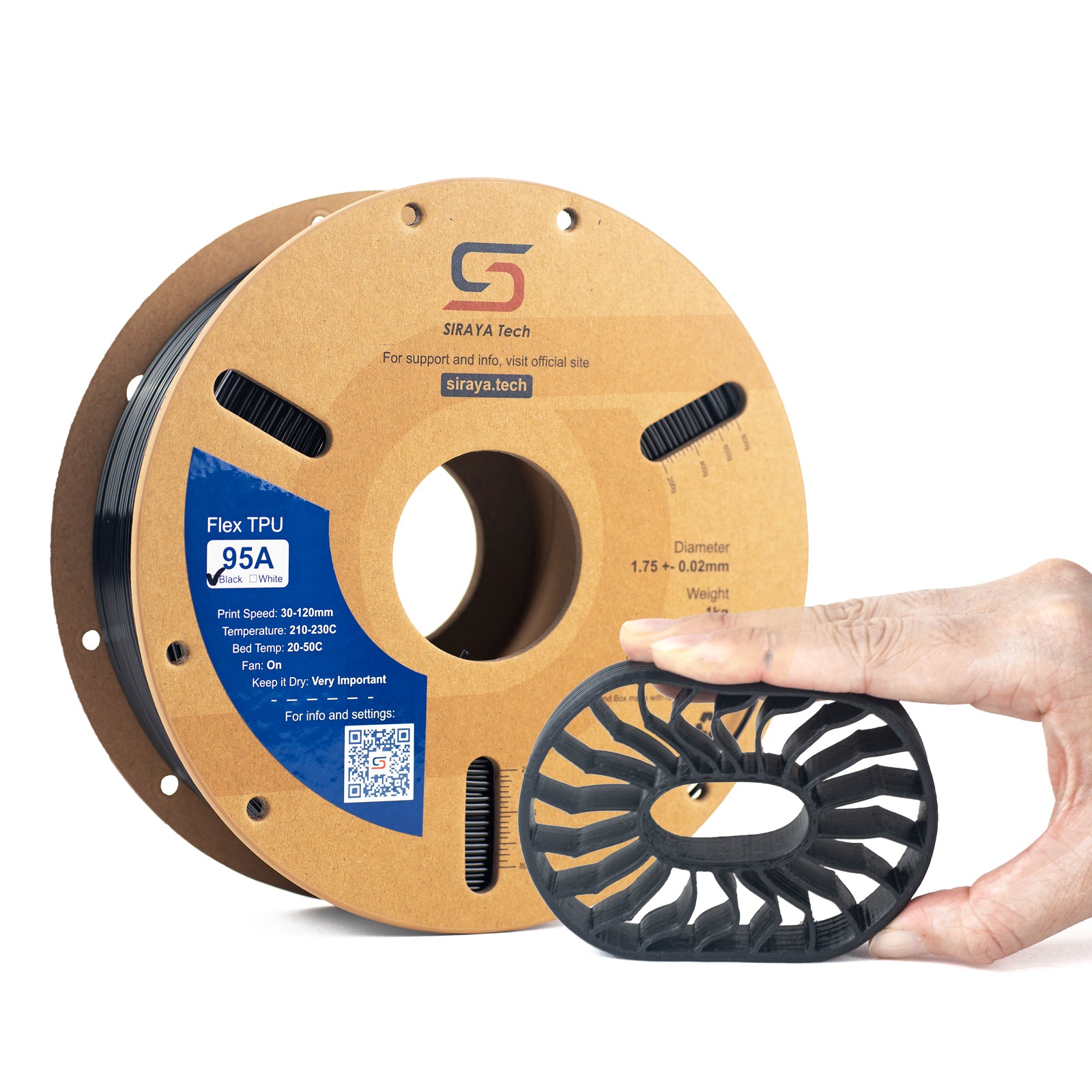
Softest TPU Filament
4 products
Showing 1 - 4 of 4 products
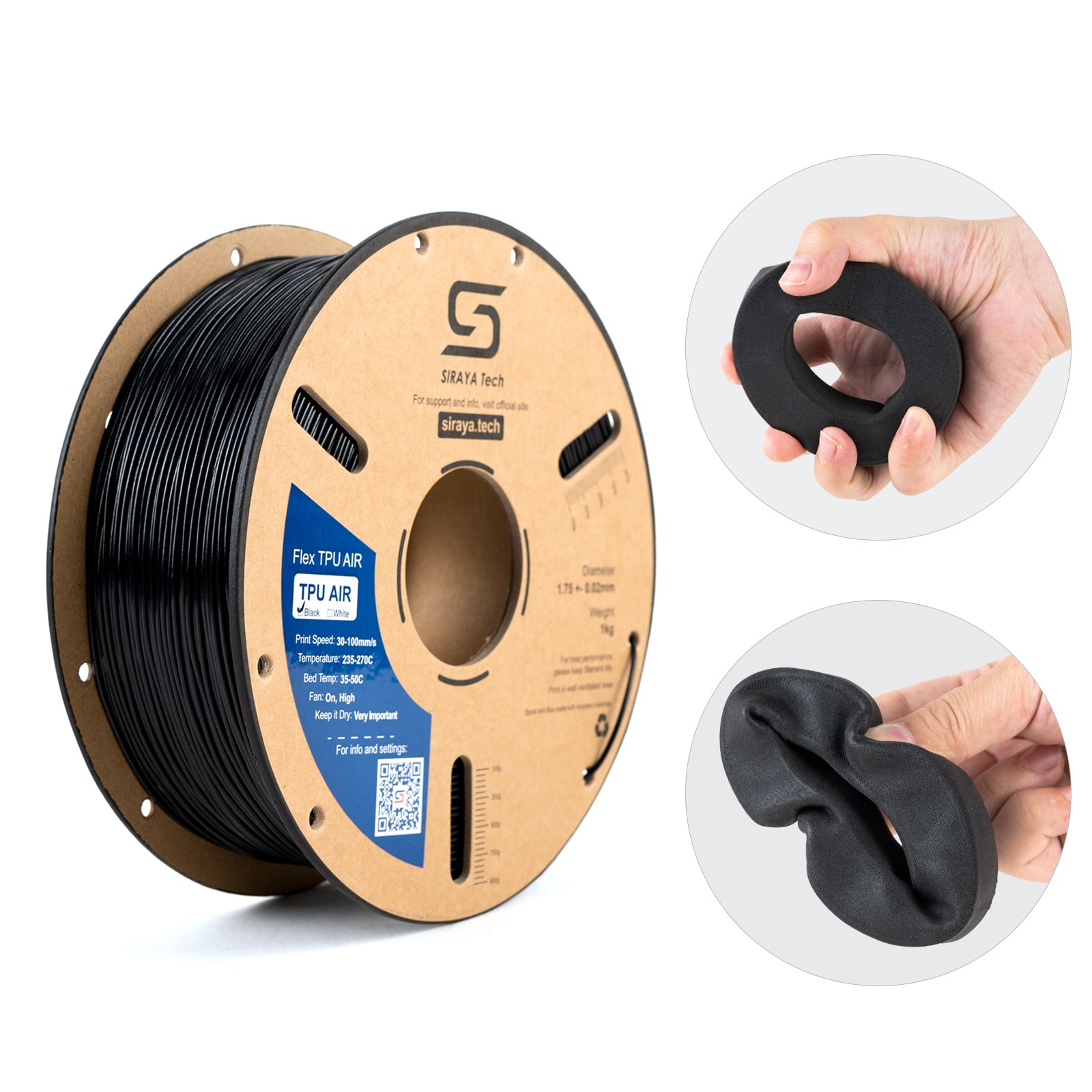
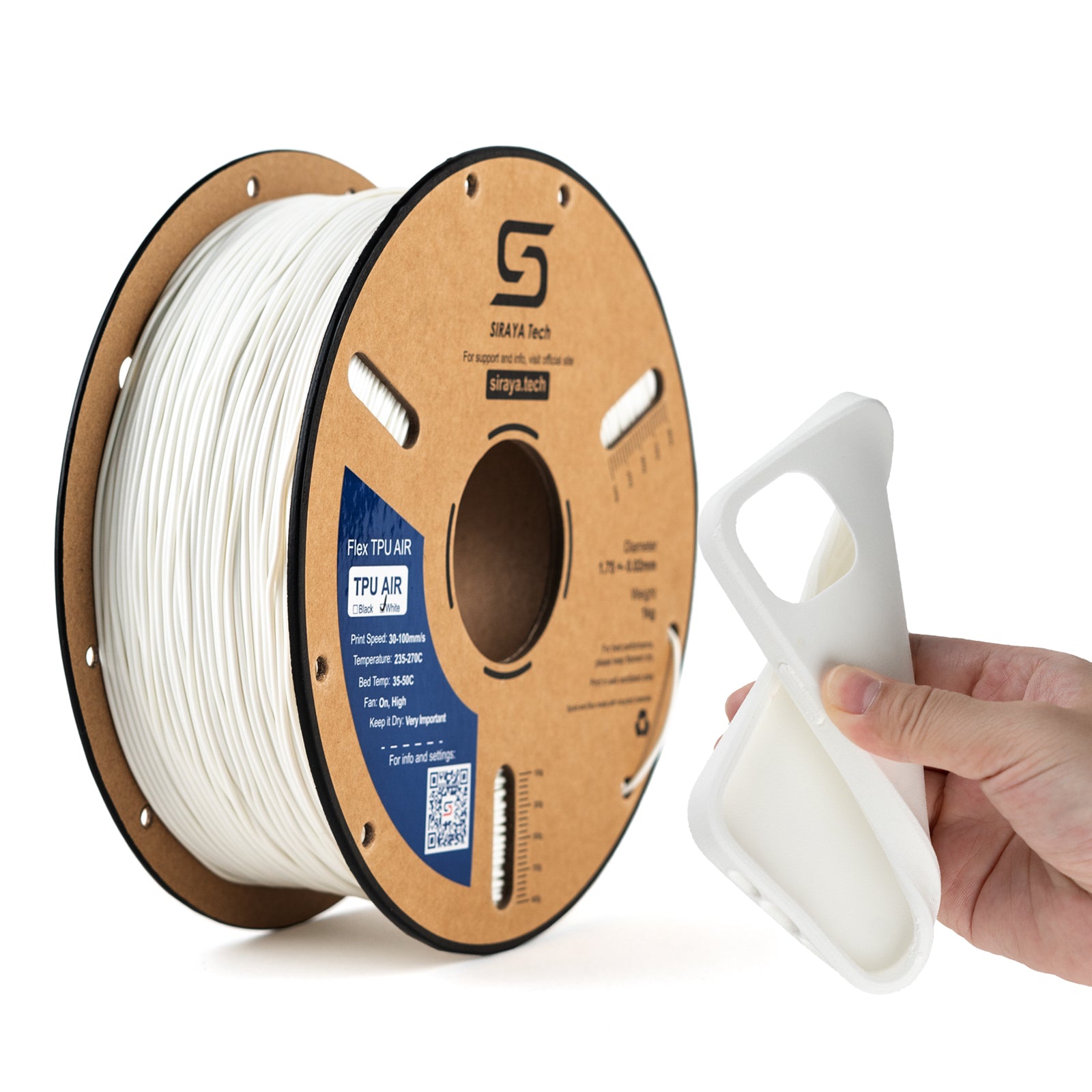
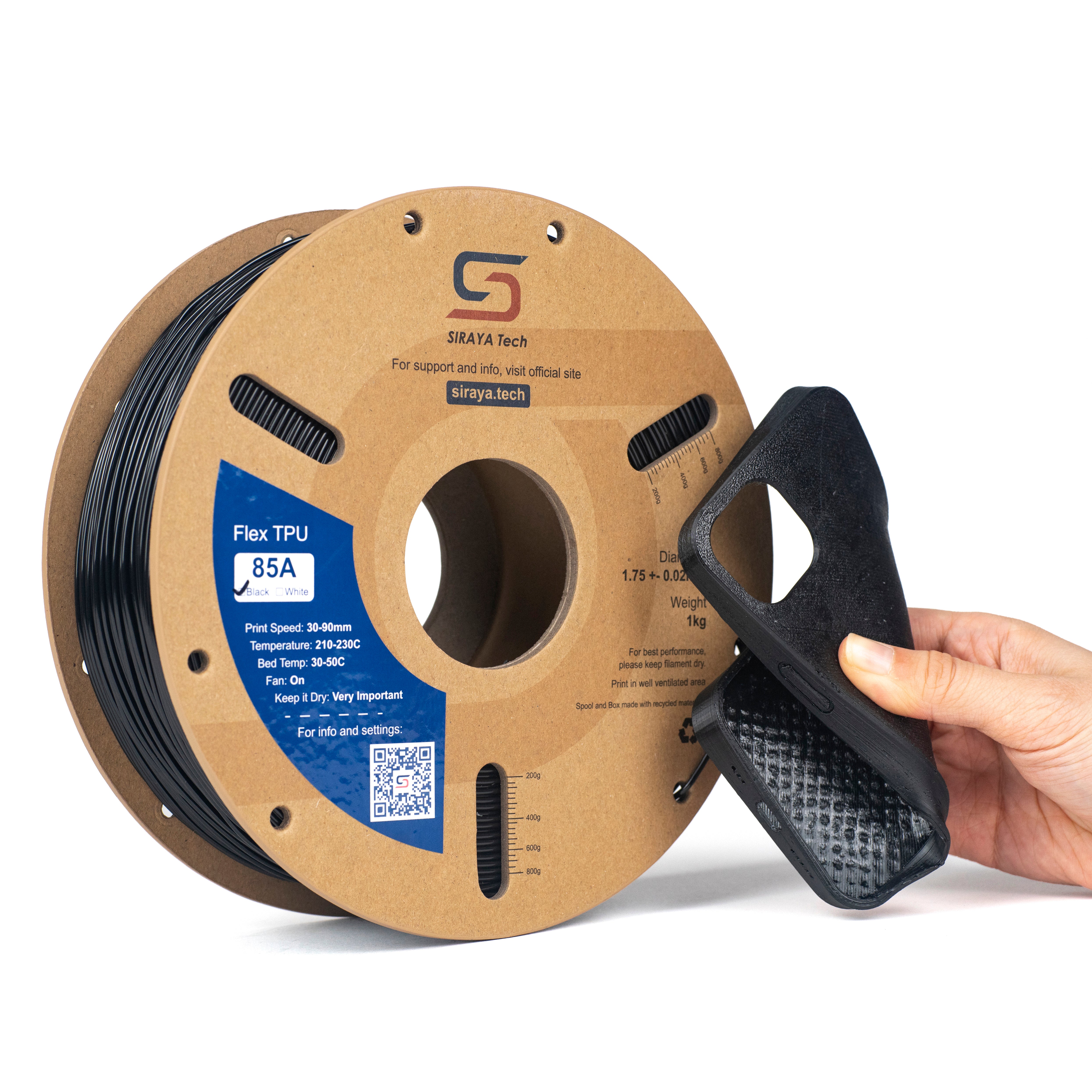
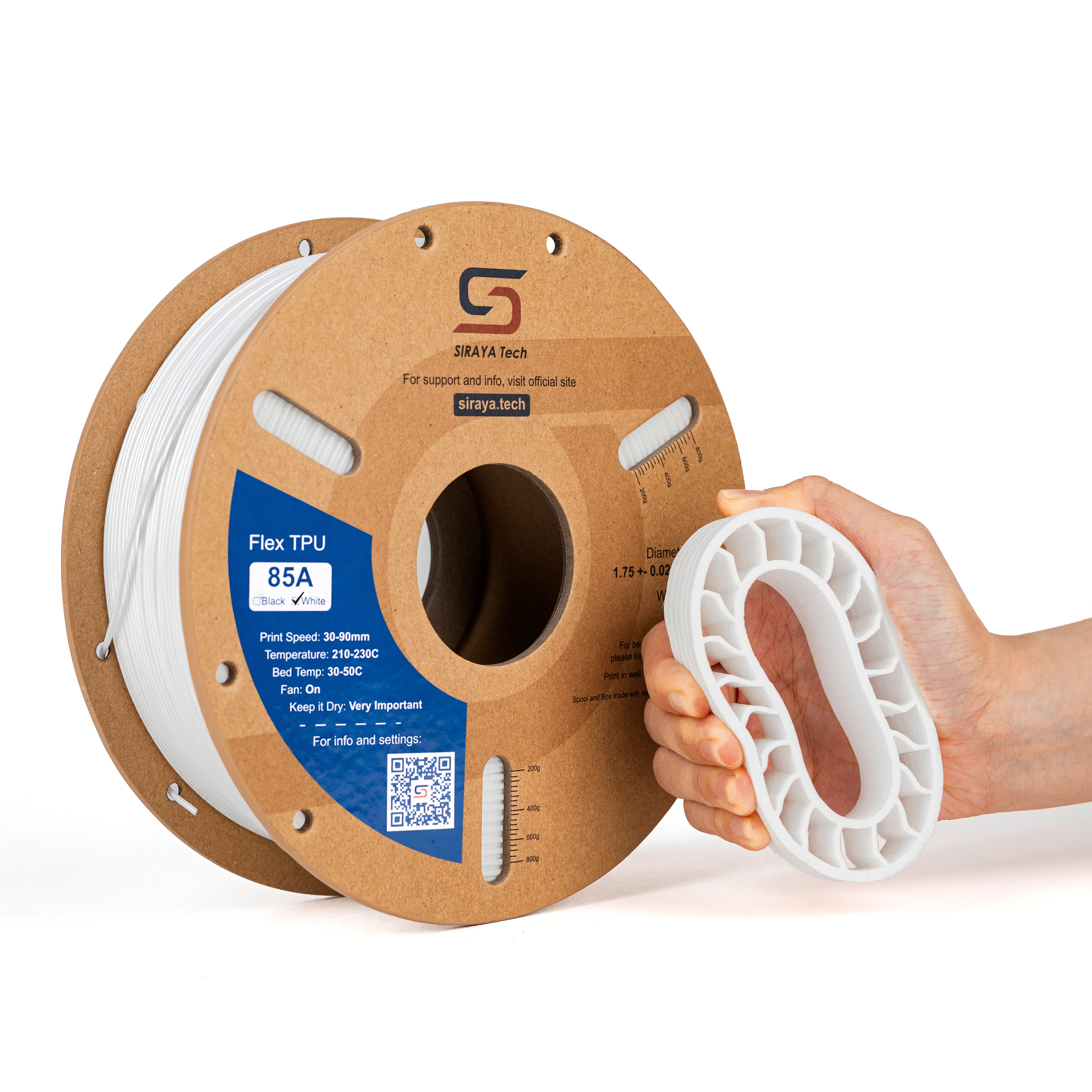
When you're searching for the softest TPU filament for your 3D printing projects, Siraya Tech delivers unmatched flexibility and comfort in every spool. Our premium thermoplastic polyurethane and PEBA filaments are engineered for applications requiring exceptional softness, cushioning, and elastic performance. Whether you're creating wearable accessories, grips, protective cases, or custom insoles, our ultra-soft TPU collection provides the perfect balance of pliability and durability.
Softest TPU Filament for Comfort-Critical Applications
The ultra-flexible options in our collection deliver shore hardness ratings as low as 65A-82A with our foaming TPU Air technology, providing a rubber-like feel that's ideal for products requiring direct skin contact or cushioning properties. These materials compress easily under pressure while maintaining excellent shape memory and rebound characteristics.
Key features include:
- Shore hardness ratings from 65A for maximum softness
- Superior elongation at break for exceptional flexibility
- Minimal compression set for long-lasting comfort
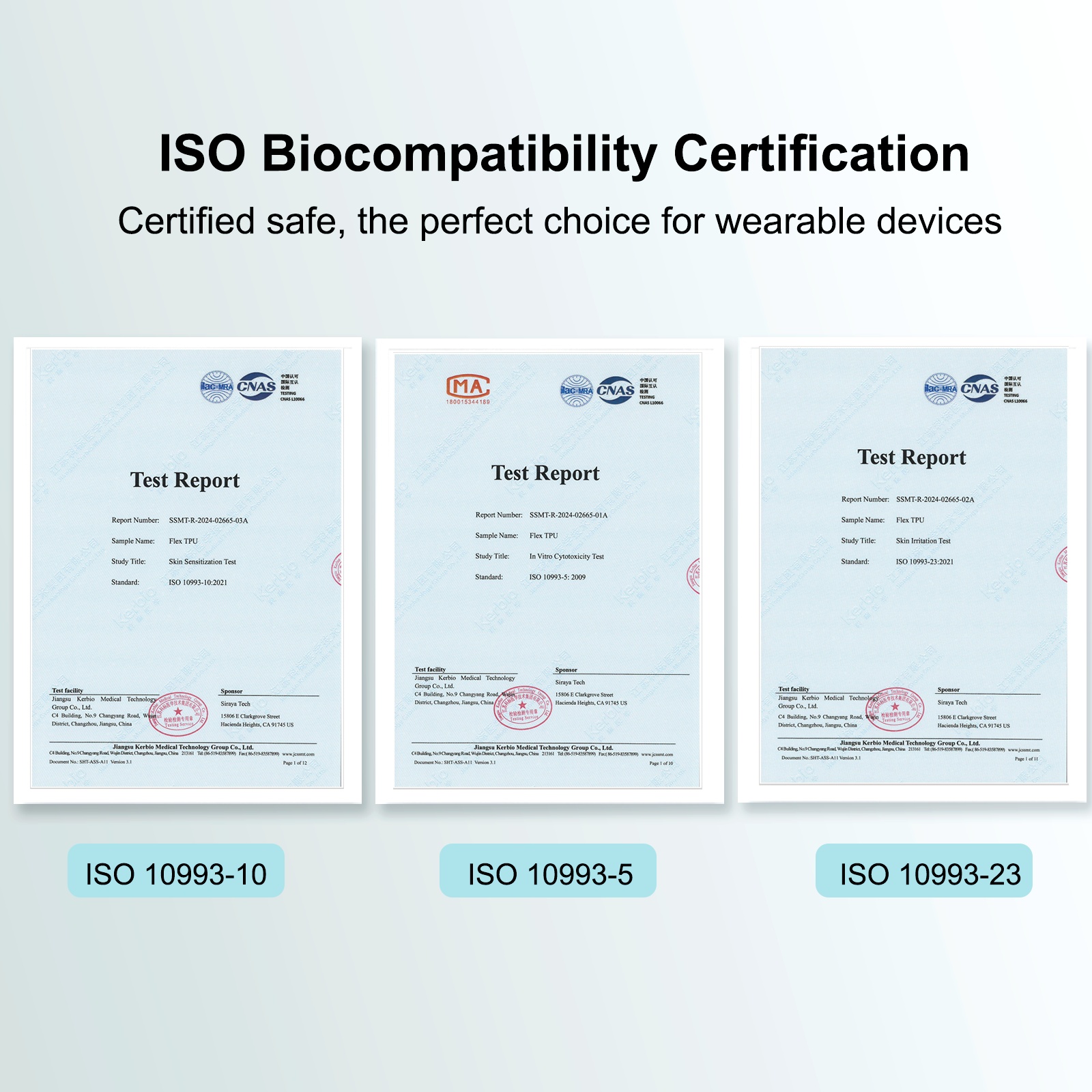
- ISO 10993 biocompatibility data available for skin-contact applications
-
Excellent tear resistance despite soft durometer
Looking for specialized textures? Explore our matte TPU filament collection for a premium non-slip surface finish.
Ultra-Flexible 3D Printing Material with Superior Print Quality
Our soft TPU formulations are specifically engineered to maintain excellent layer adhesion and dimensional accuracy despite their flexible nature. Advanced polymer chemistry ensures consistent extrusion with reduced stringing and clogging commonly associated with ultra-soft materials.
Performance advantages:
- Optimized feeding characteristics for direct drive extruders
- Reduced warping and curling during printing
- Robust layer bonding for mechanical strength
- Compatible with most standard FDM/FFF 3D printers
- Excellent bed adhesion without specialized surfaces
Discover our complete range in the TPU filament collection for various hardness options from 65A to 95A.
Elastic Filament for Versatile Applications Across Industries
Soft flexible printing material from Siraya Tech serves diverse markets including footwear manufacturing, medical device prototyping, automotive interior components, and consumer electronics accessories. The combination of softness with chemical resistance and durability opens possibilities unavailable with rigid materials.
Application benefits:
- Shock absorption for protective equipment and packaging
- Comfortable grips for tools, controllers, and handles
- Gaskets and seals with reliable compression performance
- Flexible hinges and living joints
- Footwear components with excellent rebound properties
For specialized lightweight applications, check out our [foaming TPU filament collection](https://siraya.tech/collections/foaming-tpu-filament) that expands during printing for enhanced cushioning.
Rubber-Like Filament Durability That Outlasts Standard Materials
Despite their soft touch, these elastic printing materials deliver exceptional longevity under repeated stress cycles. High tensile strength and abrasion resistance ensure your prints maintain their properties even with extended use or frequent handling.
Durability features:
- Excellent abrasion resistance for high-wear applications
- Superior mechanical strength for functional parts
- High tensile strength for demanding applications
- Withstands repeated bending and impacts
-
Chemical resistance to oils and greases
Frequently Asked Questions: Softest TPU Filament
What is the softest TPU?
The softest TPU filaments typically range from 65A to 85A shore hardness on the Shore A scale. Siraya Tech's Flex TPU Air 65A-82A offers adjustable softness through foaming technology. These ultra-flexible grades feel similar to silicone rubber and provide excellent cushioning properties.
Which is softer, TPU or TPE?
Both TPU (thermoplastic polyurethane) and TPE (thermoplastic elastomer) can be formulated to similar softness levels. TPU generally offers better abrasion resistance and durability for 3D printing applications. Materials like PEBA, another thermoplastic elastomer, may offer superior rebound and elastic properties at comparable hardness levels.
What material is soft TPU?
Soft TPU is a thermoplastic polyurethane elastomer with lower shore hardness ratings, typically ranging from 65A to 95A on the Shore A scale. It combines polyurethane chemistry with thermoplastic processing characteristics. This creates a rubber-like material that can be melted and extruded for 3D printing while maintaining excellent flexibility.
What is the disadvantage of TPU?
TPU filament can be challenging to print due to its flexibility, especially with Bowden-style extruders that lack direct drive systems. It typically requires slower print speeds and optimized retraction settings compared to rigid materials. TPU also benefits from proper storage to prevent moisture absorption that can affect print quality.