When building mechanical systems, choosing the right filament for gears is the most important step for ensuring long-term success. Standard materials often fail under friction or constant movement, leading to broken teeth and machine downtime.
At Siraya Tech, we provide advanced materials designed to handle the intense physical demands of moving parts. Our filaments offer the perfect balance of toughness and smooth operation.
Whether you are designing industrial prototypes or custom replacement parts, these materials provide the durability and reliability needed for high-performance mechanical applications.
Boost Machine Efficiency with High Energy Return Filament for Gears
Moving parts require more than just hardness; they need the ability to handle repeated stress without losing their shape. Using our specialized filament for gears allows your mechanical systems to run more efficiently by returning energy rather than absorbing it as heat or friction.
Why High Energy Return Matters
Lower Friction: The material is designed to slide smoothly, which reduces the heat buildup that often destroys plastic parts.
Energy Efficiency: With up to 78% energy return, your motors work less to move the same load, extending the life of your hardware.
Quiet Operation: The unique vibration-dampening properties lead to quieter gearboxes and smoother movement.
Rapid Recovery: Even after being compressed or pushed, the material snaps back to its original form instantly.
Ensure Long Lasting Performance with Superior Abrasive Resistance
Gears are constantly rubbing against each other, which usually leads to wear and tear. Our filament for gears is formulated to be super-abrasion-resistant, ensuring your parts stay functional for much longer than standard 3D prints.
Built for Industrial Strength
Exceptional Toughness: The material is difficult to scratch or wear down, even in high speed environments.
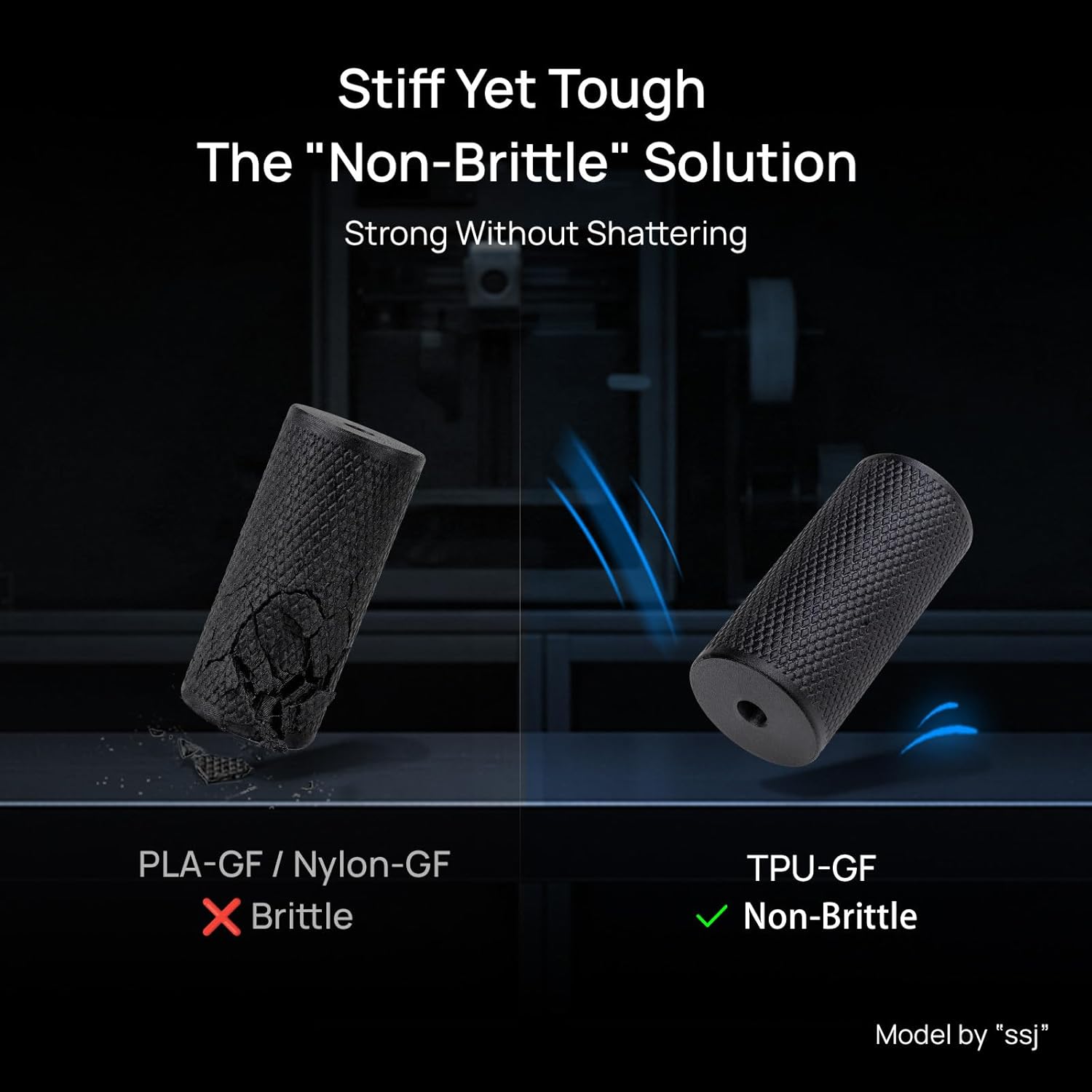
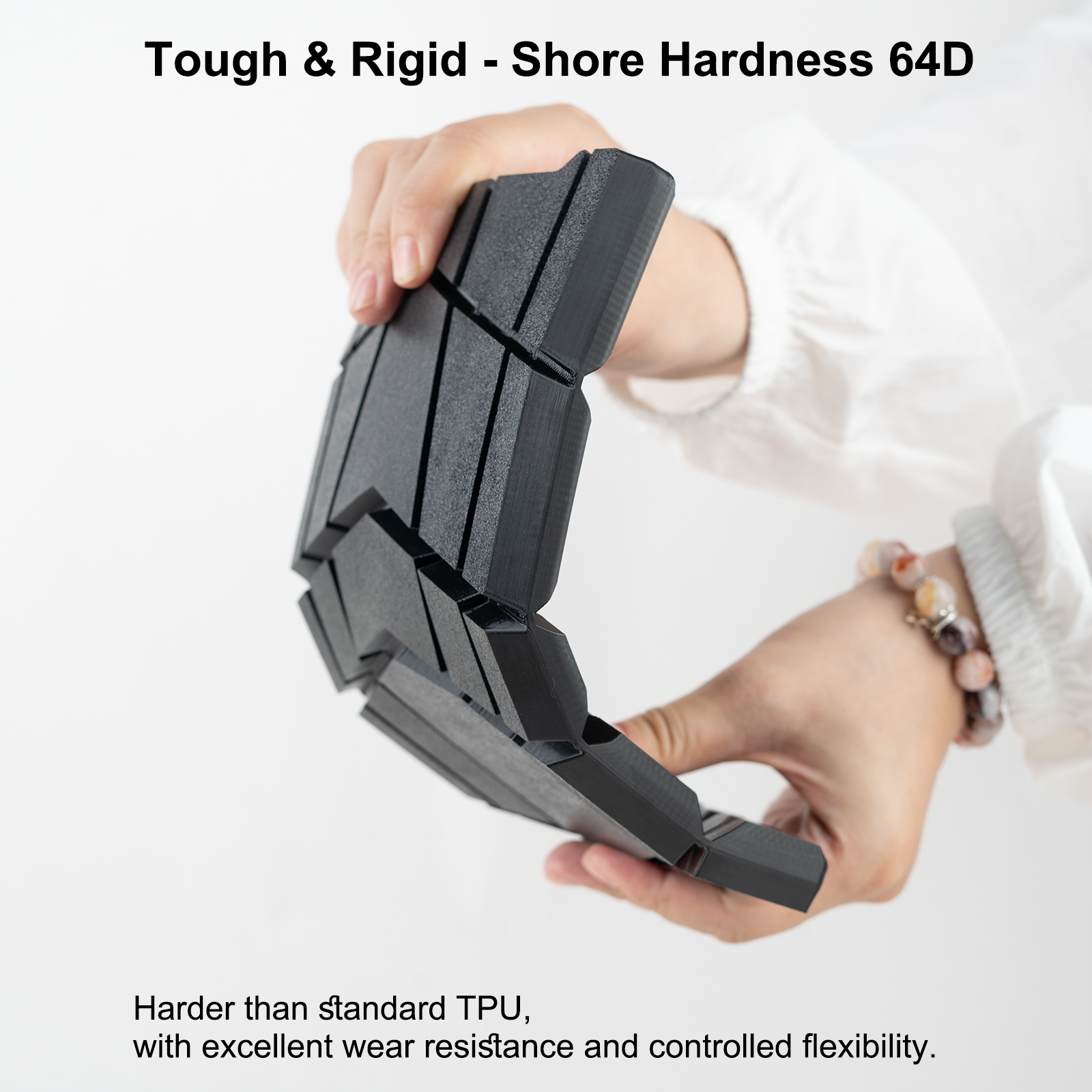
Outstanding Stretch: Unlike brittle plastics, this material can stretch and bend slightly under heavy loads instead of snapping.
Superior Mechanical Strength: Engineered to hold up under heavy weight and high torque without deforming.
Resistant to Surface Wear: The outer layer of the print stays smooth and intact, preventing the "dusting" effect common with cheaper materials.
Easy Printing for Complex Mechanical Designs
Creating functional parts can be difficult if the material is hard to print. We have optimized our formula to be stiff enough for easy feeding while remaining flexible enough for the final part to perform.
Why Makers Love Printing with This Material
Zero Jams: The filament is stiff enough to be used in most extruders without getting tangled or stuck.
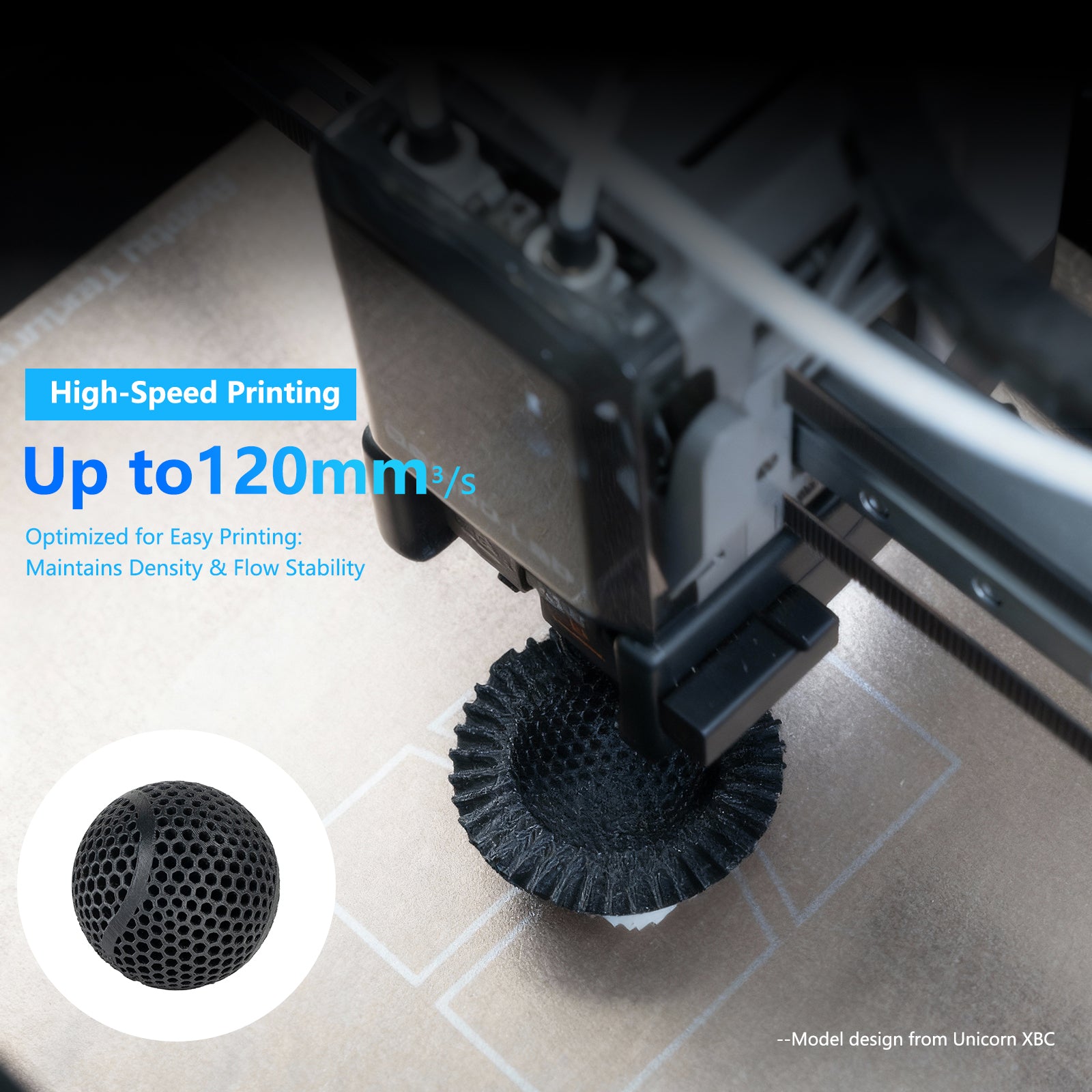
High-Speed Ready: You can push your printer to higher speeds while still maintaining the high level of detail needed for gear teeth.
Great Layer Bonding: Each layer fuses perfectly to the next, creating a solid part that acts like a single piece of molded plastic.
Consistent Flow: The diameter is strictly controlled so your printer always knows exactly how much material is being used.
A Versatile Solution for Tools and Functional Parts
While this material is perfect for gears, its unique properties make it ideal for a wide variety of other difficult projects. It is a true multi-purpose solution for anyone needing professional results.
Common Uses for This Collection
Protective Gear: Great for making guards, wristbands, or protective cases that need to absorb impact.
Custom Grips: Create handles or grips for tools that feel comfortable but are tough enough for daily work.
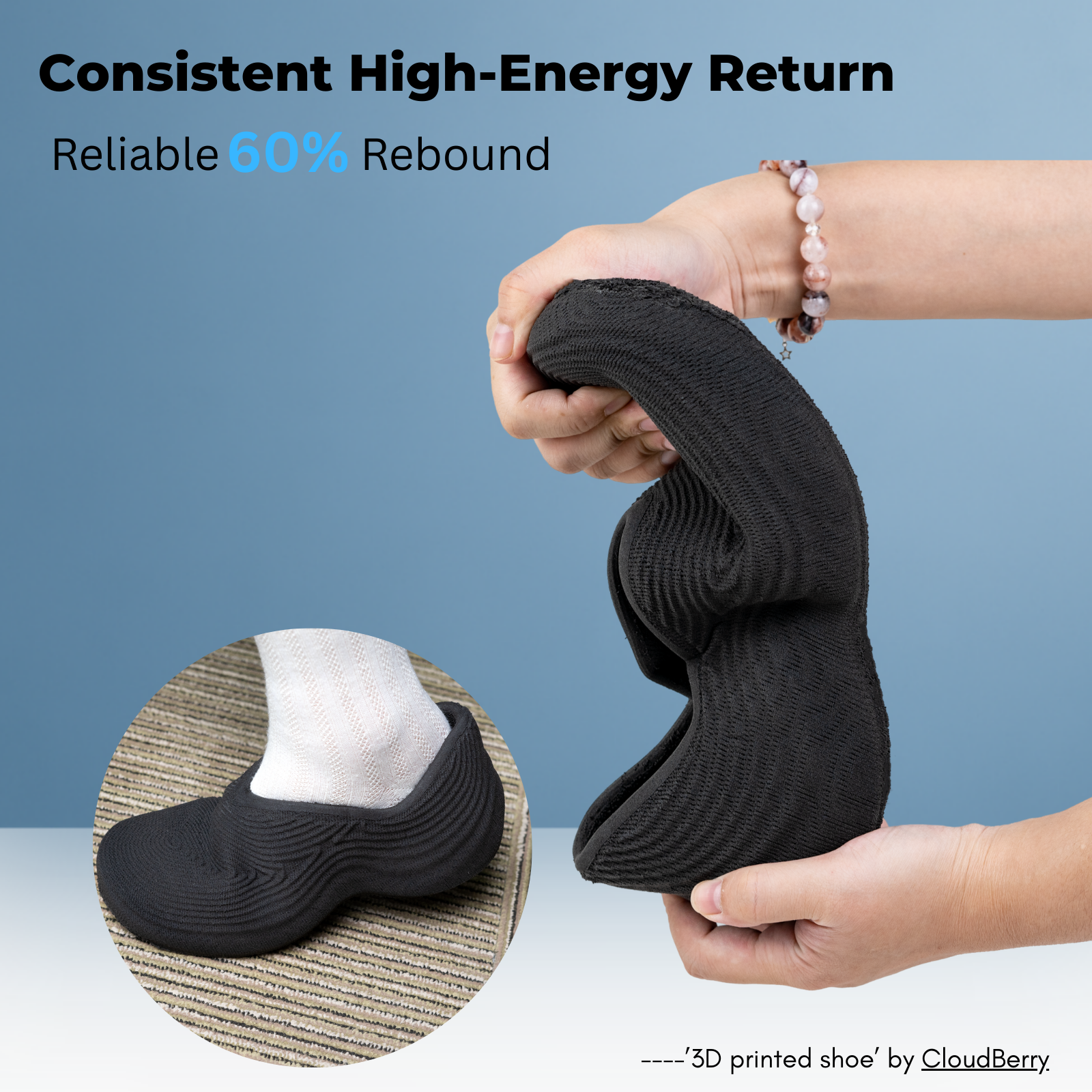
Sports Equipment: Use the high energy return for insoles or sports gear that needs to be bouncy and durable.
Medical Support: Ideal for creating custom braces or supports that need to be both strong and slightly flexible for the user.
Selecting the right filament for gears changes your 3D printer from a hobby tool into a professional manufacturing machine.
By using materials with superior strength and high energy return, you can create parts that last as long as their metal counterparts.
Siraya Tech is dedicated to providing these high-performance options to help you build better, stronger, and more efficient mechanical systems.
Related Collections to Explore
High Temp 3D Printer Filament: Find materials that can handle extreme heat environments without melting or losing their shape.
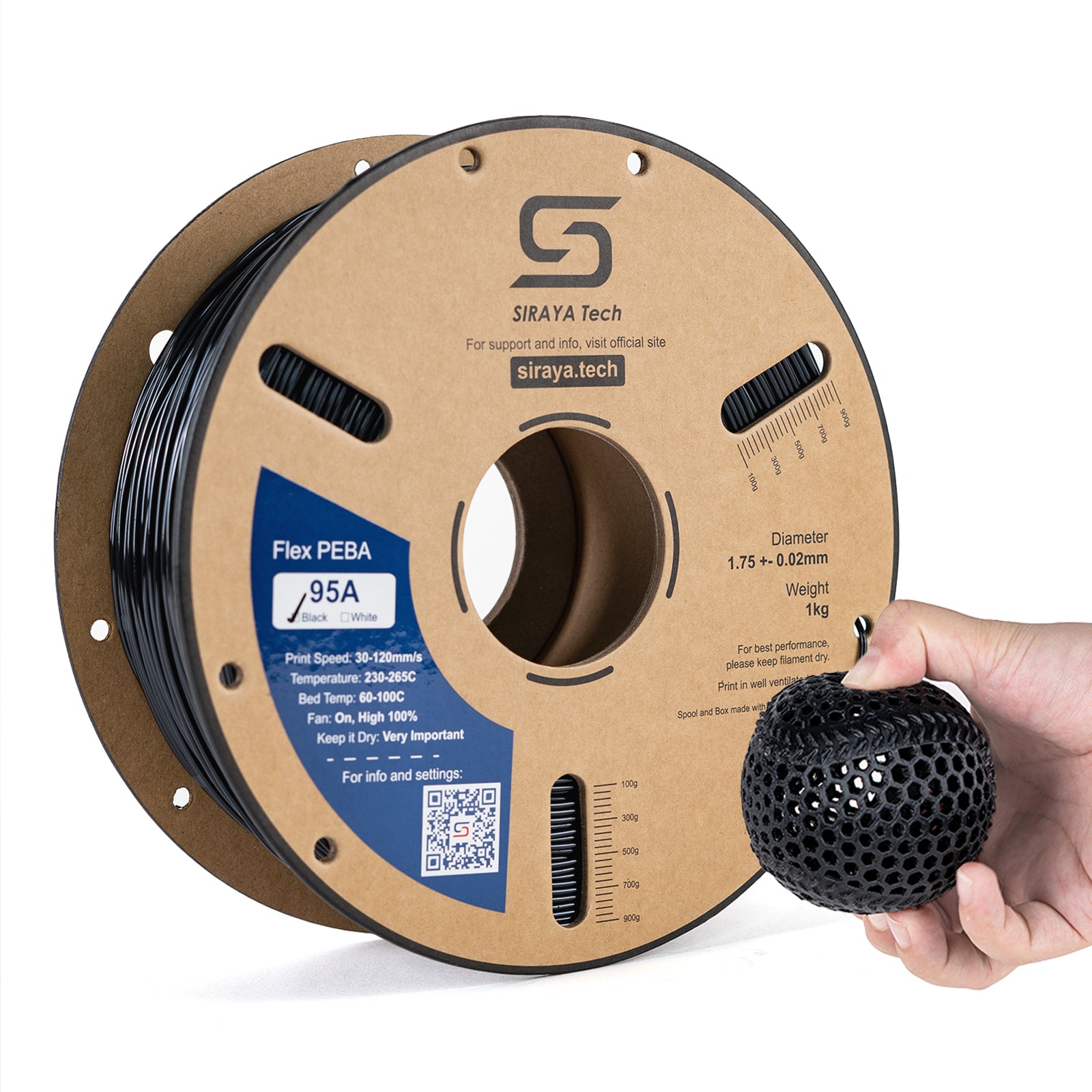
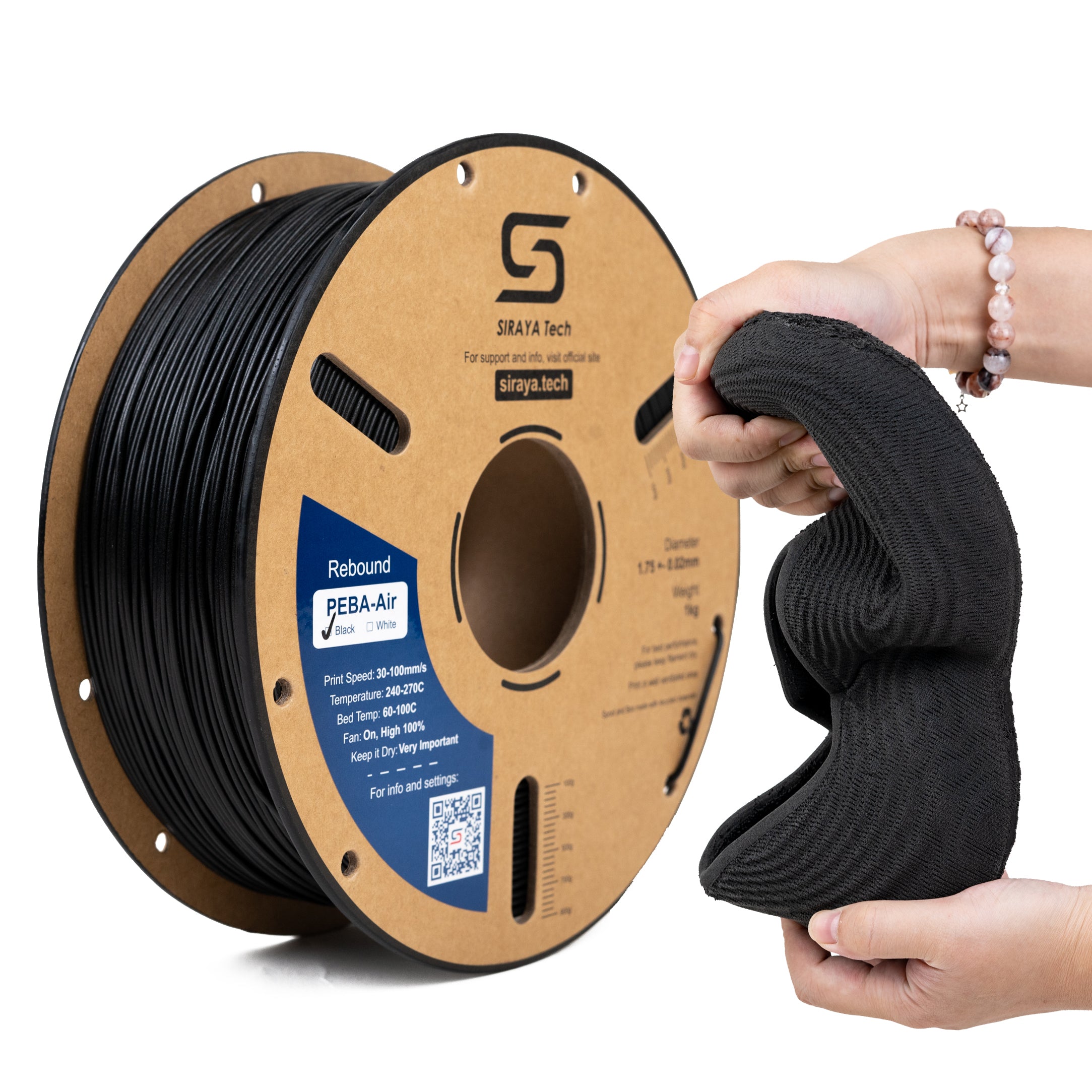
PEBA Filament: Discover our specialized material that offers the highest energy return and flexibility for unique mechanical projects.
Filament Collection: Browse our full selection of professional-grade spools designed for every type of FDM printing need.
3D Printed Shoes Filament: Explore materials optimized for the footwear industry that require incredible durability and specialized flexibility.
FAQs About Filament for Gears
Which filament is best for 3D printed gears?
For most functional gears, you need a material with high impact resistance and low friction. Our PEBA and high-strength filaments are designed specifically for these moving parts to prevent the teeth from snapping under pressure.
Can I use PLA for gears?
Yes, you can use PLA for gears in light-duty applications such as small hobby projects, prototypes, or low-load mechanisms. PLA is easy to print and holds its shape well, which helps maintain gear accuracy. However, it is more brittle than other filaments and can wear out faster under heavy load, heat, or constant friction. For long-term mechanical parts, stronger materials like PETG, ABS, or nylon are usually better.
Is PETG or PLA better for gears?
PETG is usually better than PLA for gears because it is more durable and resistant to impact. It can handle higher stress and friction without cracking as easily as PLA. PETG also has better temperature resistance, which helps gears last longer in moving machines. PLA may still work for low-load gears, but PETG is the safer choice for functional parts.
Is ABS or PLA better for gears?
ABS is generally better than PLA for gears because it is tougher and more resistant to heat and wear. It can handle repeated movement and mechanical stress better than PLA, which tends to become brittle over time. ABS gears are also less likely to deform in warm environments. However, PLA is easier to print, so it may still be used for simple prototypes or light-duty gear systems.