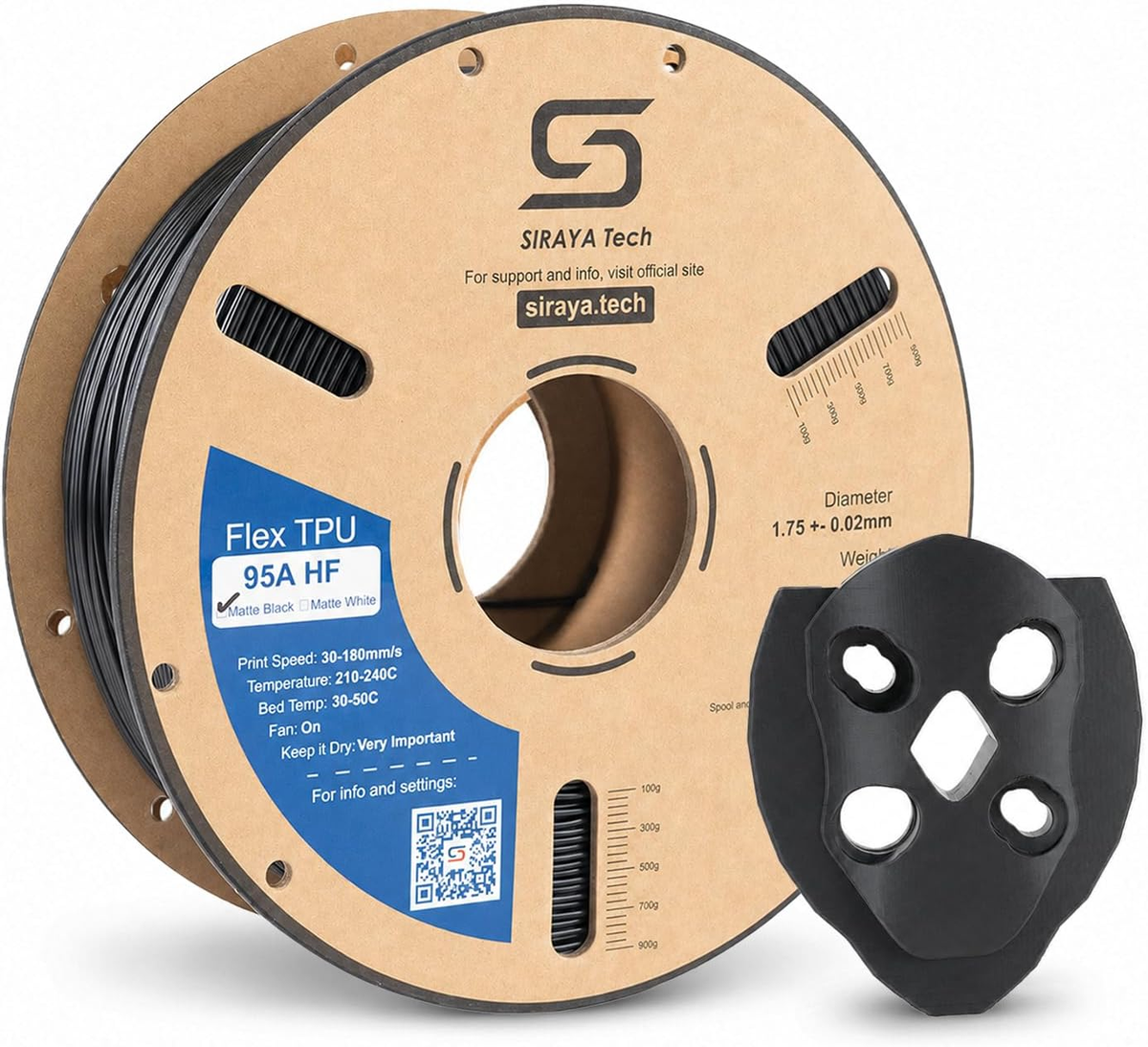
If you want clean, consistent prints from your Creality machine, starting with the right ender 3 v3 filament is the most important decision you'll make. Siraya Tech designs every spool around the real-world demands of high-speed CoreXY printing — tight tolerances, smooth extrusion, and reliable results from the first layer to the last. No babysitting. No mid-print surprises.
The Best Ender 3 V3 Filament for High-Speed Printing
The Ender 3 V3 was built to go fast, and most generic filaments simply can't keep up. Siraya Tech spools are formulated for high-velocity extrusion, so you get clean results whether you're running a quick draft or pushing the machine toward its limits.
Precision-wound spools for consistent feed tension and tangle-free printing
Tight diameter tolerance of ±0.02 mm to prevent clogs and pressure drops
High-flow formulations designed for faster printing without sacrificing layer bonding
Low moisture absorption to cut down on stringing and surface bubbling
Stronger 3D Printer Filament for the Ender 3 Series
Weak layer adhesion is one of the most frustrating problems in FDM printing — you get a part that looks fine until it snaps under light stress. Siraya Tech filaments are engineered for tight interlayer fusion, giving your finished parts real structural integrity rather than just a good-looking exterior.
High interlayer adhesion strength across PLA, PETG, ABS, and TPU formulations
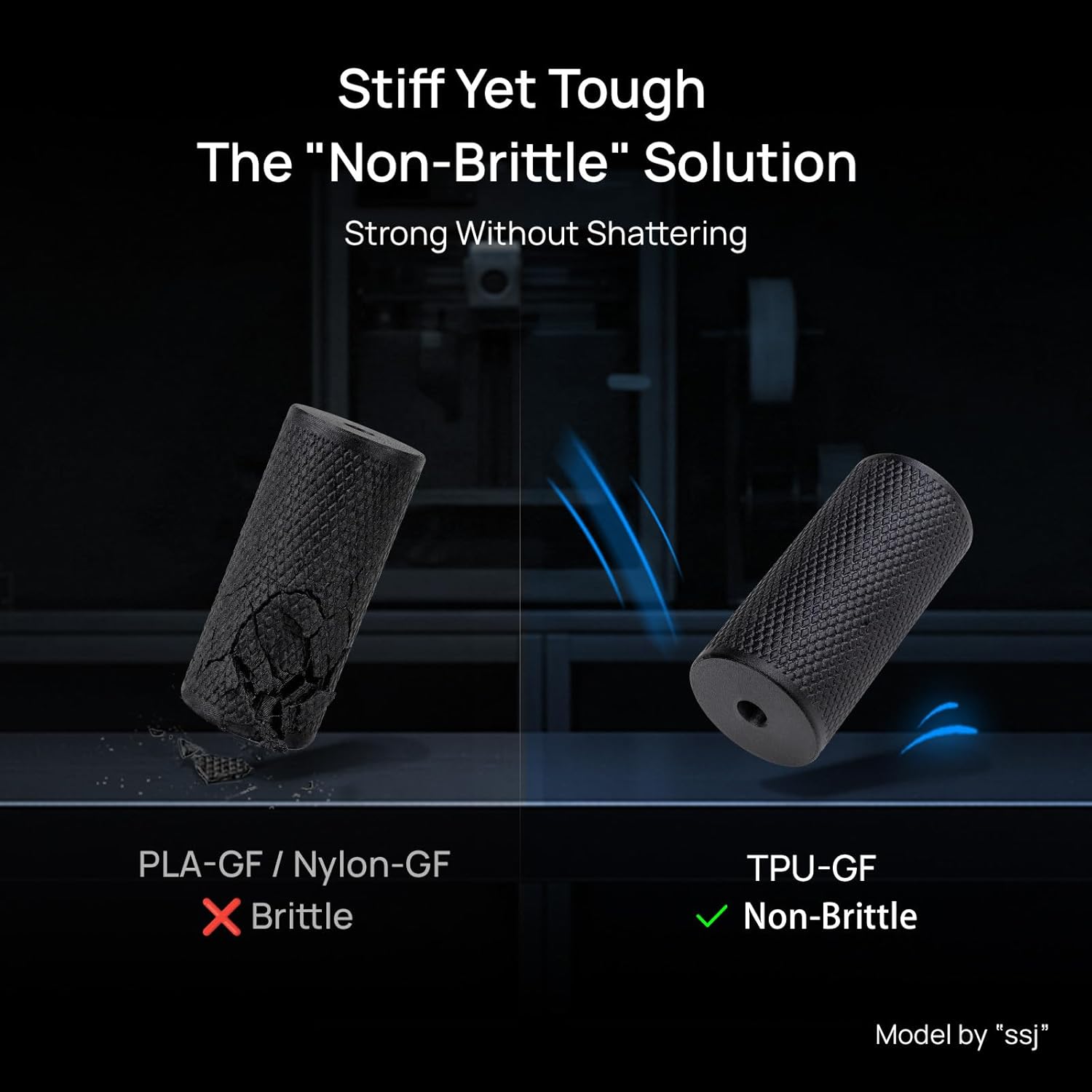
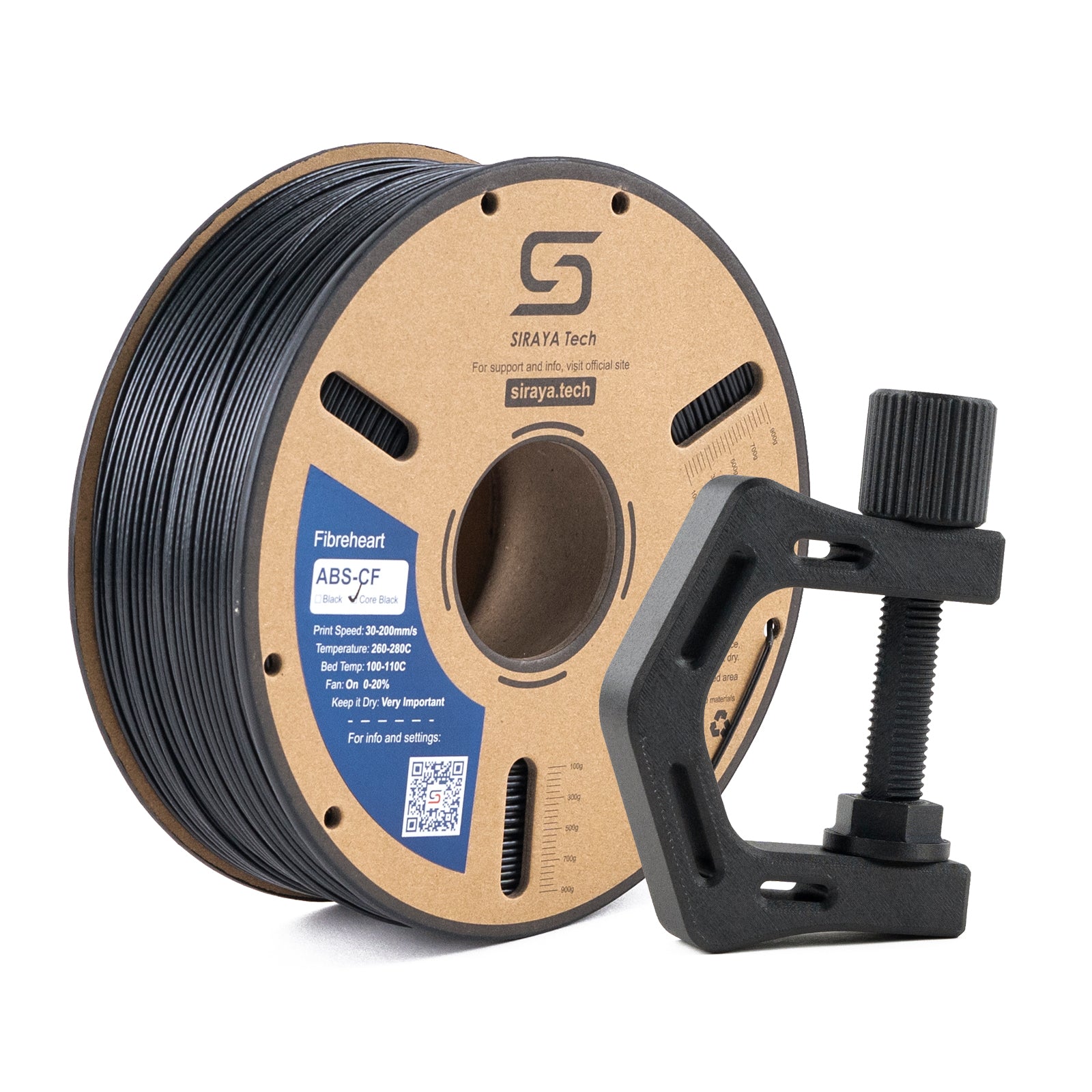
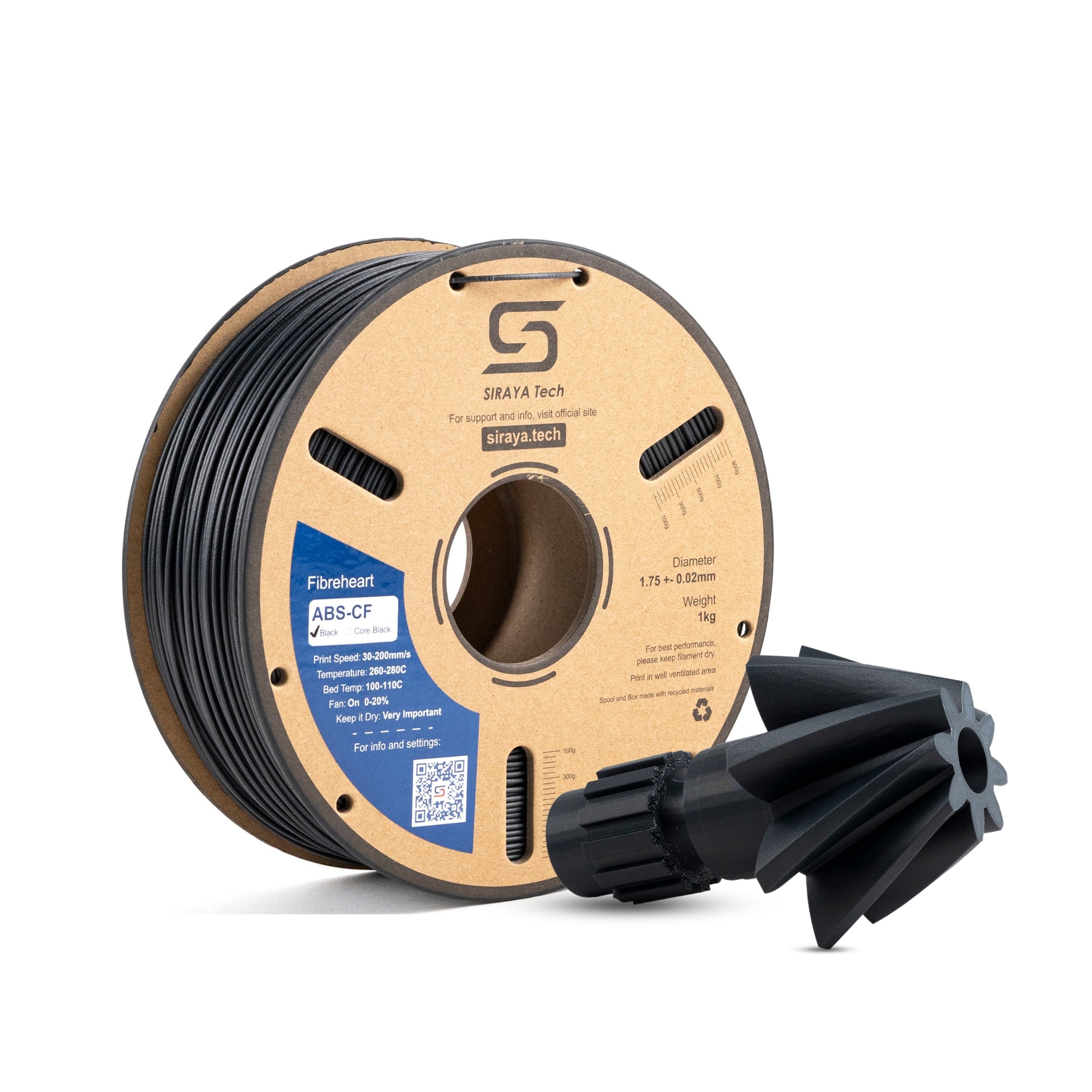
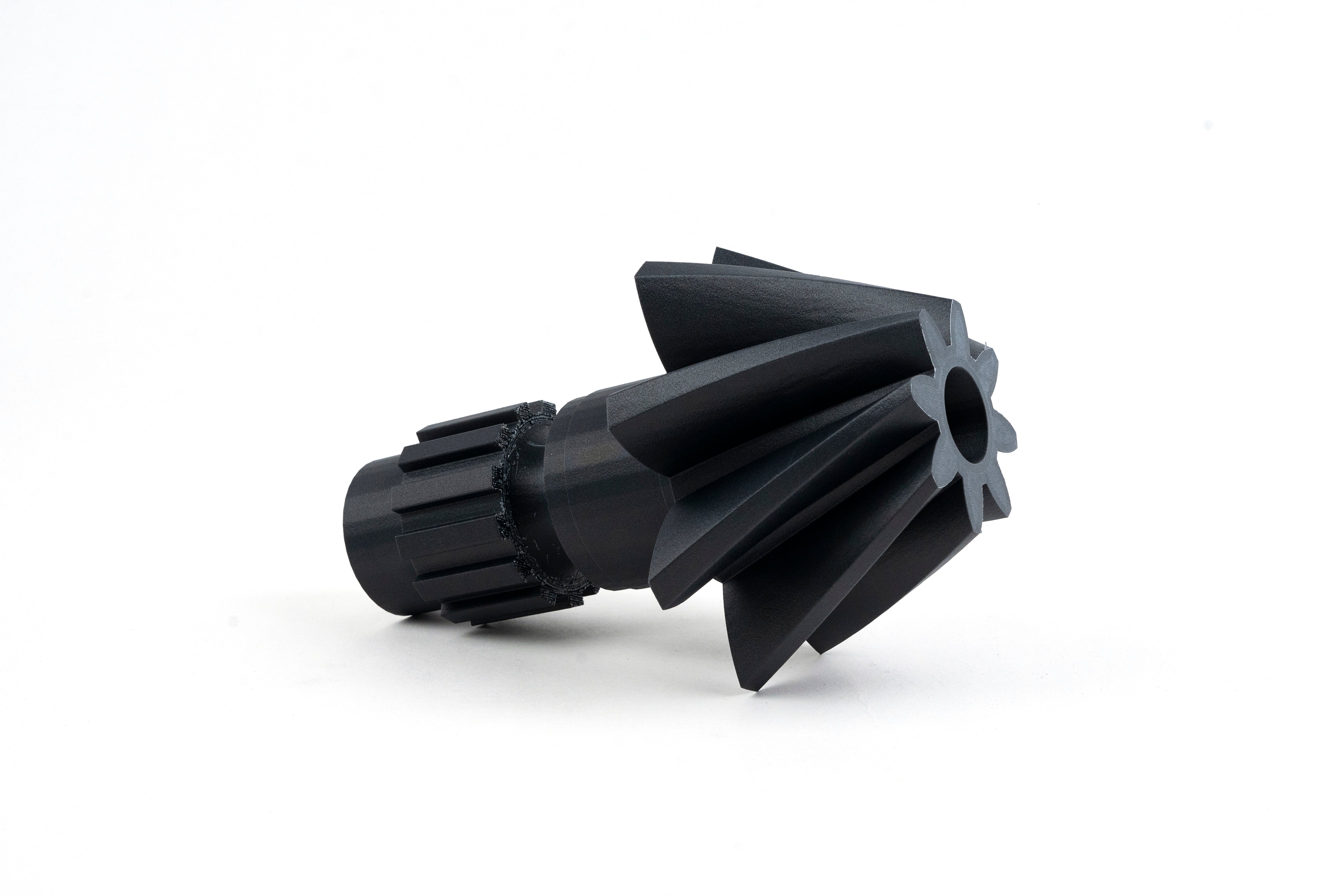
Carbon fiber reinforced options add stiffness and dimensional stability under load
Excellent bed adhesion on glass, PEI, and textured spring steel surfaces
Reduces warping on larger flat prints without needing a fully enclosed printer
Available in standard 1.75 mm diameter for broad hotend compatibility
One filament type won't cover everything. Siraya Tech offers a full range of 3D printing materials so you can match each project to the right mechanical and visual properties — whether that's a heat-resistant bracket, a flexible component, or a smooth display model.
PLA for everyday prints with a clean surface finish straight off the build plate
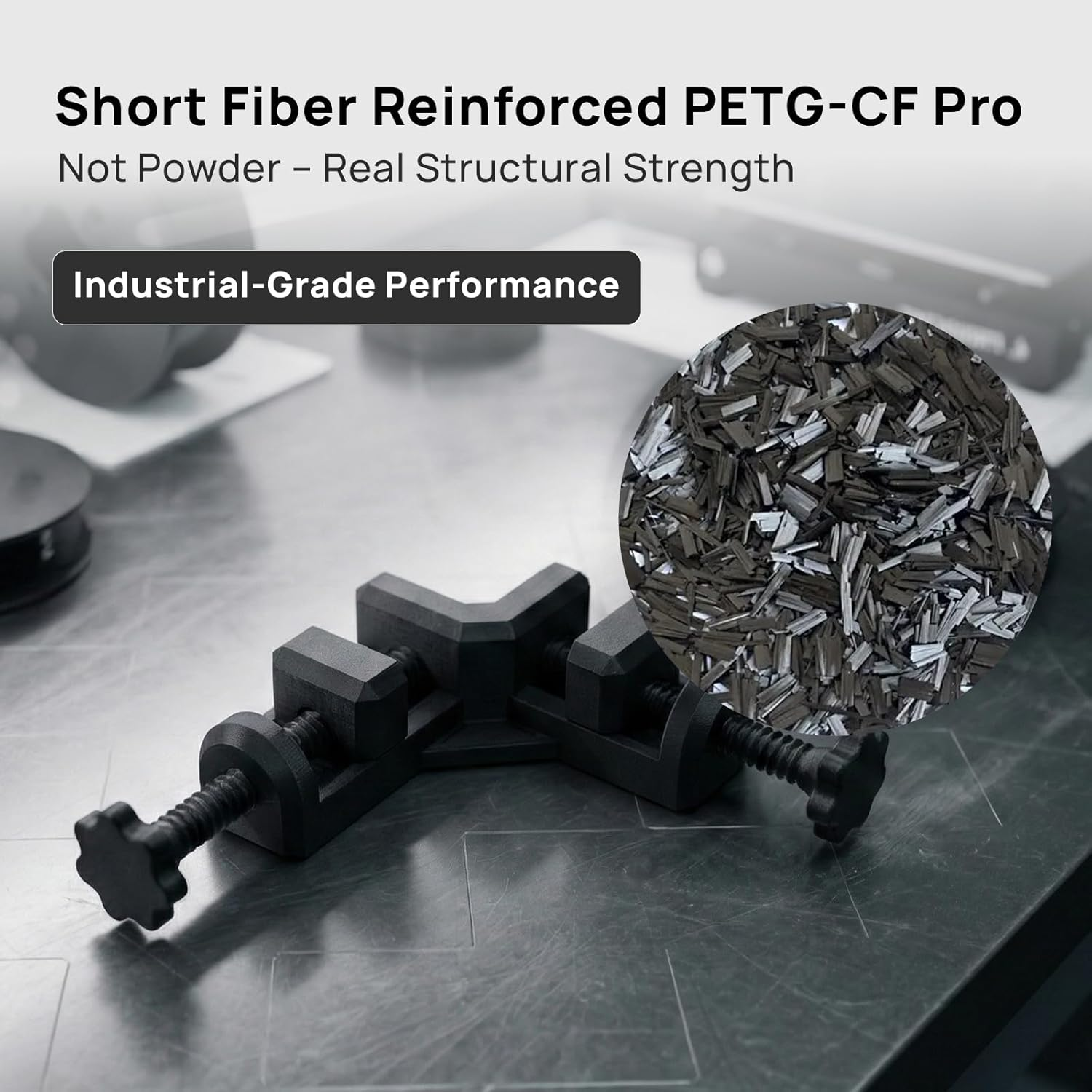
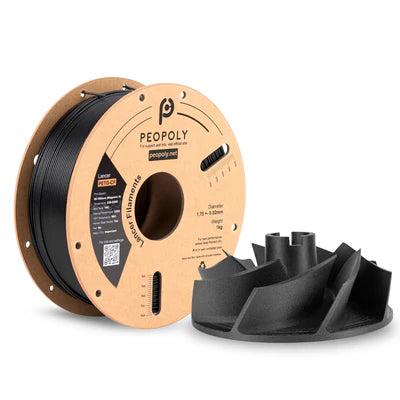
PETG-CF Pro for chemical-resistant, stiff functional parts with a professional matte finish
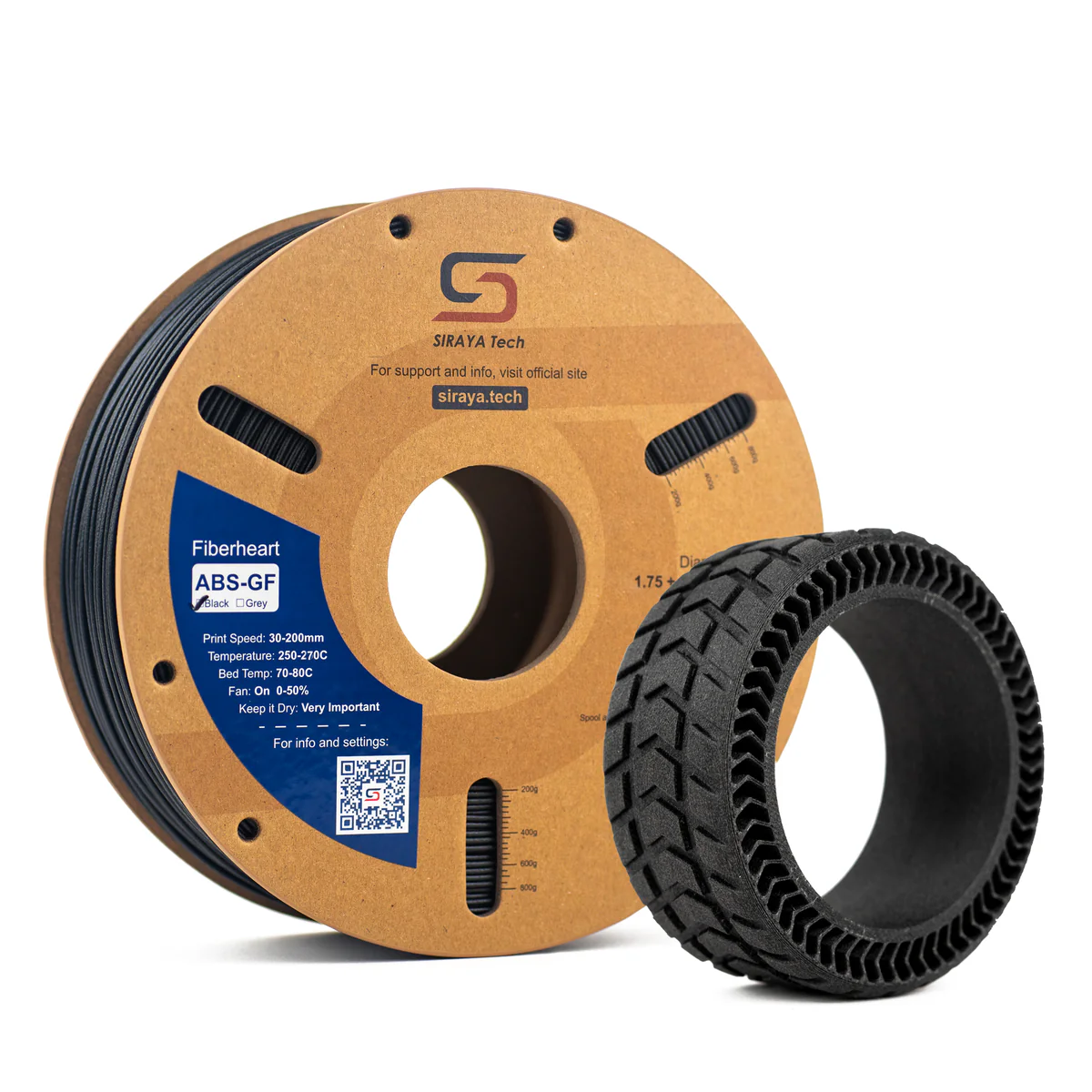
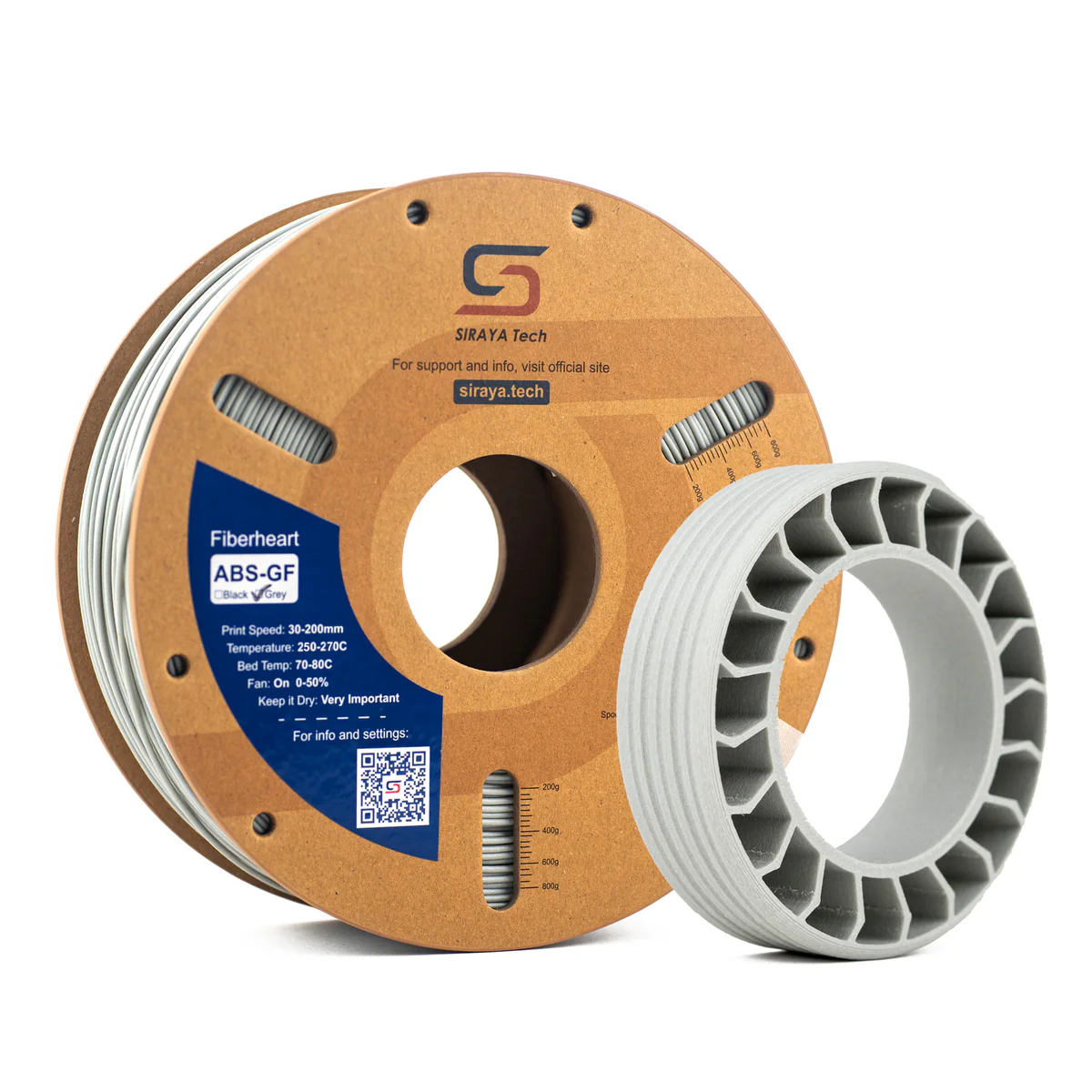
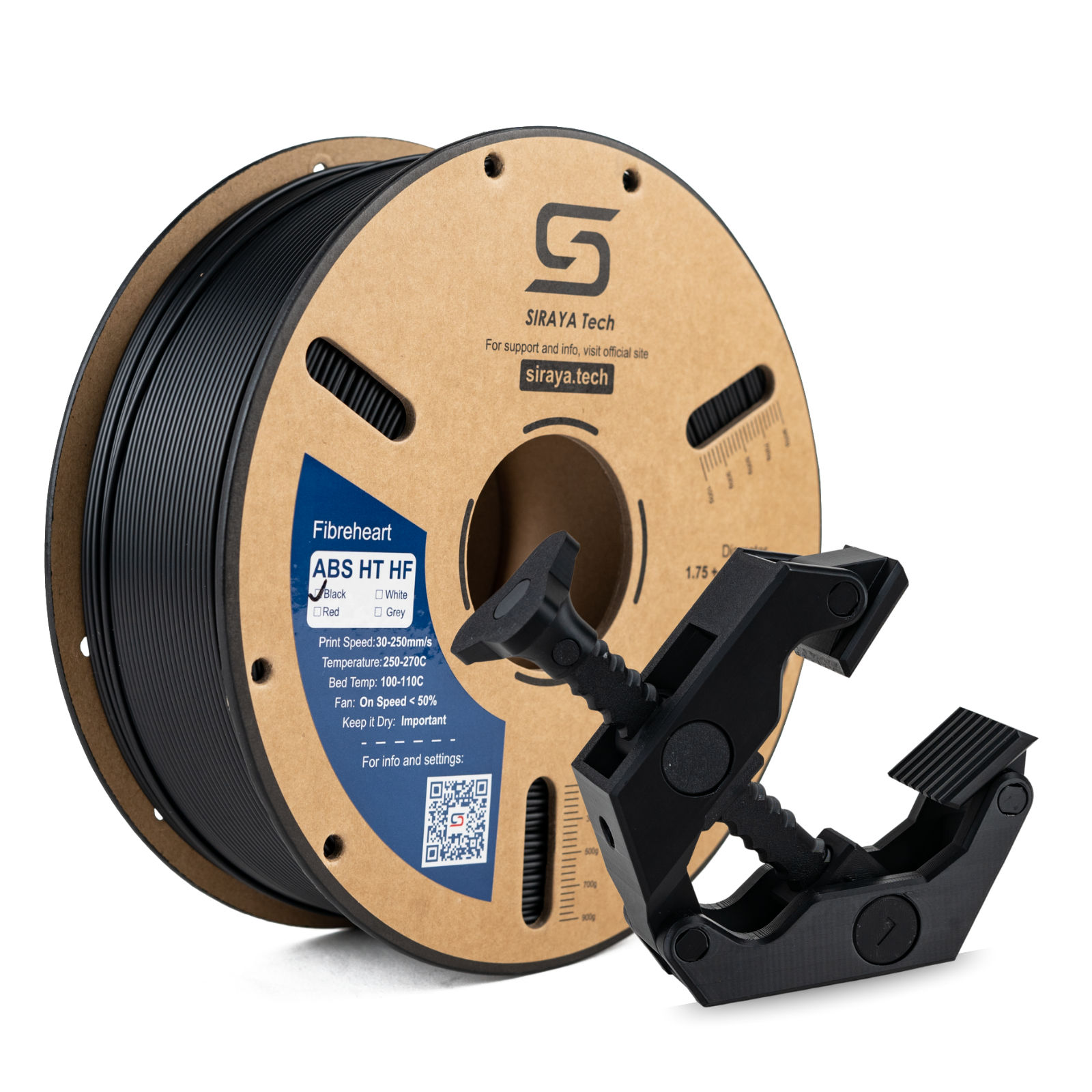
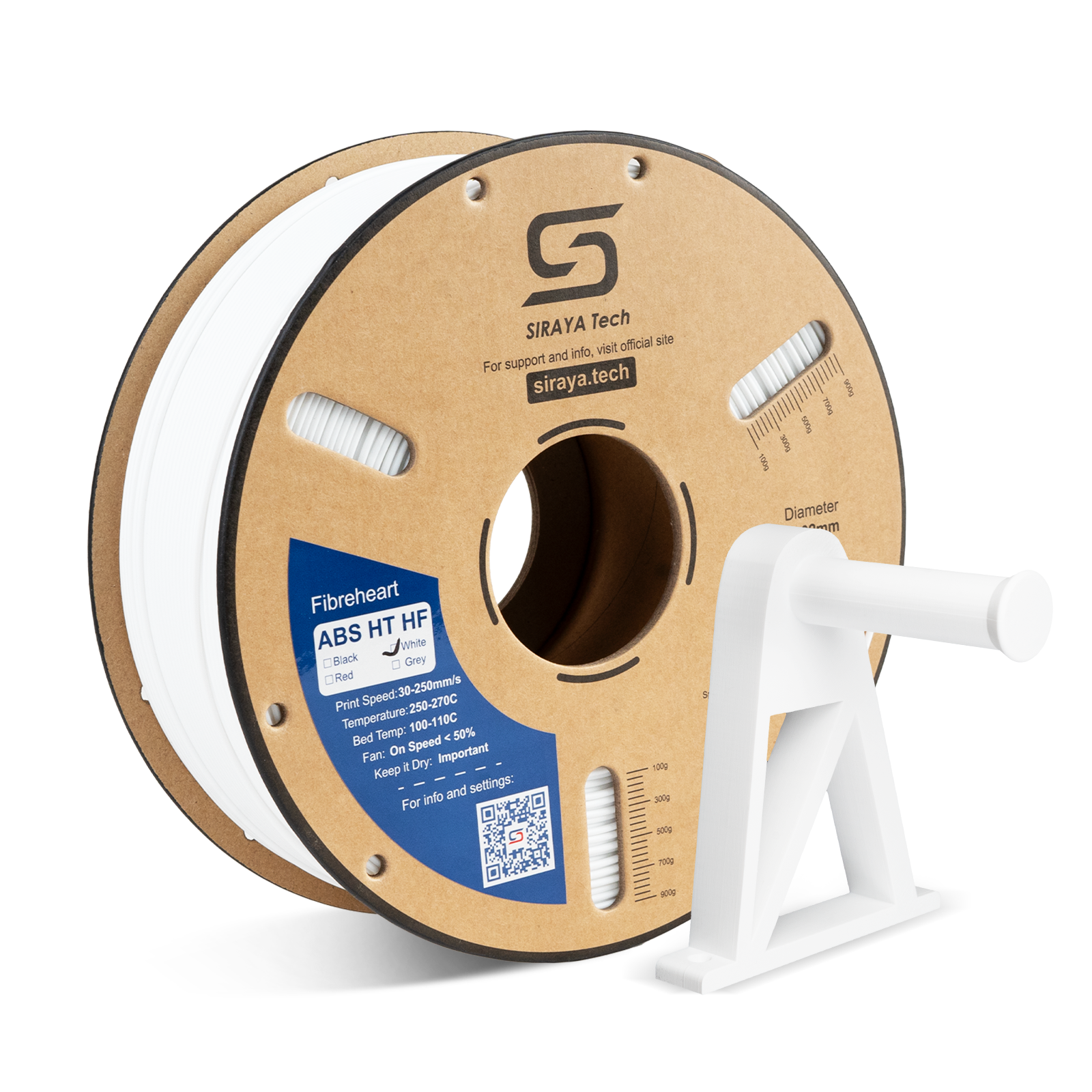
ABS for high-heat environments with an HDT performance that standard PETG can't match
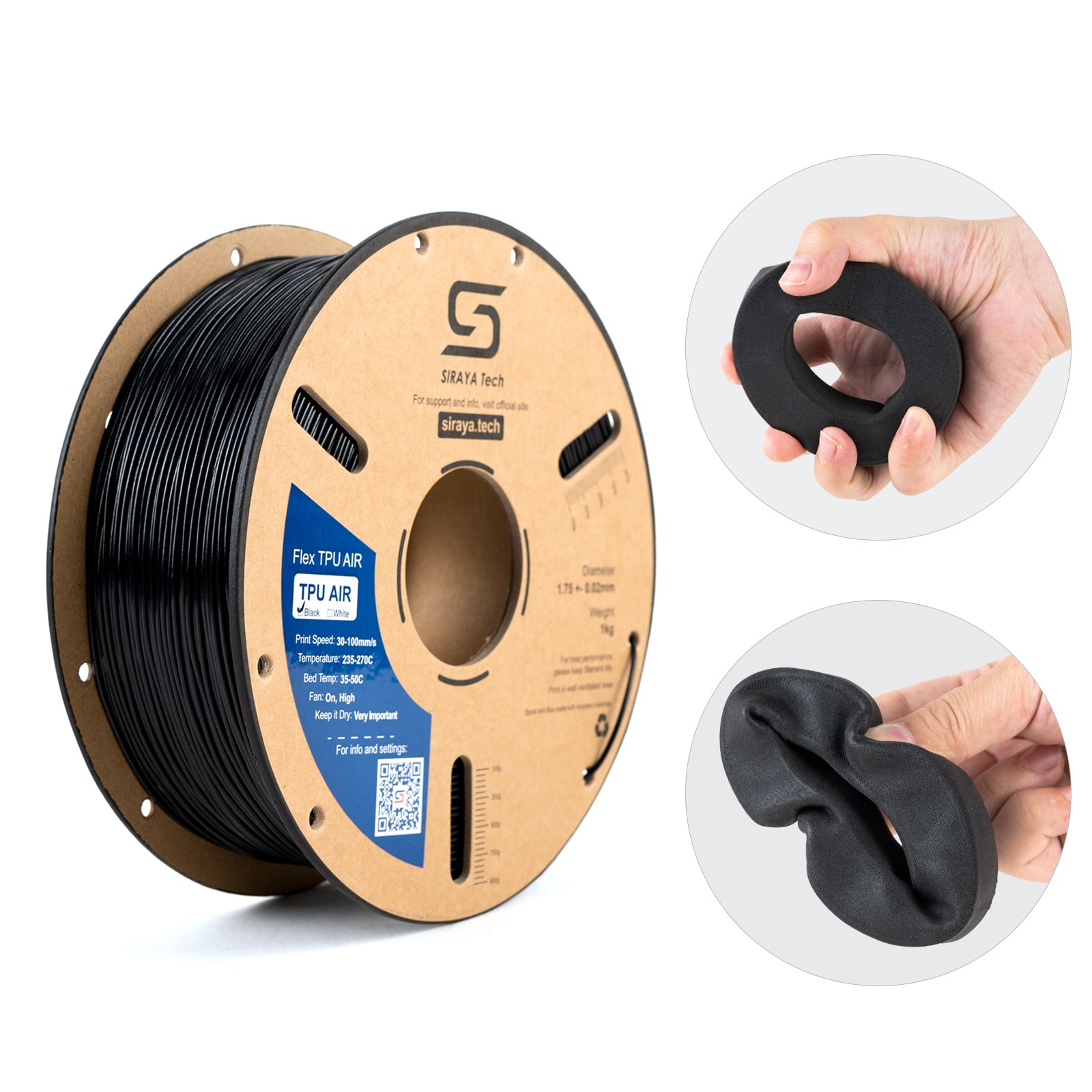
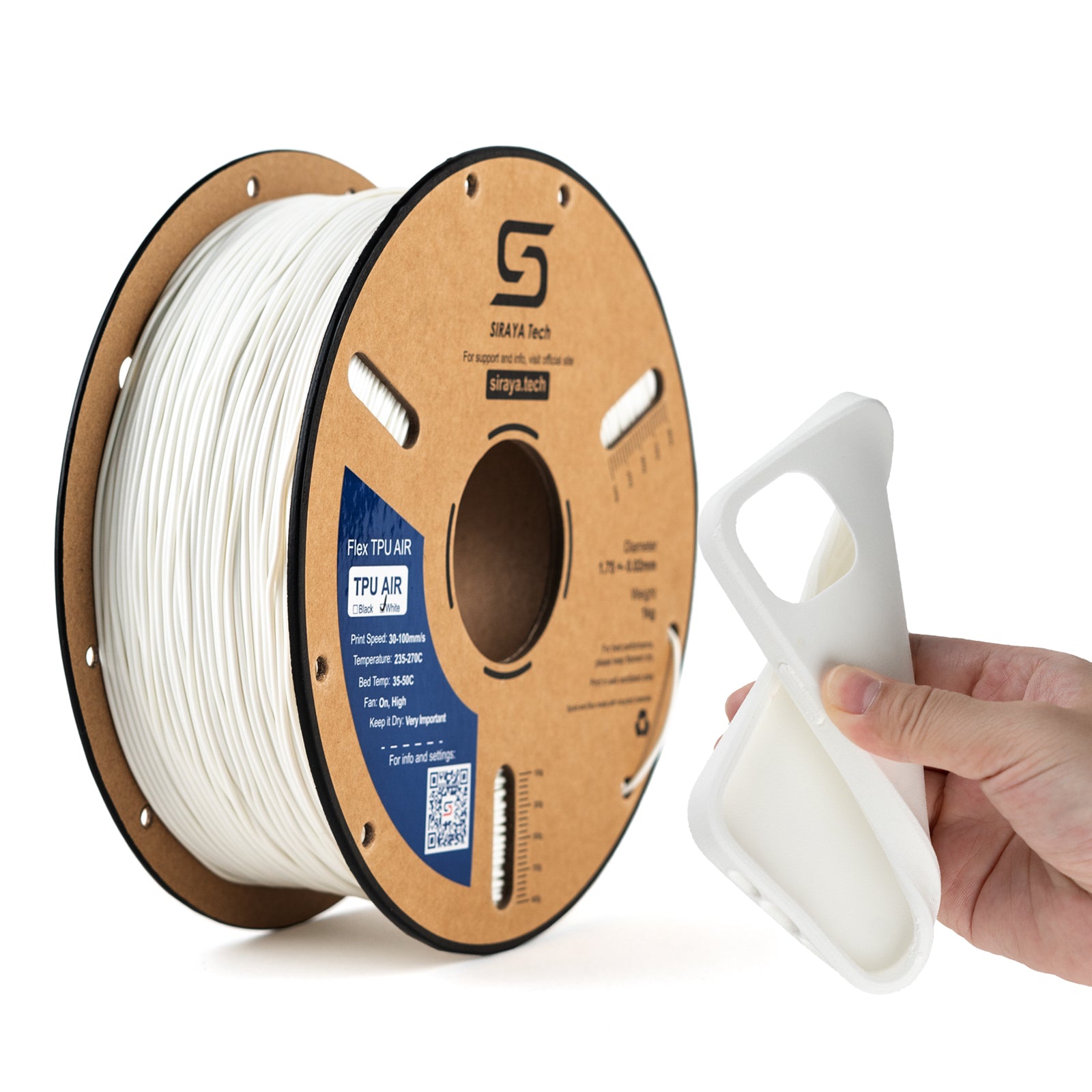
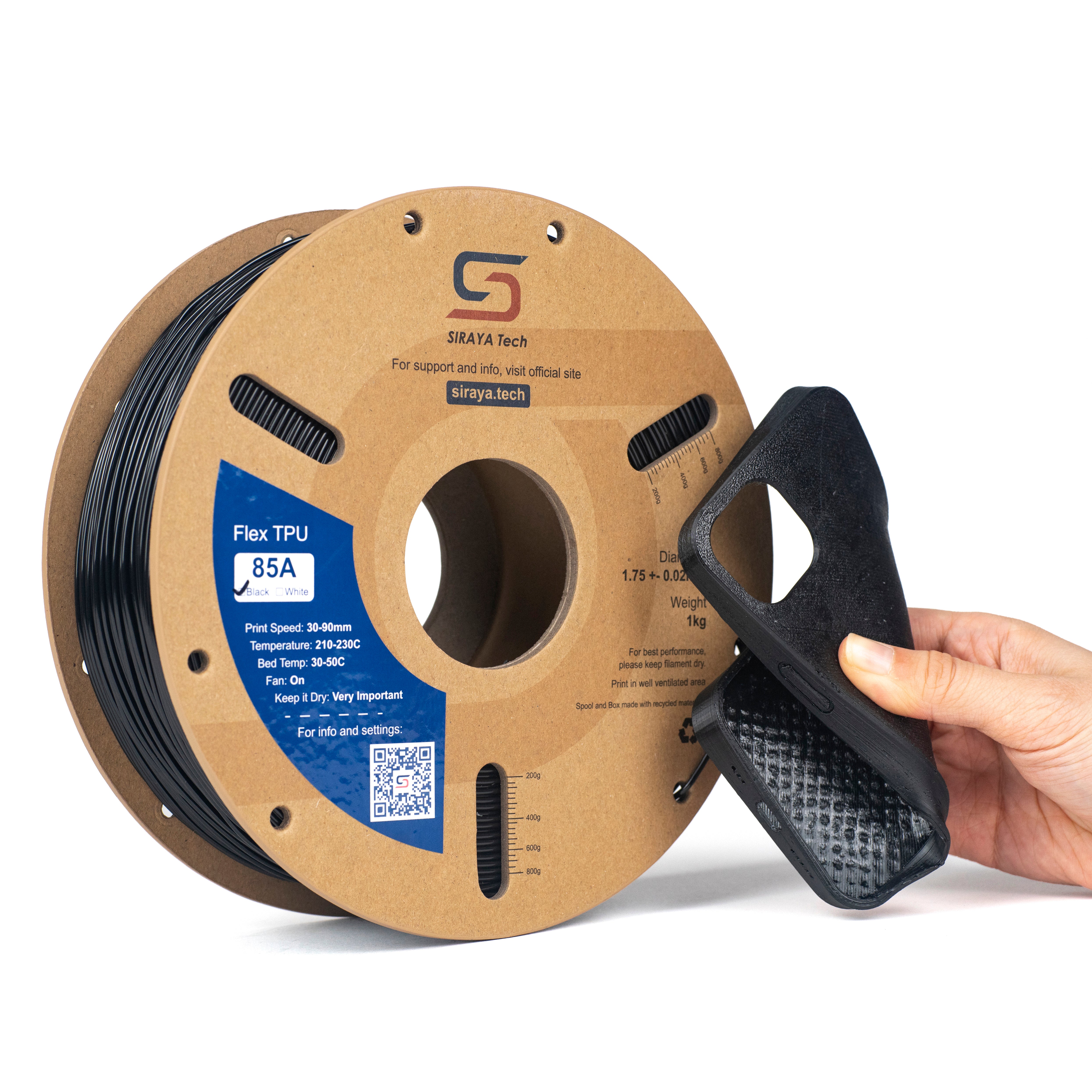
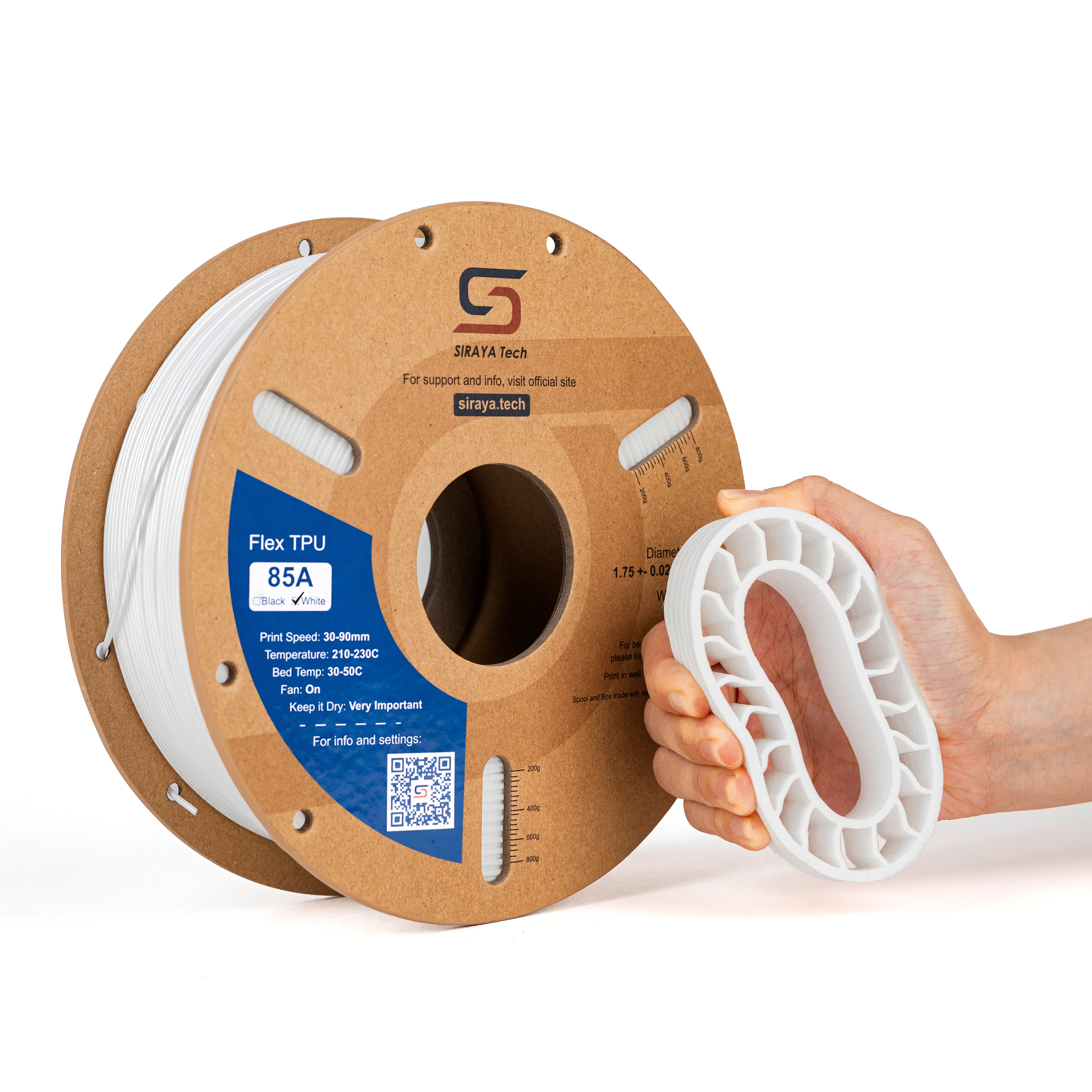
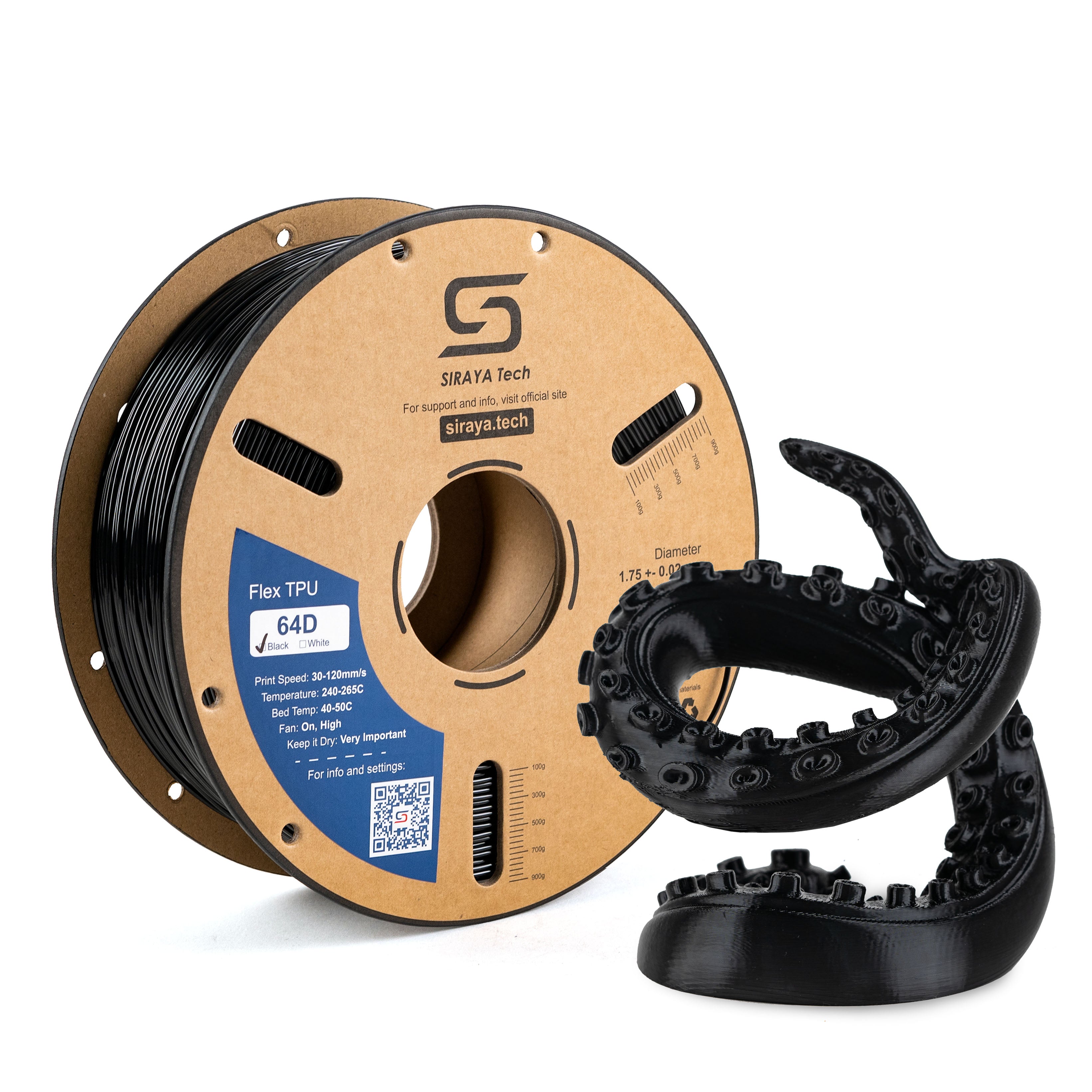
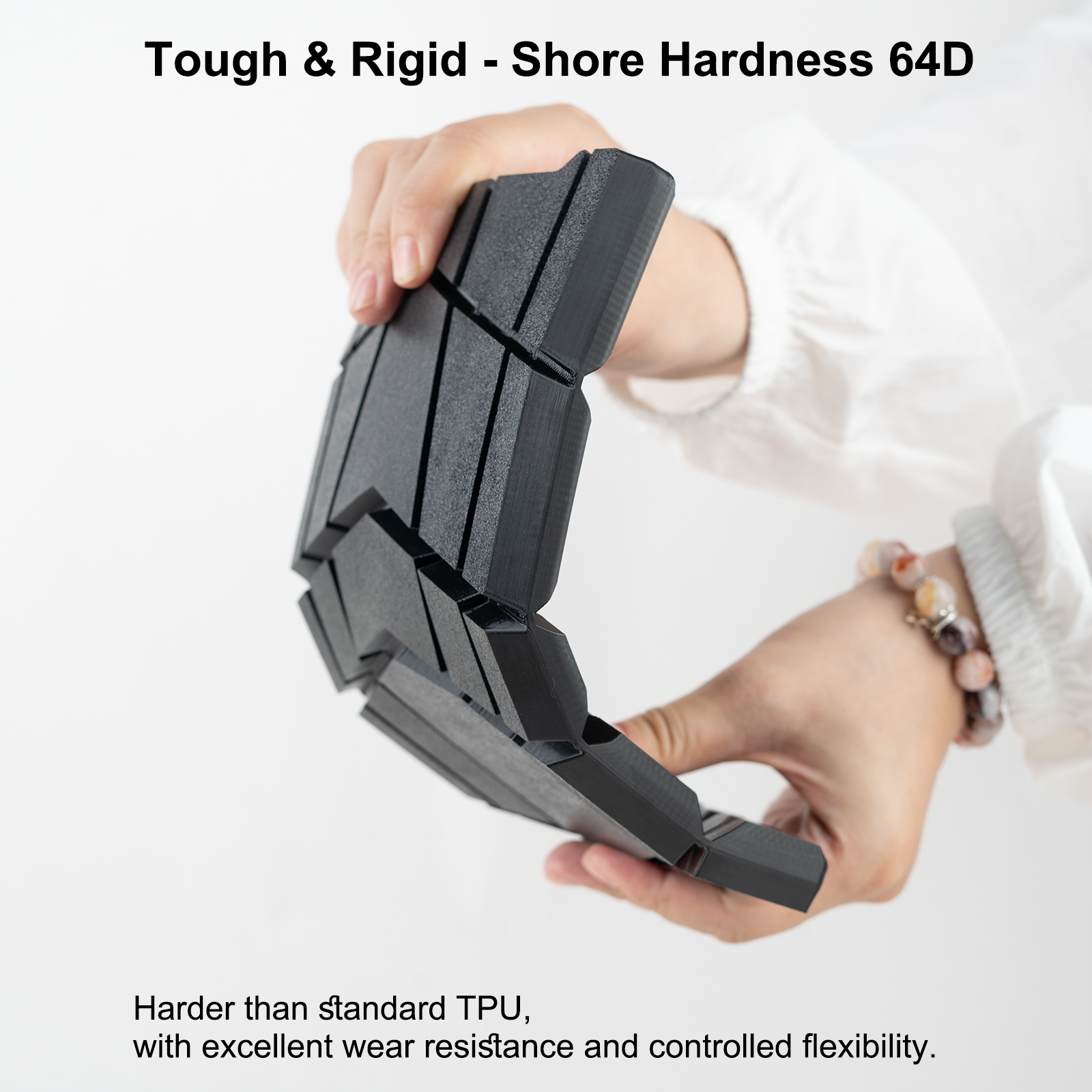
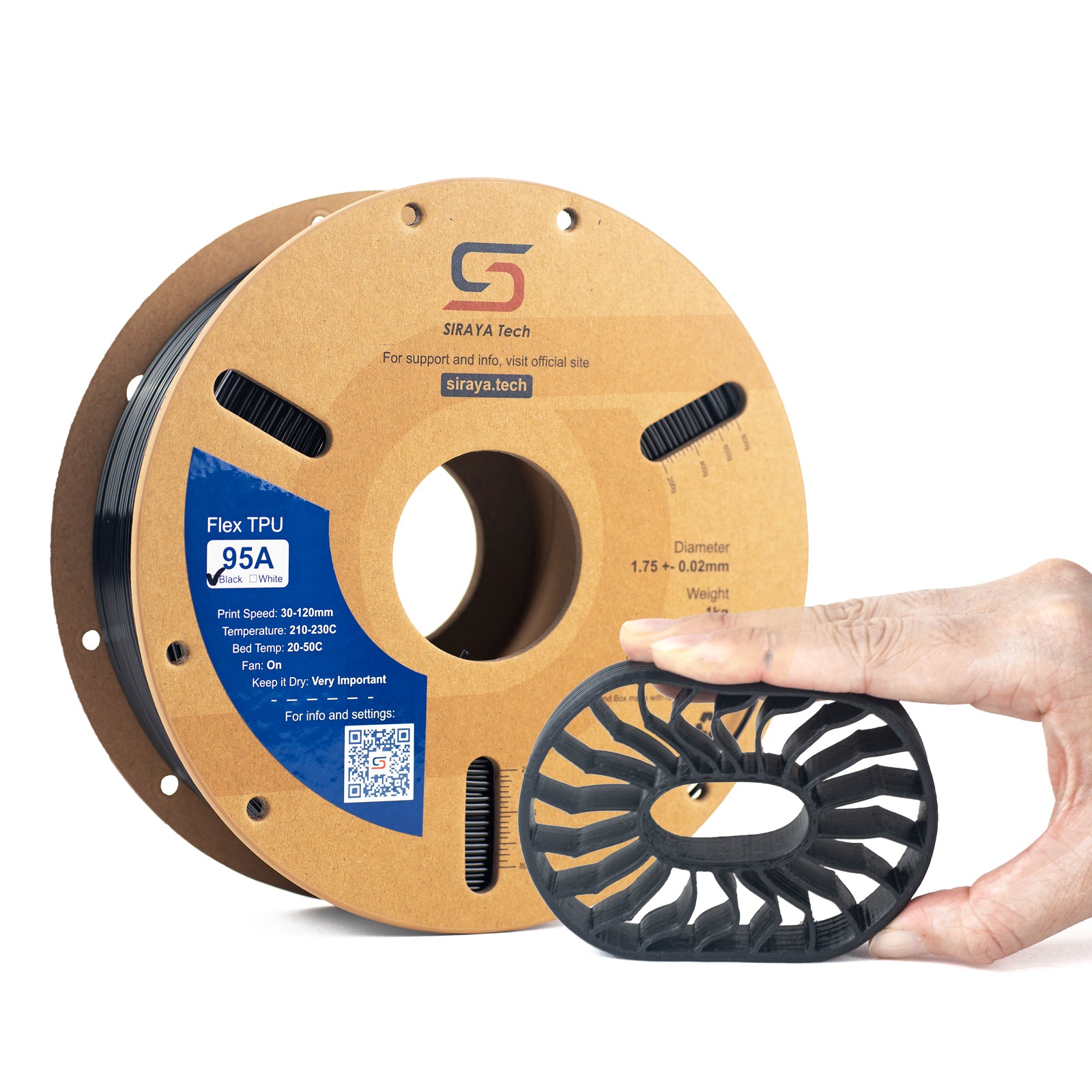
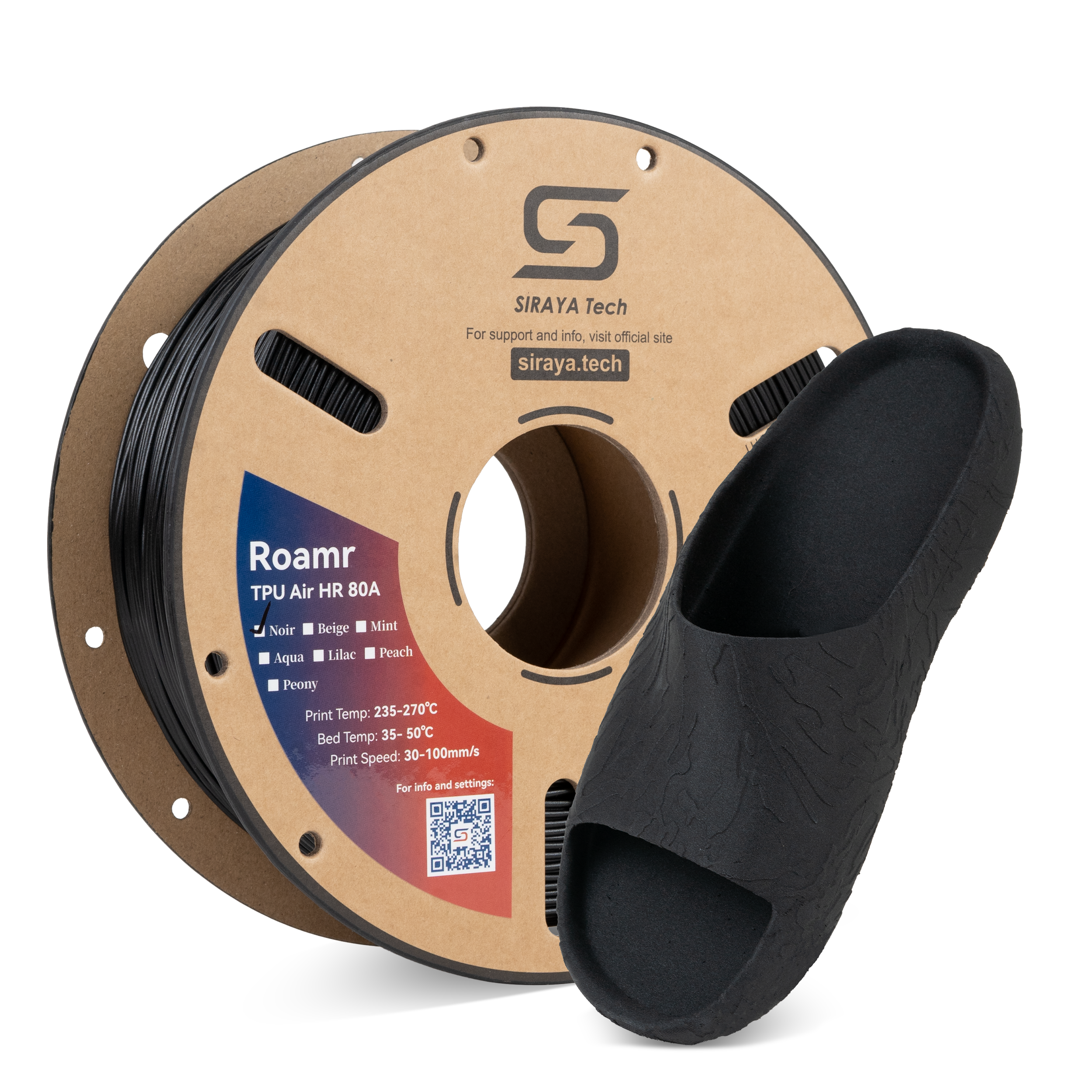
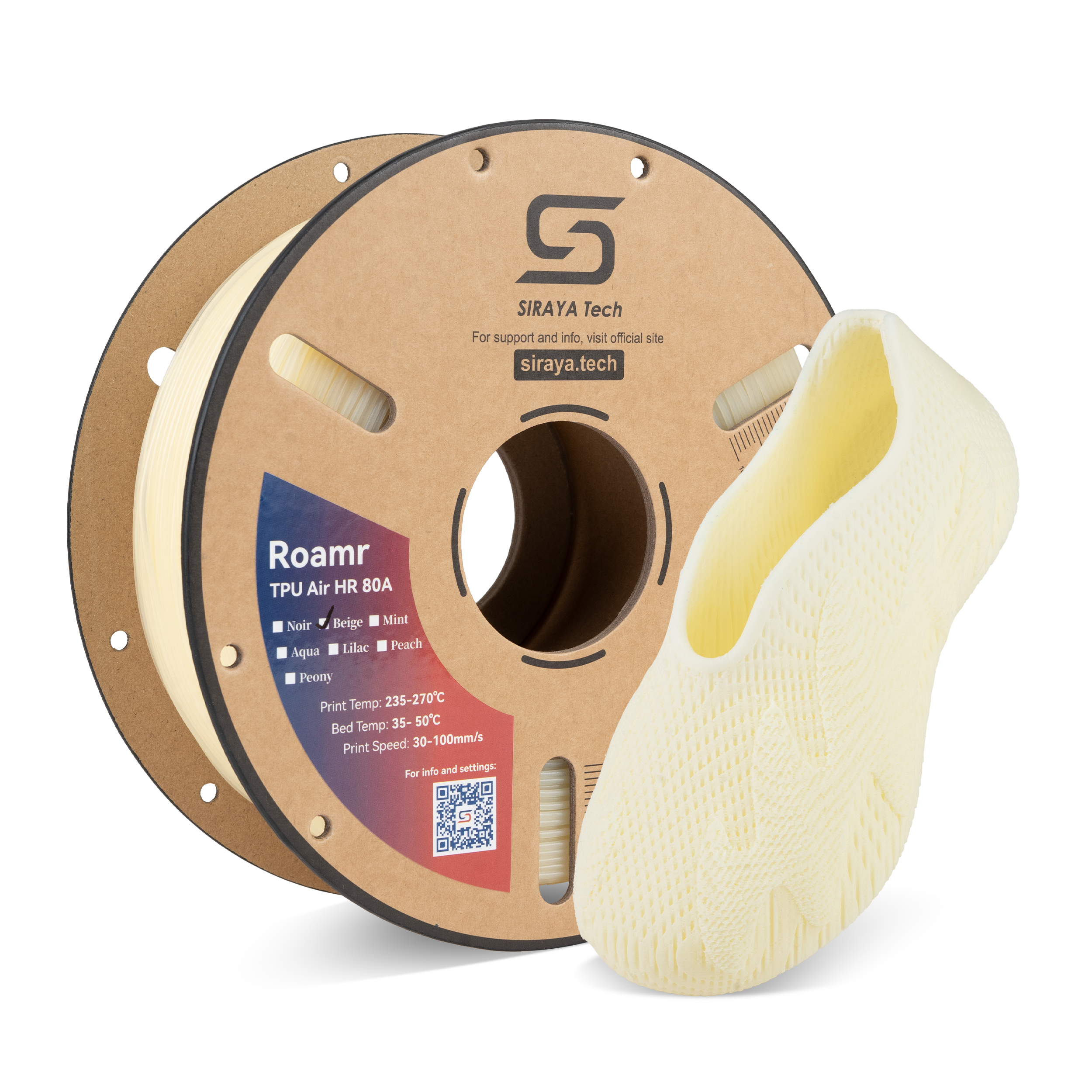
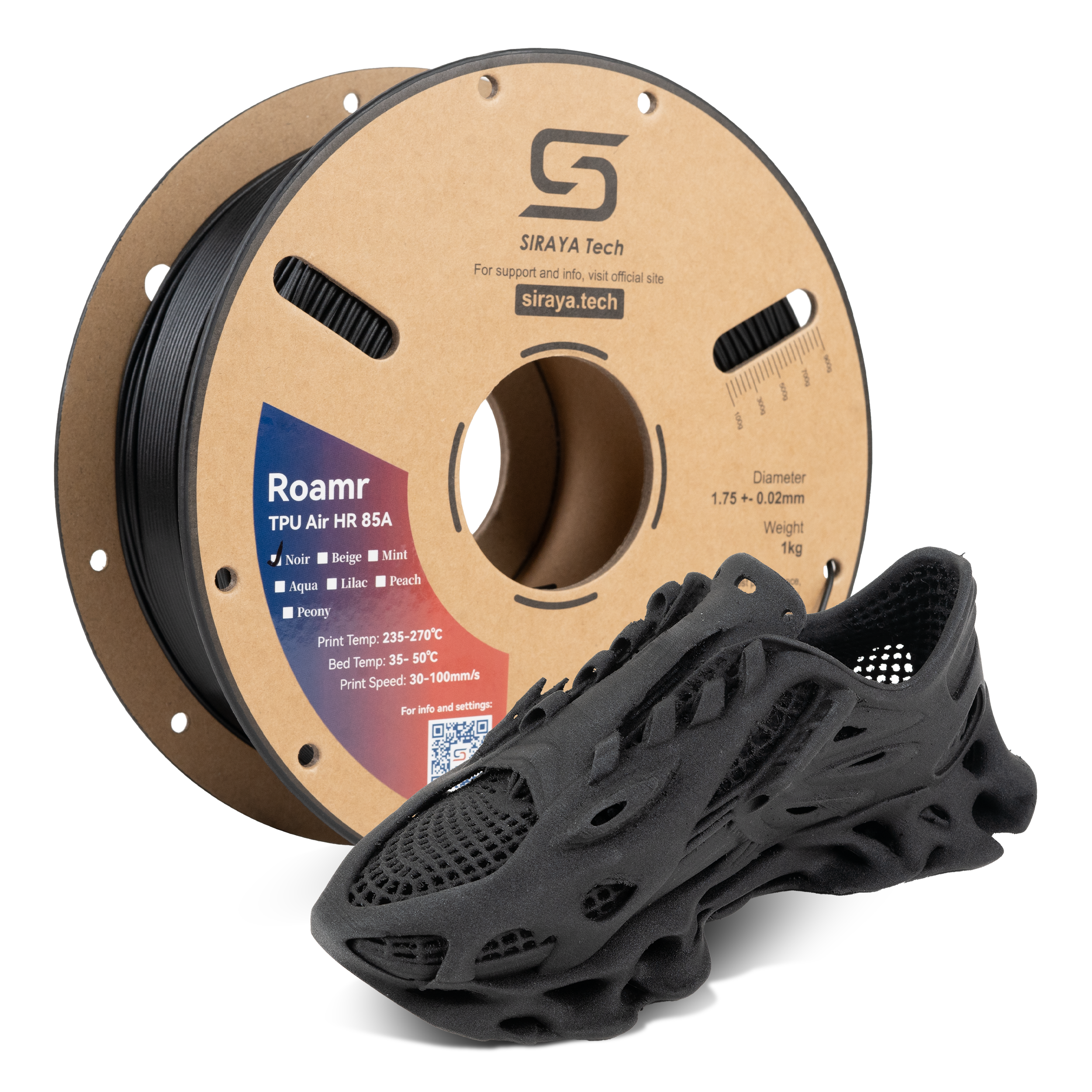
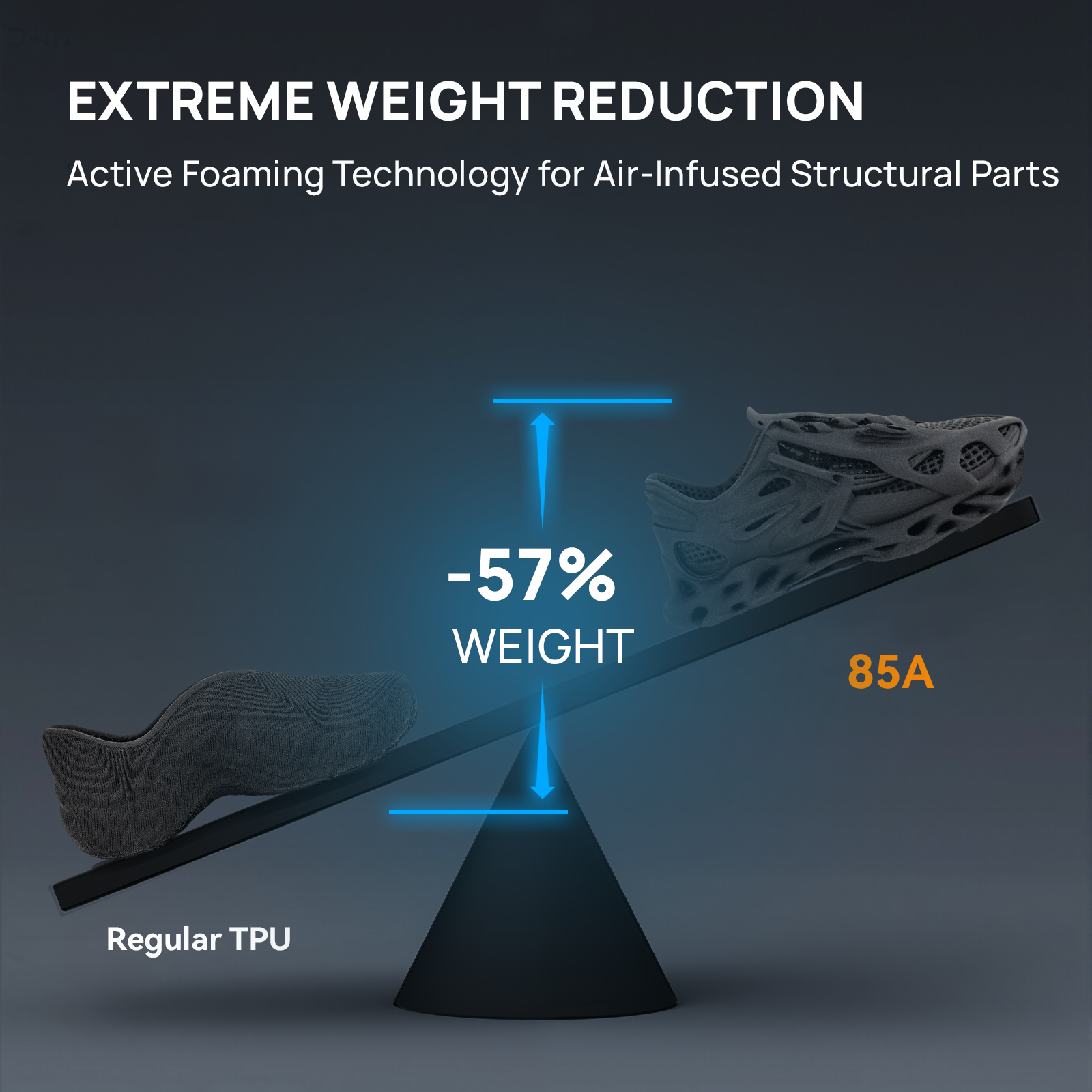
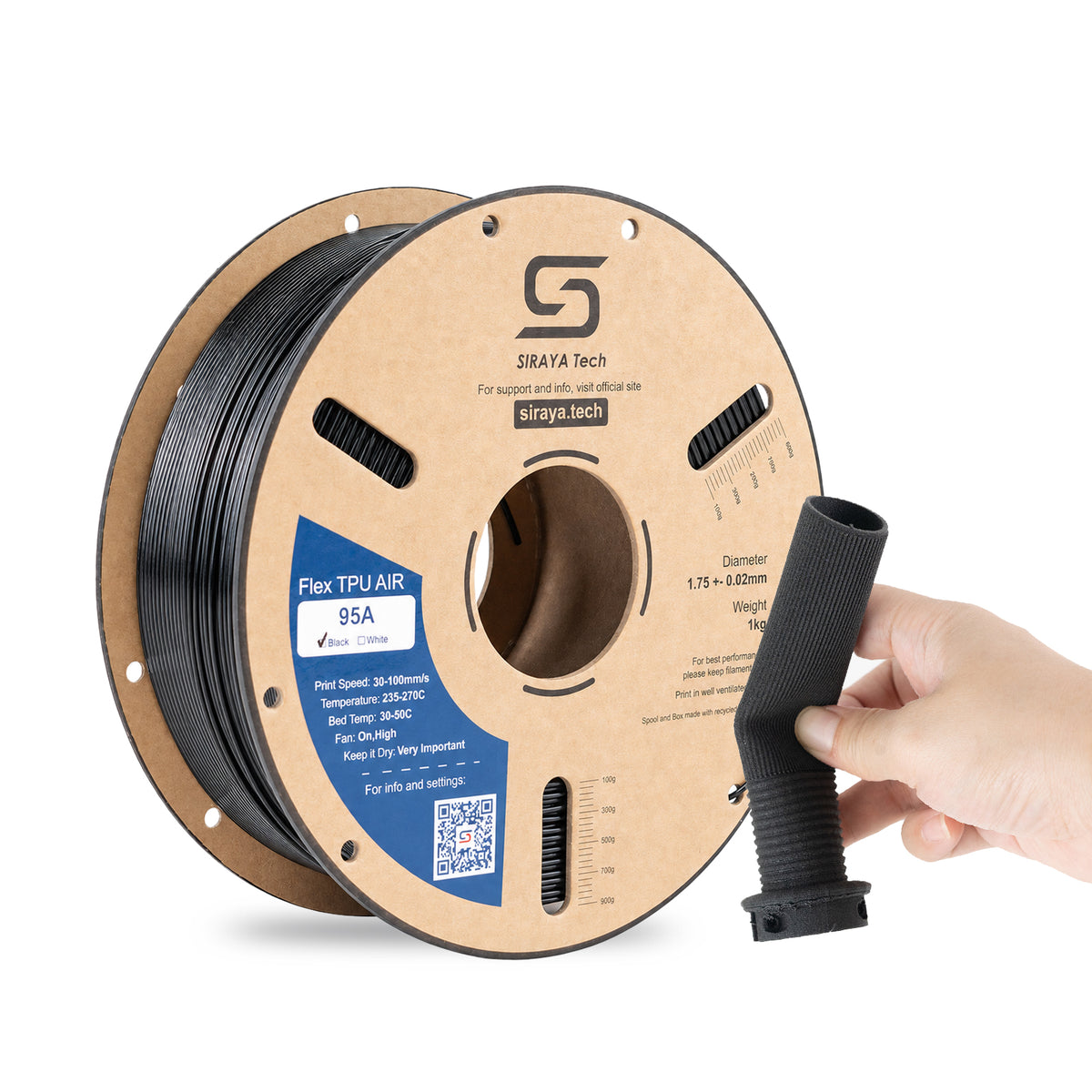
TPU for flexible, impact-absorbing components in 64D and 80A hardness options
PPA-CF and ASA-GF for demanding industrial and outdoor applications
Your next project deserves the right material — explore matte ABS filament
Consistent 1.75 mm Filament Your Slicer Settings Can Rely On
Dialing in your slicer settings takes time, and nothing wastes that effort faster than inconsistent filament quality. Every Siraya Tech spool goes through strict quality control so the settings that worked perfectly on your last spool work just as well on the next one.
Vacuum-sealed packaging with silica desiccant for moisture-free delivery
Color and diameter consistency maintained across production batches
Resealable storage bag included to keep filament dry between uses
Detailed print settings reference included for each filament type
Carbon fiber PETG options print up to 2x faster than standard PETG without quality loss
The Ender 3 V3 works well with PLA, PETG, and ABS thanks to its all-metal hotend and high-temperature capability. Siraya Tech's Fibreheart PETG-CF Pro is a strong choice for functional parts, combining easy printing with carbon fiber reinforced stiffness and a professional matte finish. For flexible components, Siraya Tech's TPU options give you impact resistance and durability without sacrificing printability.
Is PETG better than ABS?
PETG is easier to work with for most people since it doesn't warp as aggressively, doesn't need an enclosure, and produces fewer fumes during printing. ABS offers a higher heat deflection temperature and responds well to acetone smoothing for a polished finish. For everyday functional prints, PETG is the more practical choice — ABS makes more sense when parts need to handle temperatures above 85°C or require post-processing.
Can you use 1.75 mm filament in a 0.4 mm nozzle?
Yes, and this is actually the standard setup for most desktop FDM printers. The 1.75 mm measurement refers to the diameter of the filament going into your extruder, while the 0.4 mm measurement refers to the opening at the tip of your nozzle. They work together — the hotend melts the filament and pushes it out through the smaller nozzle orifice.
What filament does the Ender 3 V3 KE use?
The Ender 3 V3 KE uses standard 1.75 mm filament and handles PLA, PETG, and TPU well with its direct drive extruder. Its 240°C hotend covers the most common filament types without any modifications. A hotend upgrade opens up higher-temperature materials like Siraya Tech's ABS and carbon fiber reinforced options.