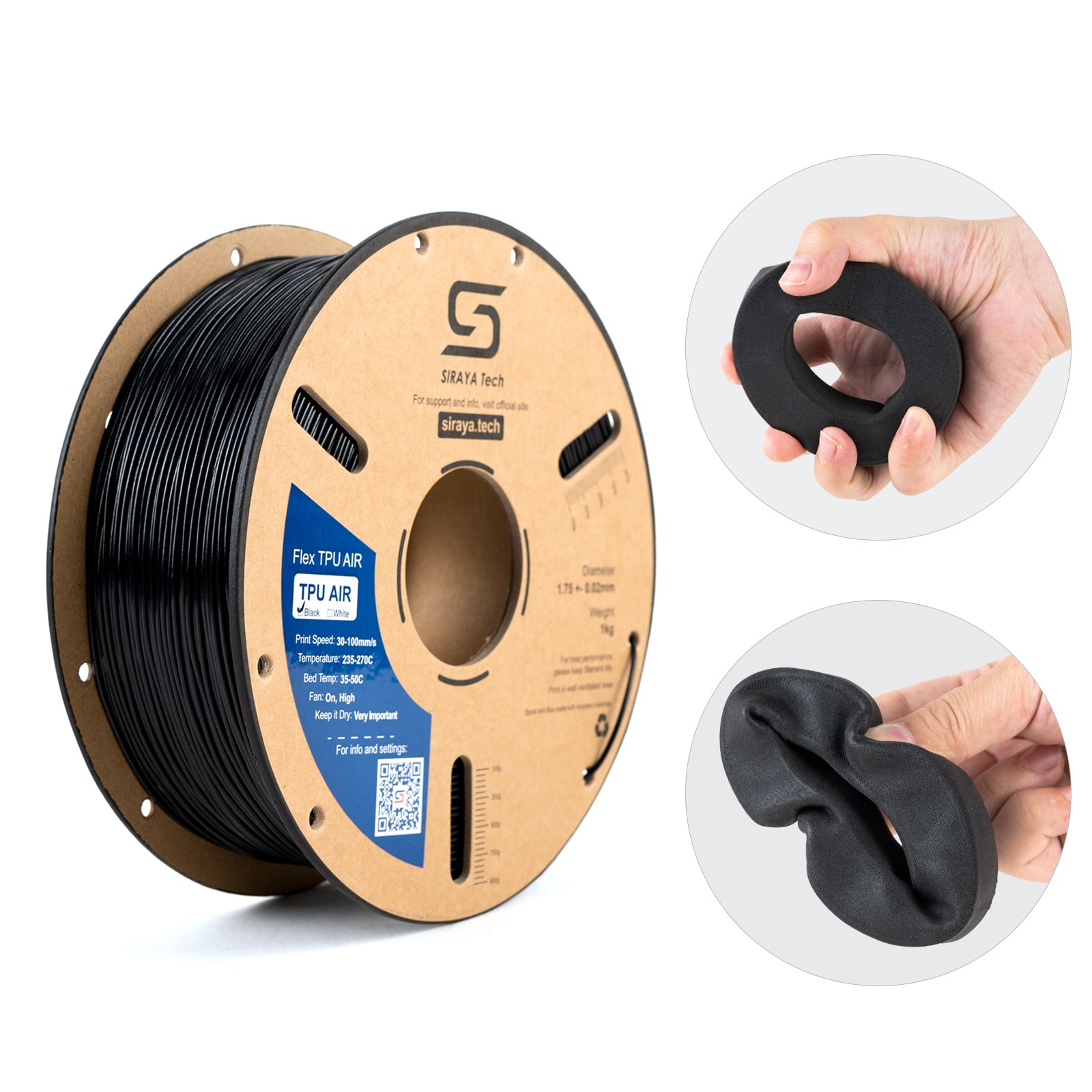
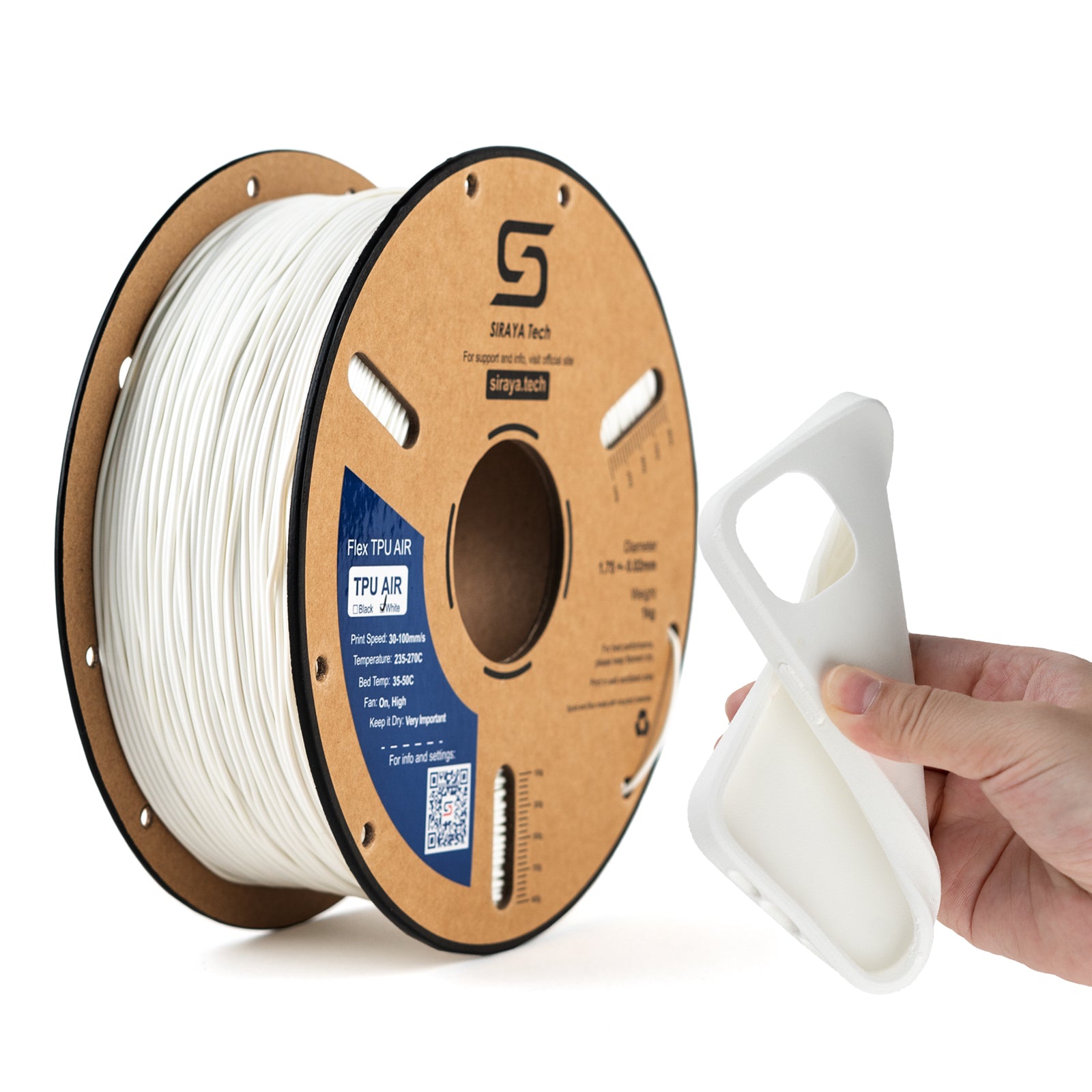
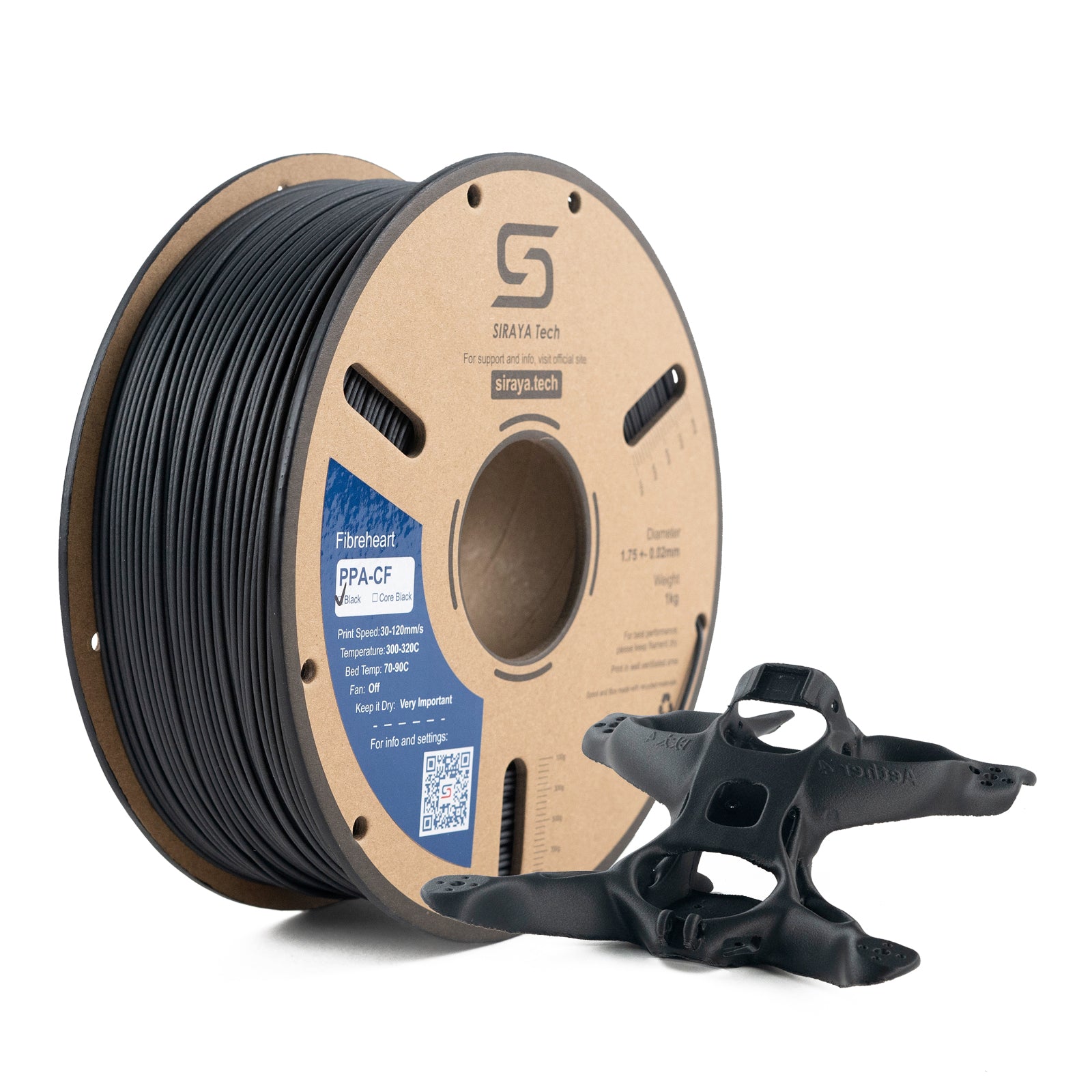
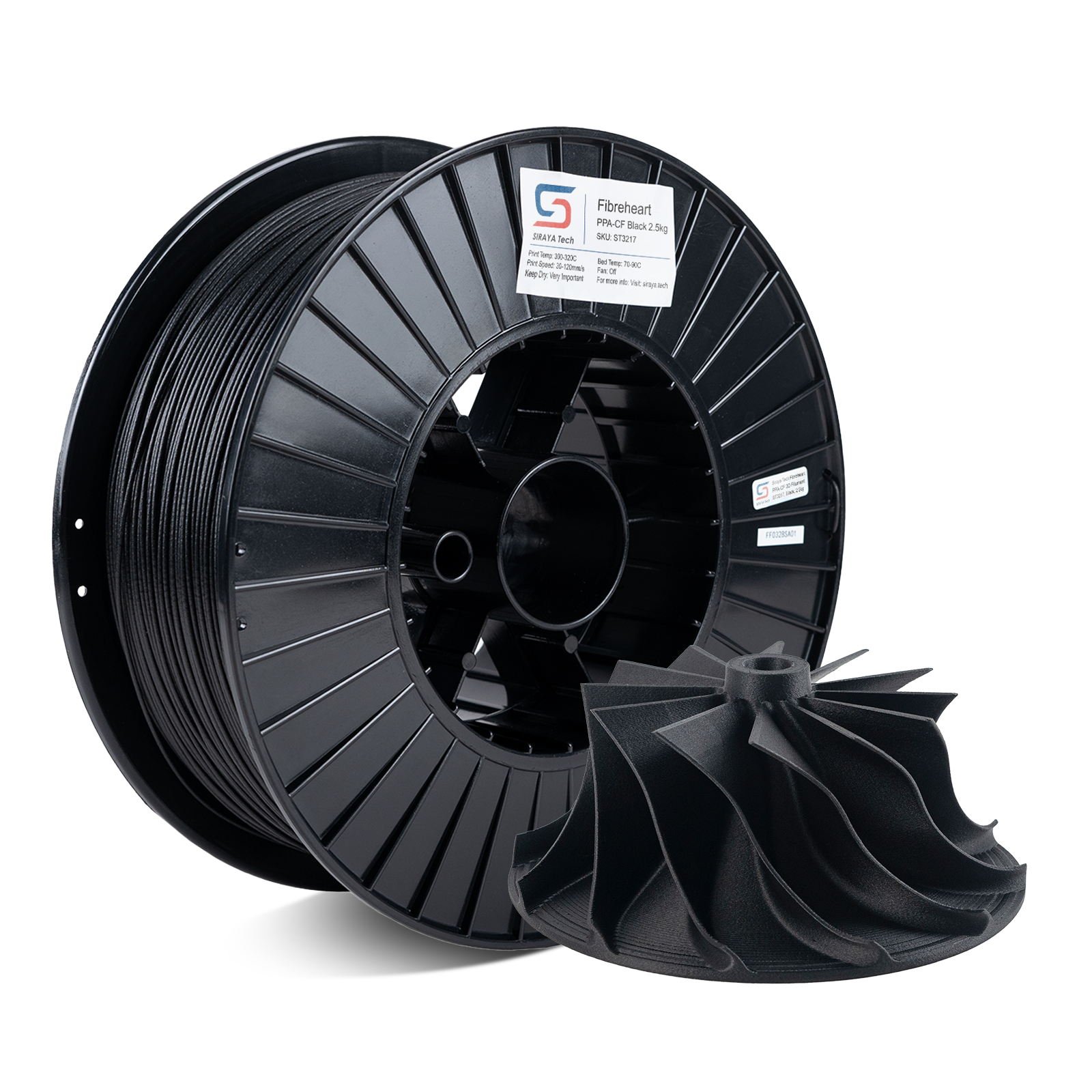
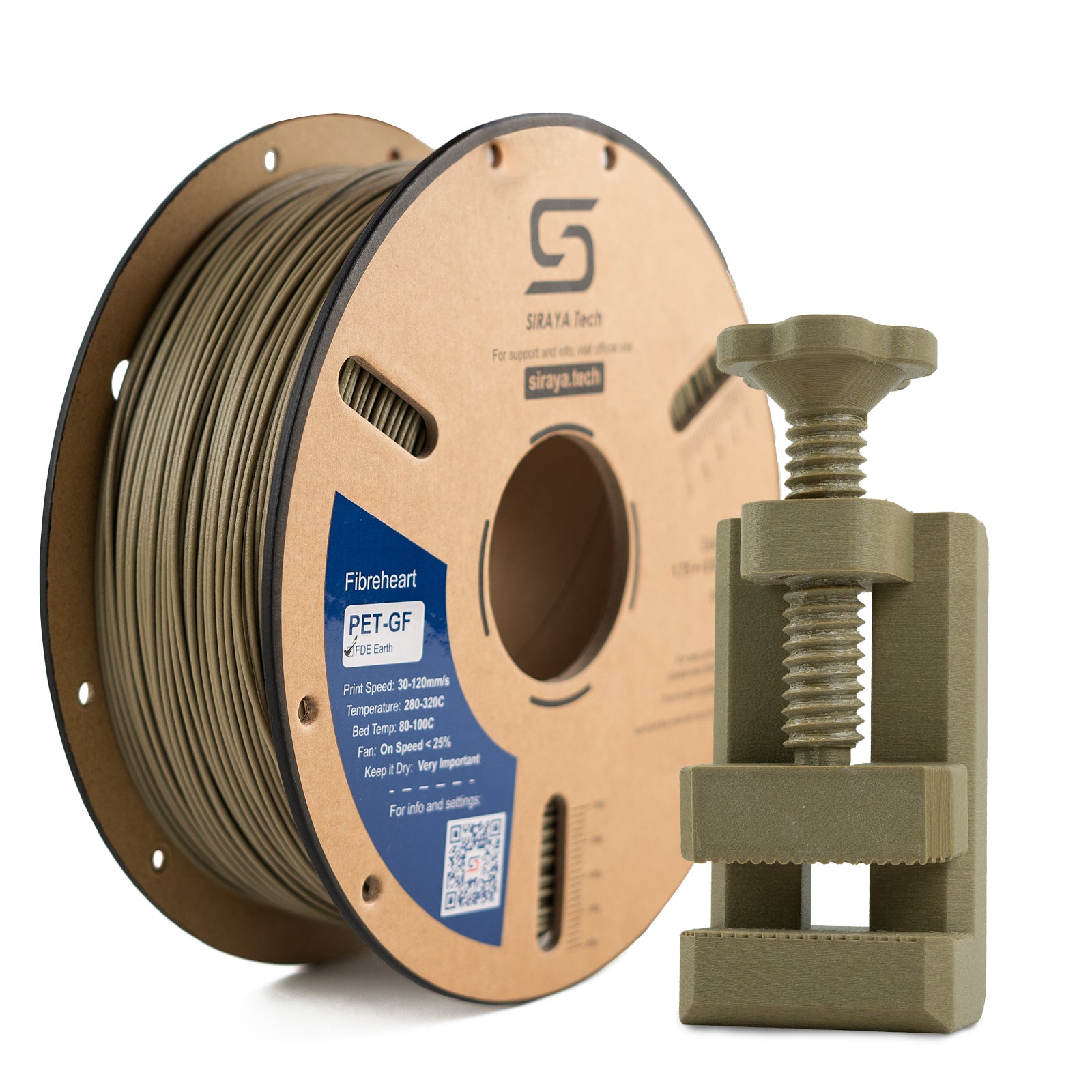
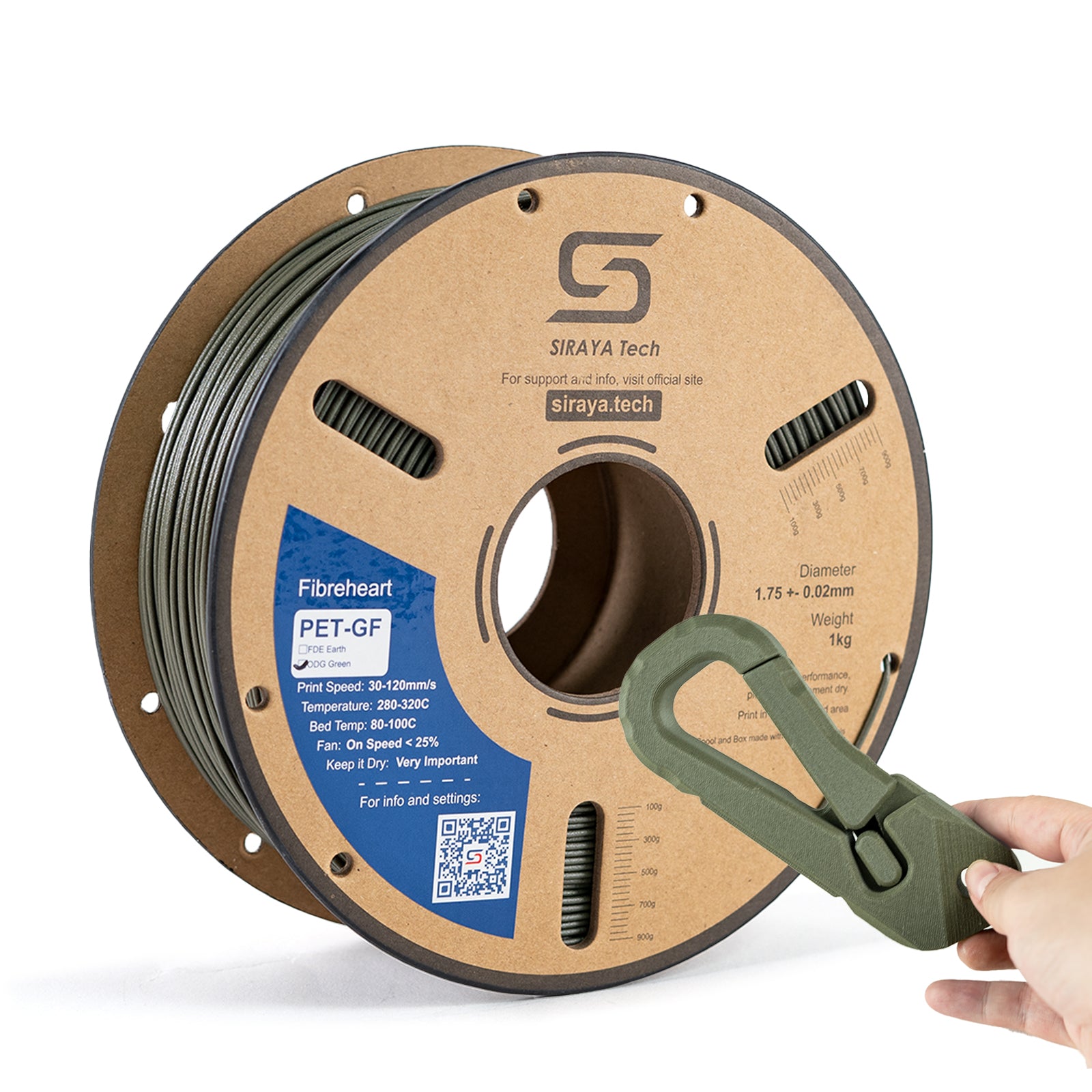
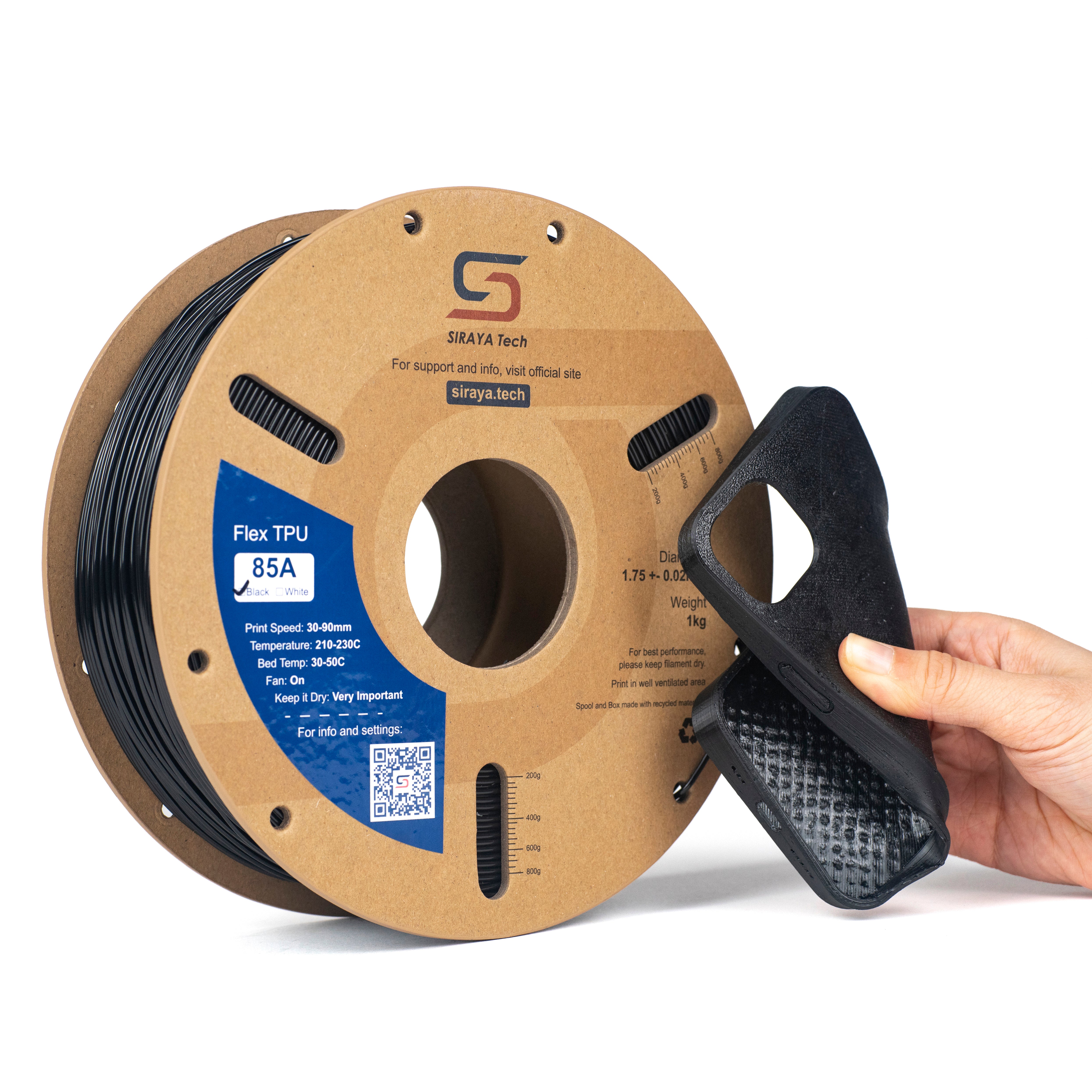
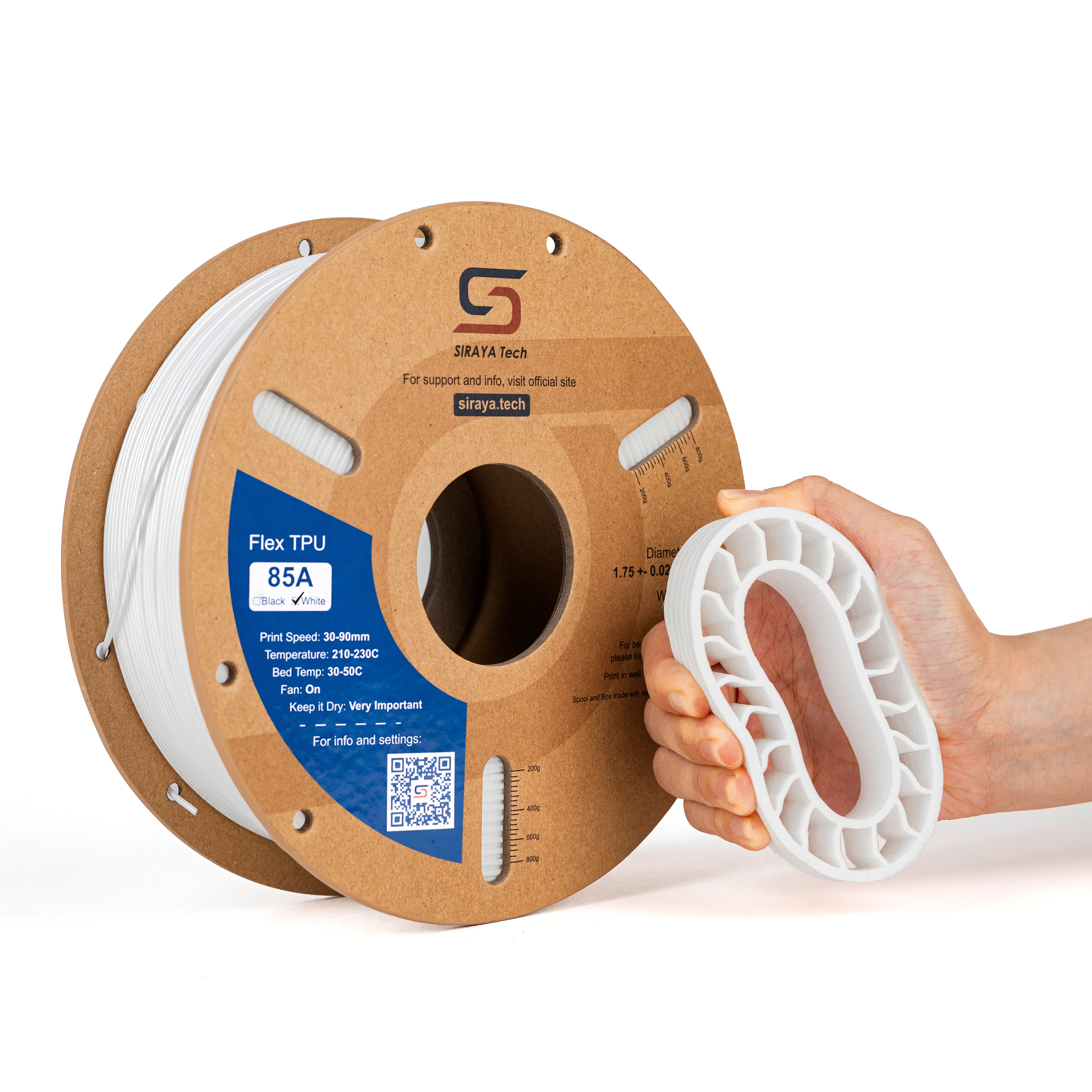
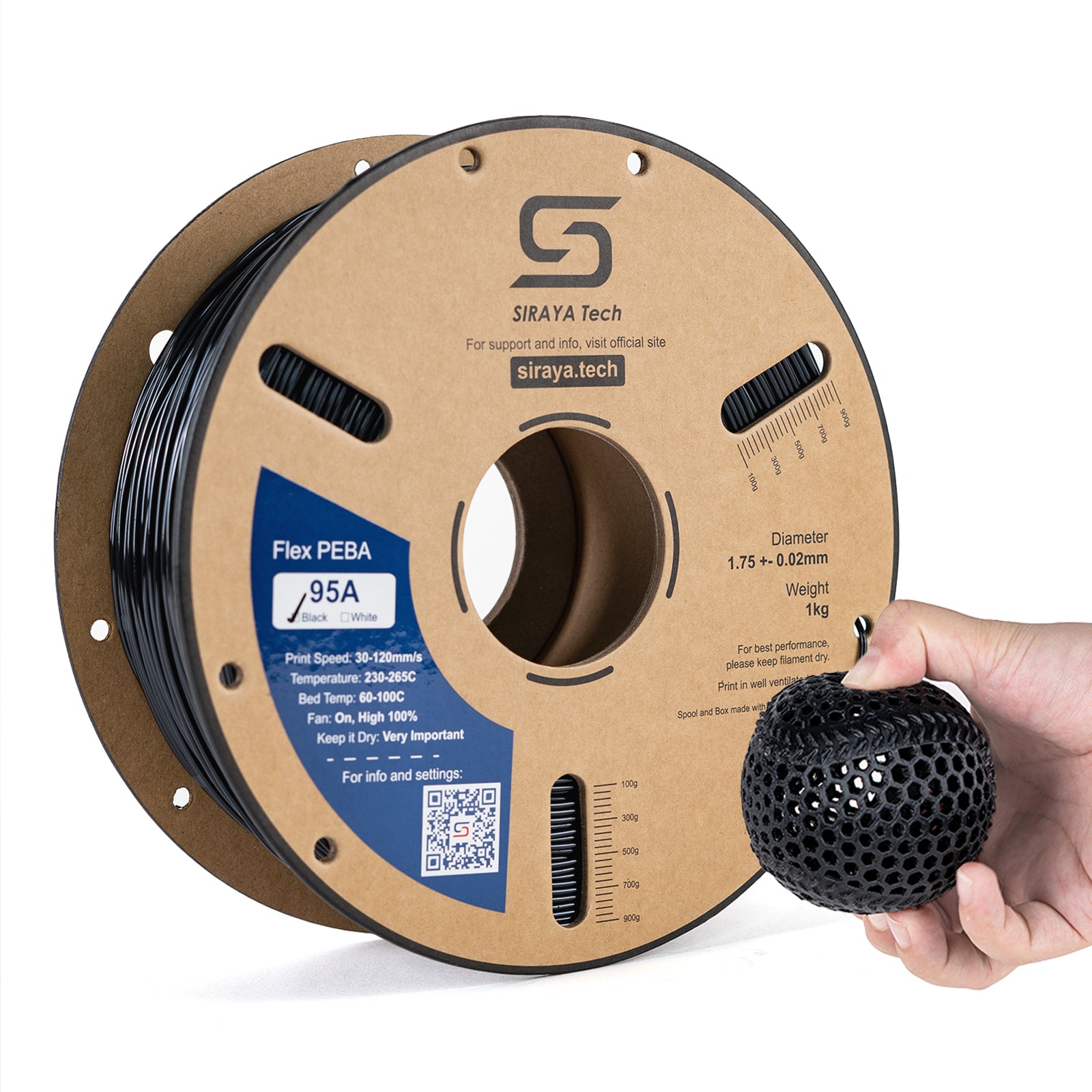
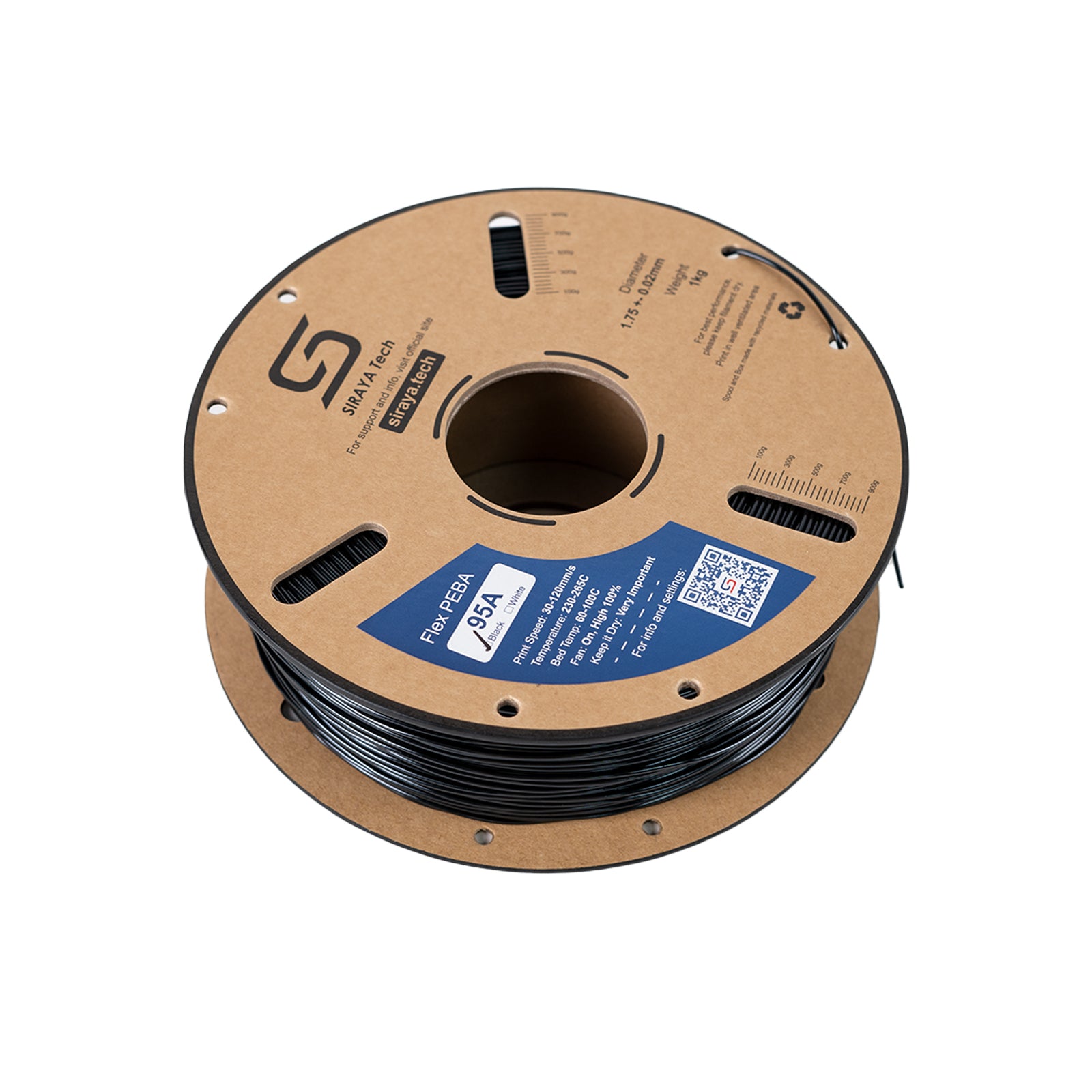
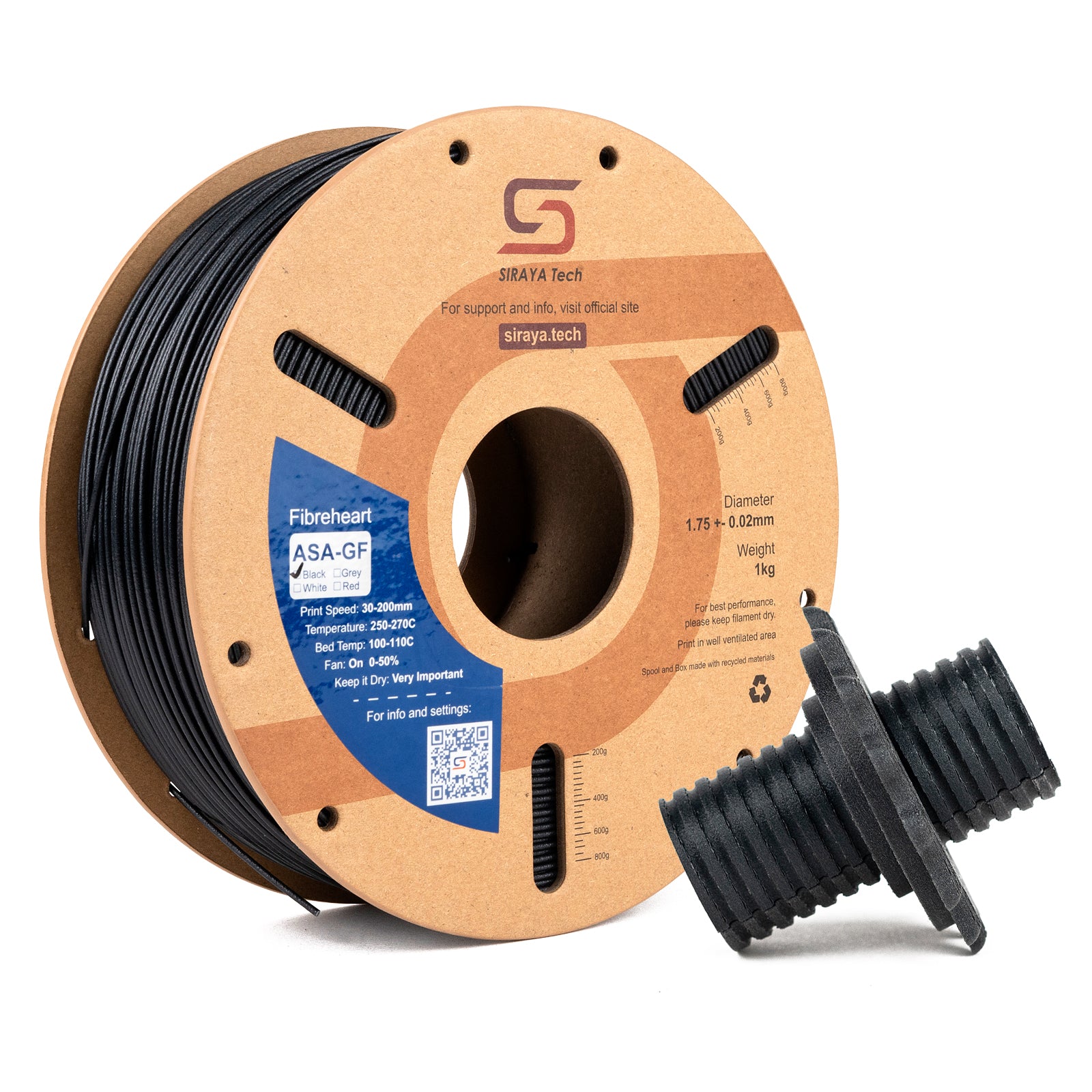
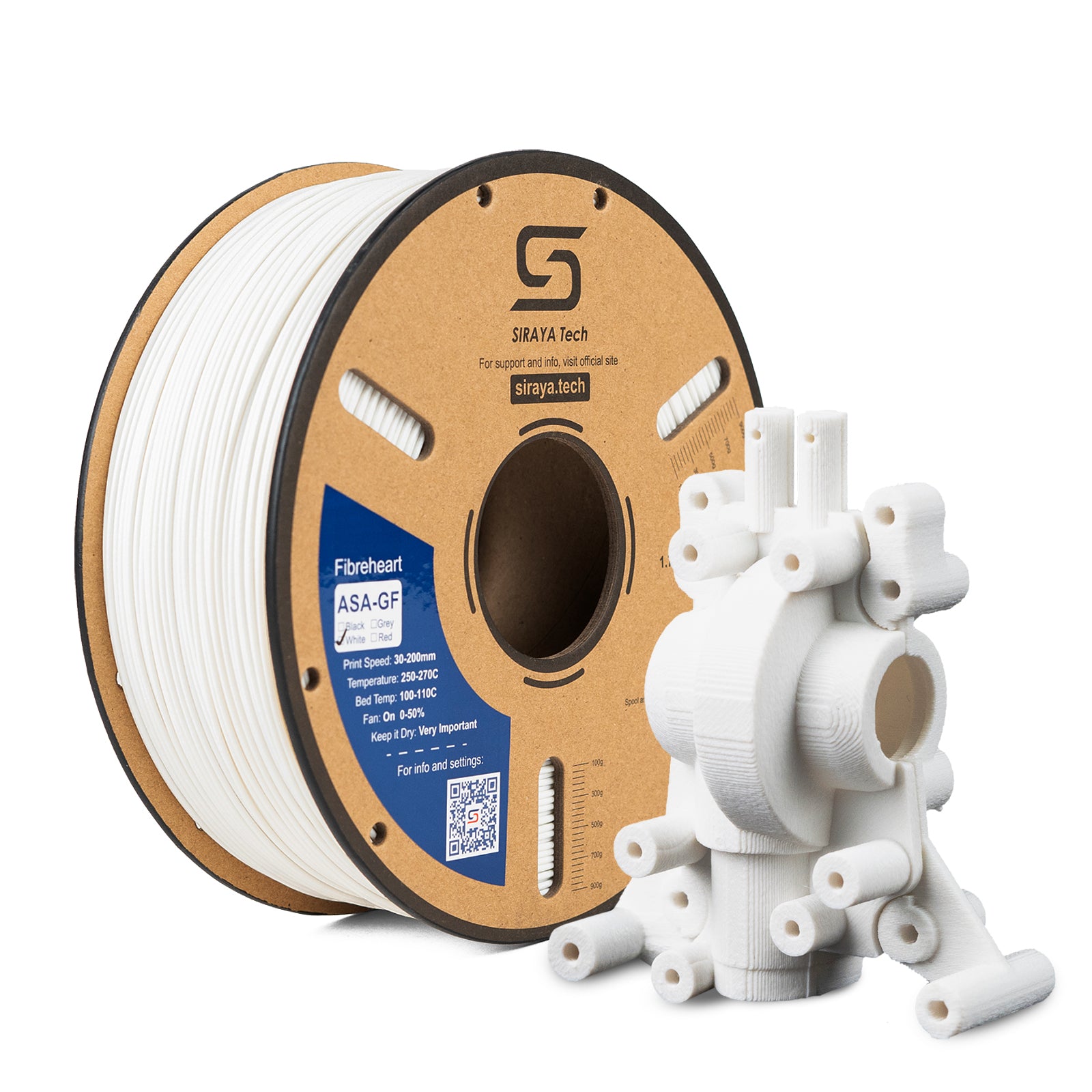
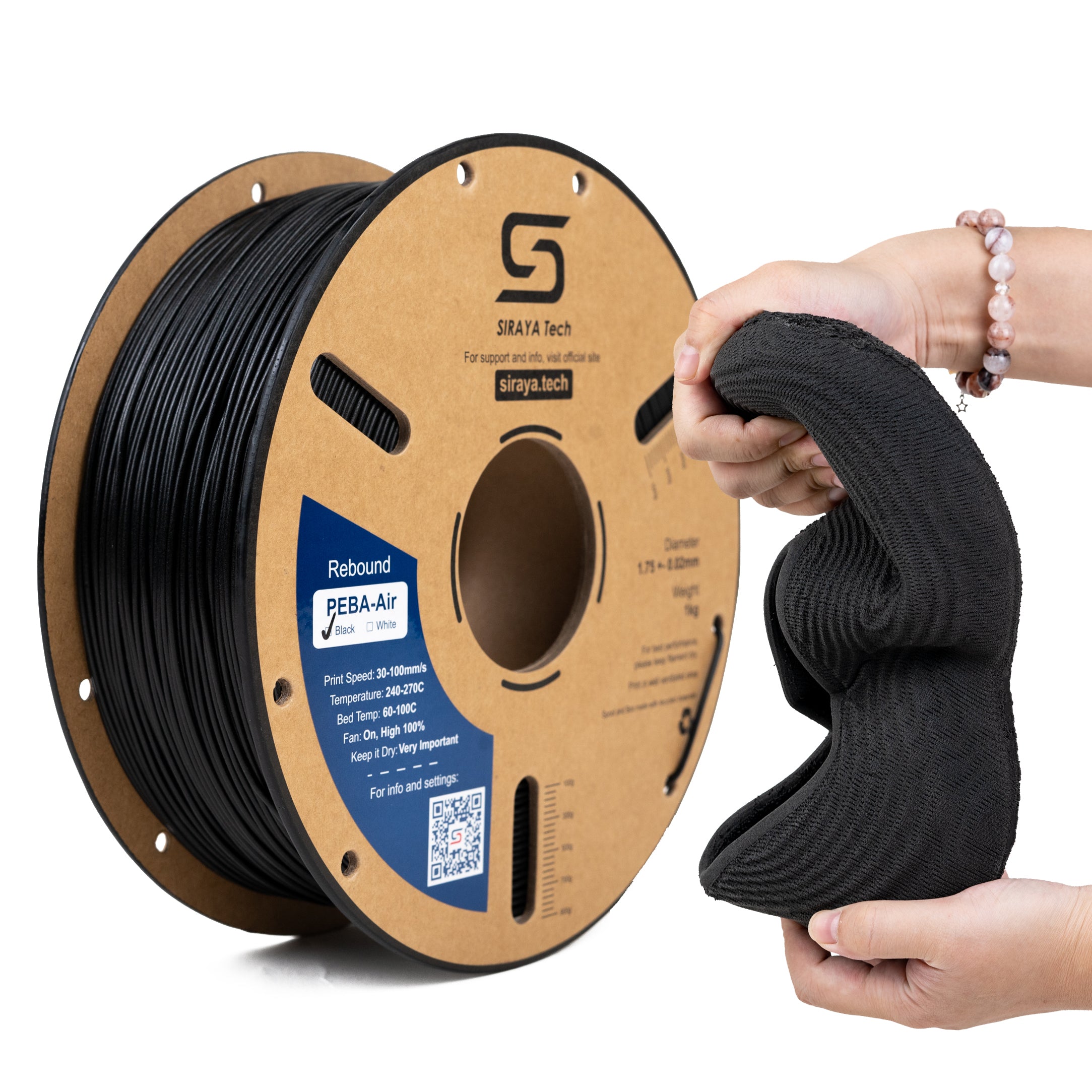
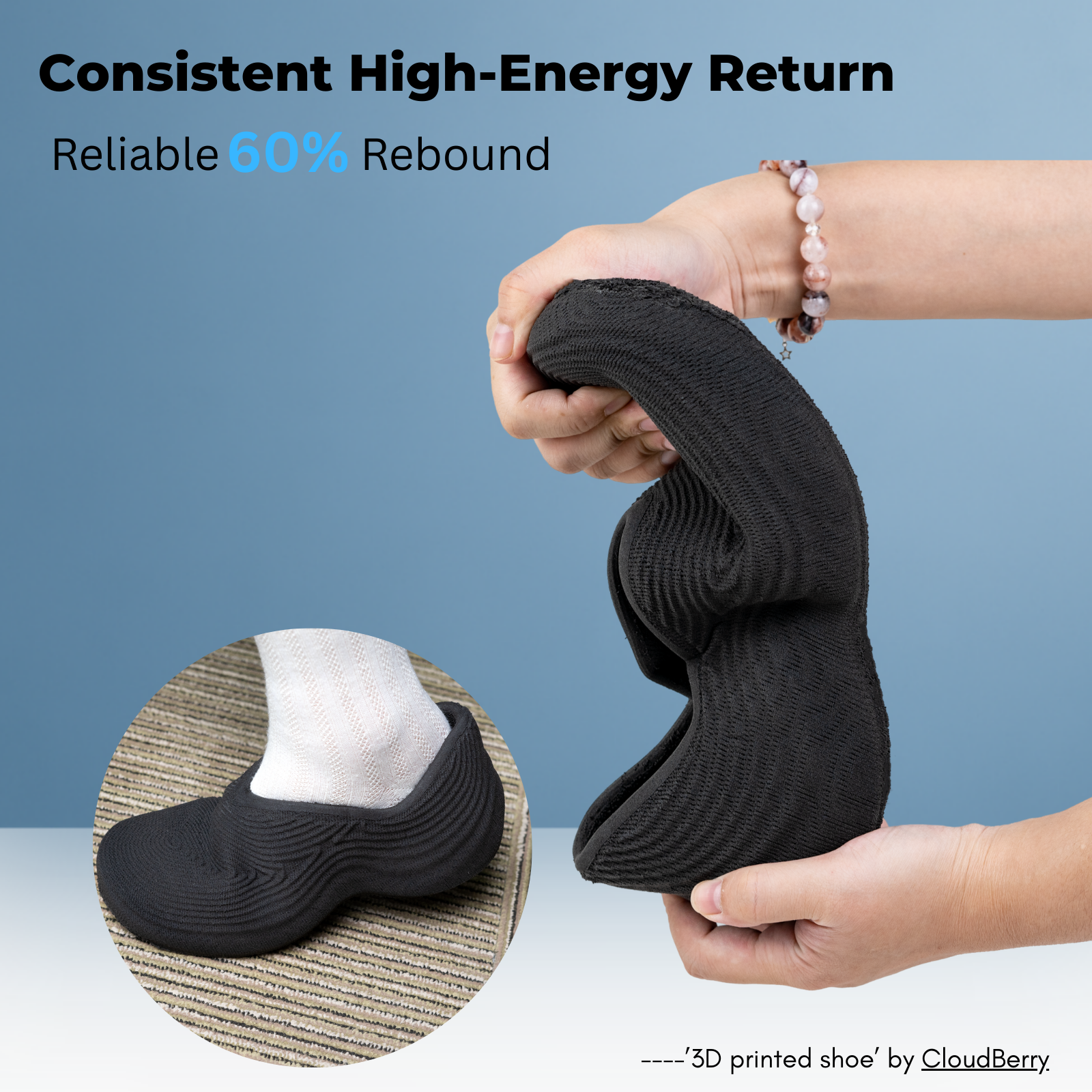
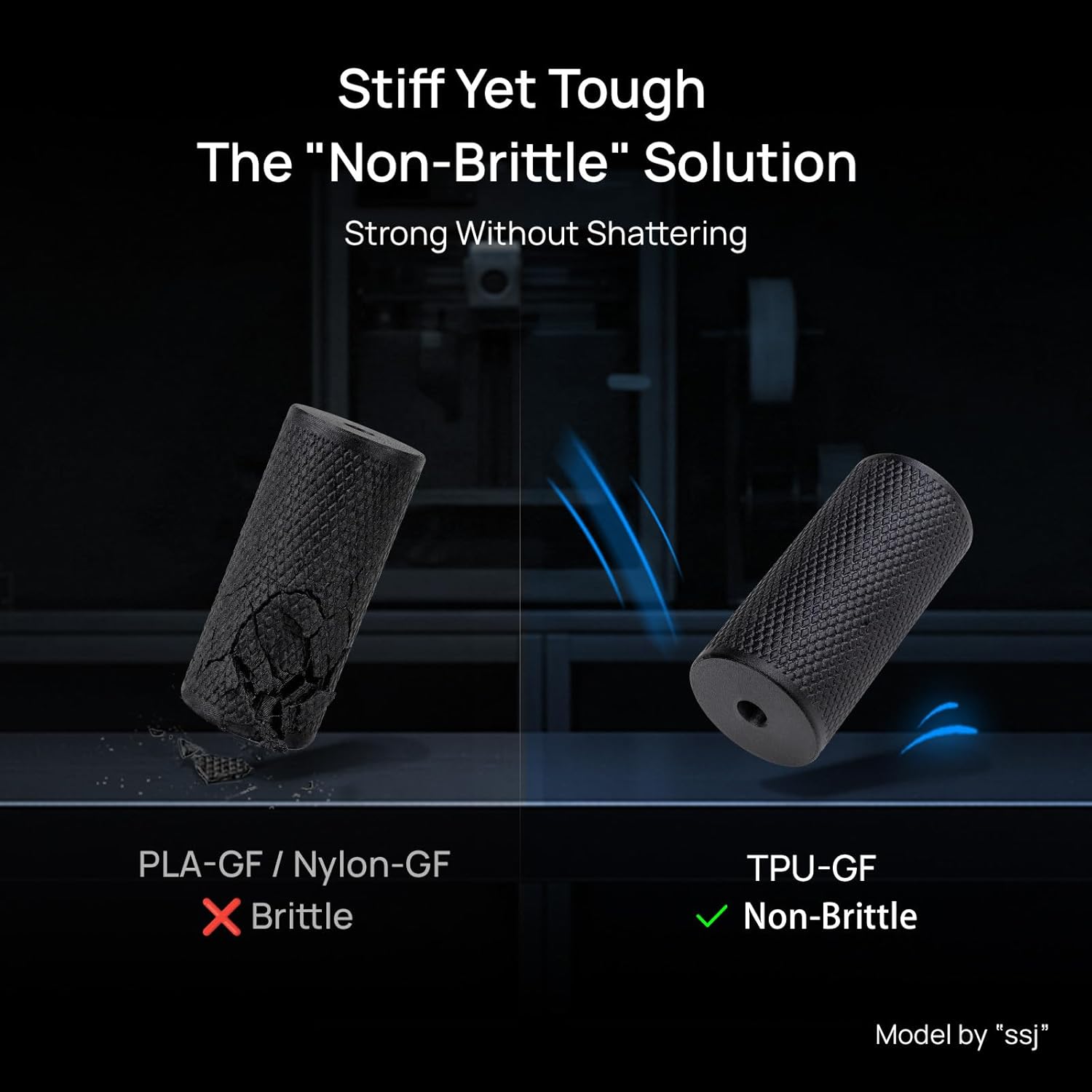
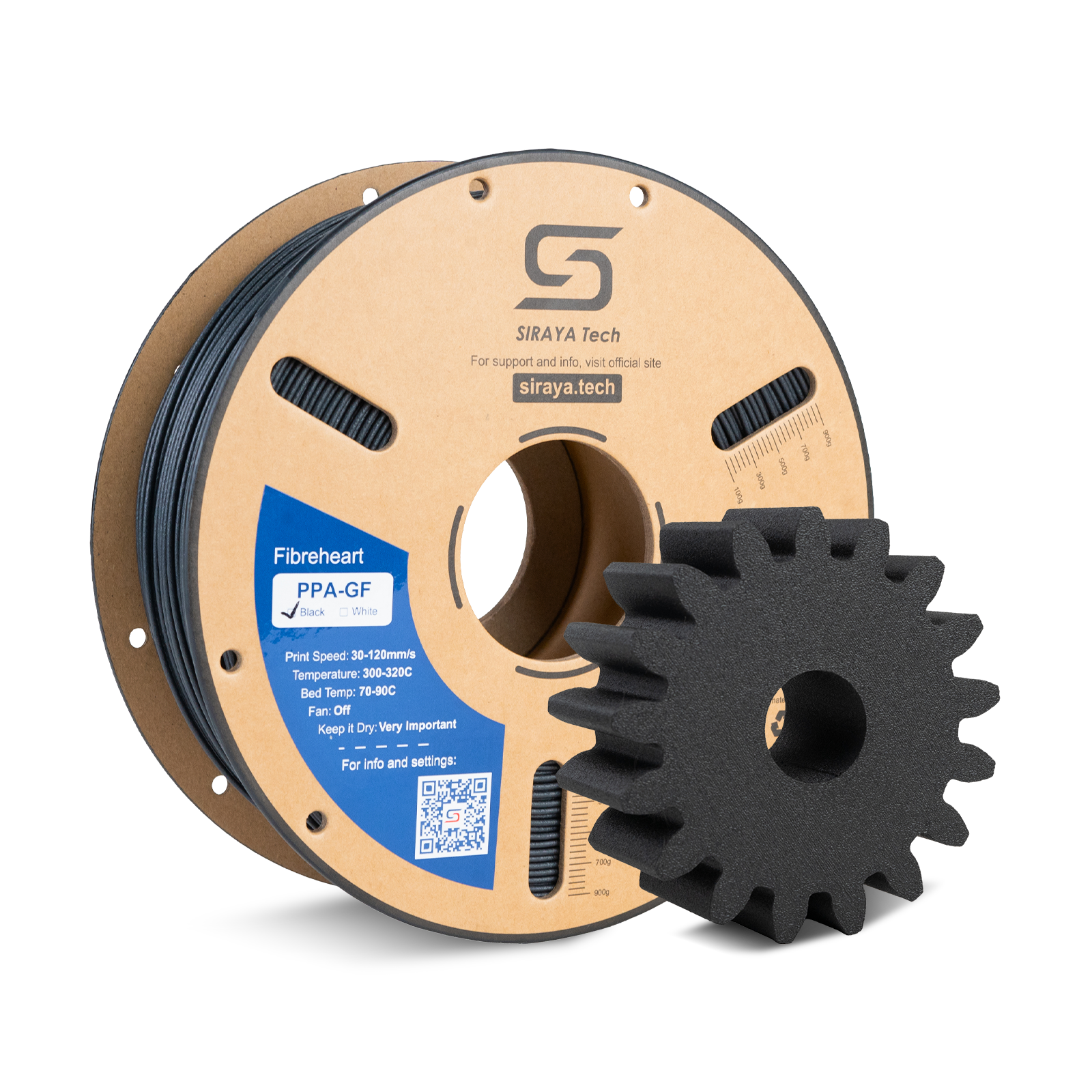
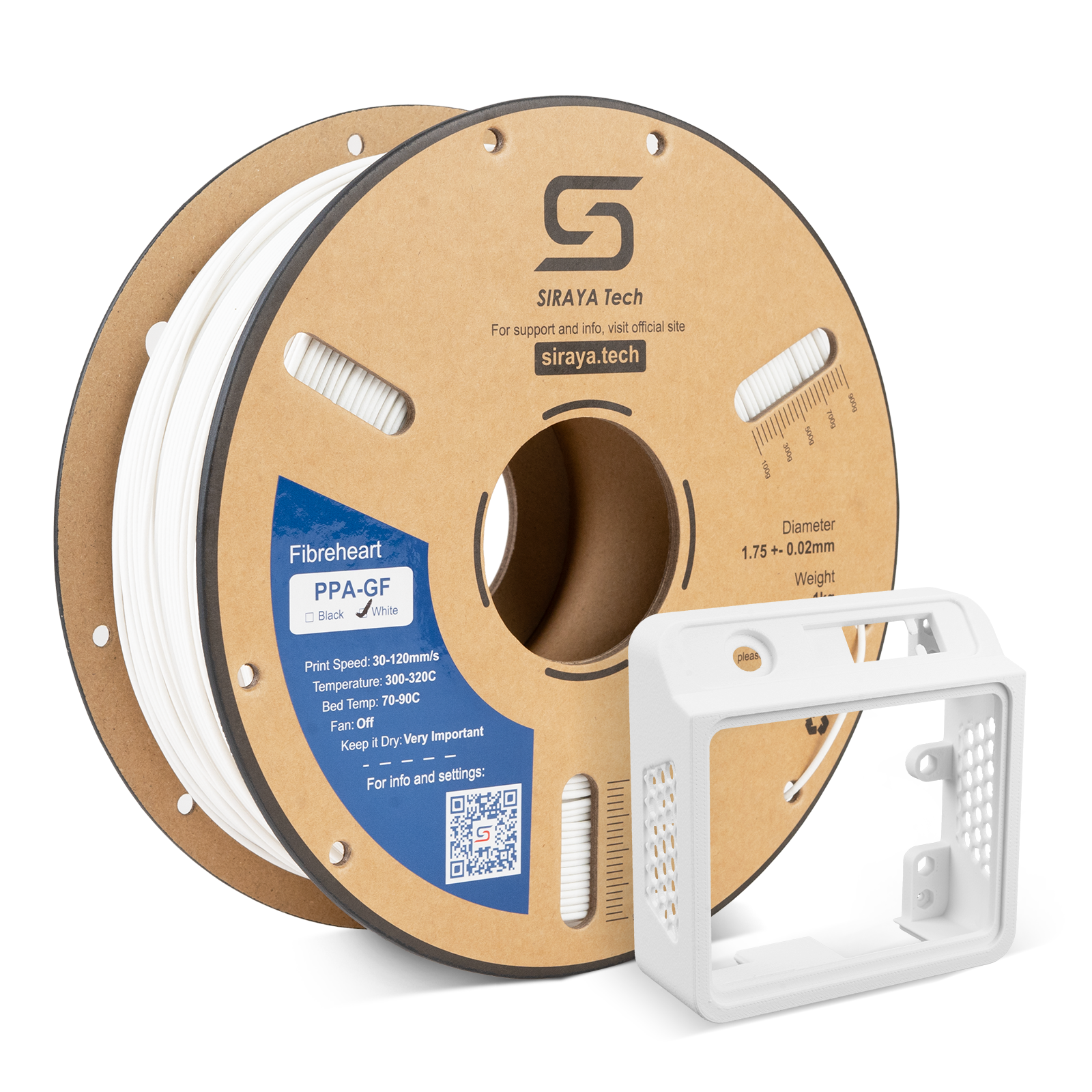
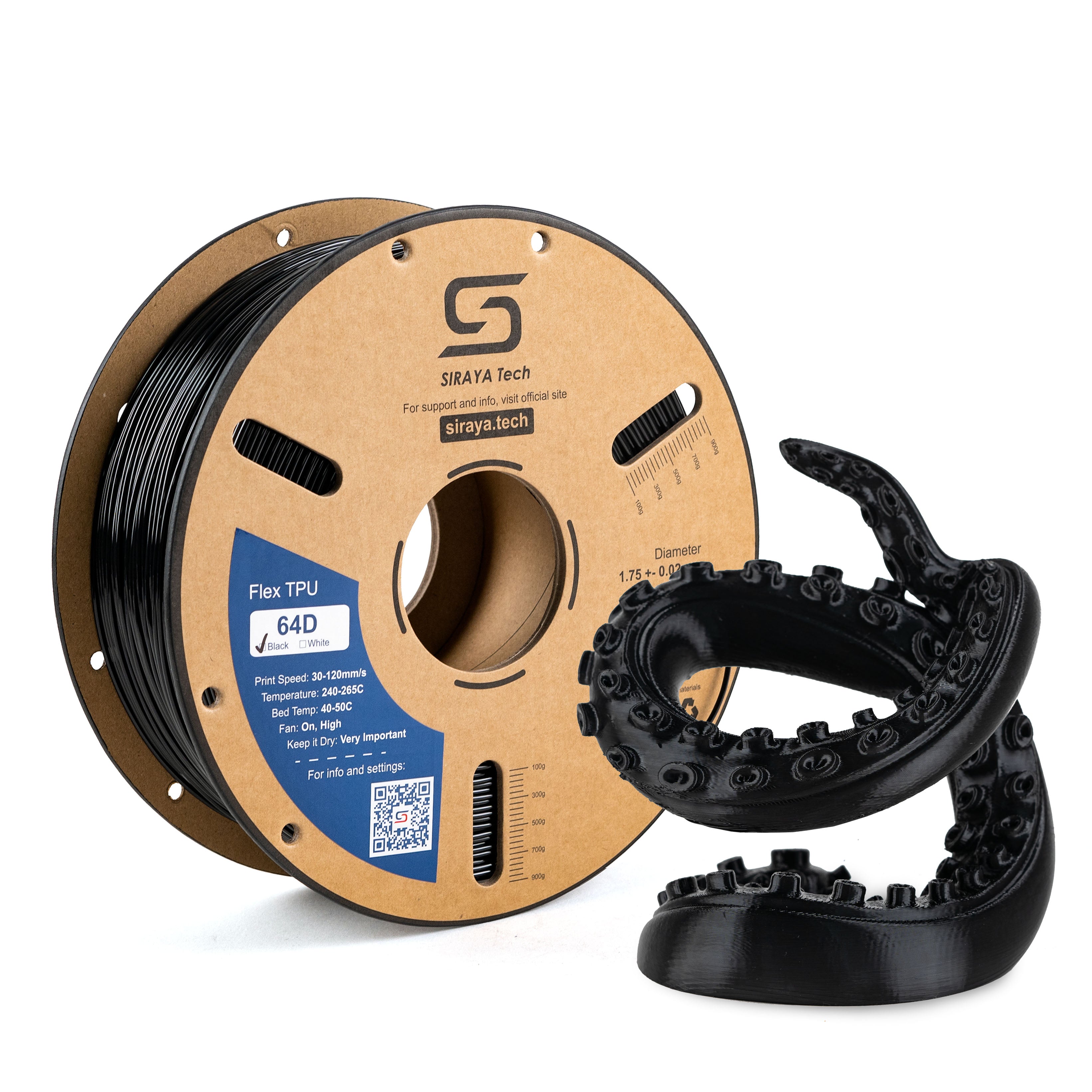
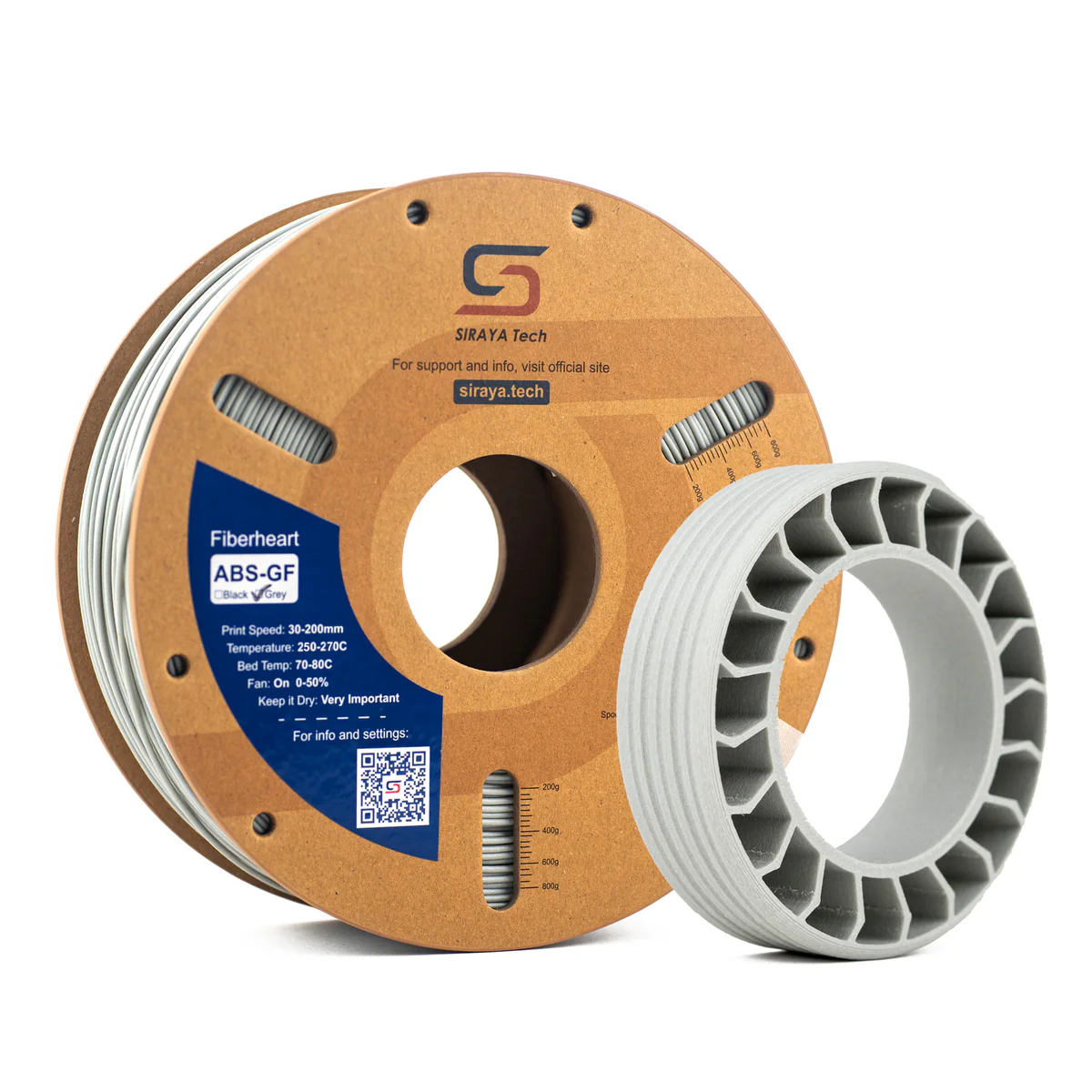
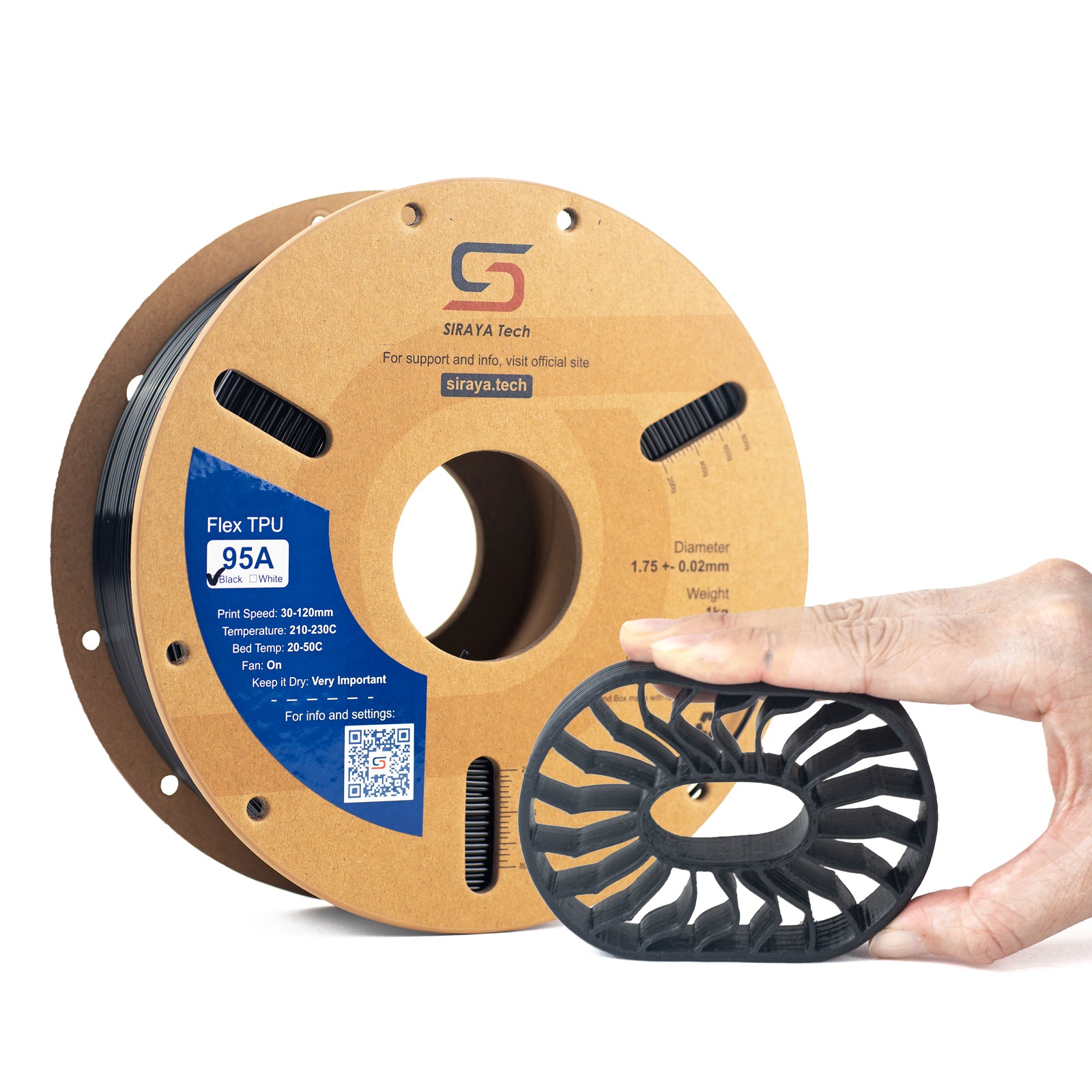
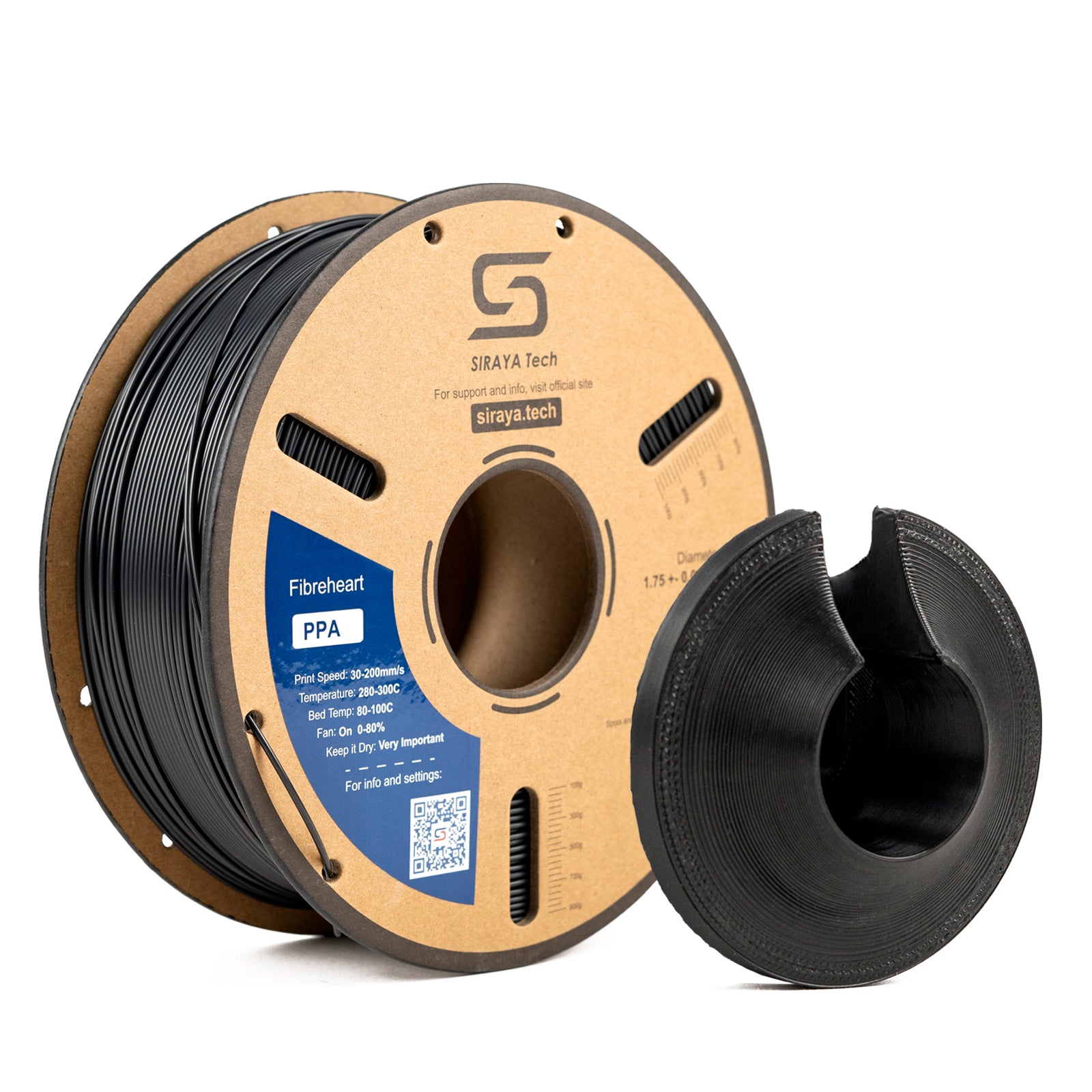
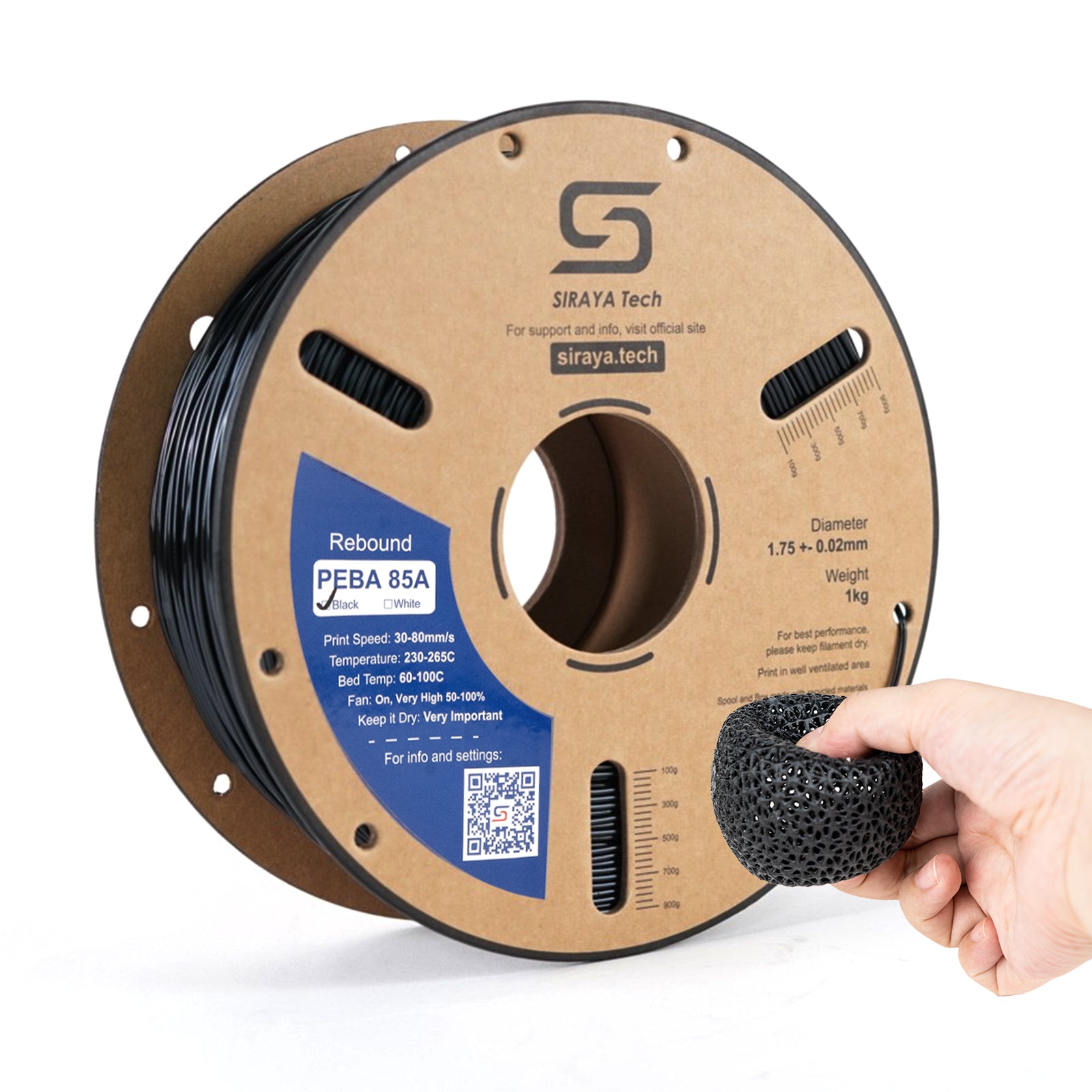
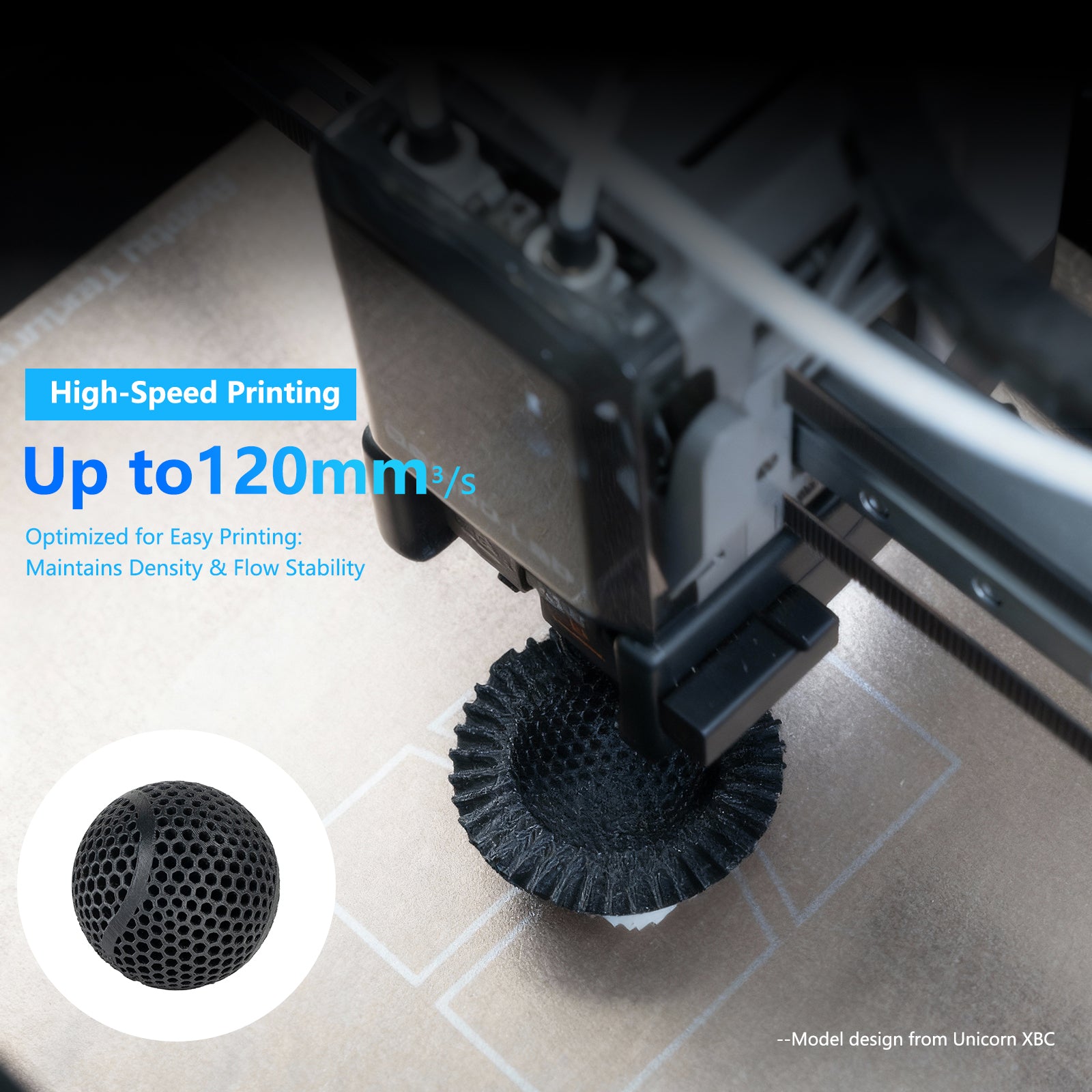
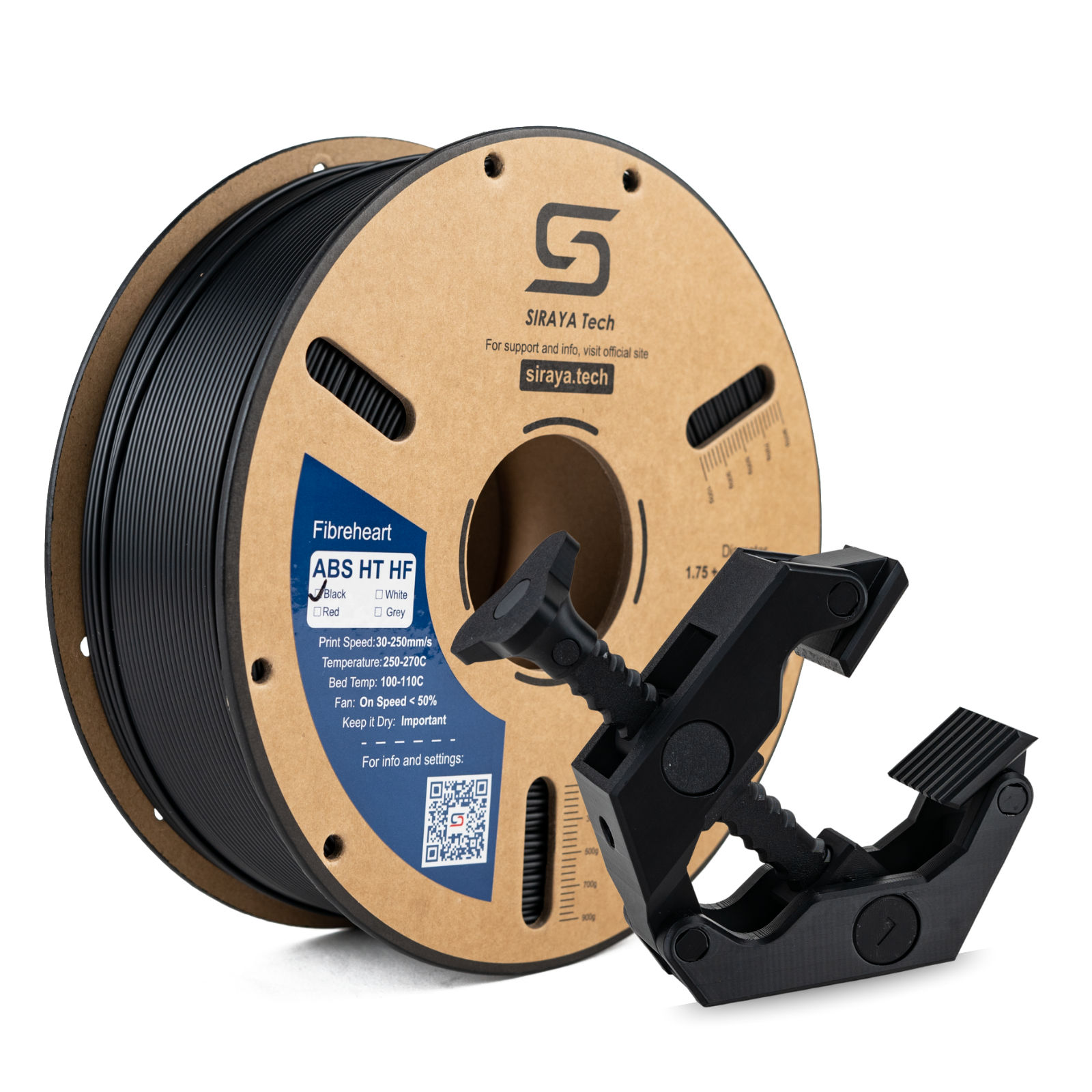
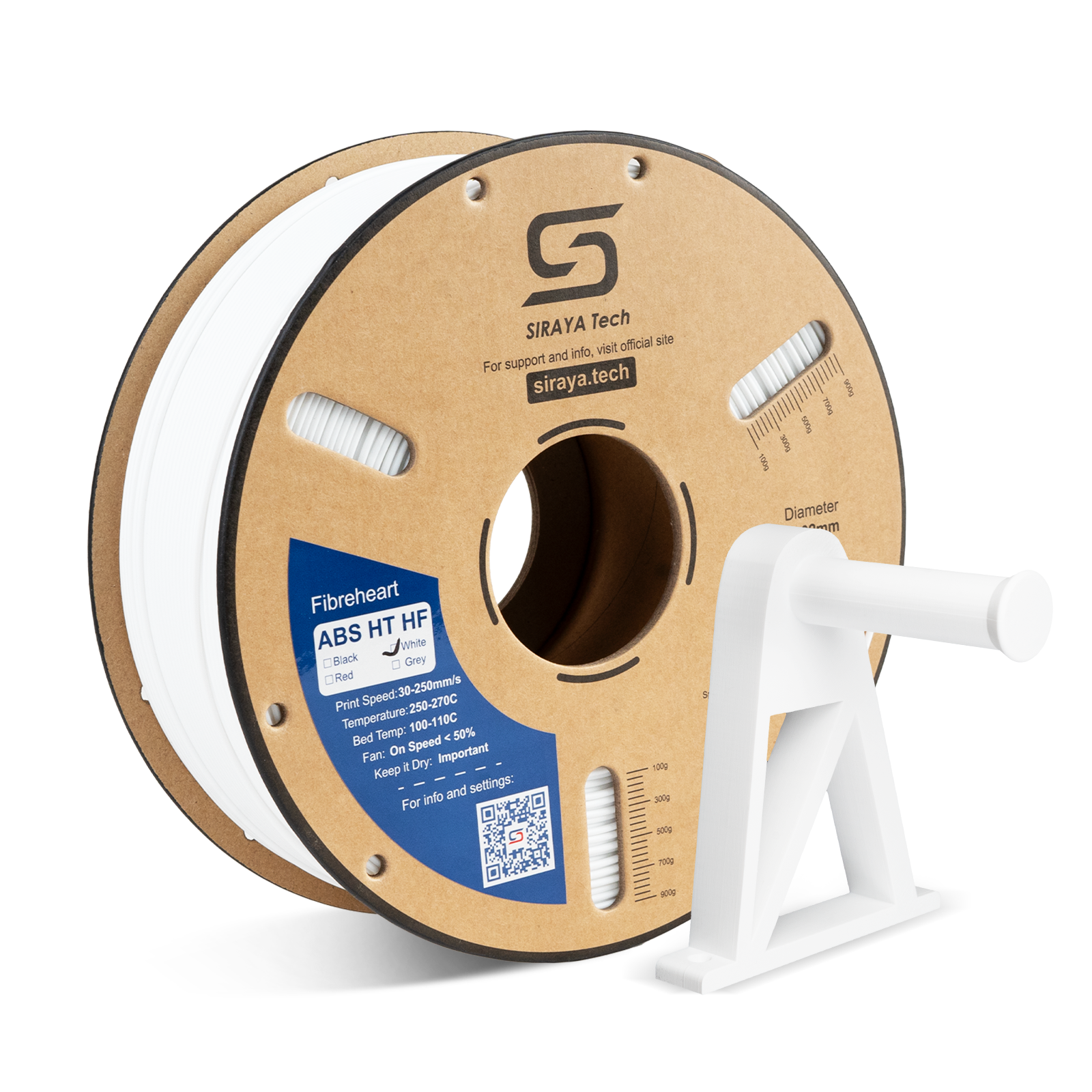
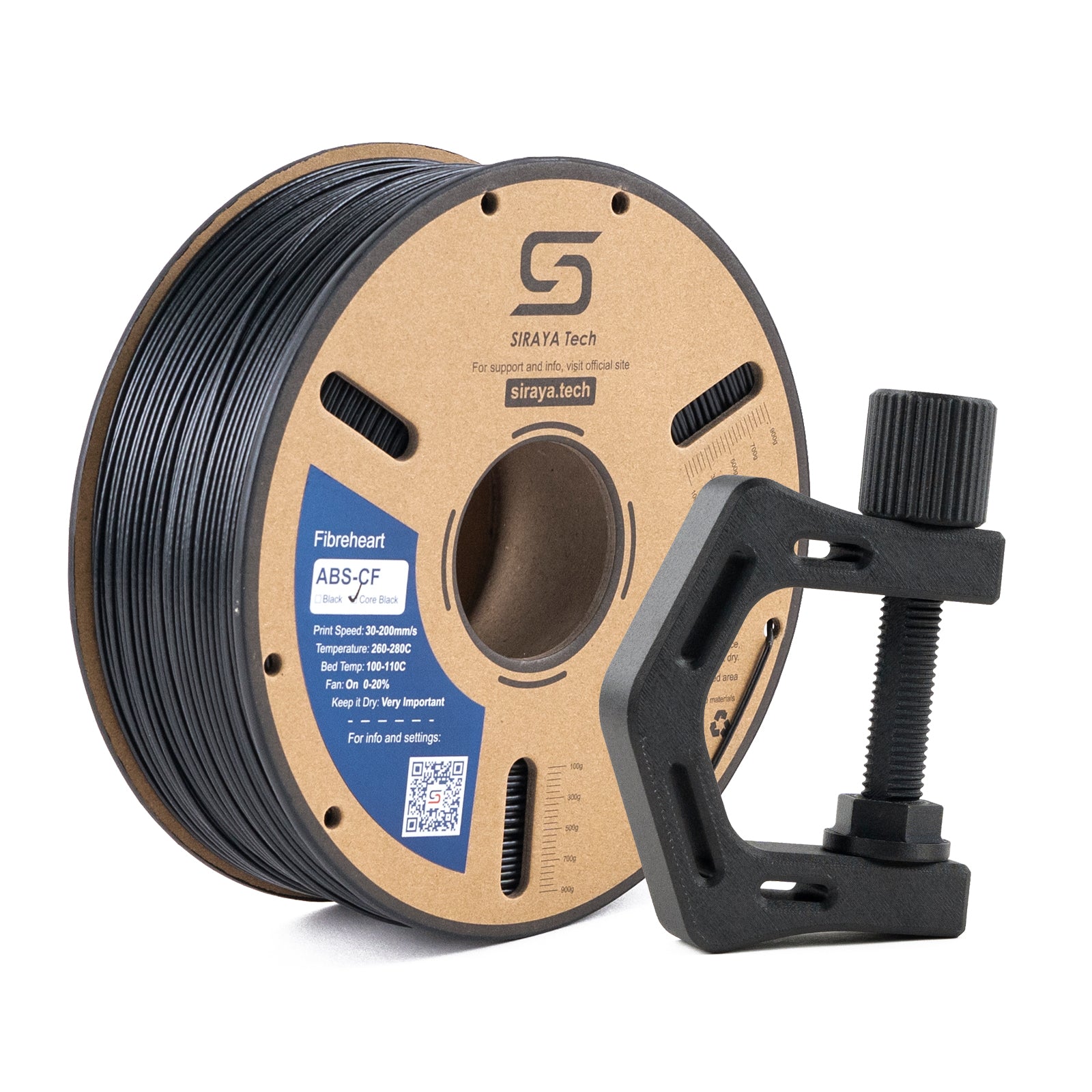
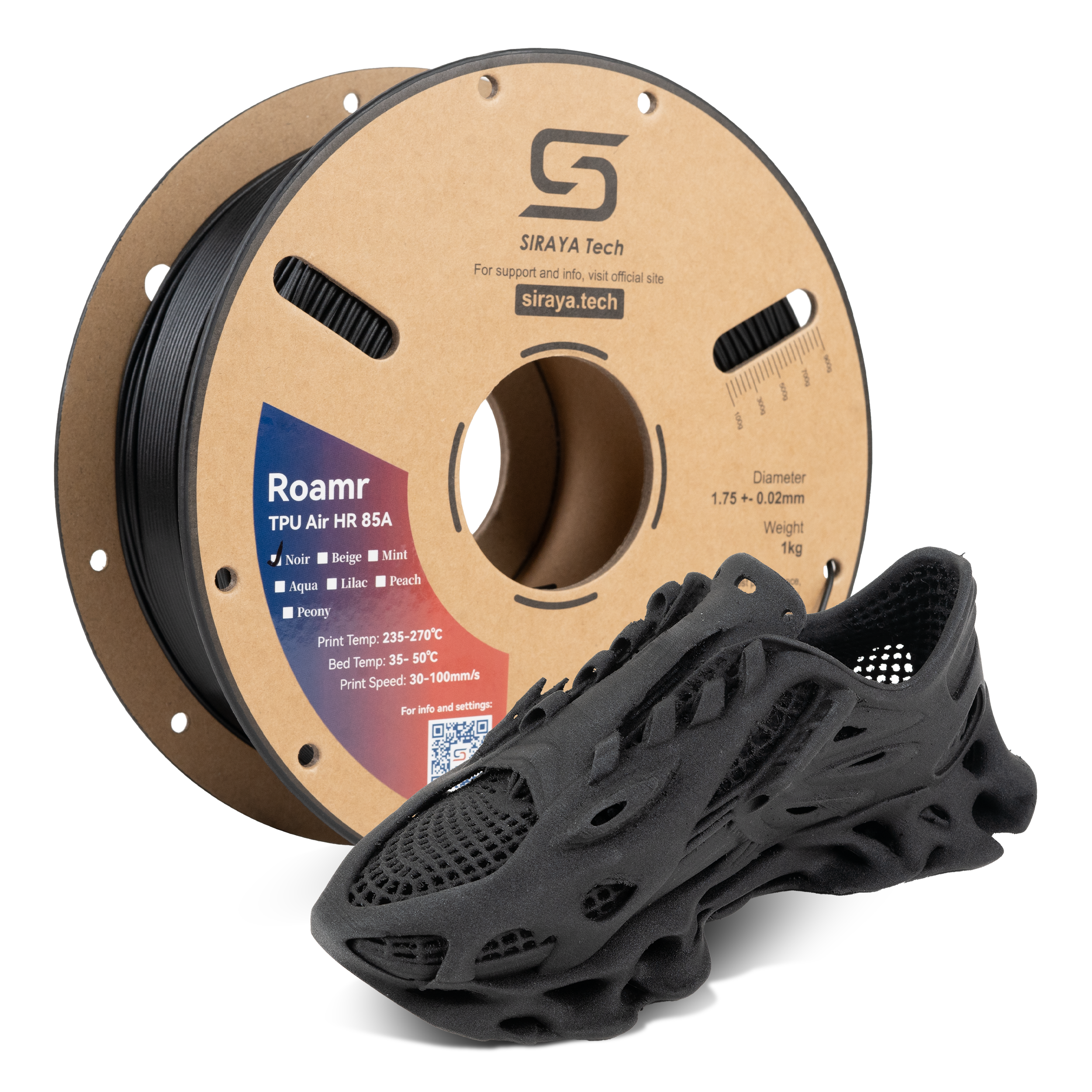
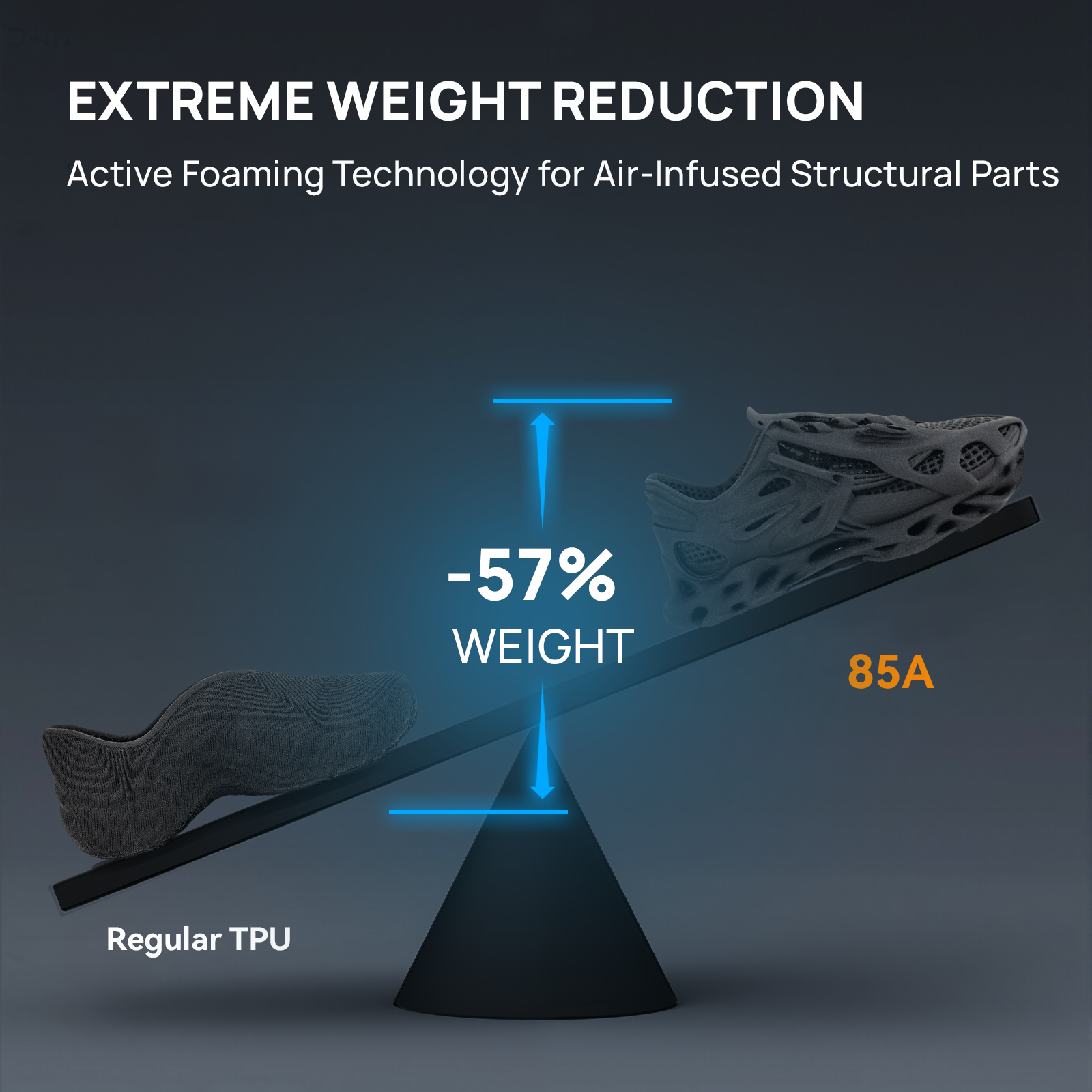
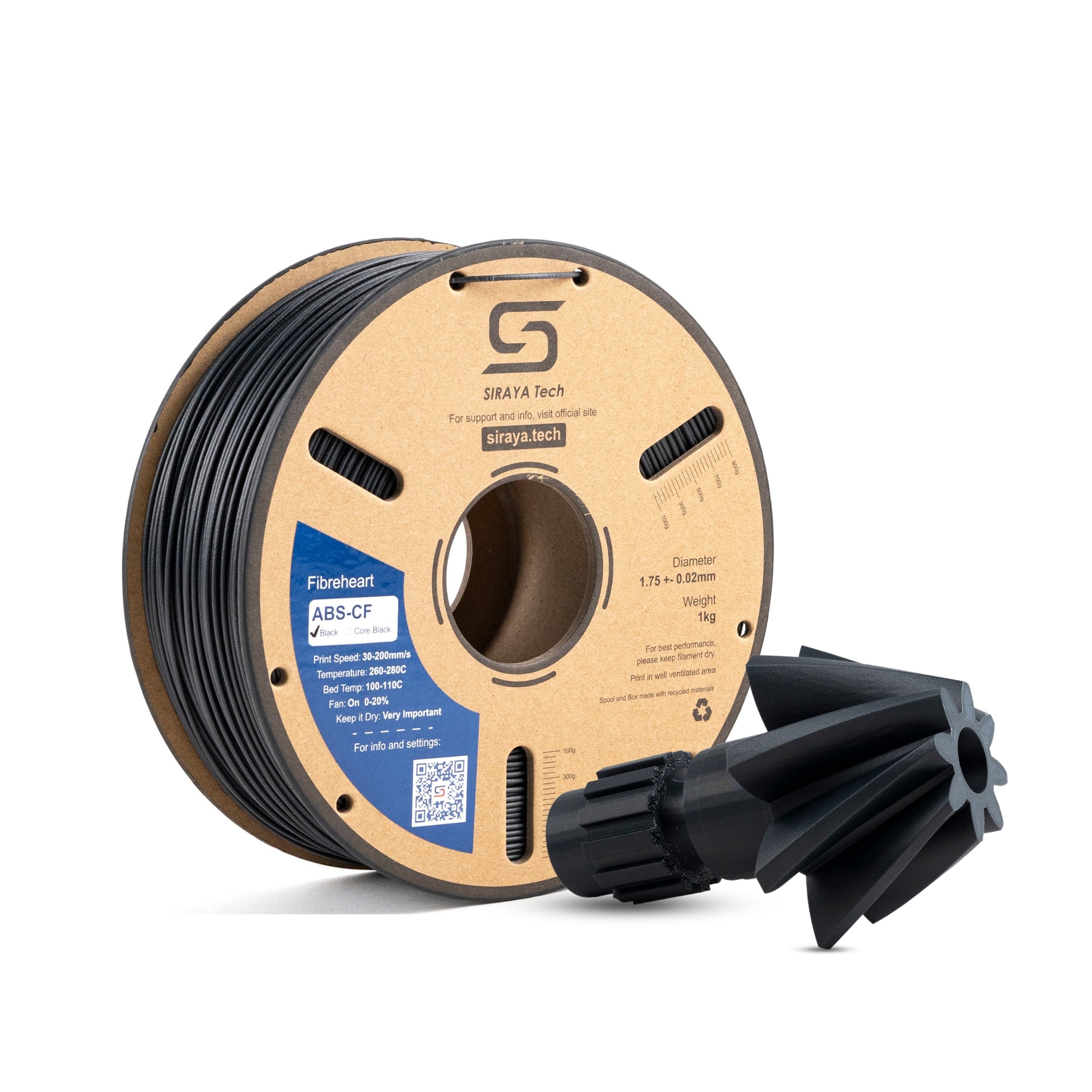
CR-10 filament needs to match a name Creality has reused across many machines: the original CR-10, the CR-10S, V2, V3, and the newer CR-10 SE. Each has different temperature limits and a different extruder. Siraya Tech stocks PLA, PETG, ABS-CF, and TPU formulated to work across the lineup, whether your CR-10 uses a Bowden extruder or direct drive.
What Filament Works Across the CR-10 Lineup
Every CR-10 variant shares the same core compatibility: PLA, PETG, ABS, and TPU on a 0.4mm nozzle with 1.75mm filament. The original CR-10, CR-10S, and V2 use a Bowden extruder, while the V3 and the newer CR-10 SE ship with direct drive standard. Nearly every CR-10 model reaches a 100C bed, with the CR-10 S4 noted by Creality as the one exception.
PLA and PETG print cleanly on either Bowden or direct drive setups
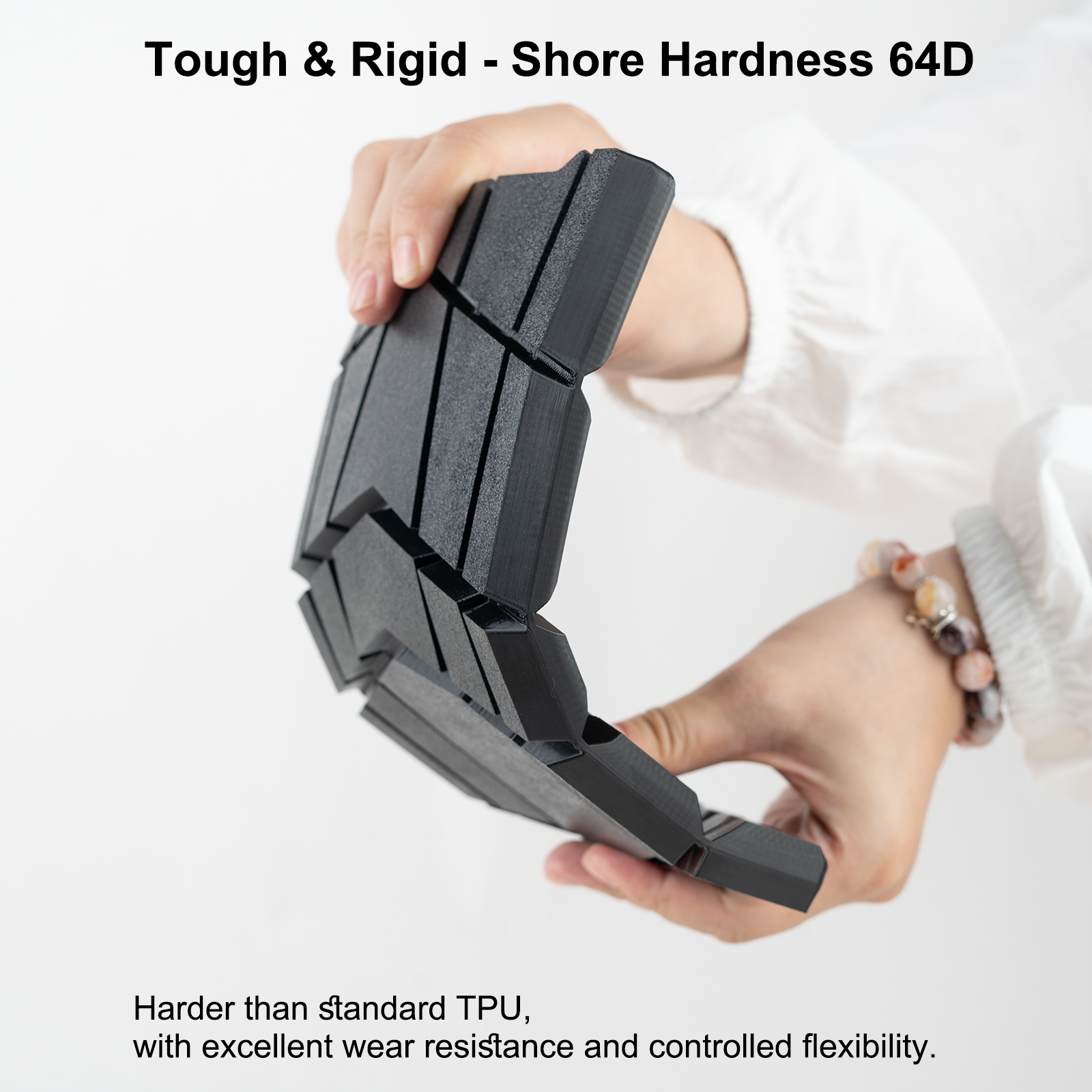
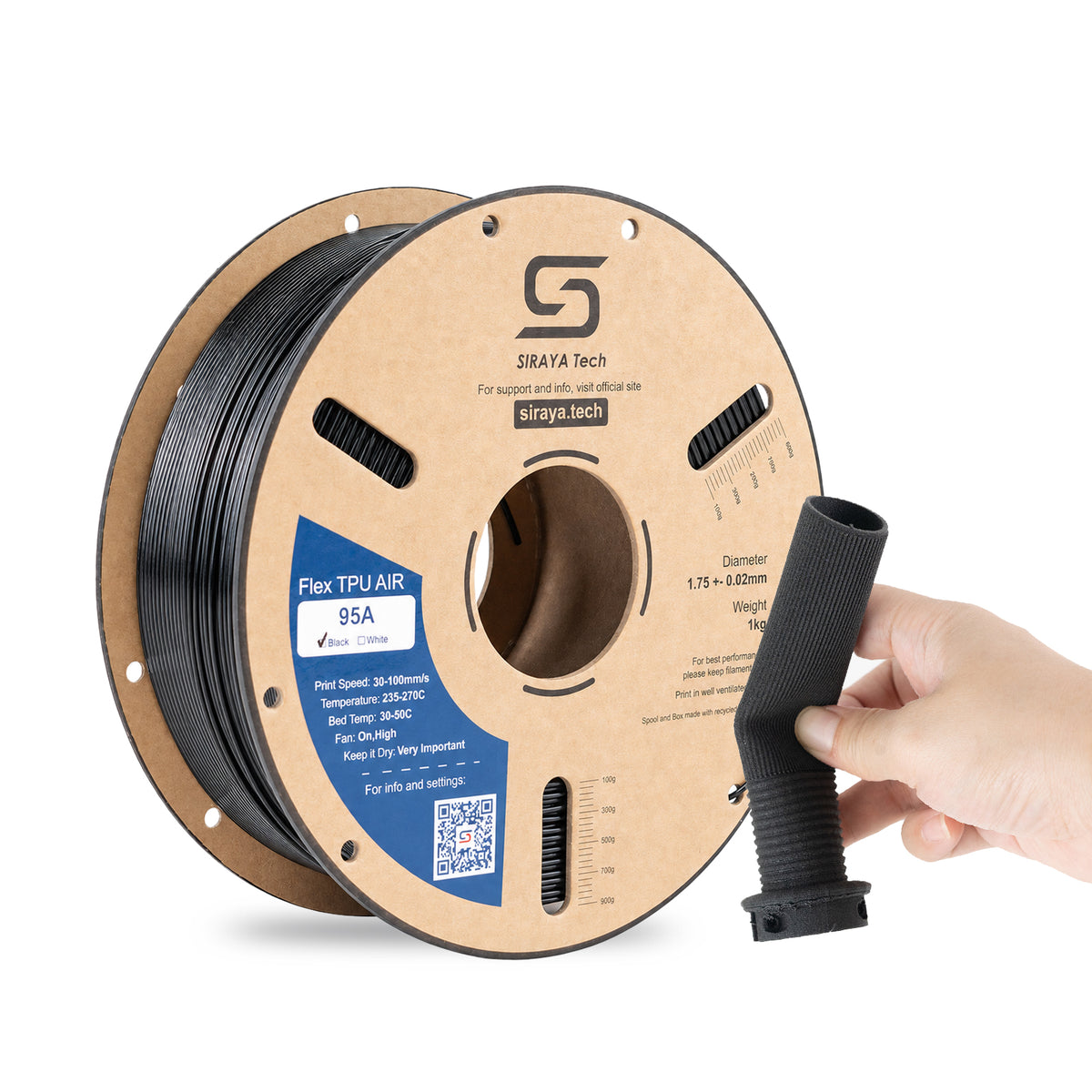
TPU performs better on direct drive models like the V3 or SE
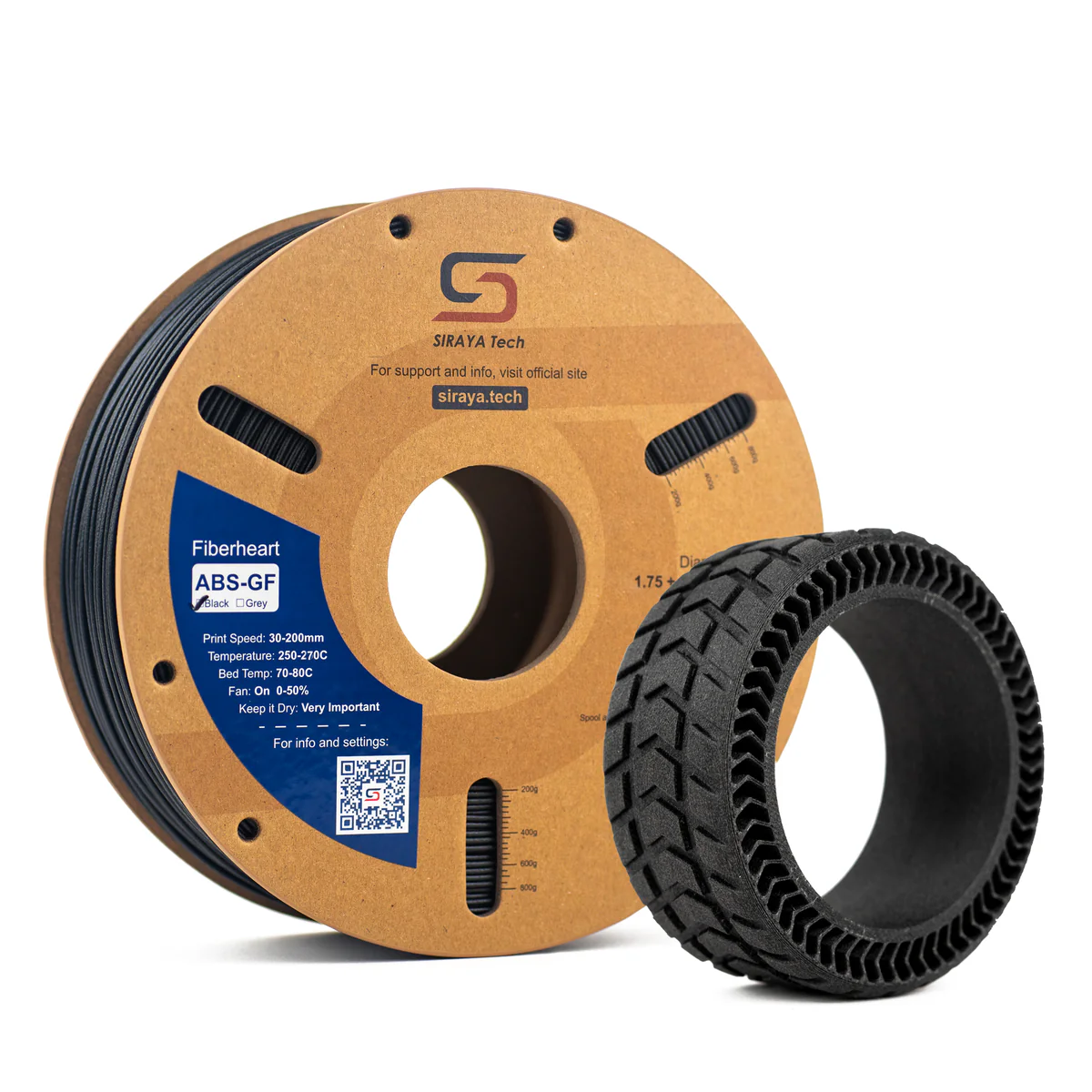
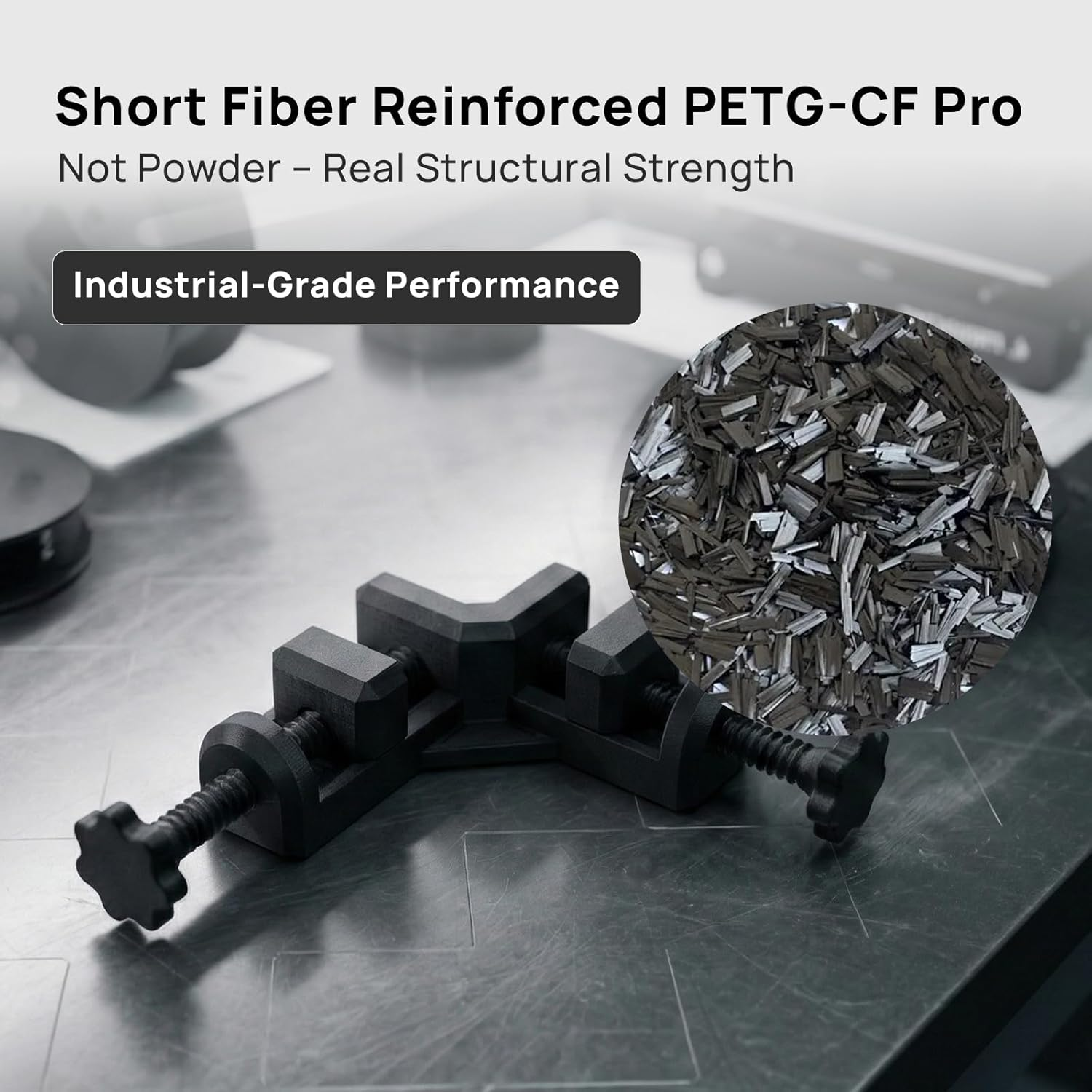
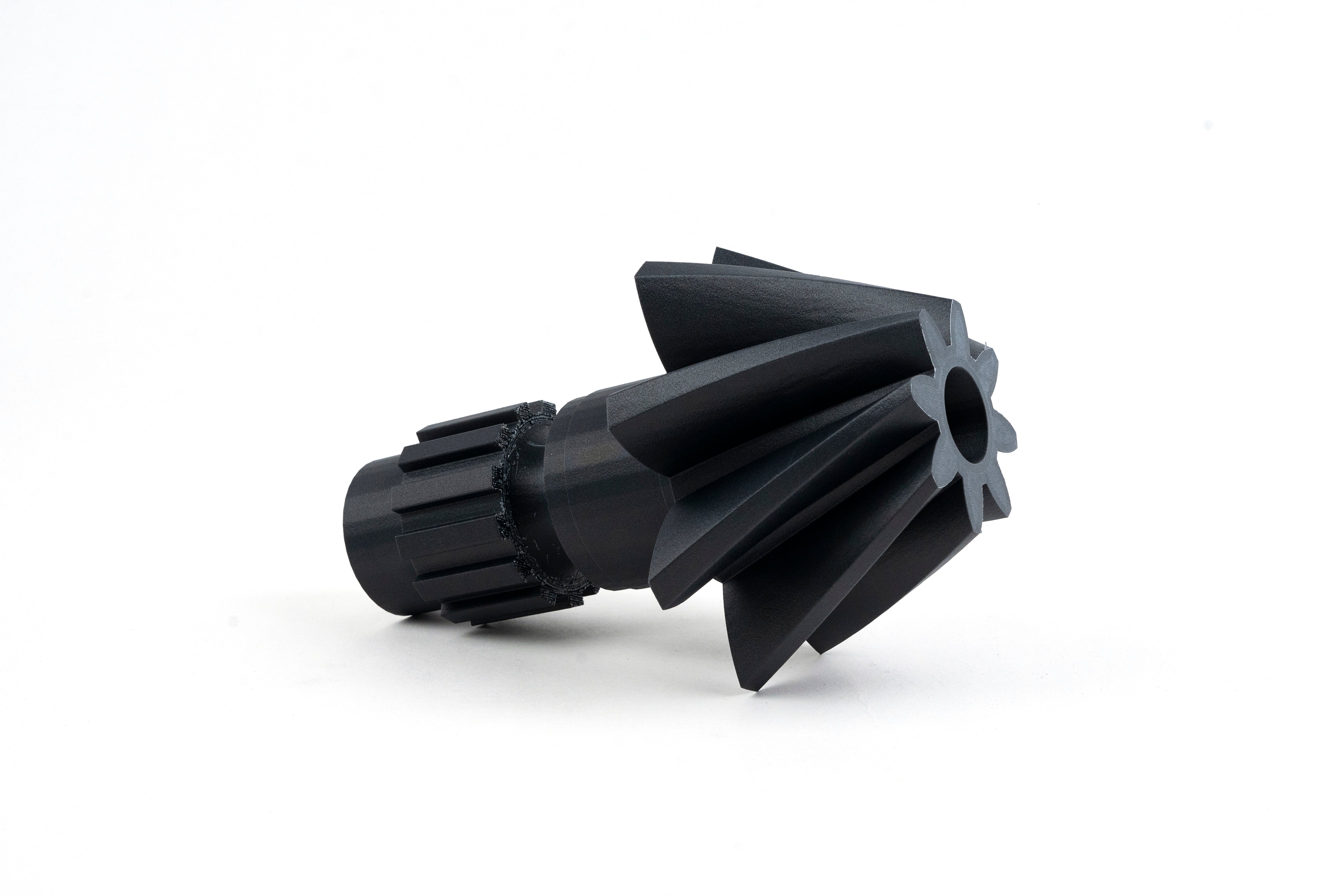
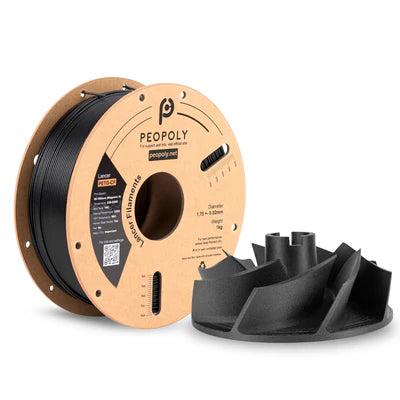
ABS-CF needs a hardened steel nozzle regardless of extruder type
Most CR-10 models reach the 100C bed temperature ABS needs
PLA vs PETG vs ABS vs TPU
Material
CR-10 Compatible
Extruder Needed
Best For
PLA
Yes
Bowden or direct drive
Everyday prints, prototypes
PETG
Yes
Bowden or direct drive
Functional parts
ABS-CF
Yes, with nozzle swap
Hardened steel required
Stiff, load bearing parts
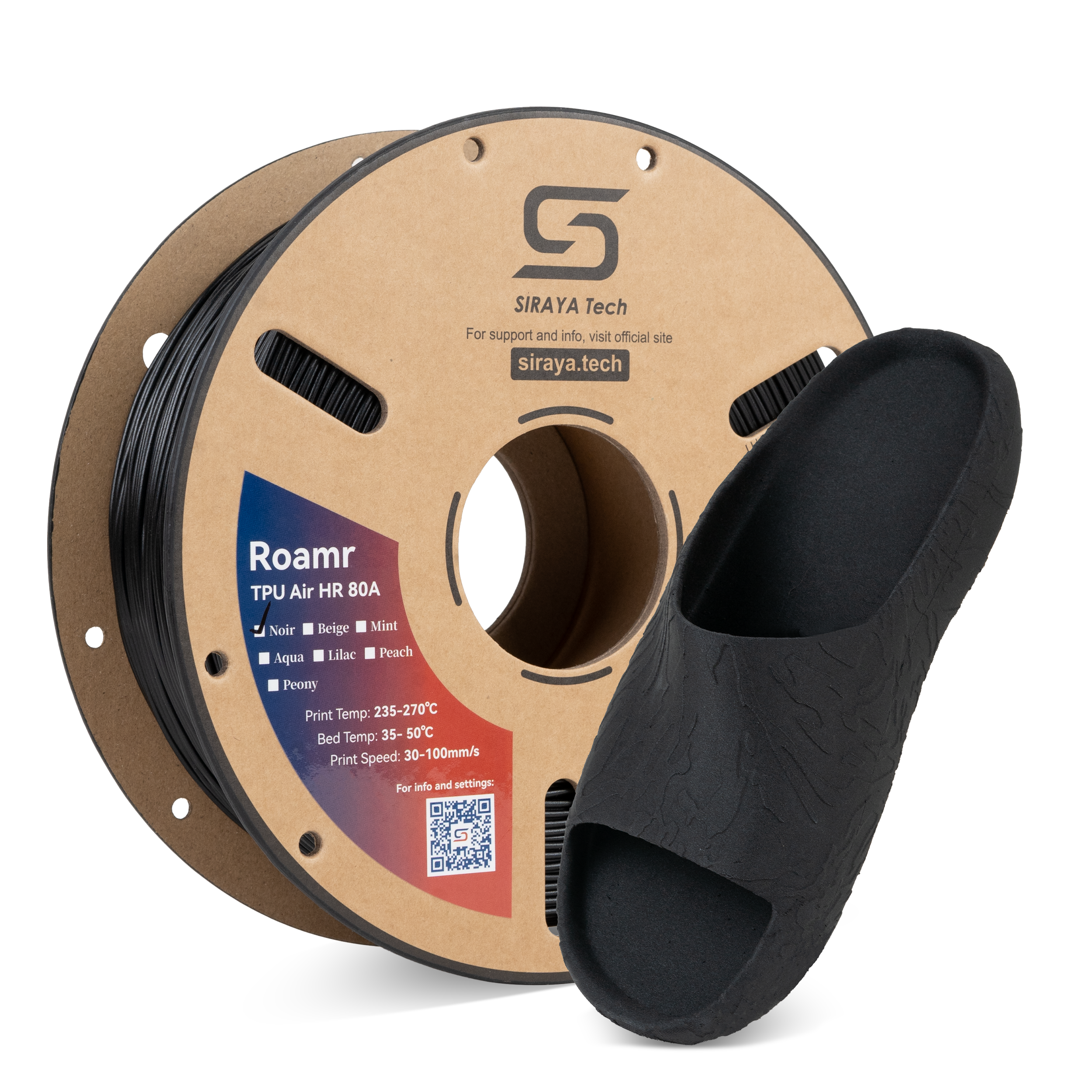
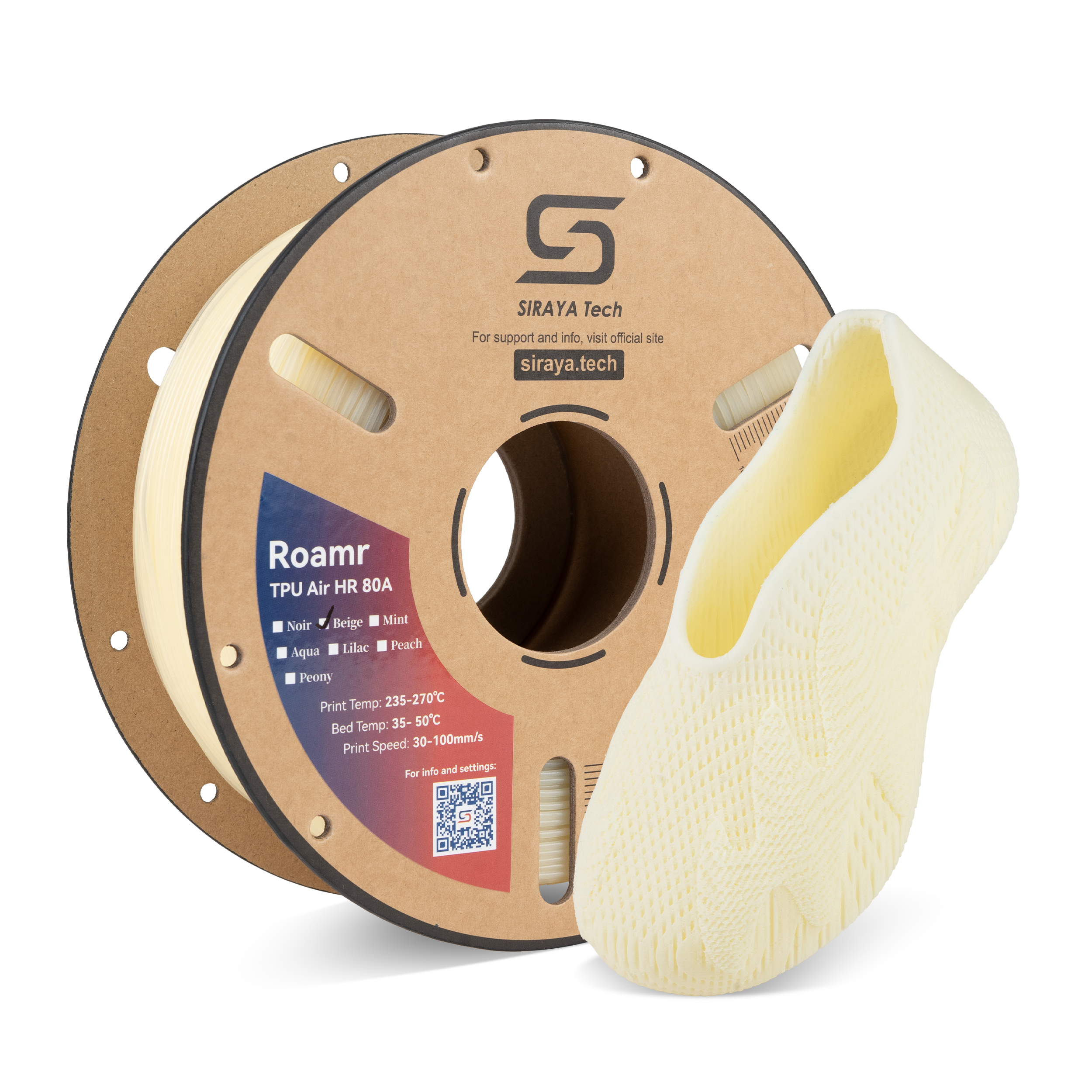
TPU
Better on direct drive
Direct drive recommended
Flexible grips and gaskets
Swipe to see all columns →
Why Bowden vs Direct Drive Matters Most
The biggest variable in CR-10 filament performance is which extruder your specific model has, not the brand of filament. On a Bowden setup, the motor sits away from the hotend, giving flexible filament room to buckle before it reaches the nozzle. Builders who have converted from Bowden to direct drive on the same CR-10 report noticeably better results with TPU and abrasive composite filament. If your CR-10 already has direct drive, either from the V3, SE, or an aftermarket upgrade, it handles these materials with less babysitting.
How to Print ABS-CF Successfully on a CR-10
Install a hardened steel nozzle first. Carbon fiber filament wears through standard nozzles quickly.
Confirm your specific CR-10 model can reach 100C bed temperature. Most can, except the CR-10 S4.
Add an enclosure or draft shield for larger prints, since most CR-10 models are open frame and ABS warps without stable ambient heat.
Dry the filament before printing. ABS-CF absorbs some moisture, which weakens layer bonding.
If running a Bowden setup, slow down on fiber filled filament for more consistent feeding.
PLA, PETG, ABS, and TPU all run on every CR-10 variant. PLA and PETG print reliably on either Bowden or direct drive extruders. TPU performs noticeably better on direct drive models like the V3 or CR-10 SE.
Can the CR-10 print TPU on its stock Bowden extruder?
Yes, but with more difficulty than on direct drive. The distance between the drive gear and hotend on a Bowden setup gives flexible filament room to buckle. Slowing down print speed and reducing retraction helps on a stock Bowden setup.
Does every CR-10 model reach 100C bed temperature?
Nearly all of them do. Creality's own filament guidance notes the CR-10 S4 as the one exception in the lineup. Check your specific model's published bed temperature if you are unsure which CR-10 you have.
What is the difference between the original CR-10 and the CR-10 SE?
The original CR-10 is open frame with a 300x300x400mm build volume and a Bowden extruder. The CR-10 SE is newer and smaller at 220x220x265mm, with a factory direct drive extruder and a hardened steel nozzle rated to 300C.
Can I print carbon fiber filament on a CR-10?
Yes, with a hardened steel nozzle installed. Carbon fiber filament wears through standard brass nozzles quickly on any printer. A direct drive extruder also feeds these stiffer filaments more consistently than a Bowden setup.