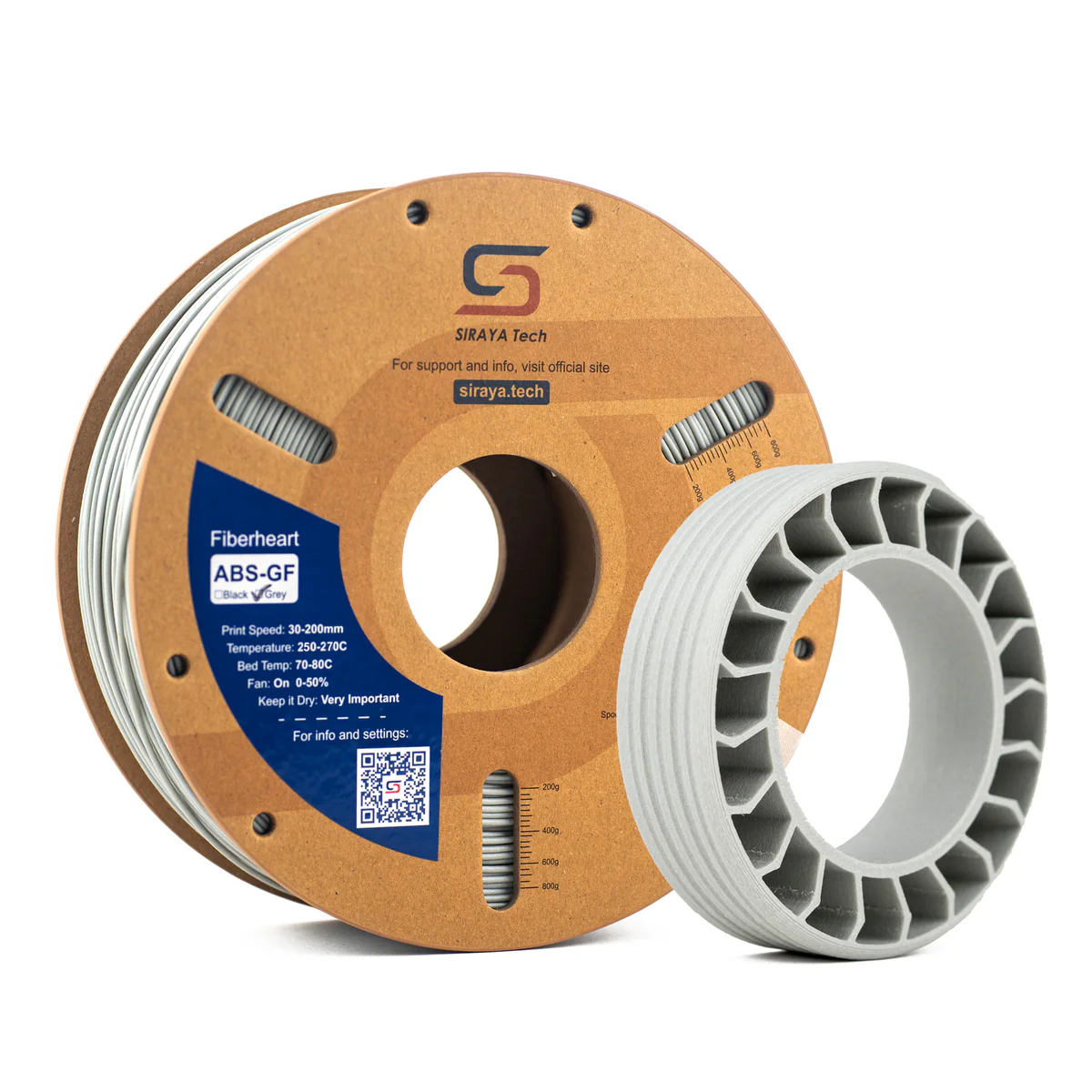
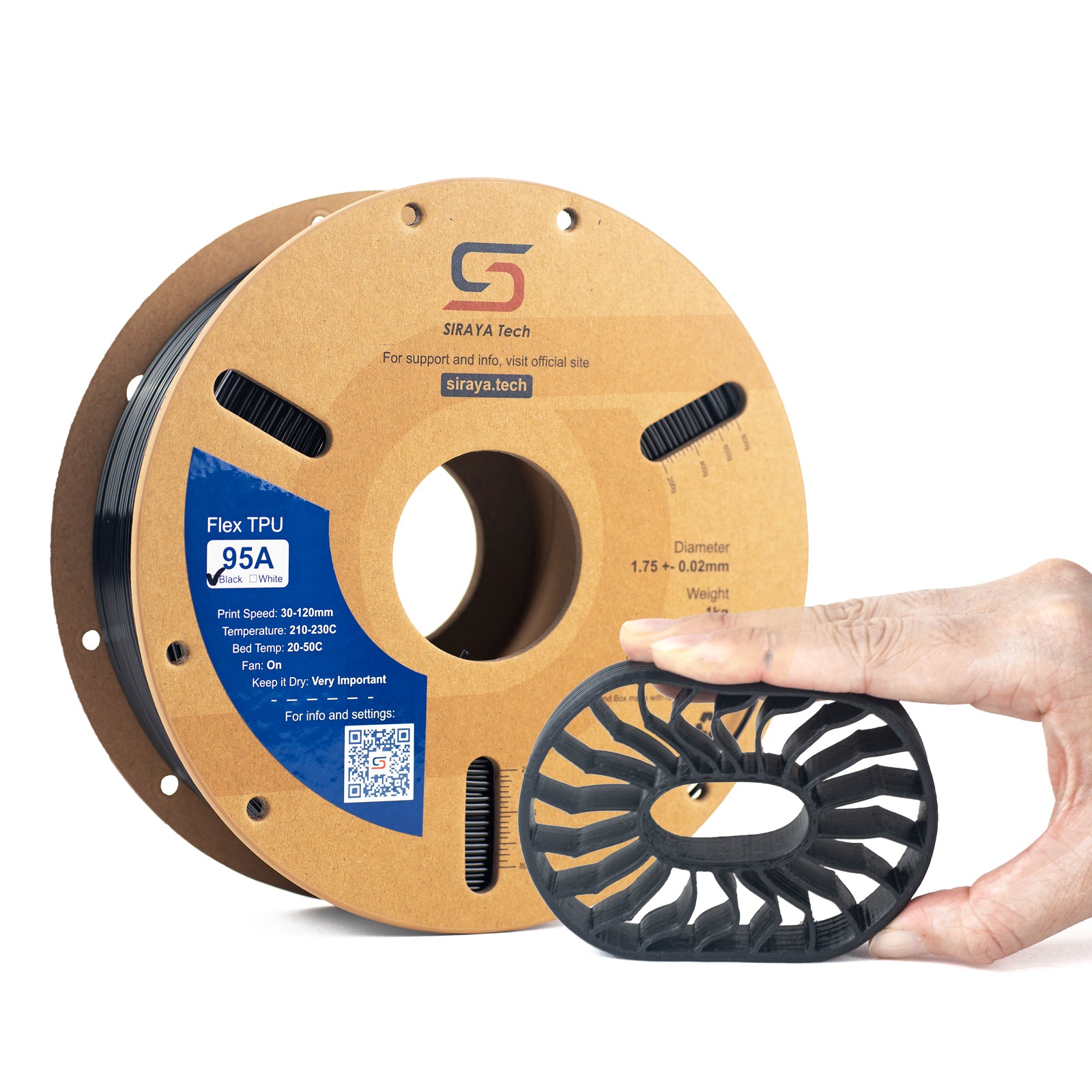
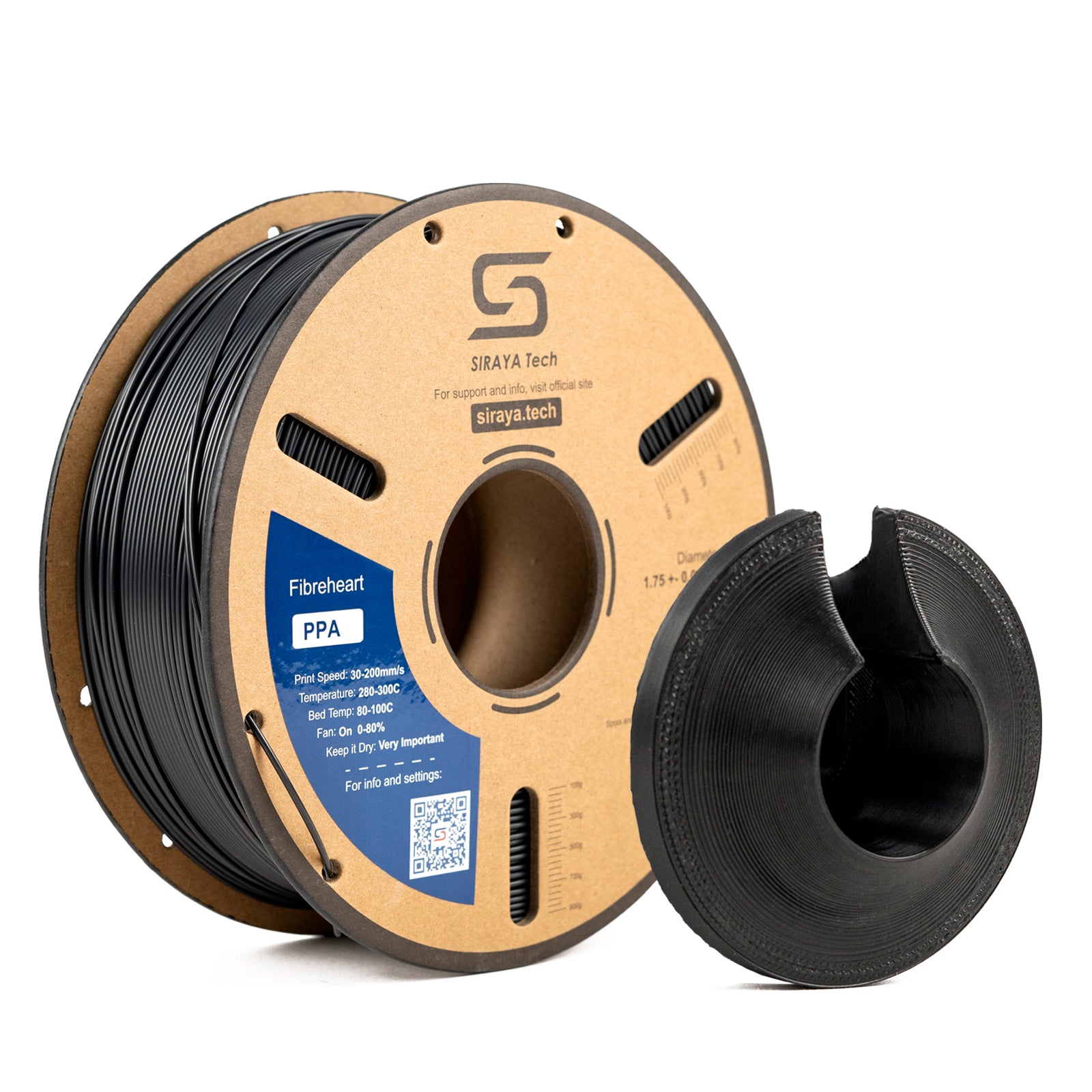
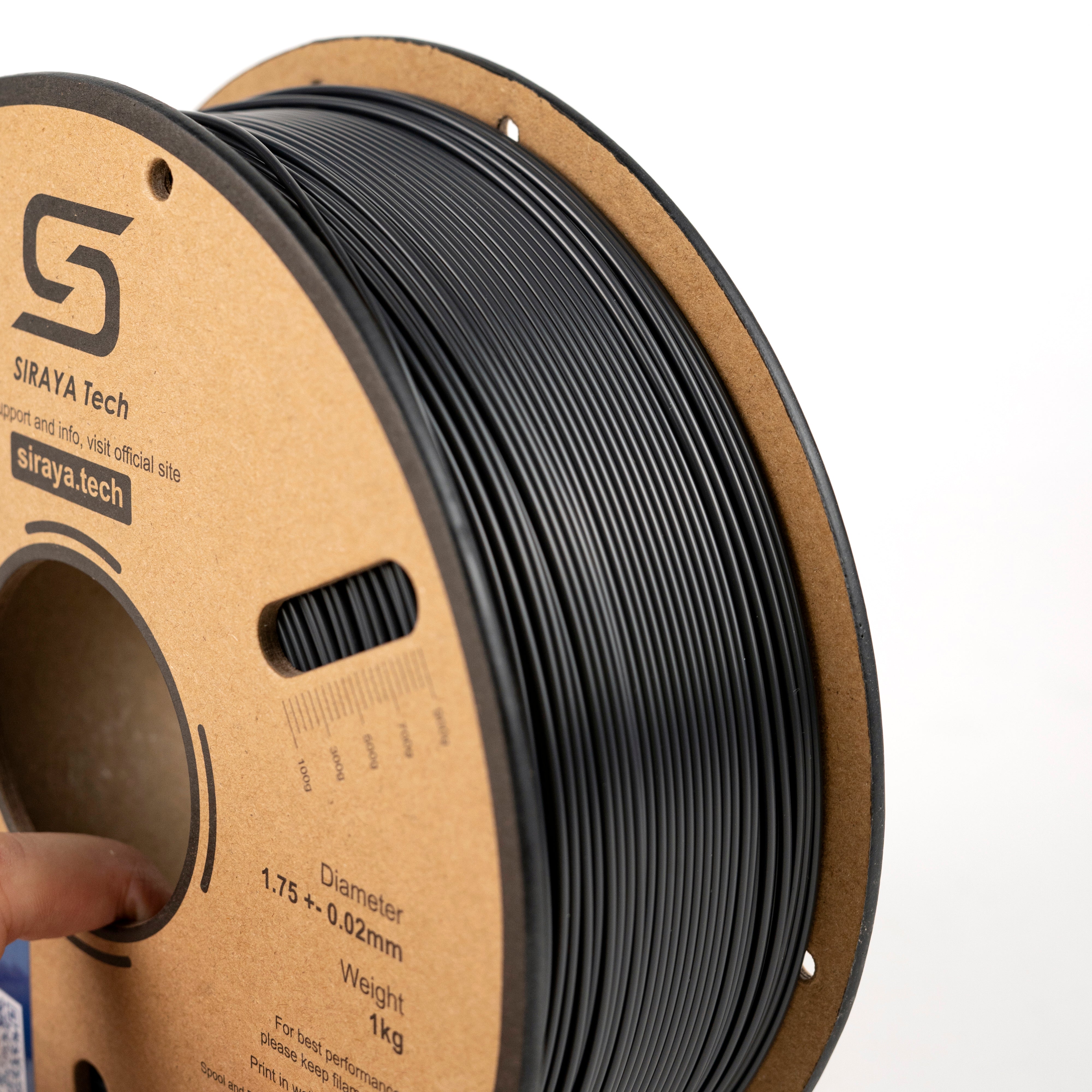
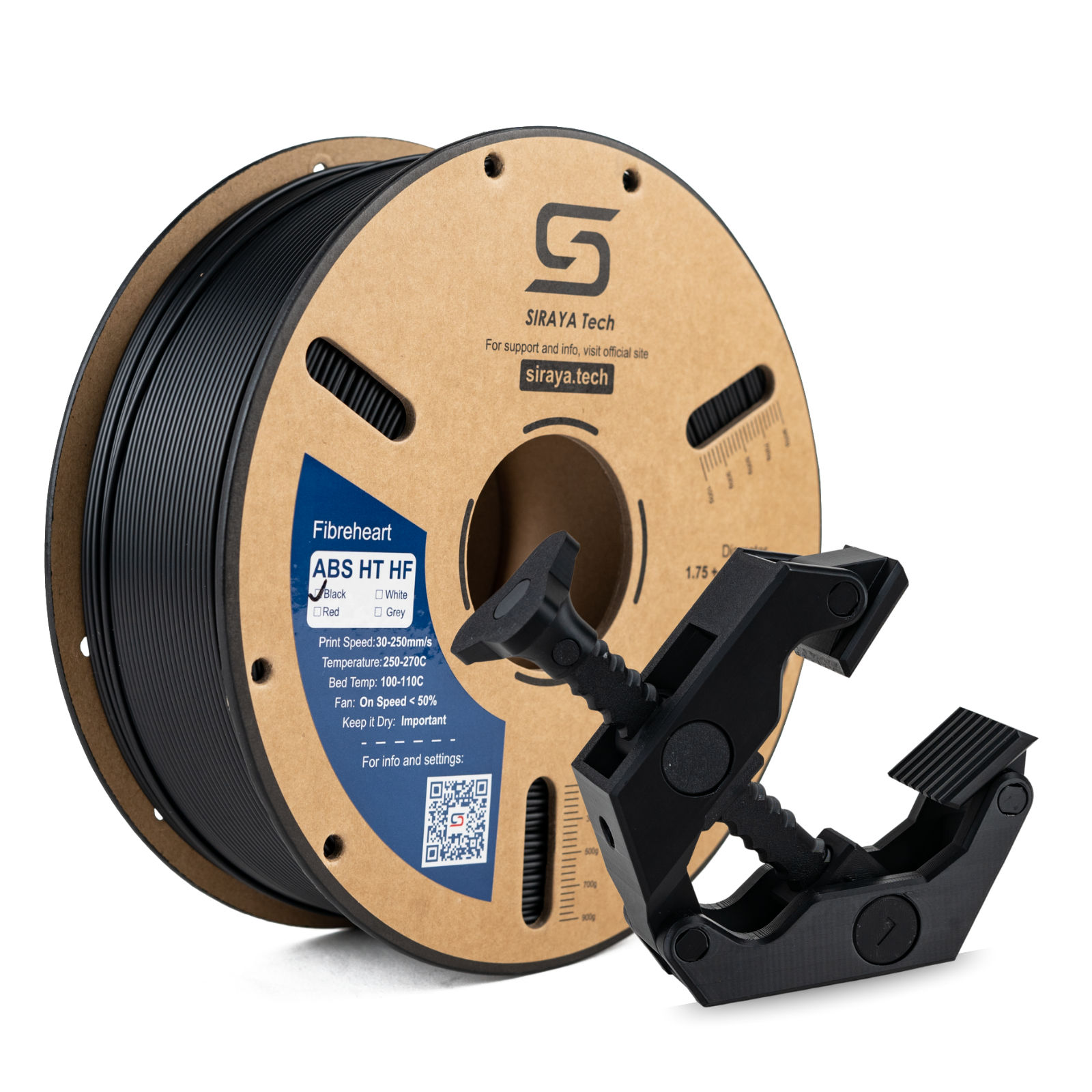
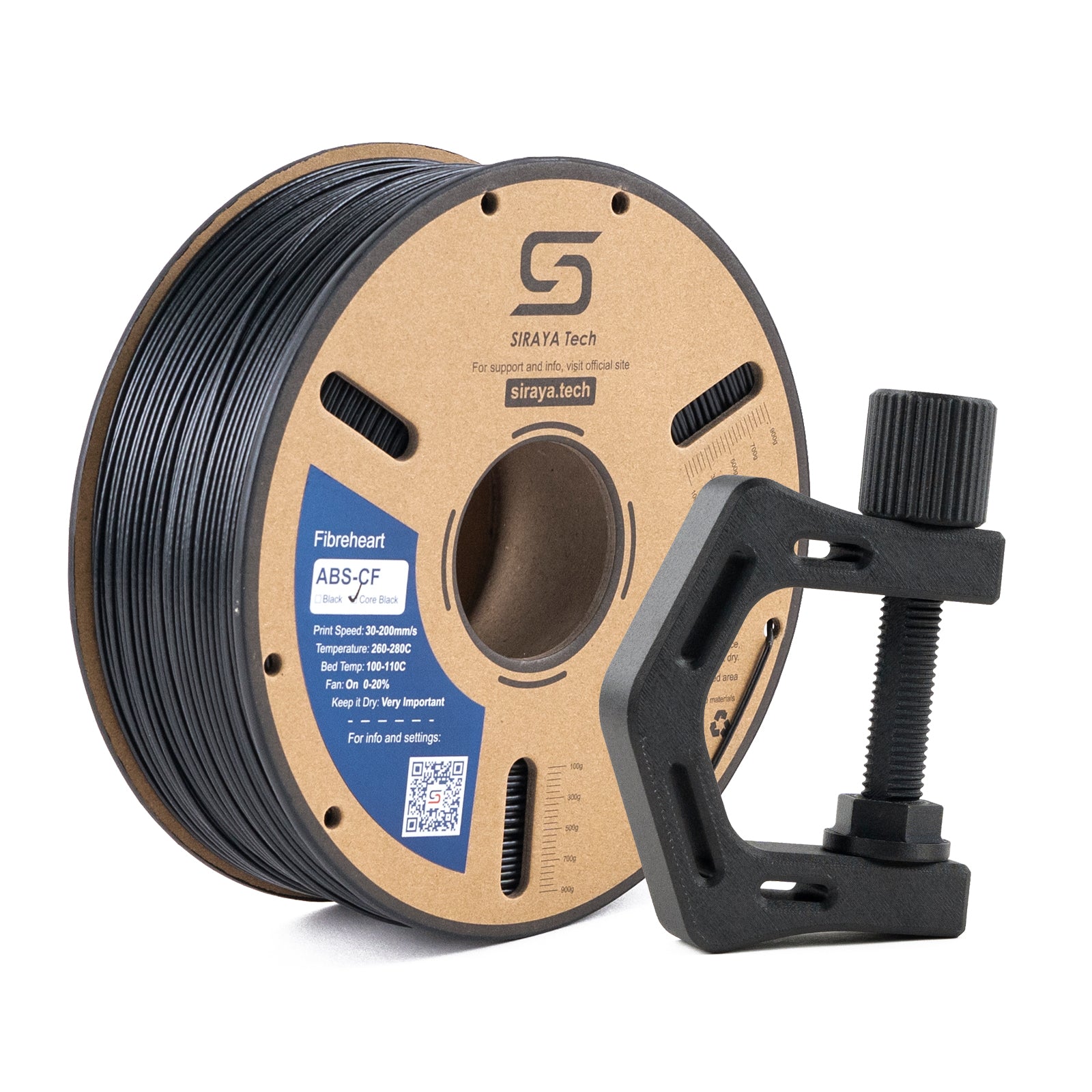
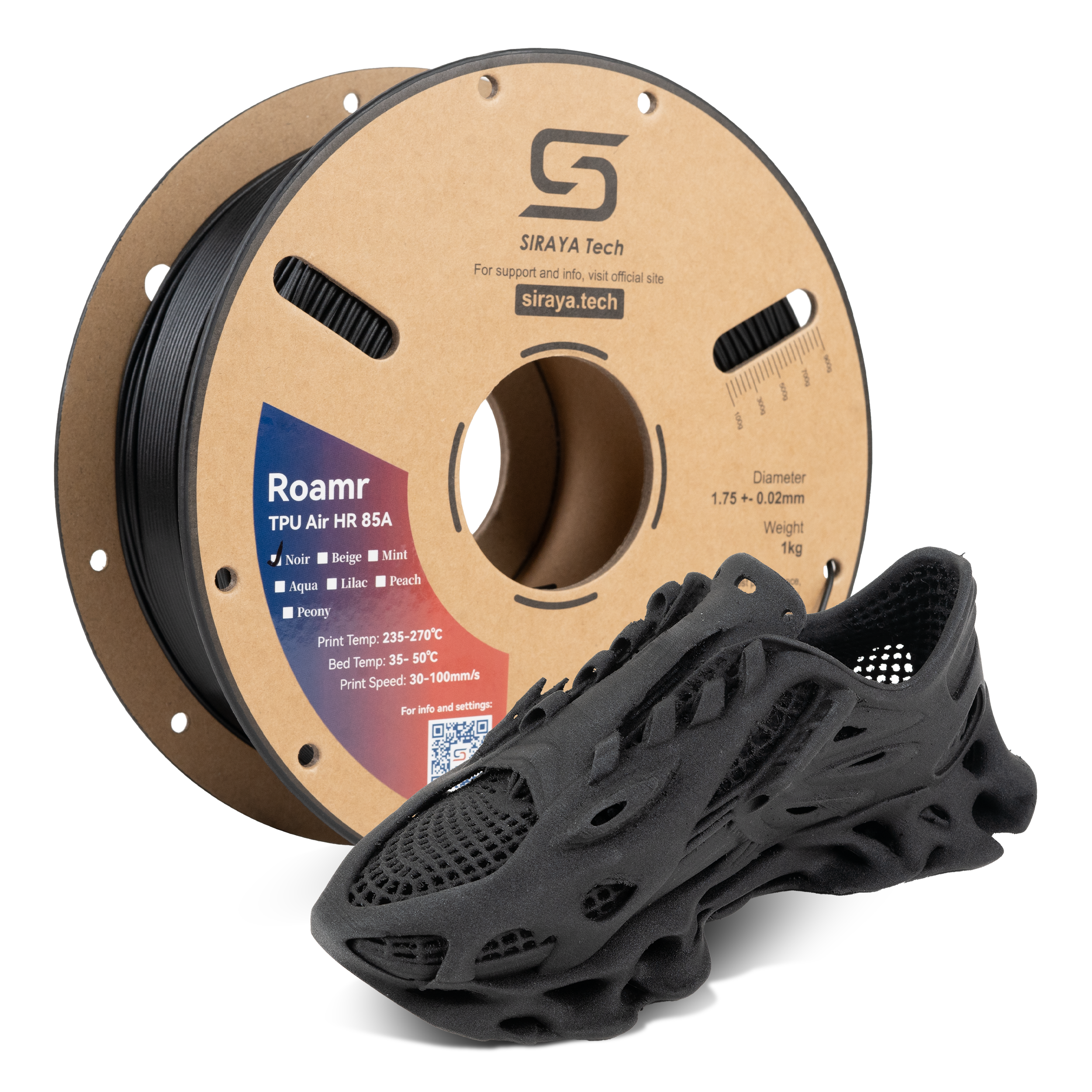
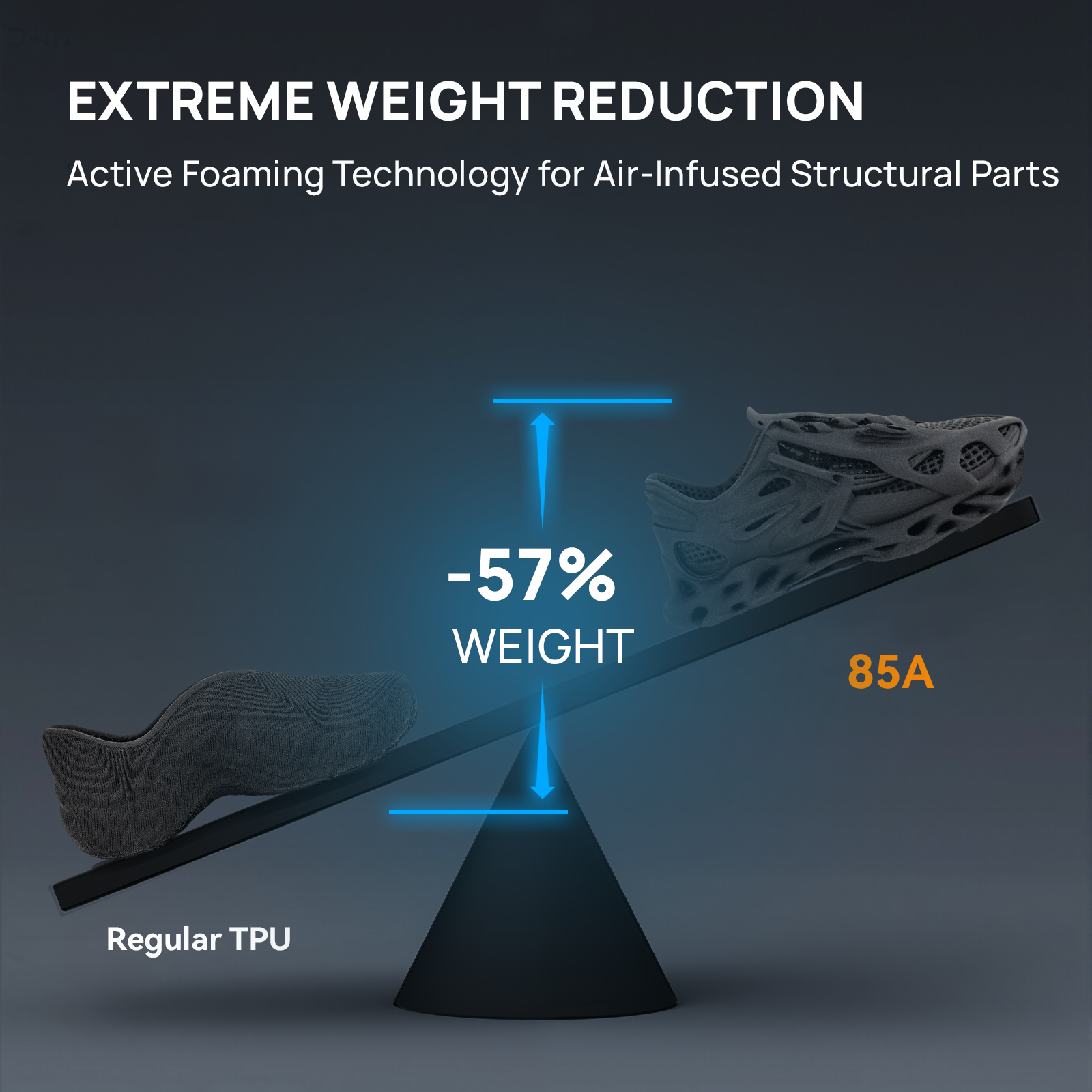
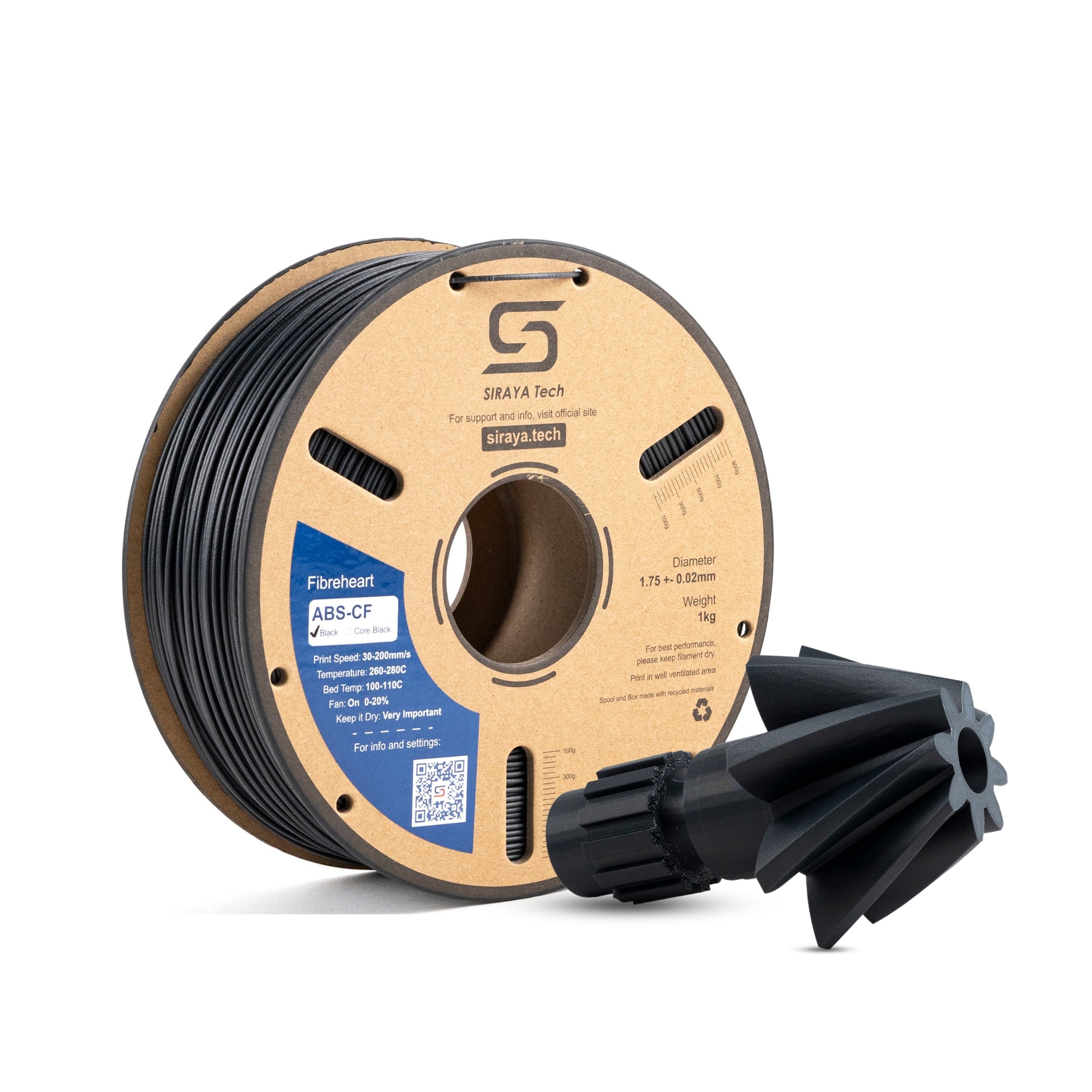
Bambu Lab A1 Mini filament needs to match a printer with a smaller bed, a plain stainless nozzle, and an AMS Lite that handles fewer materials than the AMS used on bigger Bambu models. Siraya Tech stocks PLA, PETG, ABS, and reinforced filament that prints reliably on the A1 Mini without the upgrades larger Bambu printers can rely on.
What Works on the A1 Mini
The A1 Mini ships with a 180x180x180mm build volume, a hotend rated to 300C, a bed rated to 80C, and a plain stainless steel 0.4mm nozzle rather than hardened steel. Bambu officially supports PLA, PETG, and TPU on this printer, along with their matching support filaments. ABS, ASA, PC, and nylon are not recommended since the A1 Mini has no enclosure and a lower bed ceiling than Bambu's larger machines.
PLA and PETG print cleanly on the stock setup with no hardware changes
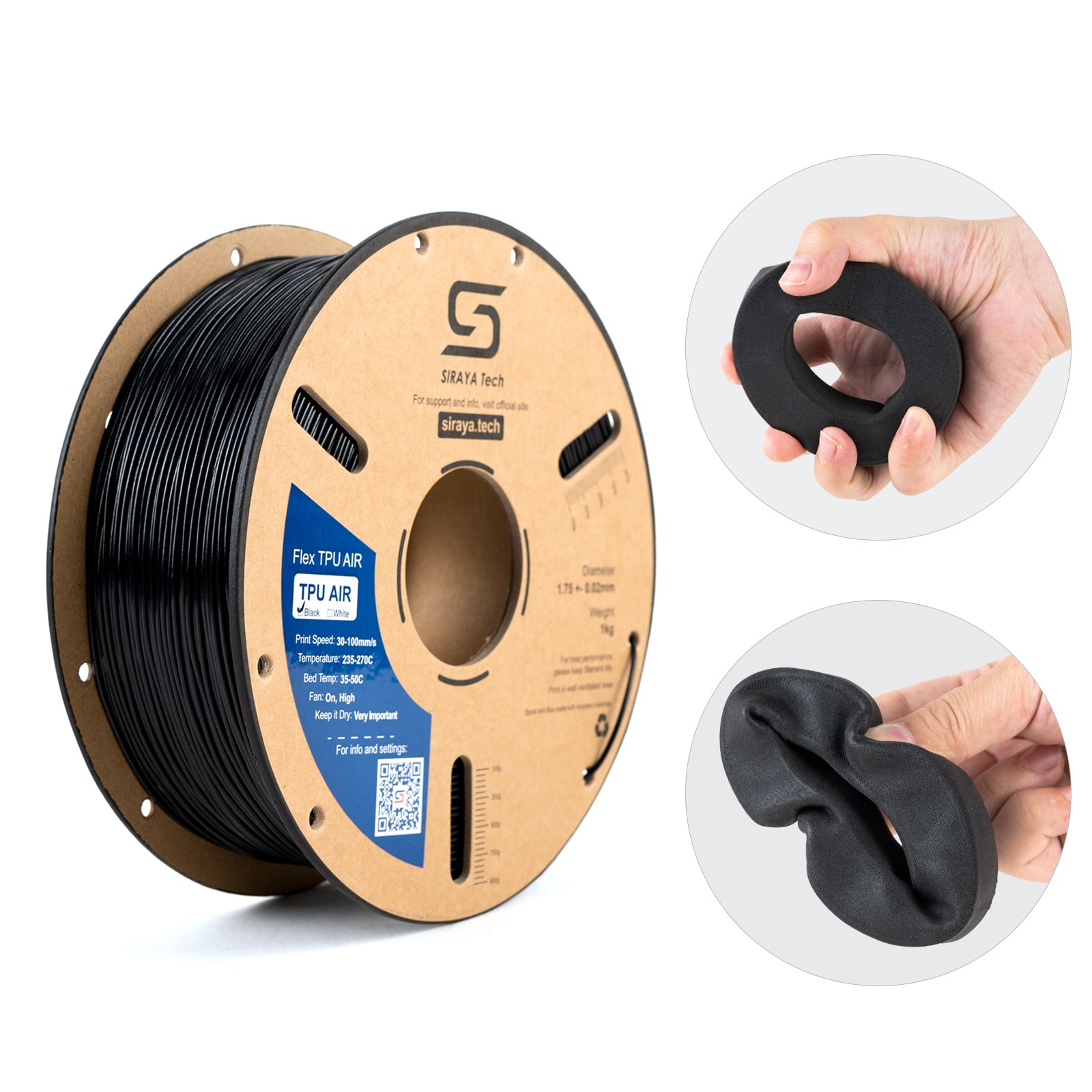
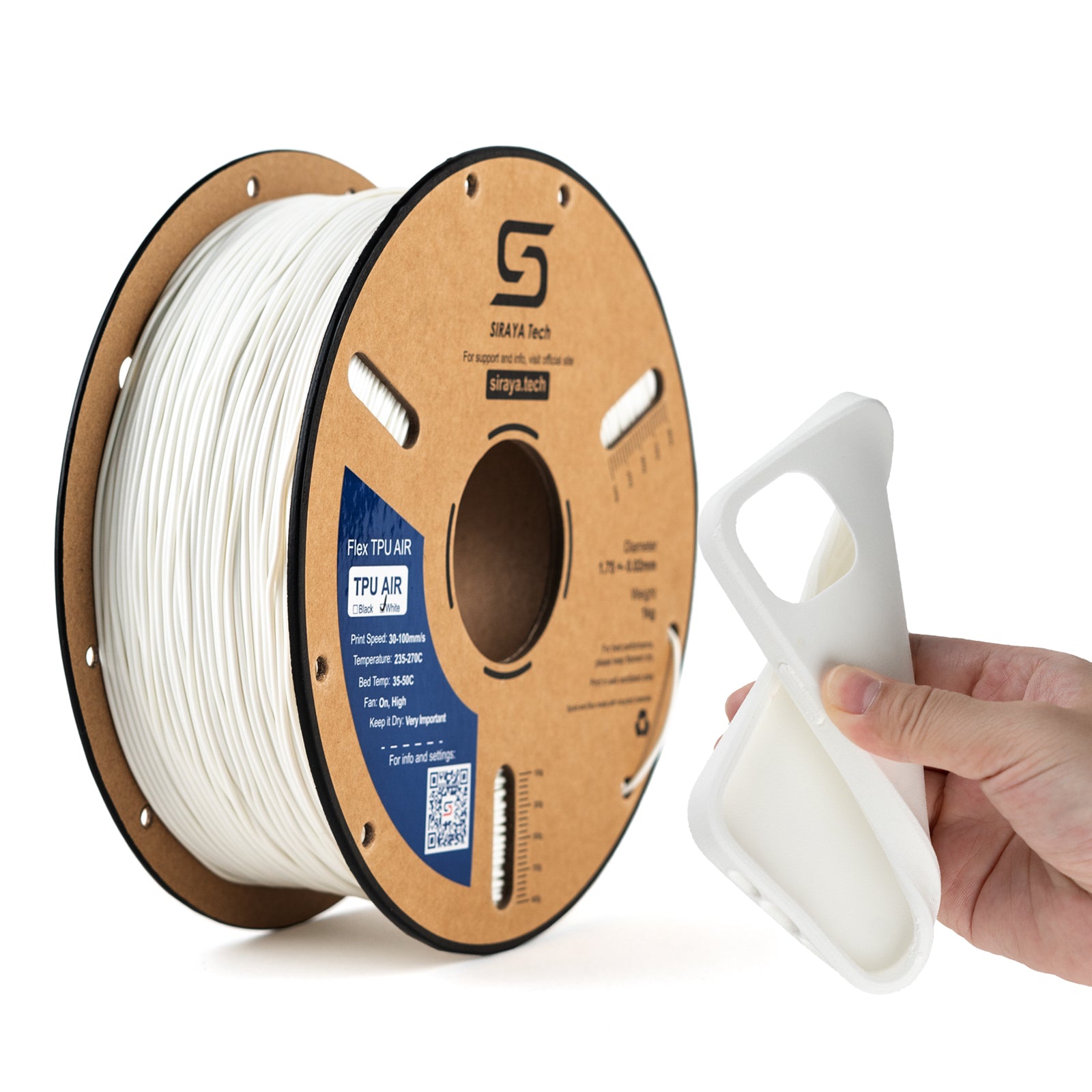
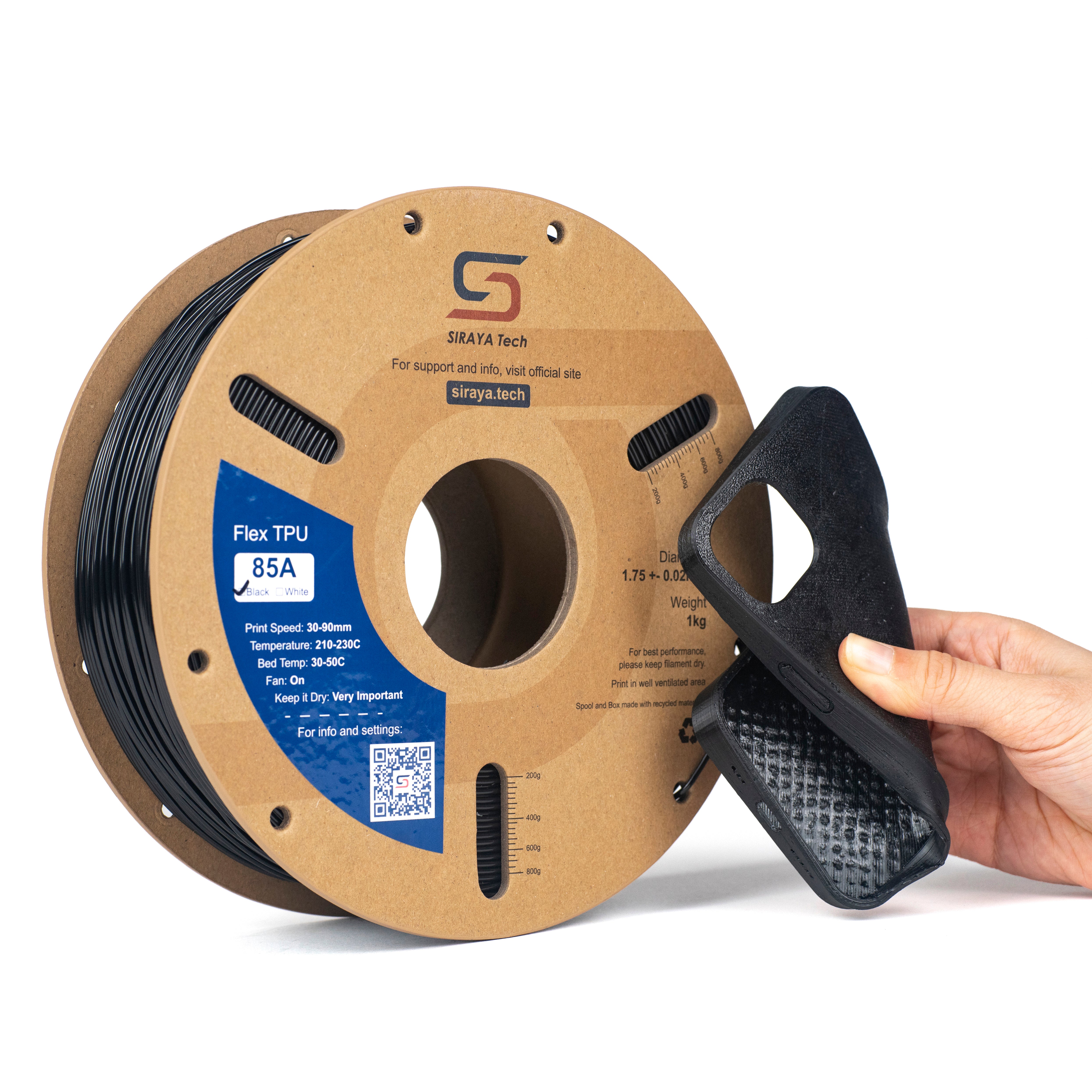
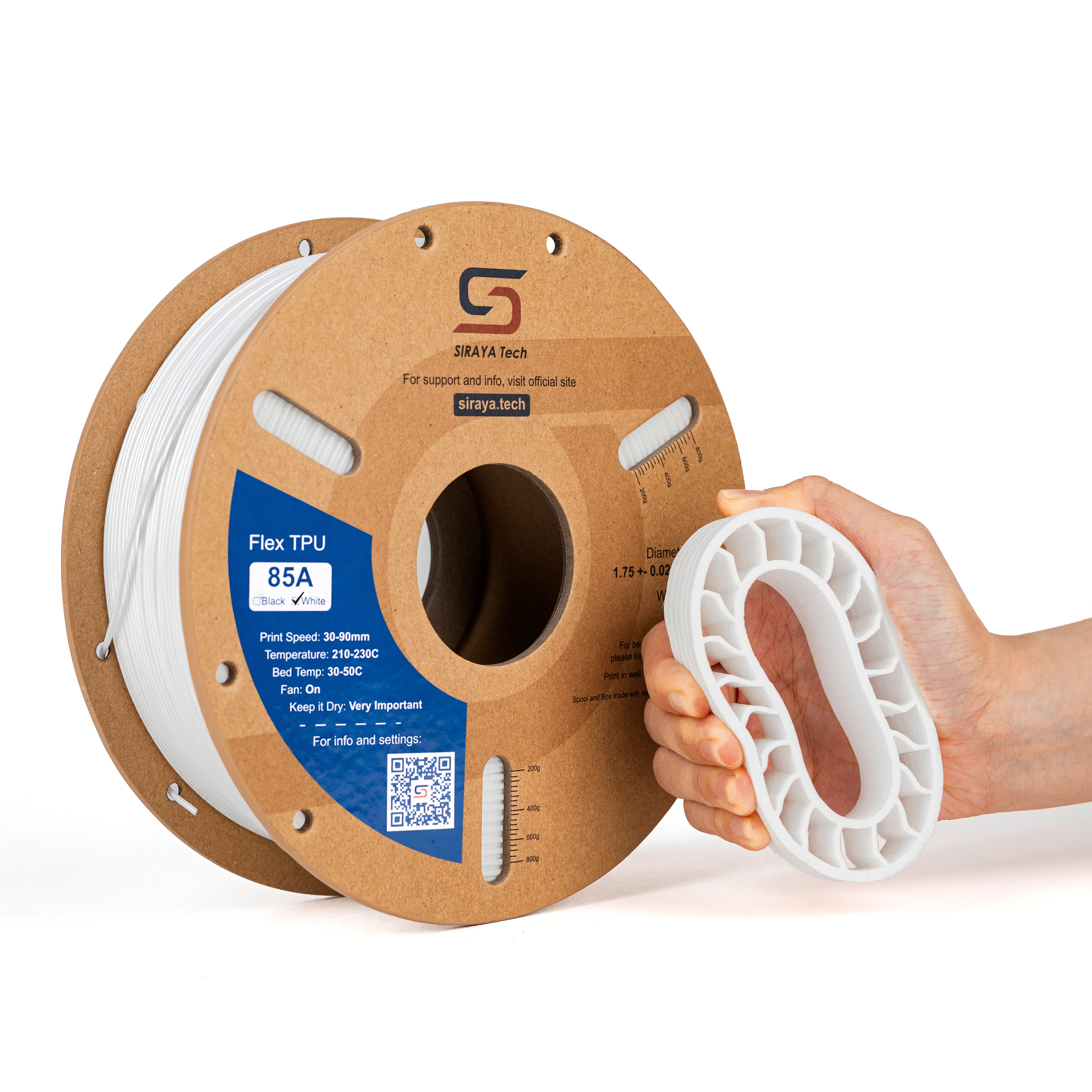
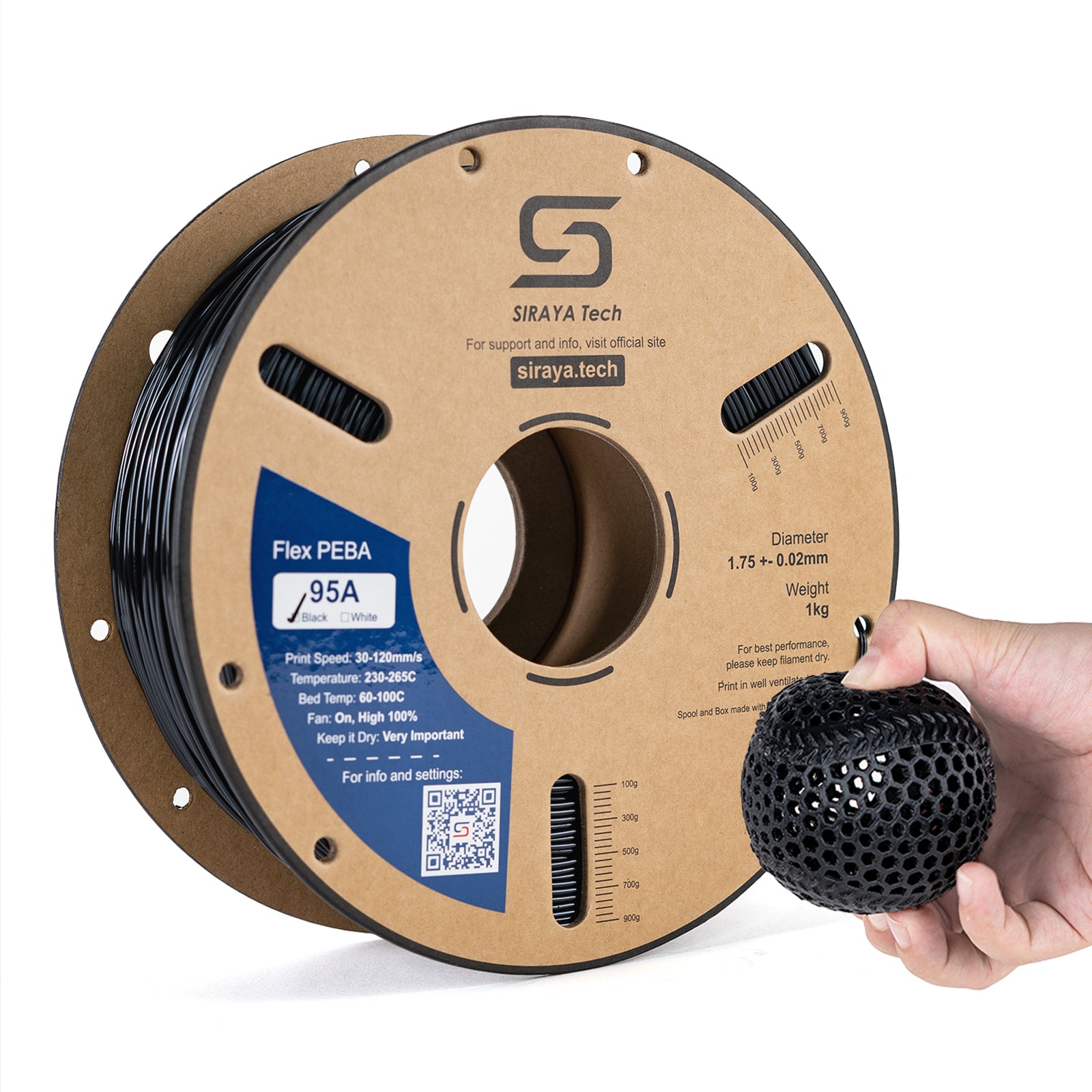
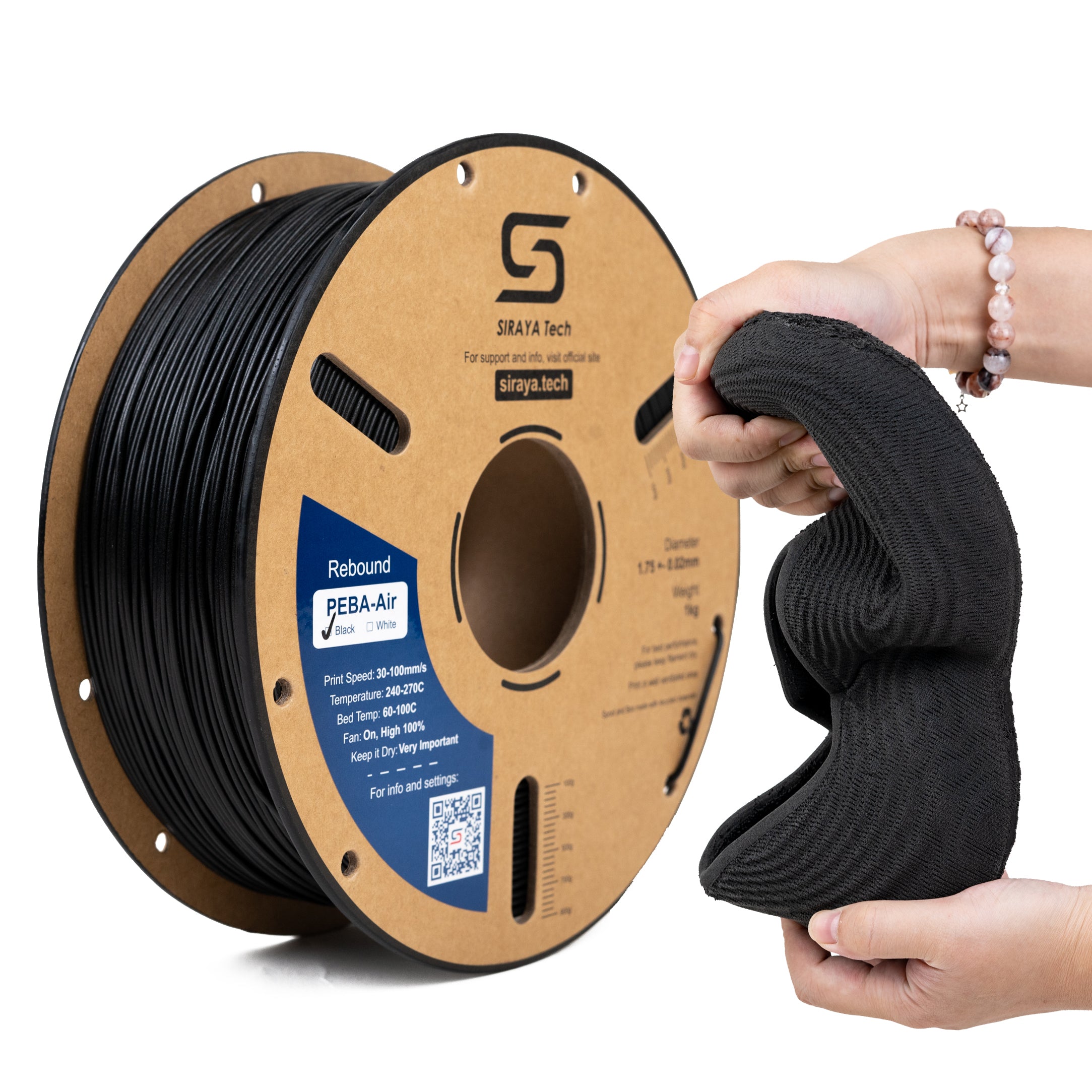
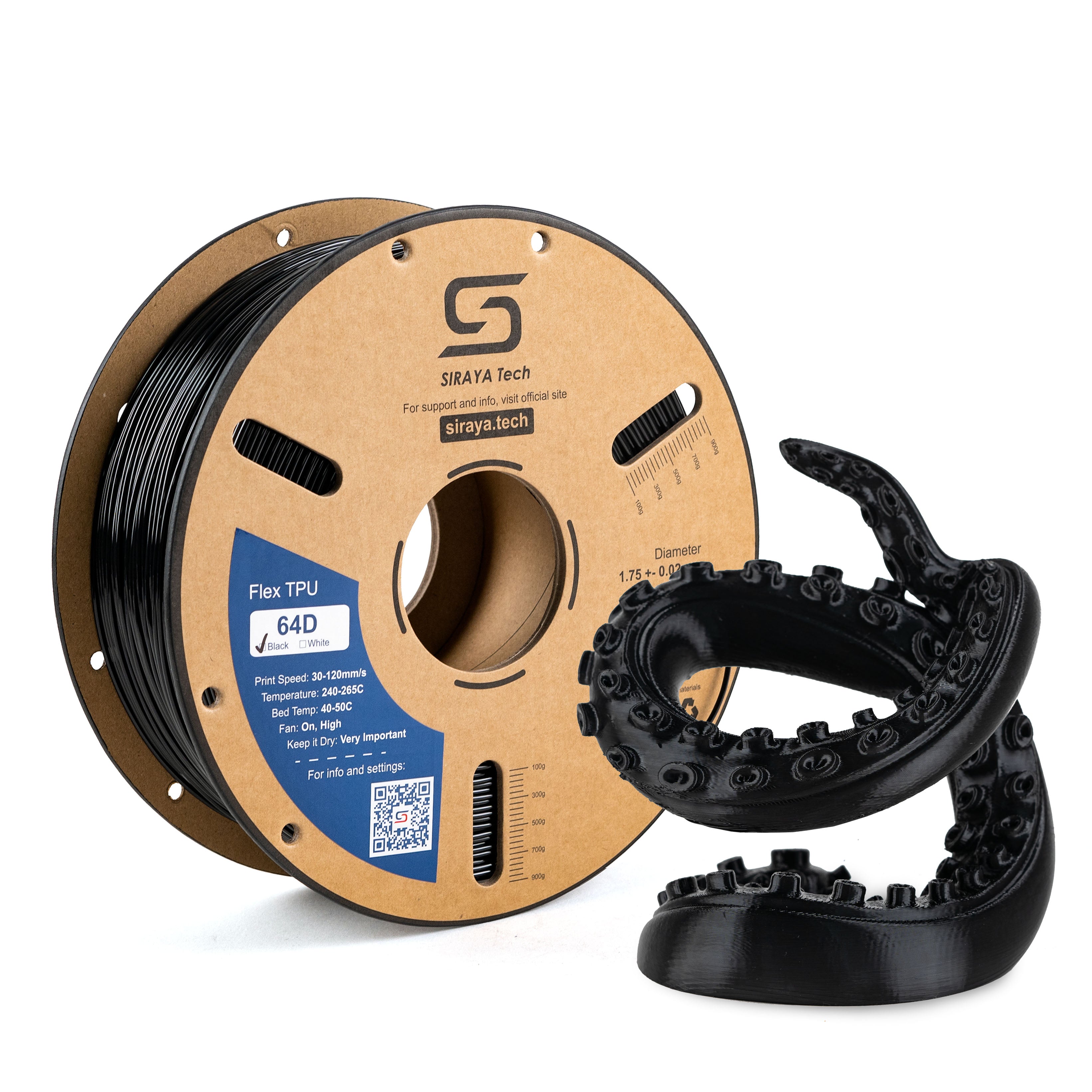
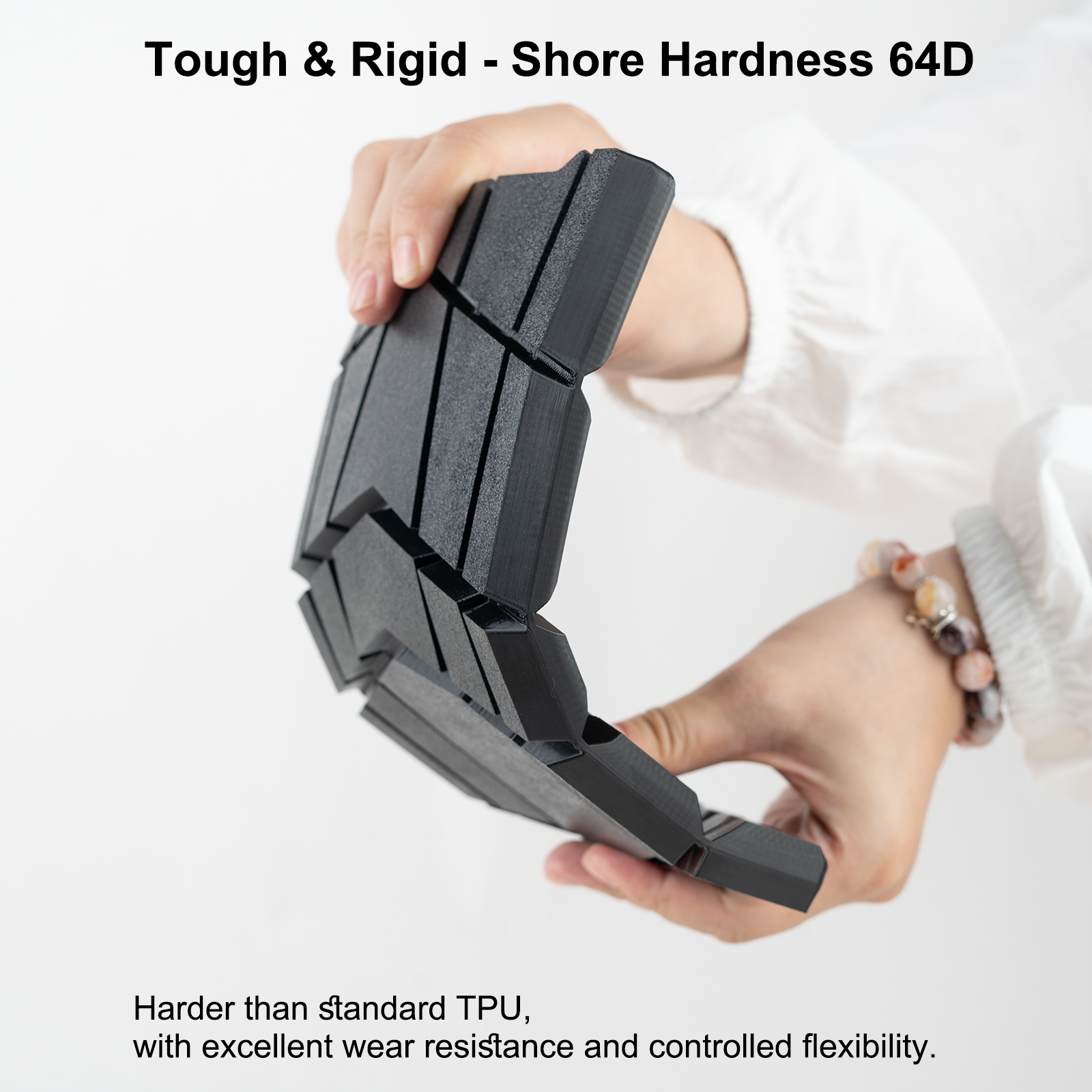
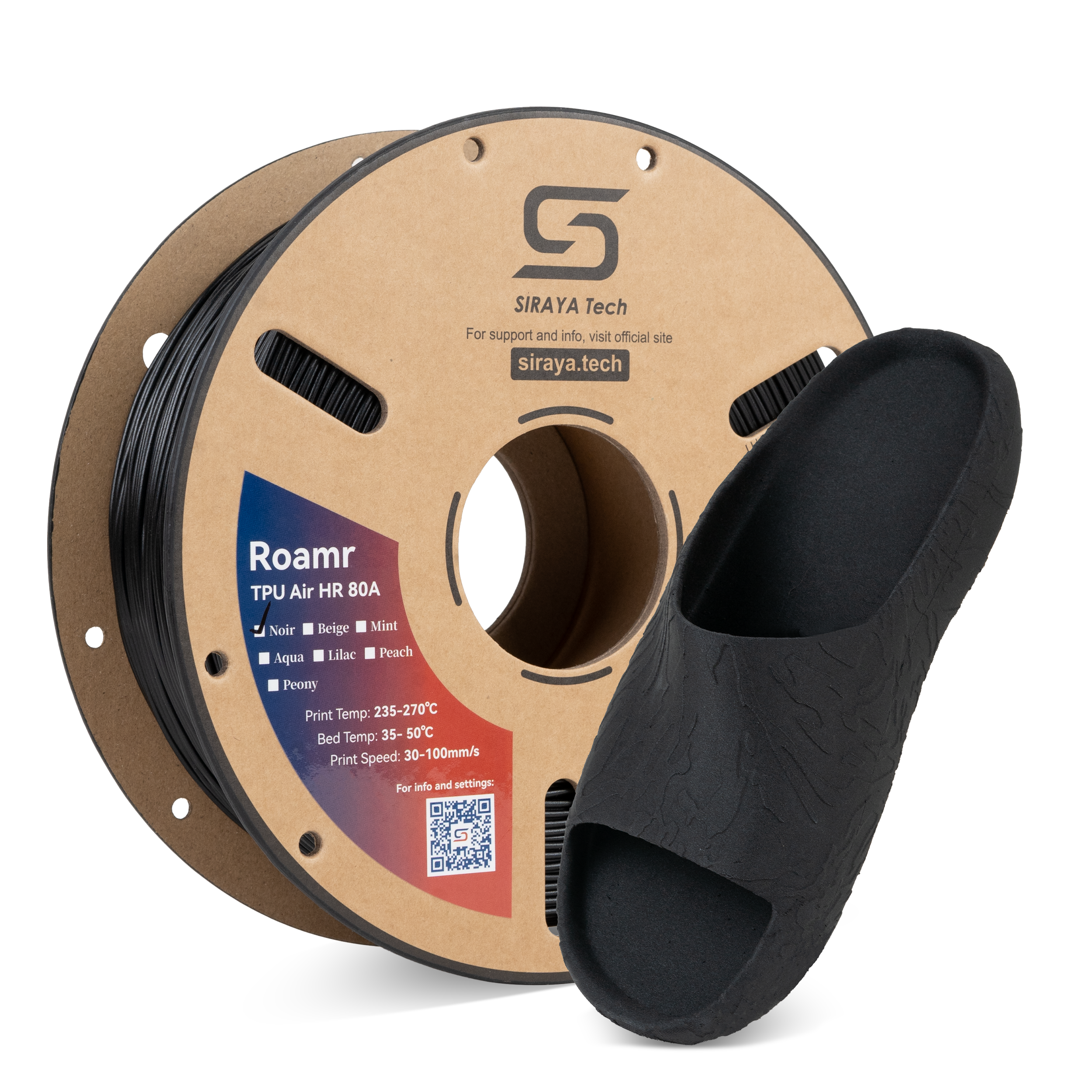
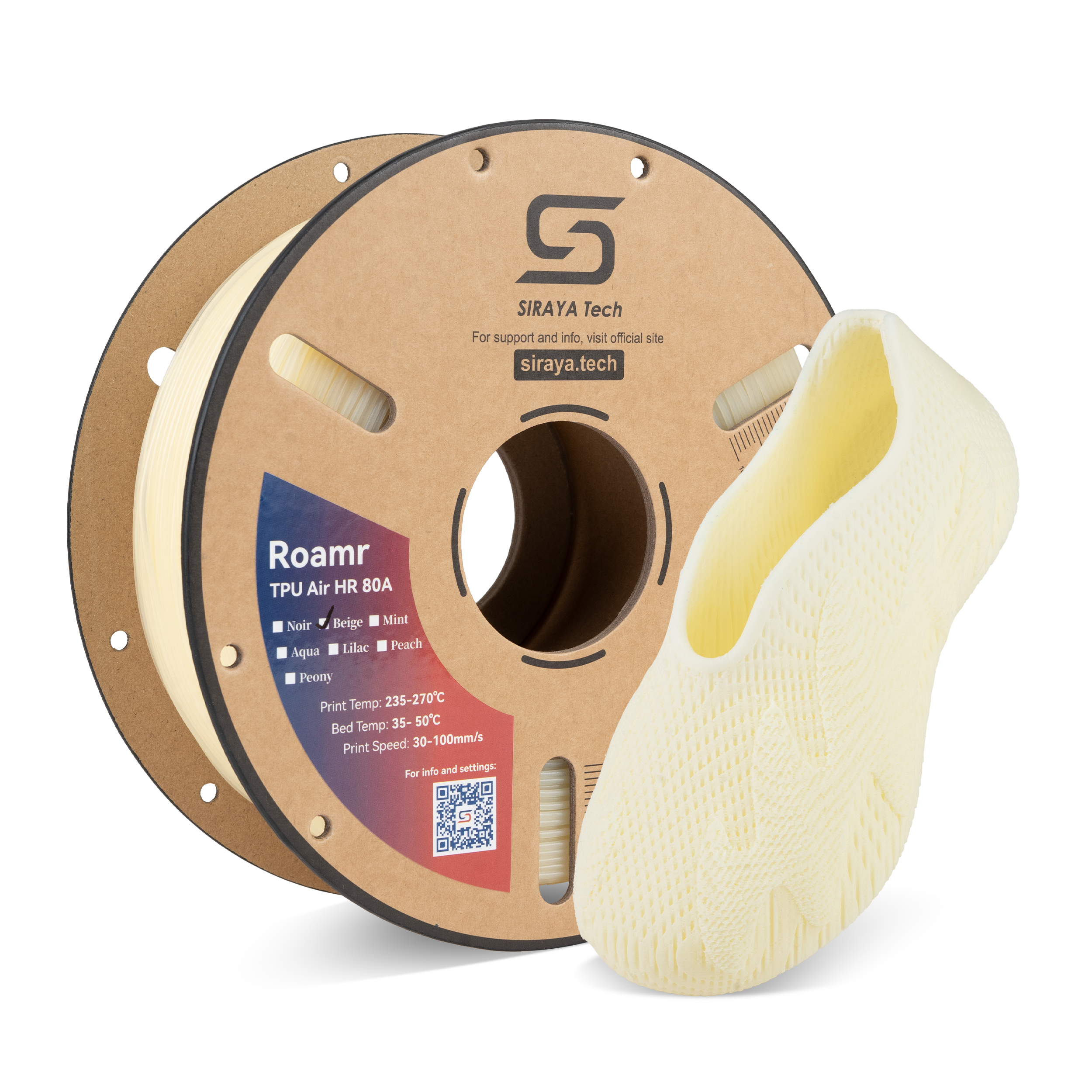
TPU works but needs 80A hardness or higher per Bambu's own guidance
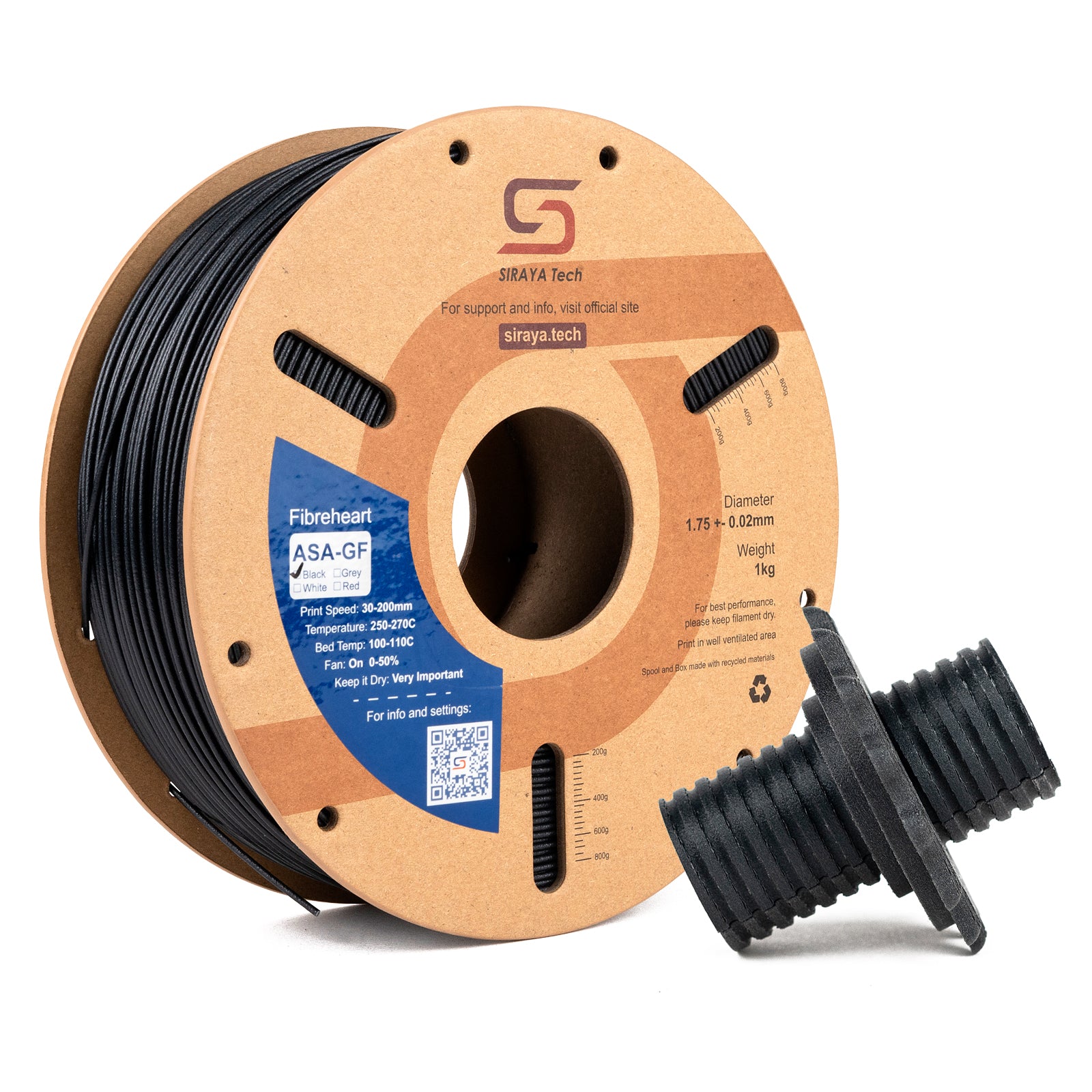
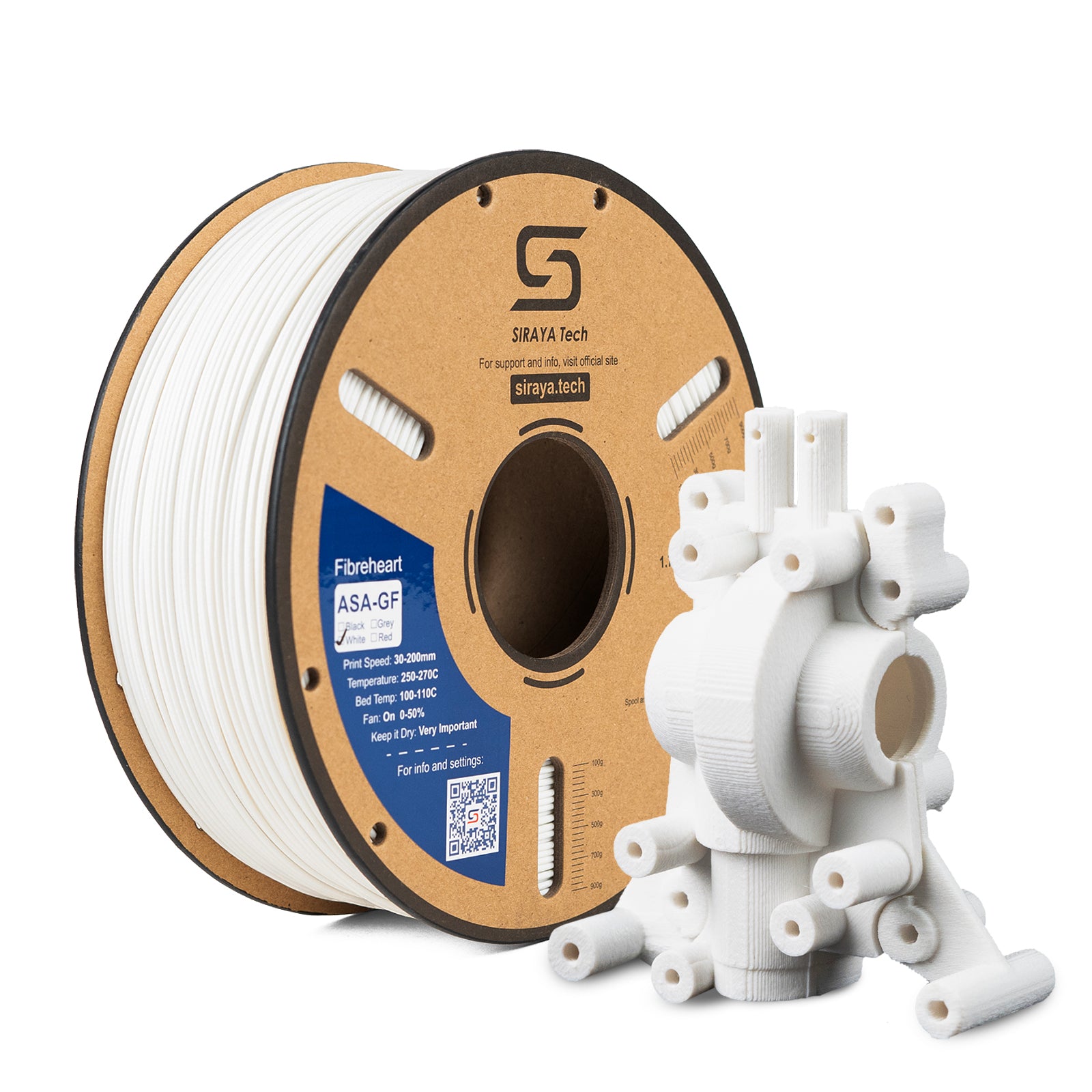
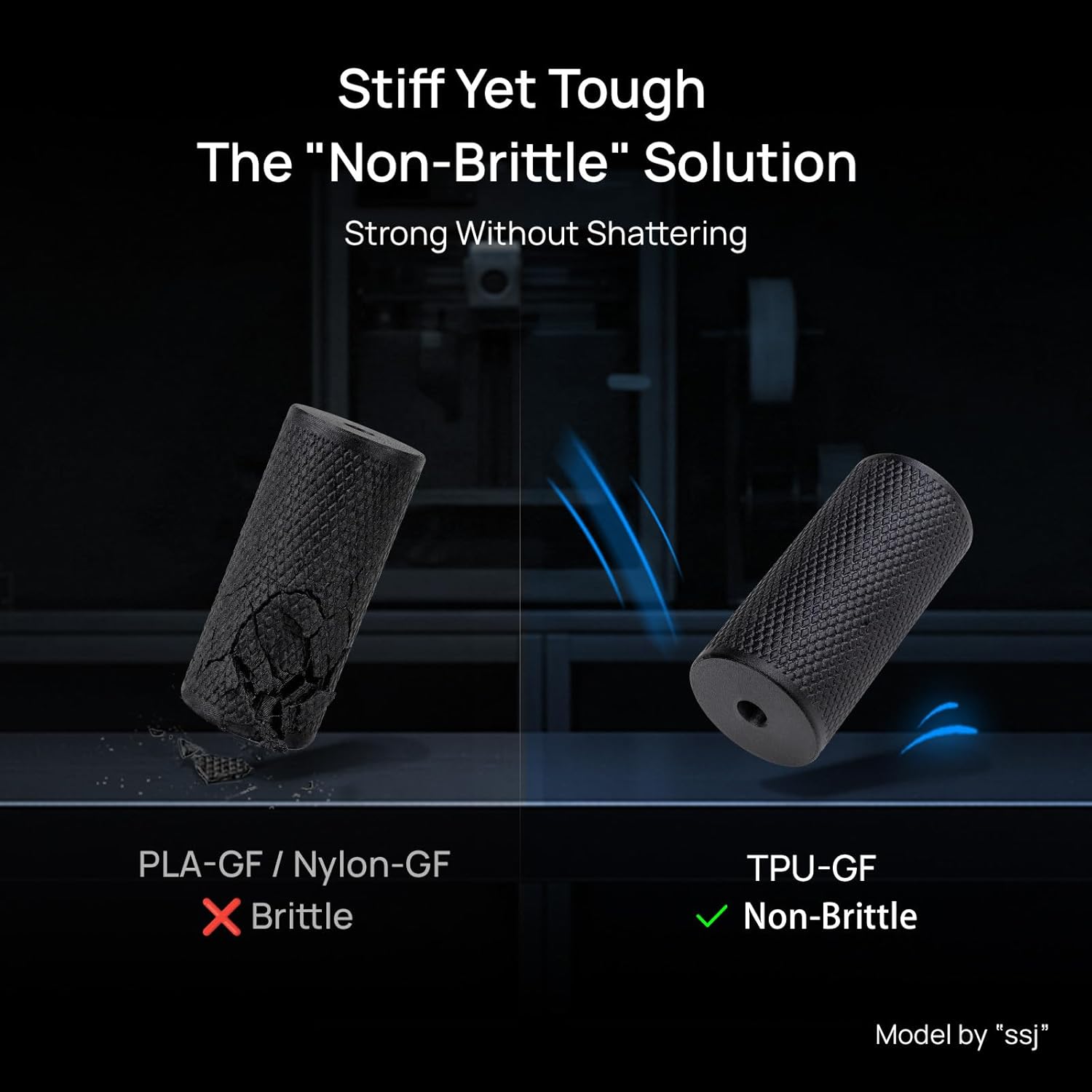
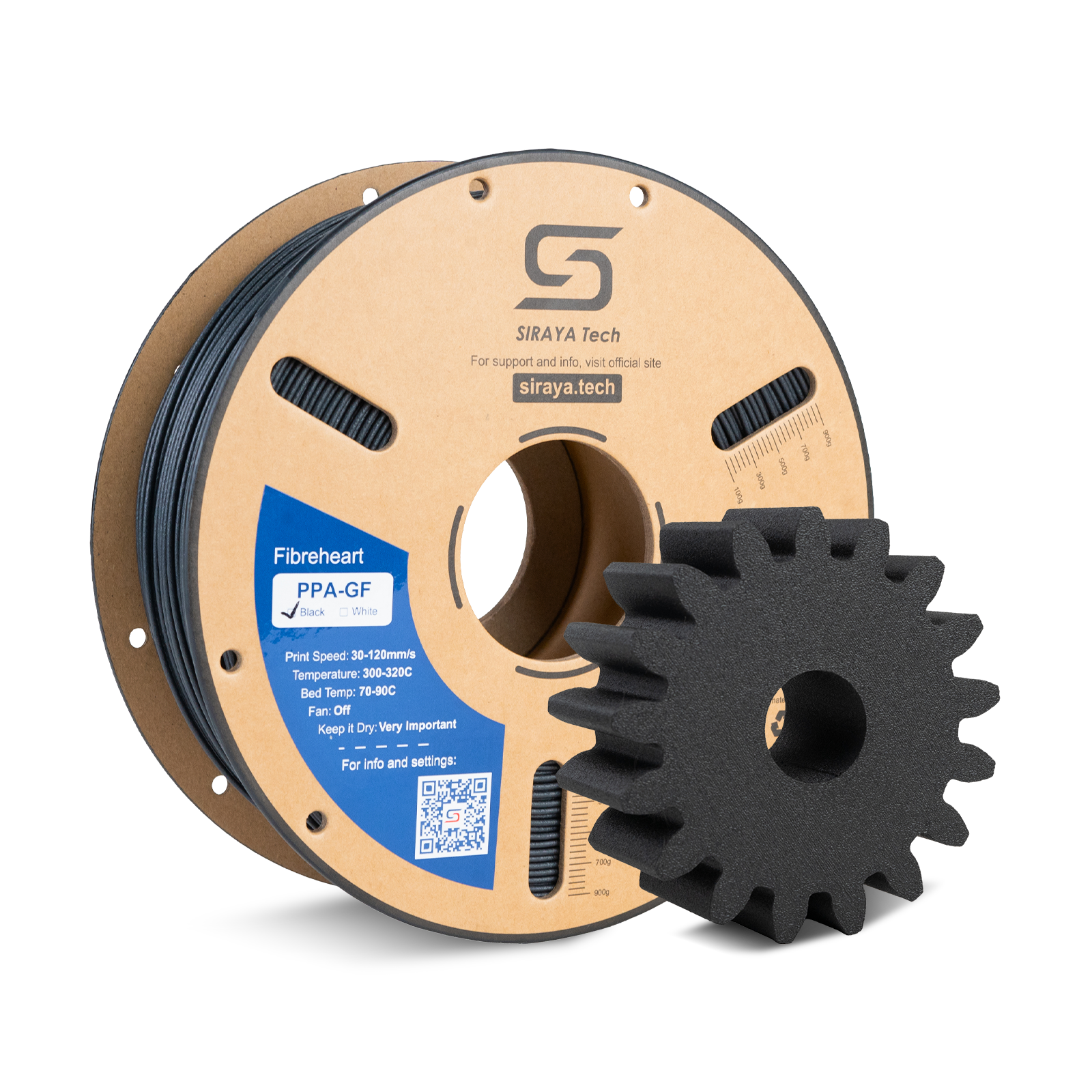
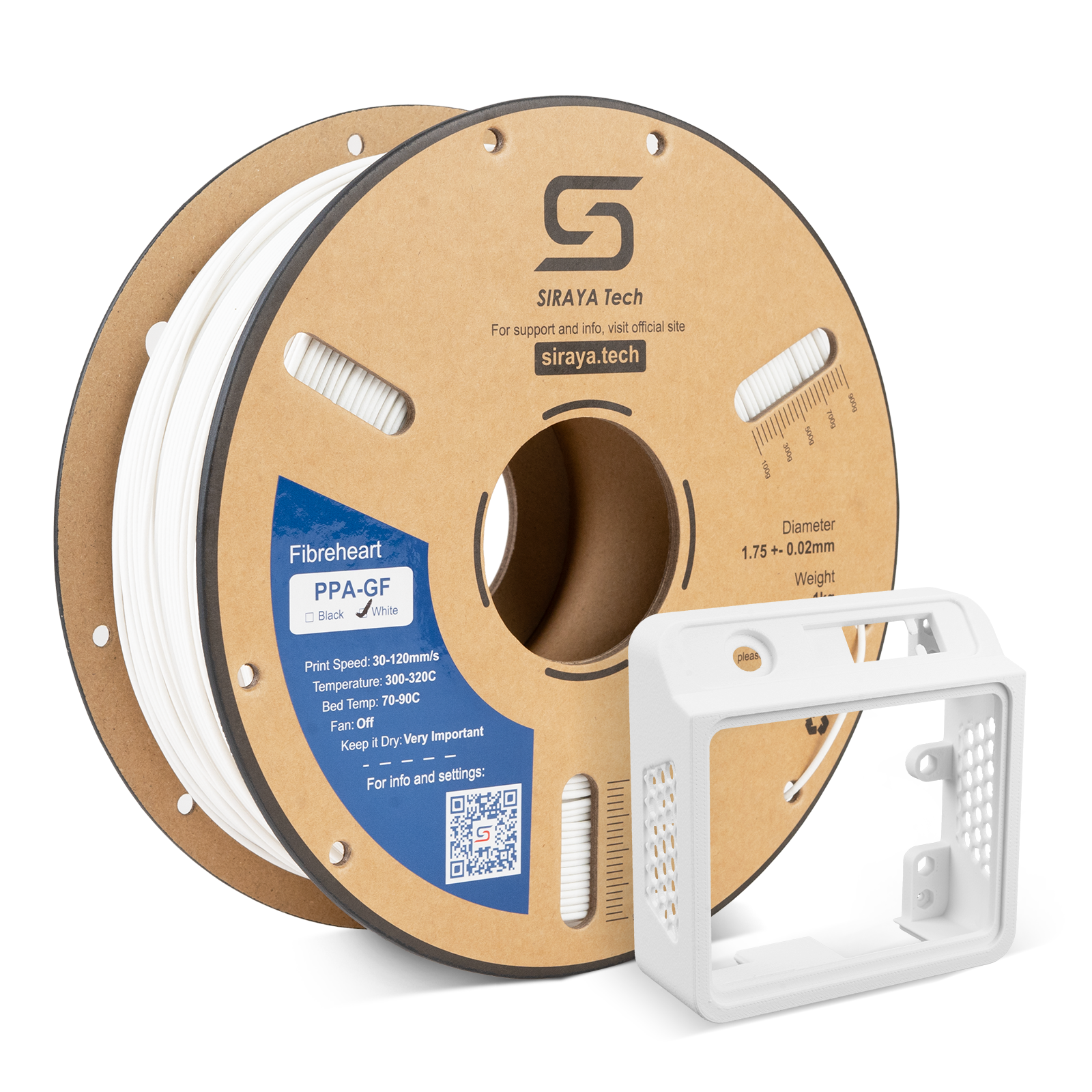
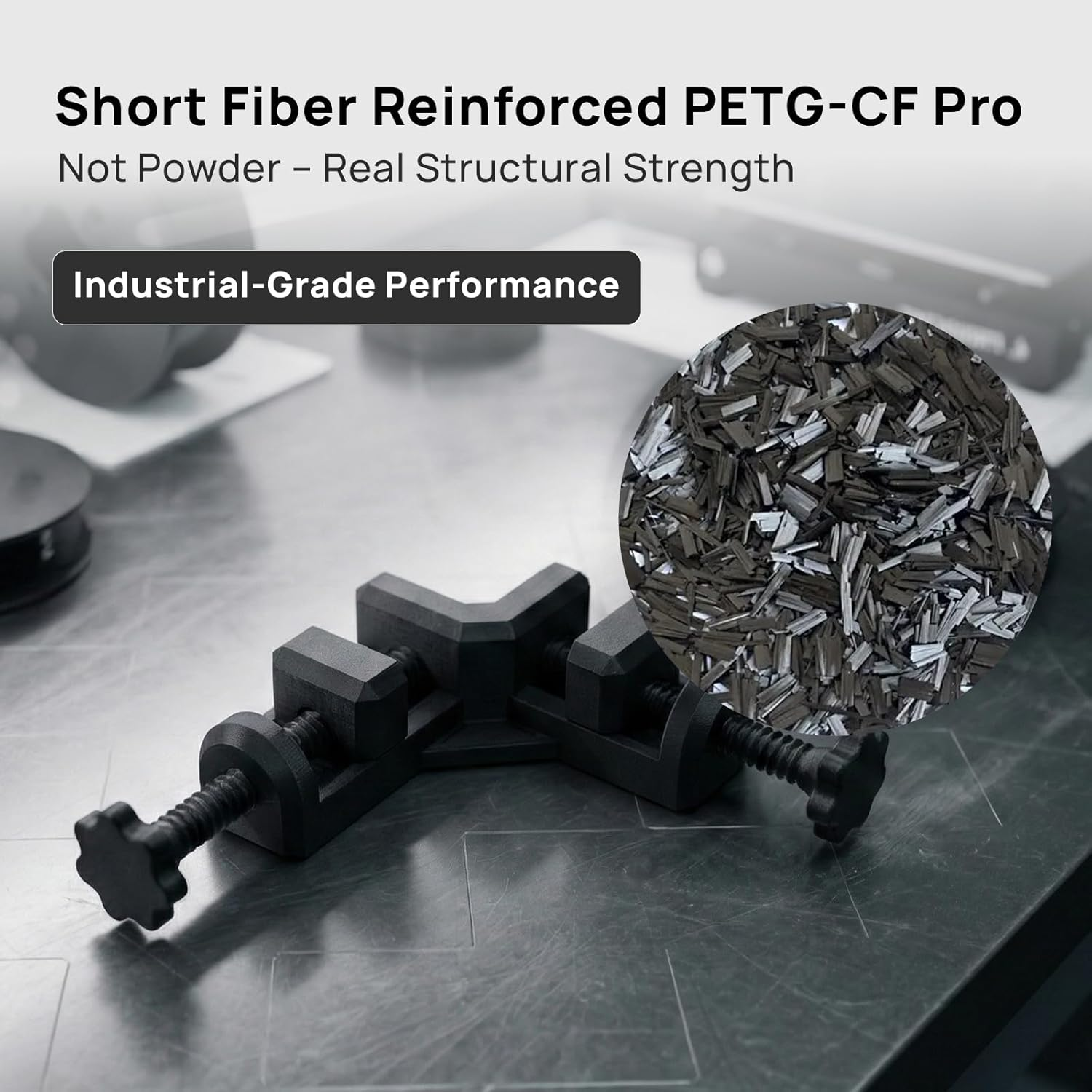
Carbon and glass fiber filament requires a hardened steel nozzle before printing
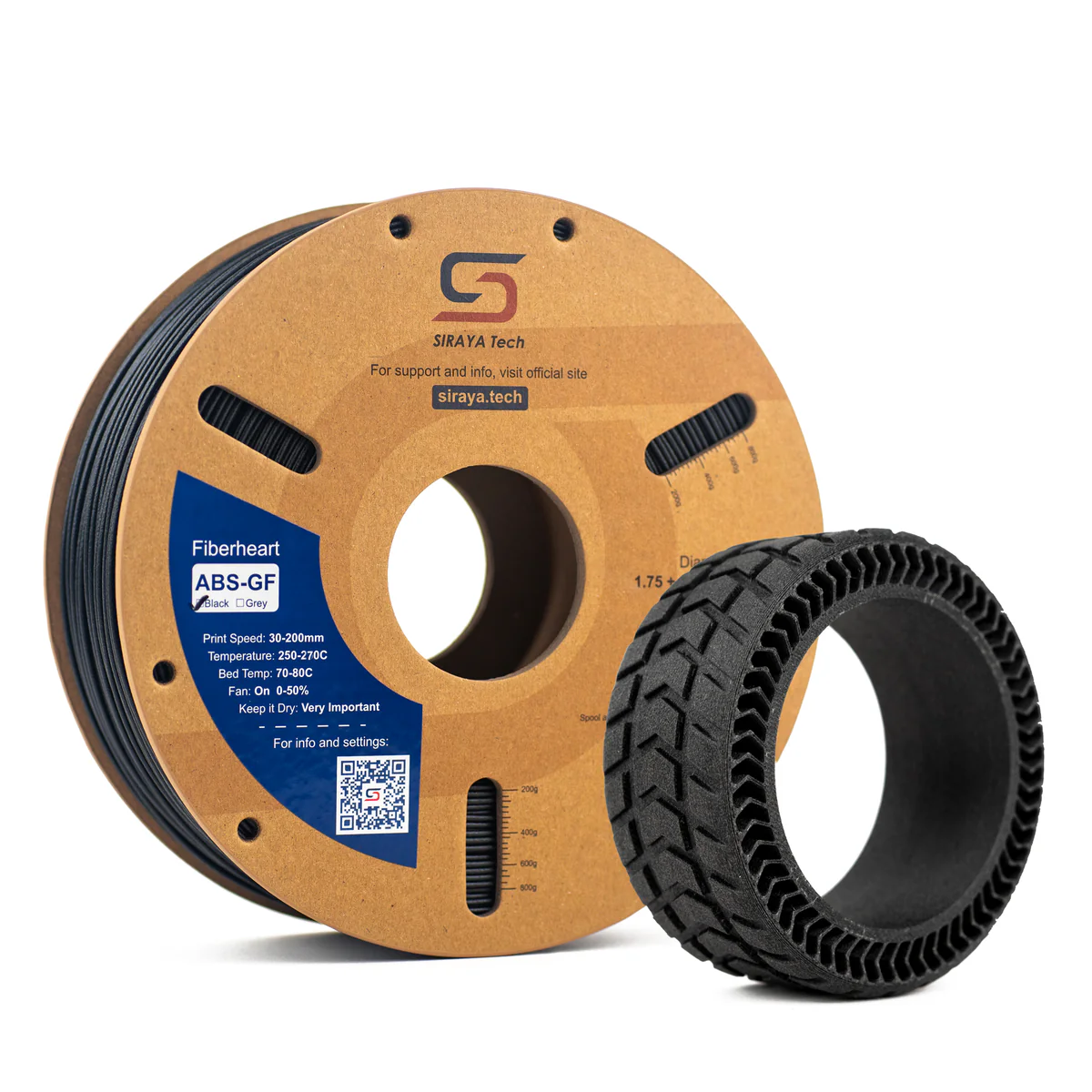
ABS and ASA are possible but not recommended without an added enclosure
PLA vs PETG vs PETG-CF vs TPU
Material
A1 Mini Compatible
Nozzle Needed
Best For
PLA
Yes
Stock stainless
Everyday prints, prototypes
PETG
Yes
Stock stainless
Functional parts
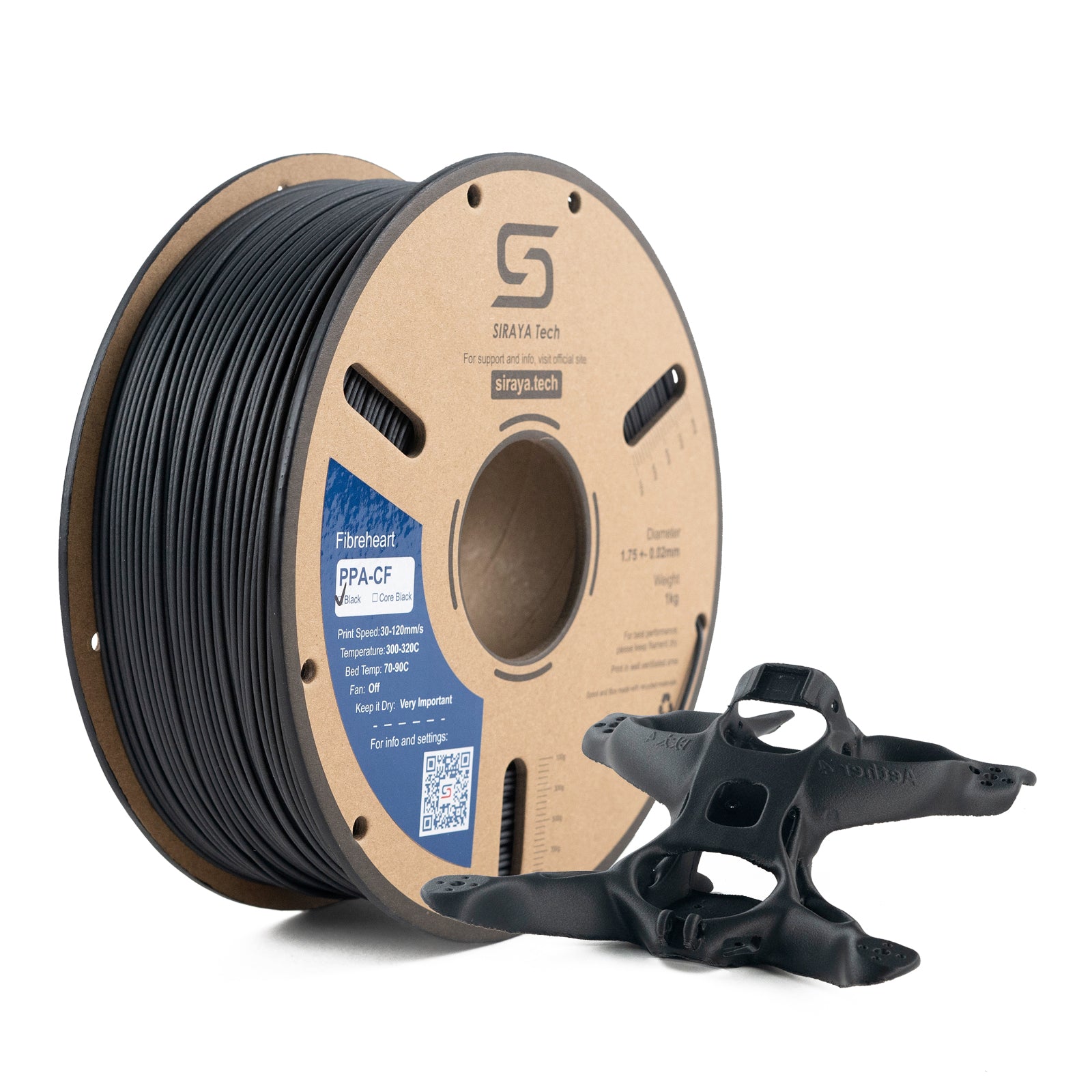
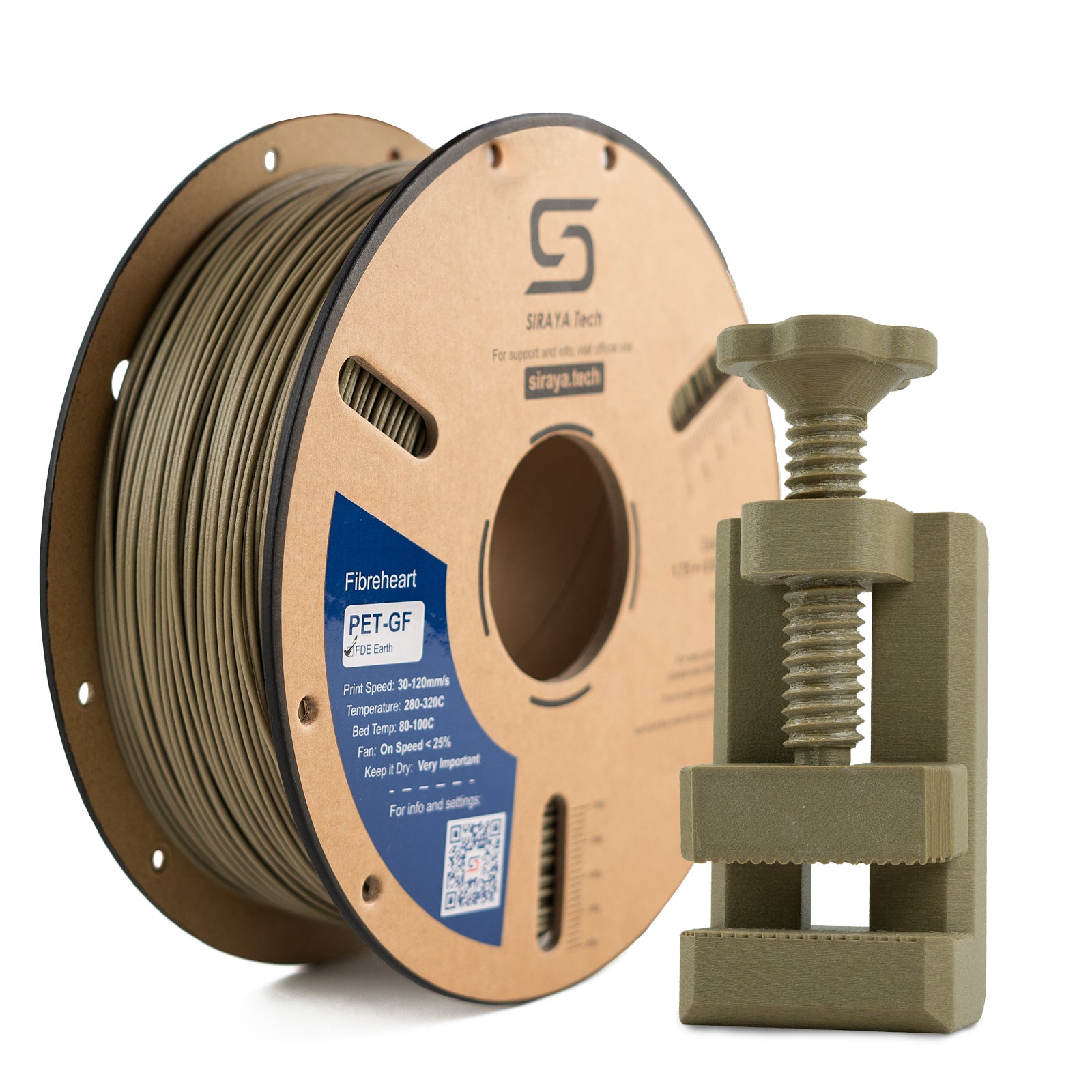
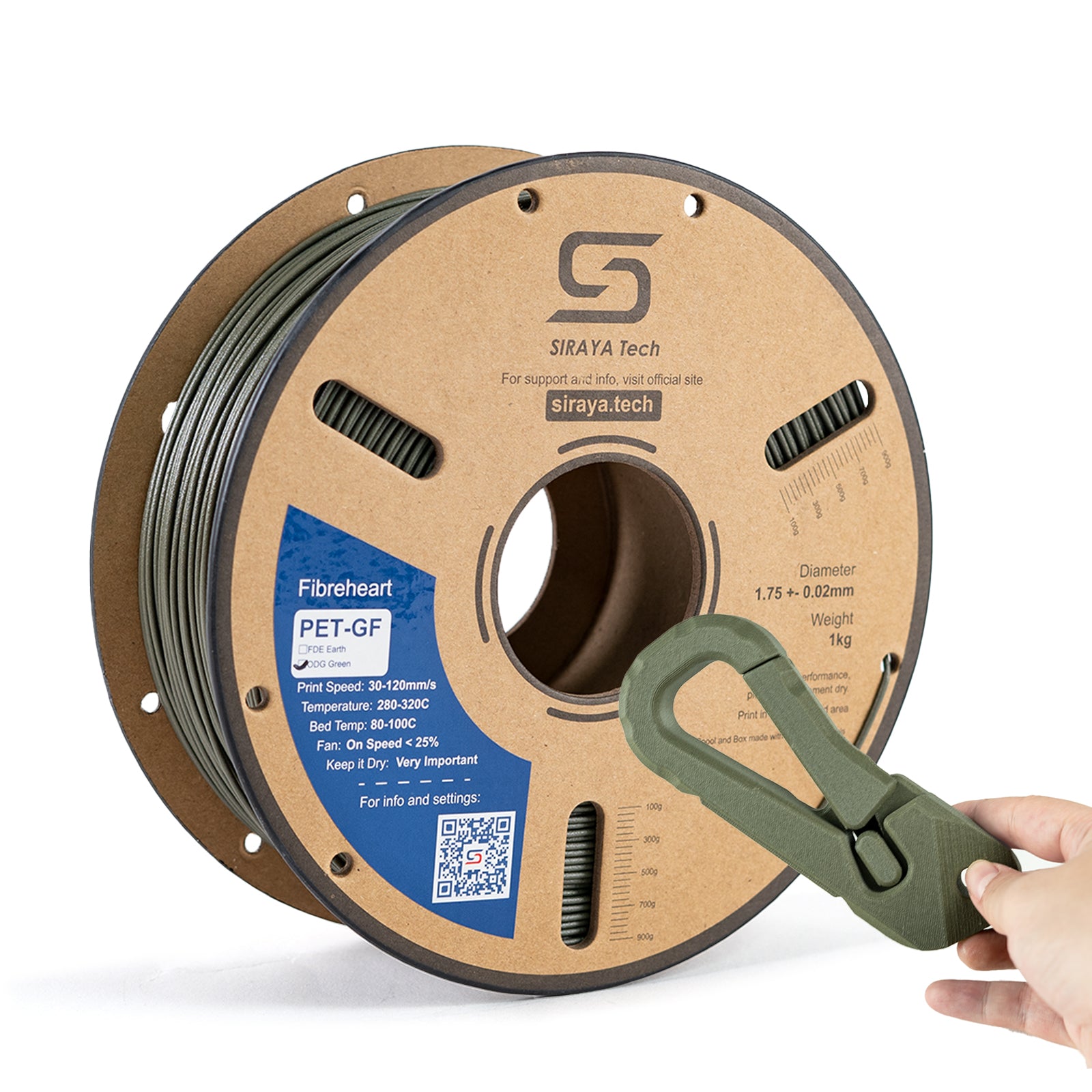
PETG-CF
Yes, with nozzle swap
Hardened steel required
Stiff, load bearing parts
TPU (80A+)
Yes, AMS Lite limited
Stock stainless
Flexible grips and gaskets
Swipe to see all columns →
AMS Lite and Carbon Fiber Limits
The AMS Lite on the A1 Mini is not the same unit as the AMS on Bambu's larger printers, and Bambu's own documentation states it does not support TPU, TPE, or PVA through the feeder. Third party carbon or glass fiber filament is also not recommended through AMS Lite, with Bambu's own PLA-CF and PETG-CF listed as the only tested exceptions. Anyone printing fiber reinforced filament on an A1 Mini should feed it directly rather than through AMS Lite, and install a hardened steel nozzle first since the stock stainless nozzle wears quickly against abrasive fiber.
How to Print Reinforced Filament Successfully
Install a hardened steel nozzle before loading any carbon or glass fiber filament. The stock stainless nozzle is not rated for abrasive material.
Feed fiber reinforced filament directly rather than through AMS Lite, since third party CF and GF spools are not validated for the AMS Lite feeder.
Dry the filament first. PETG-CF absorbs moisture quickly, and wet filament strings and weakens layer bonding.
Use TPU rated 80A or higher. Bambu's own guidance states softer TPU below 80A should not be printed on this printer.
Keep print speed moderate on fiber filled material. The A1 Mini's small frame benefits from slower, more controlled moves on stiffer filament.
What filament works best on the Bambu Lab A1 Mini?
PLA, PETG, and TPU rated 80A or higher are officially supported on the A1 Mini's stock stainless nozzle. PETG-CF and other fiber reinforced filaments print well too, but only after installing a hardened steel nozzle, since the stock nozzle is not rated for abrasive material.
Can I print carbon fiber filament through the AMS Lite?
Bambu's own documentation advises against feeding third party carbon or glass fiber filament through AMS Lite. The only tested exceptions are Bambu's own PLA-CF and PETG-CF. For other brands, feed fiber filament directly and skip AMS Lite.
Does the A1 Mini need a hardened steel nozzle?
Only if you plan to print carbon or glass fiber filament. The stock 0.4mm nozzle is plain stainless steel, not hardened, and abrasive fiber filled filament will wear through it quickly. PLA, PETG, and TPU run fine on the stock nozzle.
Can I print ABS on a Bambu Lab A1 Mini?
It is possible but not officially recommended. The A1 Mini has no enclosure and a bed limited to 80C, both of which make ABS prone to warping. Bambu's official support list for this printer includes PLA, PETG, and TPU, not ABS.
What TPU hardness should I use on the A1 Mini?
Bambu officially recommends 80A or higher. Their own guidance states that TPU at 75A or softer should not be printed on this machine, since the AMS Lite feed path is not designed for very soft flexible filament.