
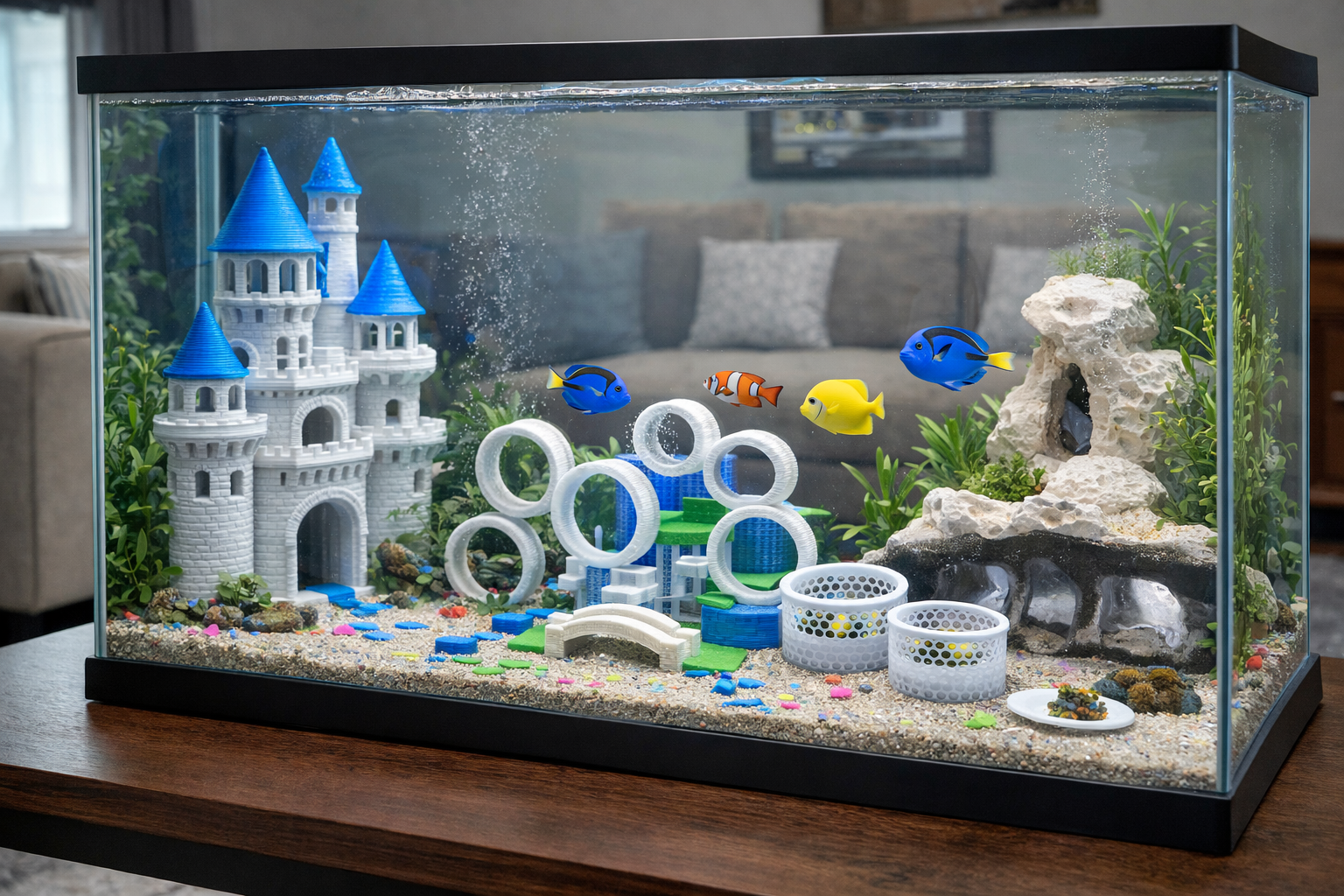
If you are planning to place a 3D printed object in a fish tank, it is normal to ask is PLA filament aquarium safe. Many aquarium hobbyists use 3D printing to create decorations, plant holders, or small tools, but not all plastics behave well underwater.
PLA is popular because it is easy to print, yet water exposure changes how it performs.
Read on to understand when PLA can be used safely and when other materials are a better choice.
What Is PLA Filament and Why Aquarium Owners Use It
PLA filament is a common 3D printing material made from plant based sources. It prints at lower temperatures and is known for smooth finishes and easy handling. Because of this, many beginners choose PLA for aquarium related projects.
Aquarium owners often use PLA for simple items like decorations or plant guides. However, ease of printing does not always mean long term water safety. Understanding how PLA reacts in a tank is essential.
Is PLA Filament Aquarium Safe for Fish and Plants?
PLA filament can be aquarium safe under specific conditions. It is generally considered low toxicity, but it is not designed for permanent underwater use. The main risks come from heat, long exposure, and material breakdown.
PLA works best in cool freshwater tanks for short term use. In warm or saltwater tanks, PLA can soften and degrade faster. This can affect water quality and stress fish over time.
📌 To understand why print structure and material behavior matter, check out How Does 3D Printing Work: Understanding Methods and Process.
Can PLA Be Used in Aquariums Without Harming Fish?

PLA can be used safely when it is used correctly and monitored closely. It works best for decorative parts that do not carry weight or stay submerged for years. Fish safety depends on how stable the print remains.
Best practices for using PLA in aquariums include:
- Using PLA only in freshwater tanks
- Avoiding heated aquariums
- Choosing simple shapes with smooth surfaces
Even with these steps, PLA should be checked regularly for changes in texture or color.
Is 3D Printer Filament Toxic to Fish?
PLA itself is not highly toxic, but 3D printer filament safety depends on more than the base plastic. Some filaments contain pigments or fillers that may leach into water. Poor print quality can also create spaces where bacteria grow.
Ways to reduce risk include:
- Using high quality filament with minimal additives
- Printing with solid walls and strong layer bonding
- Cleaning and rinsing prints thoroughly
📌 To learn more about handling filament safely, browse What Are Safety Concerns for a Filament and How to Handle Them.
Will PLA Filament Break Down in Aquarium Water?
PLA does not dissolve immediately, but it does degrade slowly in water. Warm temperatures, light exposure, and bacteria speed up this process. Over time, PLA can lose strength and become brittle.
As PLA breaks down, it may release tiny particles or change shape. While this does not always harm fish directly, it can affect water clarity and quality. This limits PLA’s suitability for permanent aquarium use.
Can I Put a 3D Printed PLA Object in a Fish Tank?
You can place a PLA print in a fish tank if it is prepared properly. Small decorations or non essential items are safer choices. Functional parts like filter housings should not be made from PLA.
Steps to improve safety include:
- Sanding rough surfaces
- Sealing with an aquarium safe coating
- Testing the item in a separate container
Always observe fish behavior after adding new objects.
Which Filaments Are Aquarium Safe?
Not all filaments are suitable for aquarium use. Some materials handle water and heat much better than PLA. Choosing the right filament reduces long term risk.
Filaments commonly considered more aquarium safe include:
- PETG, which resists water and heat better than PLA
- Nylon, known for strength and durability
- Reinforced filaments designed for stability
Carbon fiber infused PETG shares many PETG properties while adding stiffness, reduced warping, and a matte finish. Reinforced ABS and ASA materials offer similar strength and moisture resistance improvements.
Siraya 3D Filaments and Resin You May Shop
Explore More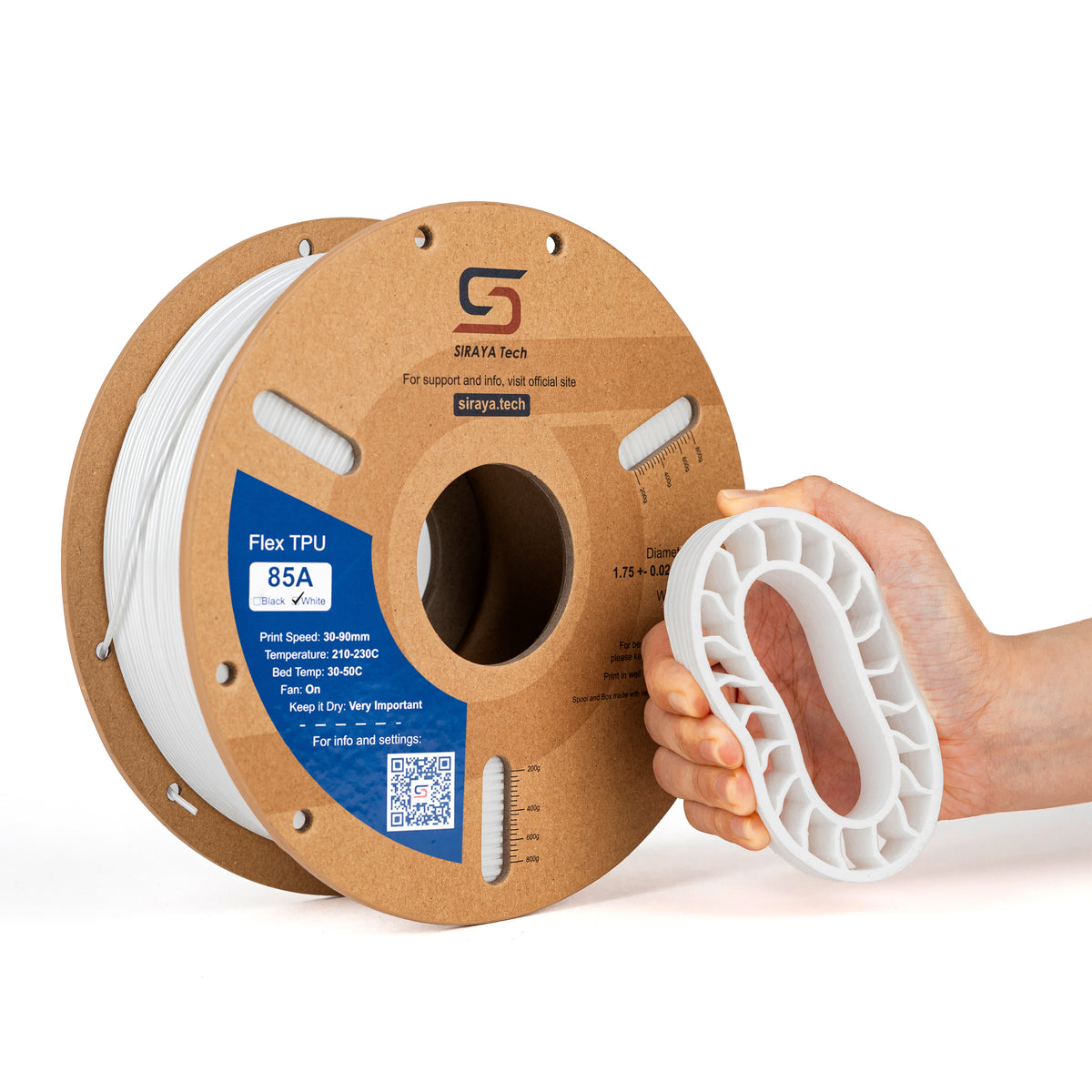
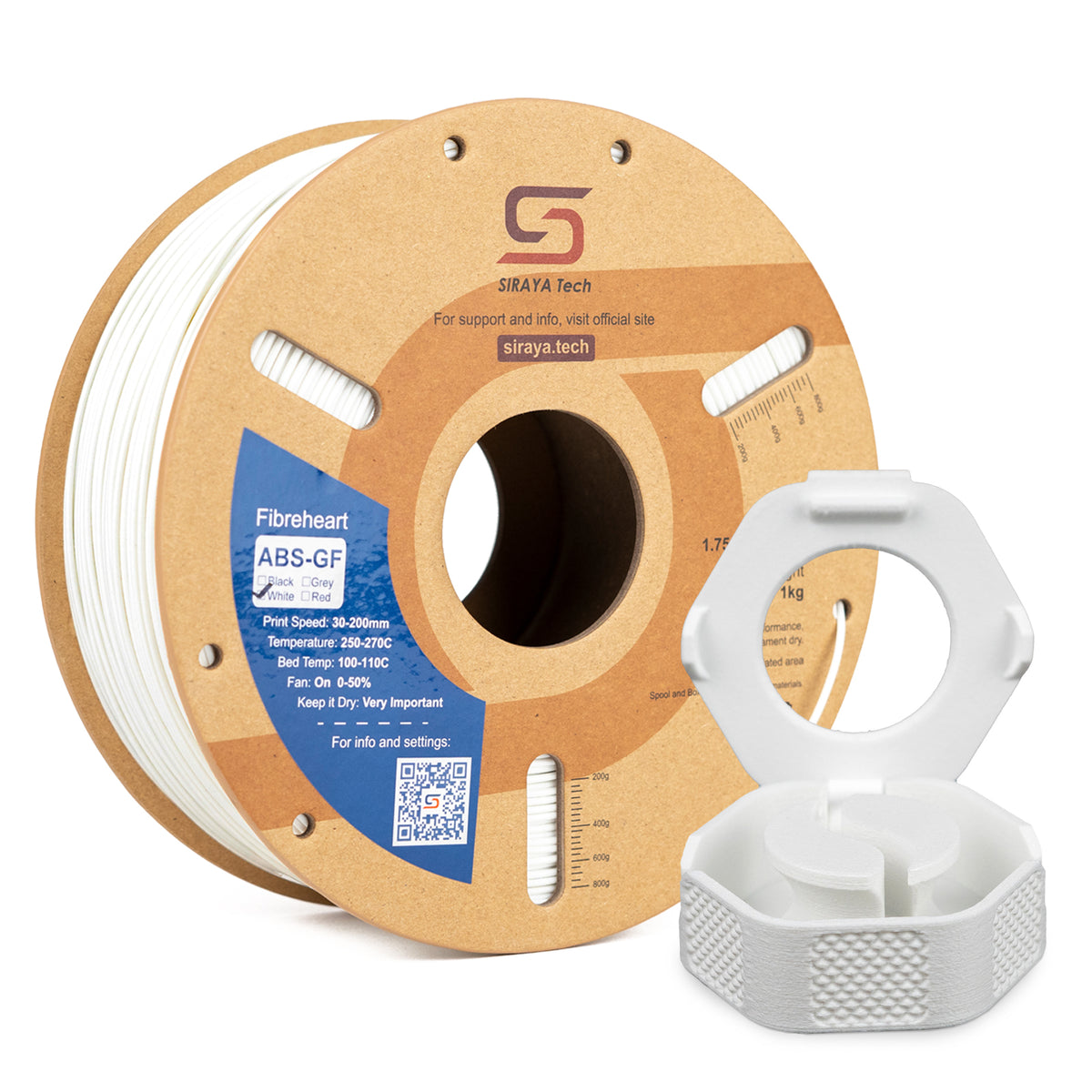

📌 To explore more material options, check out 3D Filament Types: Complete Guide for Every 3D Project.
PLA Filament vs Other Materials for Aquarium Use
PLA is often compared to PETG and ABS for aquarium projects. PETG handles moisture and heat better, while ABS offers strength but requires careful printing conditions. PLA remains the easiest to print but the least durable underwater.
Reinforced materials can improve performance:
- Carbon fiber blends increase stiffness
- Glass fiber blends improve durability
- Outdoor focused materials resist moisture
📌 For a focused material comparison, discover ASA vs PLA: Which 3D Printing Filament Should You Choose?.
How to Make PLA Filament Safer for Aquarium Use

If PLA is your only option, preparation is essential. Good print quality and sealing reduce direct water contact. These steps help slow degradation.
Ways to improve PLA safety include:
- Printing with thicker walls and higher infill
- Applying an aquarium safe sealant
- Allowing full curing before tank placement
Regular inspection helps catch early wear.
Common Aquarium Problems People Blame on PLA
PLA is rarely the main cause of fish loss. Poor water quality is the most common issue in aquariums. Overfeeding and weak filtration cause far more harm than decorations.
PLA can worsen problems if it traps waste or degrades unnoticed. Regular tank maintenance remains the priority.
Conclusion
PLA filament can be aquarium safe in limited situations, but it is not ideal for long term underwater use. It works best for temporary decorations in cool freshwater tanks and should always be sealed. For more durable results, water resistant filaments are the safer option.
For more helpful guides and tips about this topic and other areas of 3D printing, explore Siraya. Siraya also offers high quality products like 3D printing filaments, resins for 3D printing, and Platinum Silicone Crafting materials for reliable project results.
FAQs About Is PLA Filament Aquarium Safe
Is PLA or PETG better for aquariums?
PETG is generally better than PLA for aquariums. It resists water and heat more effectively. PLA degrades faster underwater.
Is 3D printer filament toxic to fish?
Most filaments are not highly toxic by default. Additives and poor print quality can create risks. Proper preparation reduces exposure.
Can I put a 3D printed object in a fish tank?
Yes, but preparation is important. The object should be cleaned and sealed. Testing before placement is recommended.
What is the most waterproof filament?
Filaments designed for outdoor use are more waterproof. PETG and reinforced materials outperform PLA. Waterproofing improves durability.
What kind of plastic is safe for fish tanks?
Stable and non reactive plastics are safest. Smooth surfaces help prevent waste buildup. Water resistance matters most.