
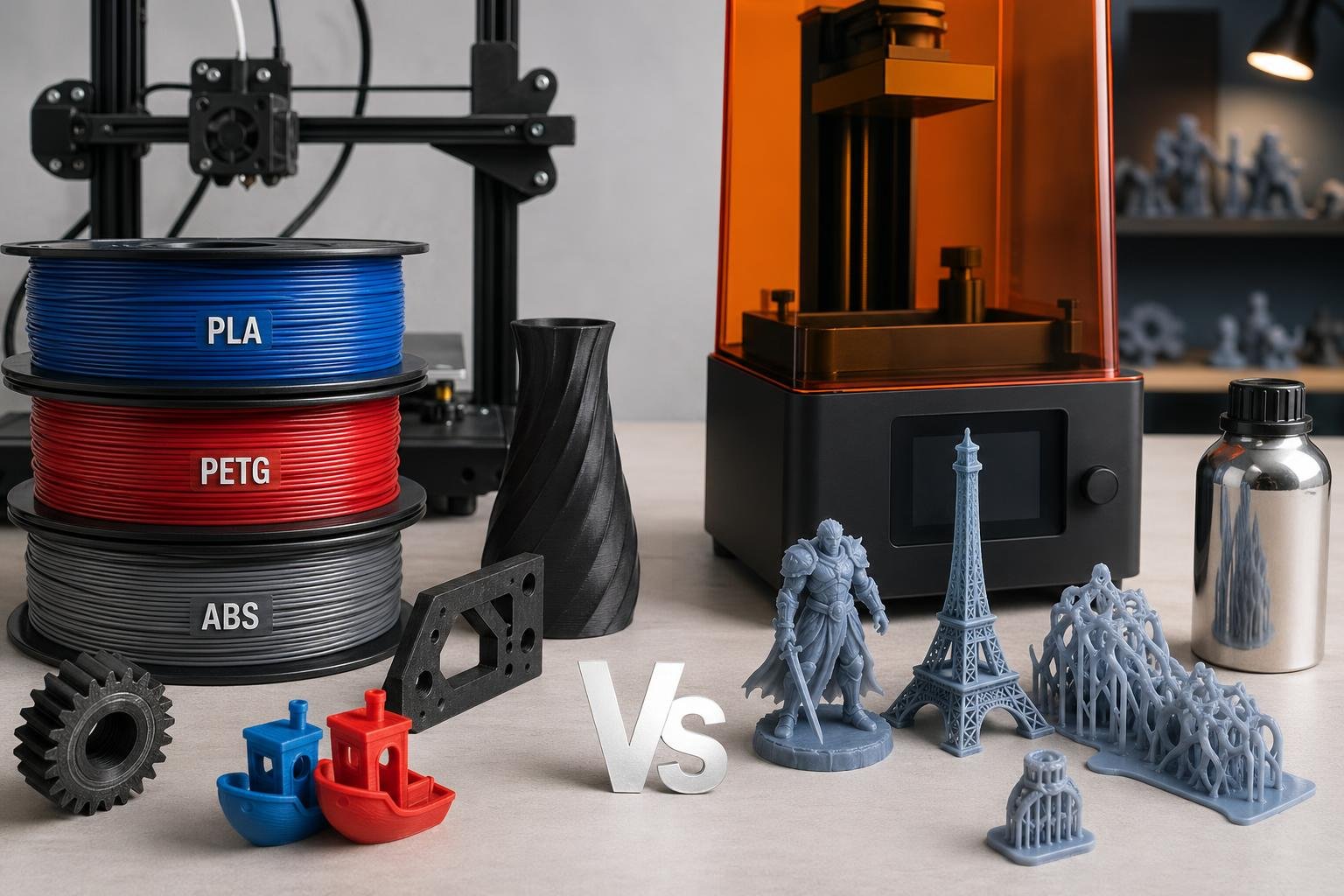
Choosing between FDM vs resin 3D printing can feel overwhelming at first. Both methods can create impressive models, but they work in very different ways and shine in different situations.
The right choice depends on what you want to print, how detailed it needs to be, and how much time and money you want to invest.
Read on to see a clear, side by side breakdown so you can confidently choose the best option for your projects.
⚙️Key Takeaways
- •FDM uses melted plastic filament, while resin uses liquid photopolymer cured by UV light.
- •Resin printing delivers smoother surfaces and finer detail.
- •FDM printing is usually more affordable and better for large, strong parts.
- •Resin requires more cleanup and safety precautions.
- •Both use similar 3D model files but different slicer settings.
- •High quality materials such as Siraya 3D filaments, engineering resins, Tenacious resin, castable resin, and platinum silicone can improve final results.
What Is FDM 3D Printing in the FDM vs Resin Comparison?

FDM 3D printing is the most common and beginner friendly type of 3D printing. It creates objects by melting plastic filament and laying it down layer by layer.
How FDM Printing Works
FDM stands for Fused Deposition Modeling. A spool of filament feeds into a heated nozzle, which melts the plastic and deposits it in thin lines. The printer builds the object from the bottom up until it is complete.
Common FDM Materials
FDM uses solid plastic filaments. Below is a simple comparison of popular options:
| Material | Strength | Ease of Printing | Best For |
|---|---|---|---|
| PLA | Moderate | Very easy | Beginners, decor |
| ABS | High | Medium | Functional parts |
| PETG | High | Easy | Durable parts |
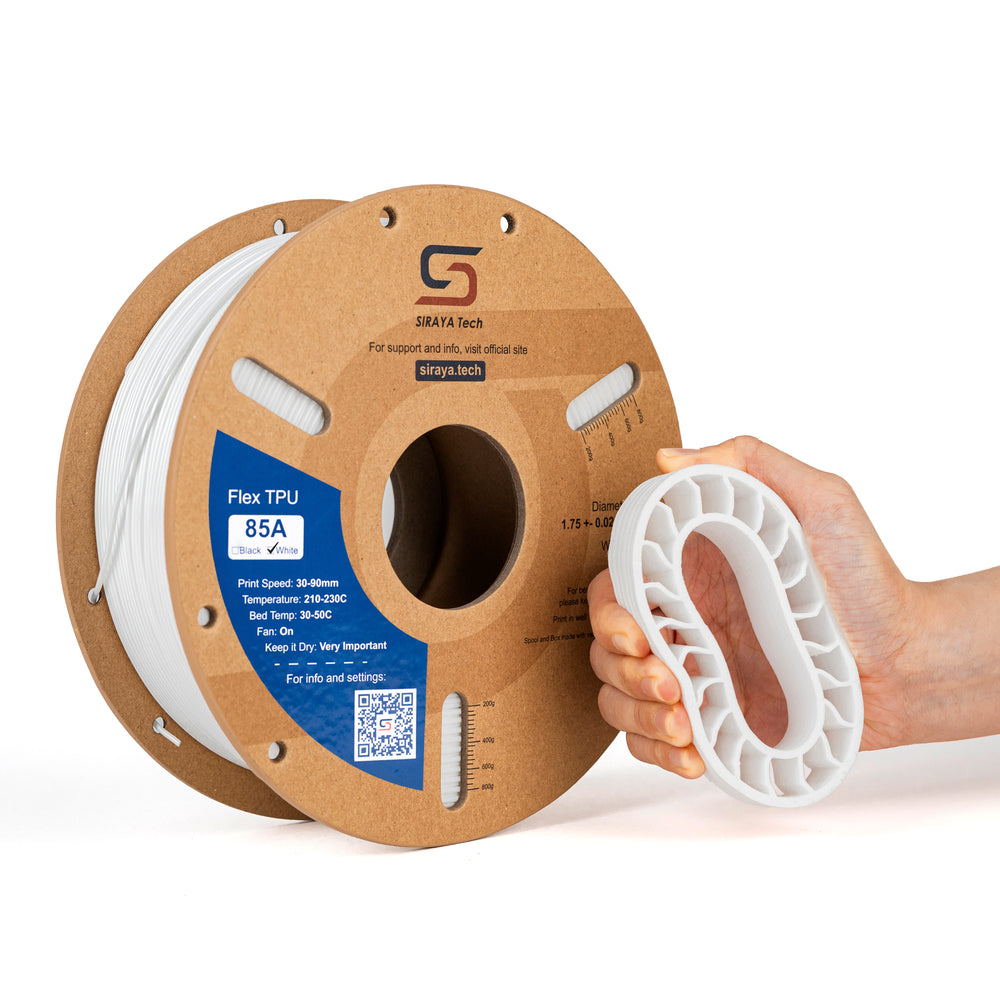
| TPU | Flexible | Medium | Phone cases, seals |
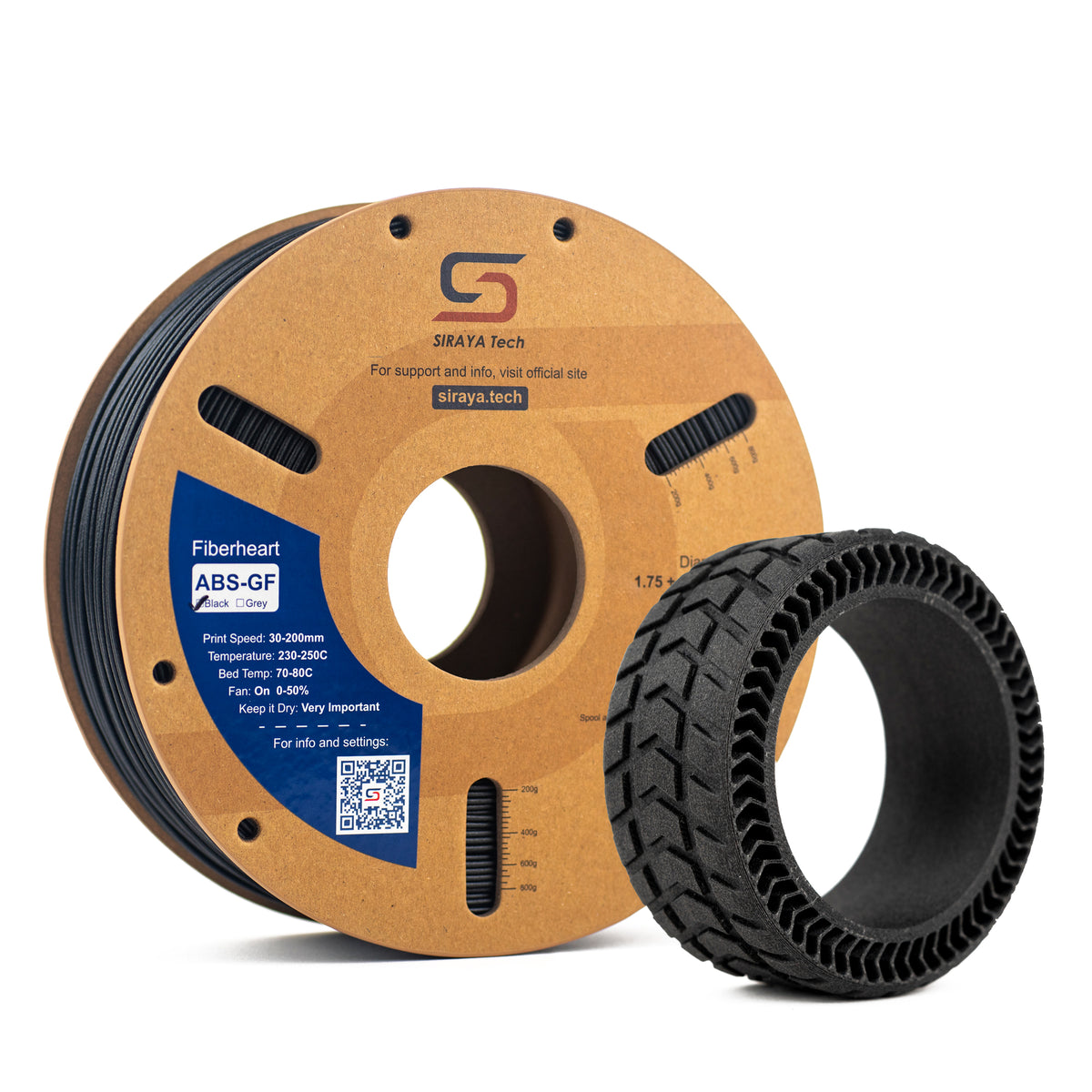
Advanced filaments can improve performance. For example, PETG CF adds carbon fiber for a stiffer, more stable print with a matte finish. Glass fiber or carbon fiber reinforced ABS options increase durability for mechanical parts. Choosing high quality materials like Siraya filaments can reduce warping and improve surface quality.
Pros and Cons of FDM Printing
Pros:
- Lower printer and material cost
- Larger build volumes
- Easier setup and maintenance
- Safer handling compared to liquid resin
Cons:
- Visible layer lines
- Less fine detail than resin
- Surface may require sanding for a smooth finish
FDM parts are also anisotropic, which means they can be weaker between layers depending on print orientation.
What Is Resin 3D Printing in the FDM vs Resin Debate?
Resin 3D printing is known for producing highly detailed and smooth models. It uses liquid resin that hardens when exposed to UV light.
How Resin Printing Works
Resin printers use a vat filled with liquid photopolymer resin. A UV light source cures each layer according to the digital model. The build plate slowly lifts as each layer solidifies.
There are three main types:
| Type | Light Source | Common Use |
|---|---|---|
| SLA | Laser | Professional precision |
| DLP | Projector | Fast small prints |
| LCD | UV through screen | Affordable desktop printers |
Resin printers typically have smaller build volumes than many FDM printers, which can limit very large prints.
Types of Resin for 3D Printing
Resins come in different formulas for different needs:
| Resin Type | Best For | Key Feature |
|---|---|---|
| Standard | Miniatures | High detail |
| Tough | Functional parts | Impact resistance |
| Flexible | Bendable parts | Elastic feel |
| Castable | Jewelry | Clean burnout |
| Washable | Easy cleanup | Water washable |
Special blends like tenacious resin can increase flexibility and reduce brittleness when mixed with other resins. High quality resin such as those offered by Siraya can improve strength and reduce print failures. Some advanced engineering resins can approach or match the tensile strength of certain FDM materials under specific conditions.
Explore Siraya Materials for FDM Projects
Shop engineering filaments and flexible materials for stronger FDM parts, durable prototypes, and cleaner everyday 3D printing results.
Explore Siraya Materials →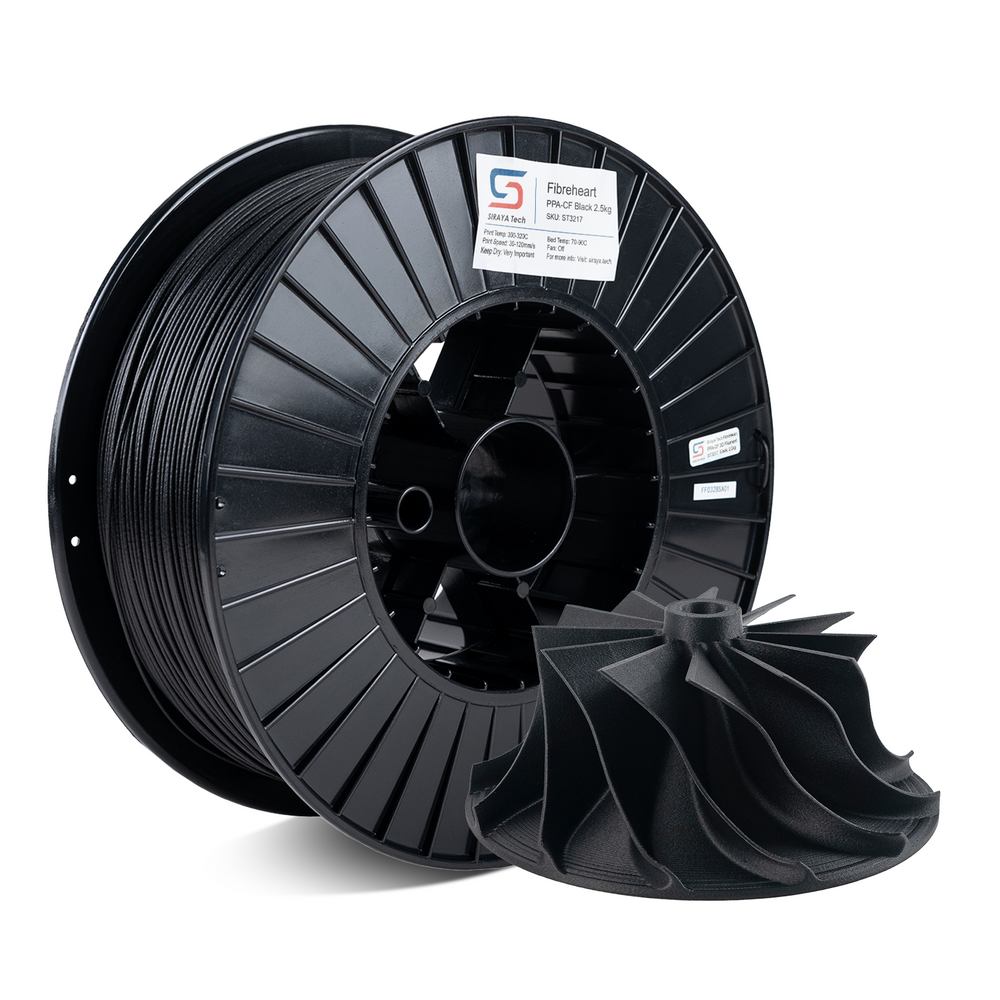

Pros and Cons of Resin Printing
Pros:
- Extremely high detail
- Smooth surface finish
- Excellent for small intricate models
Cons:
- Higher material cost
- Requires gloves and ventilation
- Needs washing and UV curing
FDM vs Resin Print Quality and Detail

Print quality is one of the biggest deciding factors in FDM vs resin printing. Resin printers can produce thinner layers, which leads to smoother surfaces and sharper details.
Here is a simple comparison:
| Feature | FDM | Resin |
|---|---|---|
| Layer Lines | Visible | Minimal |
| Surface Finish | Slightly rough | Very smooth |
| Small Details | Moderate | Excellent |
| Miniatures | Good | Outstanding |
If you print tabletop miniatures, jewelry masters, or dental models, resin usually performs better. For larger objects where detail is less critical, FDM works very well.
FDM vs Resin Strength and Durability
Strength matters for mechanical or functional prints. FDM and resin materials behave differently under stress.
FDM parts made with ABS, PETG, or reinforced filaments are typically stronger for load bearing parts. Fiber reinforced options increase stiffness and reduce flex.
Standard resin prints can be brittle. However, tough resin or flexible resin can improve durability. Mixing resins such as tenacious into standard resin can help reduce cracking.
For brackets, mounts, and tools, FDM is often the better option. For display models, resin excels.
FDM vs Resin Cost Comparison
Understanding the full cost helps you avoid surprises. The table below shows typical differences:
| Cost Factor | FDM | Resin |
|---|---|---|
| Printer Price | Lower on average | Moderate |
| Material Cost | Lower per kg | Higher per liter |
| Maintenance | Nozzles, beds | FEP film, cleaning supplies |
| Extra Equipment | Minimal | Wash station, curing station |
Resin printing also requires:
- Gloves
- Cleaning alcohol or water
- UV curing light
Over time, FDM is usually more affordable for large prints. Resin may cost more but offers higher detail.
FDM vs Resin Ease of Use for Beginners
Ease of use is important for first time buyers. FDM is generally easier to manage.
FDM involves:
- Loading filament
- Leveling the bed
- Starting the print
Resin involves:
- Handling liquid resin carefully
- Washing prints after printing
- Curing prints under UV light
- Managing odors and ventilation
If you want a simpler workflow, FDM is often the better starting point. If you value fine detail and do not mind extra steps, resin can be very rewarding.
FDM vs Resin Safety and Ventilation
Safety should always be considered. Both types have specific concerns.
| Safety Factor | FDM | Resin |
|---|---|---|
| Fumes | Possible with some plastics | Strong odor possible |
| Skin Contact Risk | Low | High with uncured resin |
| Ventilation Needed | Recommended | Strongly recommended |
| Protective Gear | Minimal | Gloves and eye protection |
Always print in a well ventilated area and follow manufacturer guidelines.
FDM vs Resin for Different Use Cases
Different projects benefit from different technologies.
FDM vs Resin for Miniatures
Resin provides sharper details and smoother finishes. It is ideal for tabletop figures and collectibles.
FDM vs Resin for Functional Parts
FDM works better for mechanical parts and larger items. Reinforced filaments improve durability.
FDM vs Resin for Jewelry and Casting
Castable resin is ideal for jewelry making because it burns out cleanly in molds. Resin is the clear winner here.
FDM vs Resin for Large Cosplay Props
FDM is more practical for large prints due to lower cost and bigger build volumes.
What Is Better in the FDM vs Resin Comparison?
There is no single winner. The better choice depends on your needs.
Choose FDM if you:
- Print large objects
- Need strong, durable parts
- Want lower overall cost
- Prefer easier cleanup
Choose resin if you:
- Need high detail
- Print small or intricate models
- Want smoother surfaces
- Are comfortable with post processing
Many hobbyists use both to cover all types of projects.
Conclusion
The FDM vs resin decision comes down to detail, strength, budget, and workflow preference. FDM is practical and cost effective for larger functional parts, while resin delivers outstanding detail and smooth finishes for smaller models. Understanding your project goals makes the choice much easier.
For better results, consider using high quality materials such as Siraya 3D printing filaments, durable resins for 3D printing, tenacious blends, castable resins, and platinum silicone for mold making and crafting.
For more helpful guides, expert tips, and insights into 3D printing materials and techniques, explore resources from Siraya and continue improving your projects with the right tools and materials.
Frequently Asked Questions About FDM vs Resin
Are FDM and resin files the same?
Yes, both printer types usually use STL or OBJ files. The model itself can be identical. However, slicing settings differ because FDM uses extrusion settings and resin uses exposure settings.
What is better, FDM or resin?
It depends on your needs. FDM is better for larger, stronger, and more affordable prints. Resin is better for detailed and smooth models. Each method has strengths.
Can I legally sell 3D prints?
Yes, if you have the right to sell the design. If you created it, you generally own the rights. If someone else created it, check the license before selling.
What things cannot be 3D printed?
Certain regulated items and copyrighted designs may not be allowed. Material limits also prevent some high heat or industrial applications. Always check safety and legal guidelines.