

3D printing in the fashion industry is changing how clothes, shoes, and accessories are designed and made.
Instead of cutting fabric and sewing pieces together, designers can build items layer by layer using digital designs. This opens the door to new shapes, custom fits, and smarter use of materials.
Keep reading to see how 3D printing works in fashion, why brands are using it, and what the future may look like.
What Is 3D Printing in the Fashion Industry?
3D printing in the fashion industry means using additive manufacturing to create fashion items directly from digital files. This approach allows designers to turn ideas into physical products with less waste and more control.
Unlike traditional fashion production, 3D printing builds items layer by layer instead of cutting from large sheets of fabric. This makes it easier to experiment with complex patterns, textures, and structures that are hard to create by hand.
How 3D Printing in Fashion Industry Works
3D printing in the fashion industry starts with a digital design created using computer software. That design is then sent to a 3D printer, which builds the item one thin layer at a time.
Digital Design and Modeling for Fashion
Designers create detailed 3D models that define shape, thickness, and flexibility. These files allow fast changes without needing physical samples.
Printing and Post Processing
Once printed, fashion items often go through cleaning, curing, or softening steps. This helps improve comfort, durability, and overall appearance for wearability.
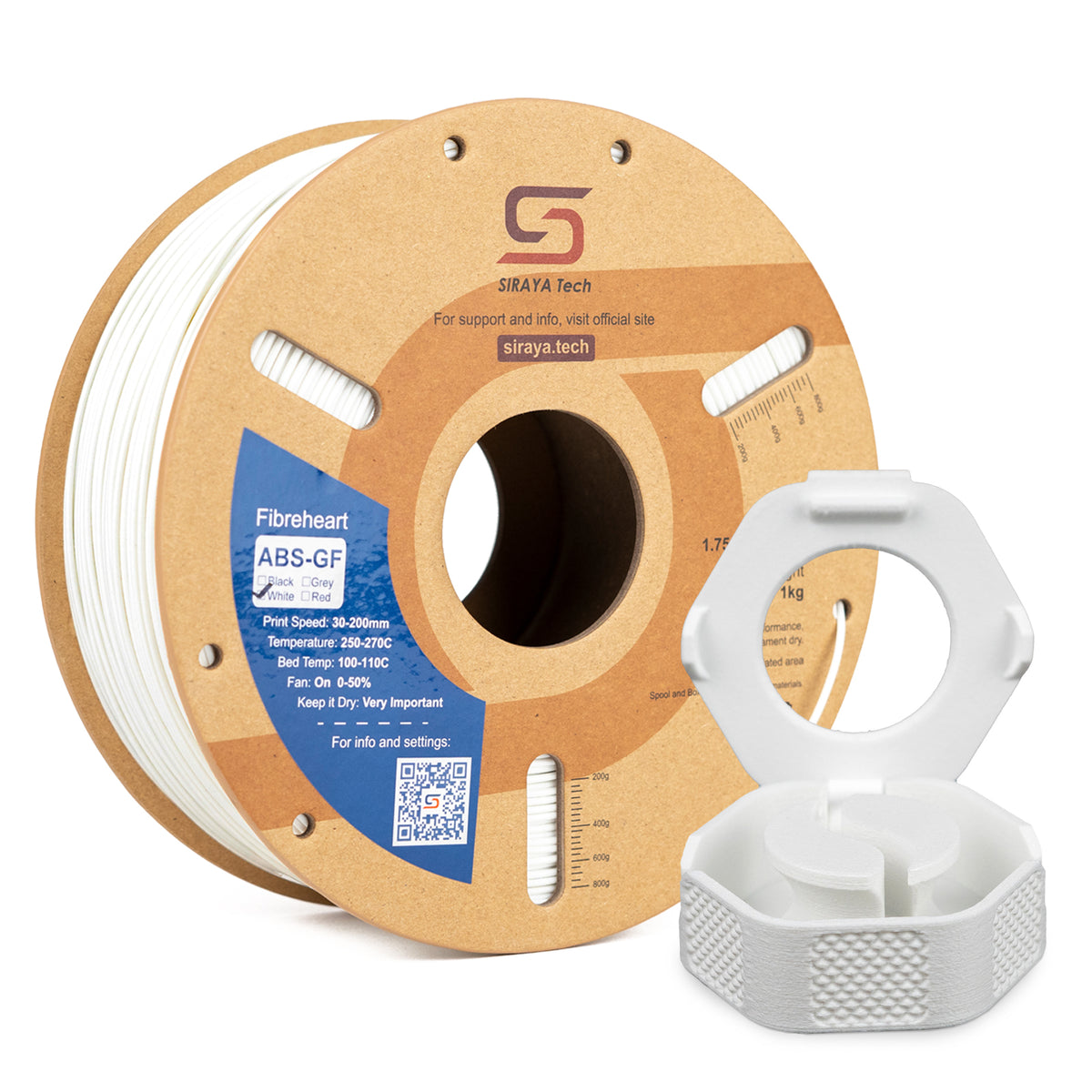
Siraya 3D Filaments and Resin You May Shop
Explore More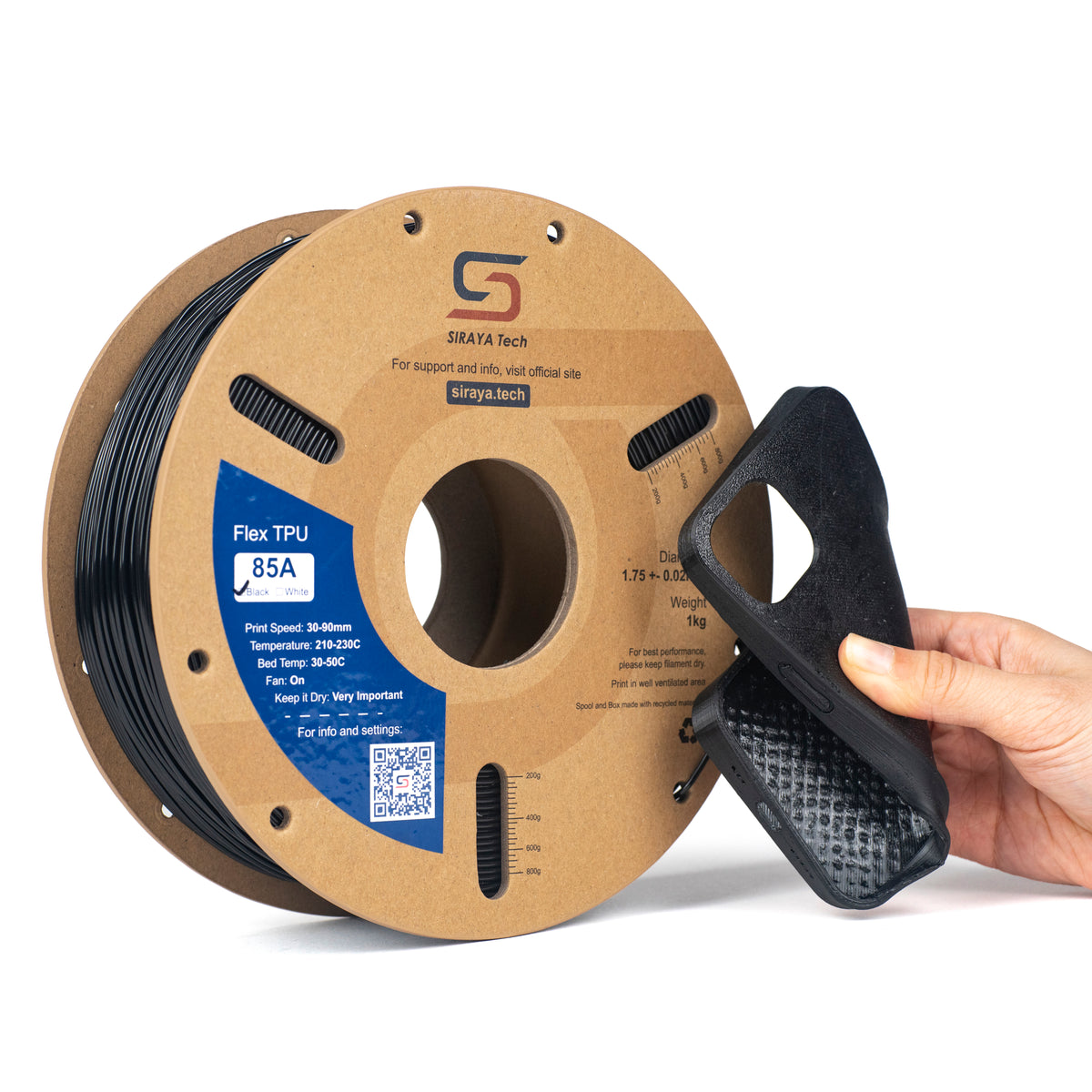

📌 Understanding these steps makes fashion production easier to follow. Check out How Does 3D Printing Work? Understanding Methods and Process to see the full process explained simply.
Uses of 3D Printing in Fashion Industry
3D printing in the fashion industry is used across design, testing, and final production. Each use helps brands save time while improving creativity.
3D Printing for Fashion Prototyping
Prototyping with 3D printing allows designers to test ideas quickly before full production.
- Faster design revisions
- Lower sampling costs
- Early testing of fit and structure
3D Printed Clothing and Wearables
Some fashion items are fully or partially 3D printed, especially for experimental or custom designs.
- Dresses with complex textures
- Flexible panels for movement
- Lightweight wearable components
3D Printed Footwear and Accessories
Footwear and accessories are some of the most common uses of 3D printing in fashion industry.
- Custom shoe soles and insoles
- Jewelry with detailed shapes
- Bags and fashion accents
📌 The variety of applications keeps growing. Discover Creative 3D Printing Examples For Beginners to see what creators are making today.
Materials Used in 3D Printing in Fashion Industry

Materials play a major role in how comfortable and durable 3D printed fashion items feel. Fashion designers choose materials based on flexibility, strength, and finish.
Common materials include flexible plastics, rubber-like polymers, and resin-based compounds. Some advanced filaments offer added strength or texture, such as carbon fiber infused materials that provide rigidity and a clean matte look.
Options like glass fiber reinforced or carbon fiber reinforced filaments can be useful for accessories and structural parts, while specialized resins are often used for detailed fashion pieces.
High-quality 3D printing filaments and resins from Siraya are often chosen by creators who want consistent results and smooth finishes.
Benefits of 3D Printing in Fashion Industry
3D printing in the fashion industry offers clear advantages for designers and manufacturers. These benefits support both creativity and efficiency.
- Custom fit and personalization for individual wearers
- Reduced material waste compared to fabric cutting
- Faster product development and testing
- More freedom to explore unique shapes and textures
📌 These benefits also apply to everyday items. Check out Useful Things to 3D Print For Everyday Life to see how practical designs come to life.
Challenges of 3D Printing in Fashion Industry
Even with its benefits, 3D printing in the fashion industry still faces several challenges. These issues affect comfort, cost, and large scale production.
- Limited softness compared to traditional fabrics
- Higher equipment and material costs
- Longer production time for mass manufacturing
- Need for skilled digital design knowledge
Sustainability and 3D Printing in Fashion Industry
Sustainability is a major reason why 3D printing in the fashion industry is gaining attention. Producing items only when needed helps reduce waste and overproduction.
Because 3D printing uses only the material required for each design, it creates less leftover waste. On-demand manufacturing also reduces storage and shipping needs, helping lower environmental impact.
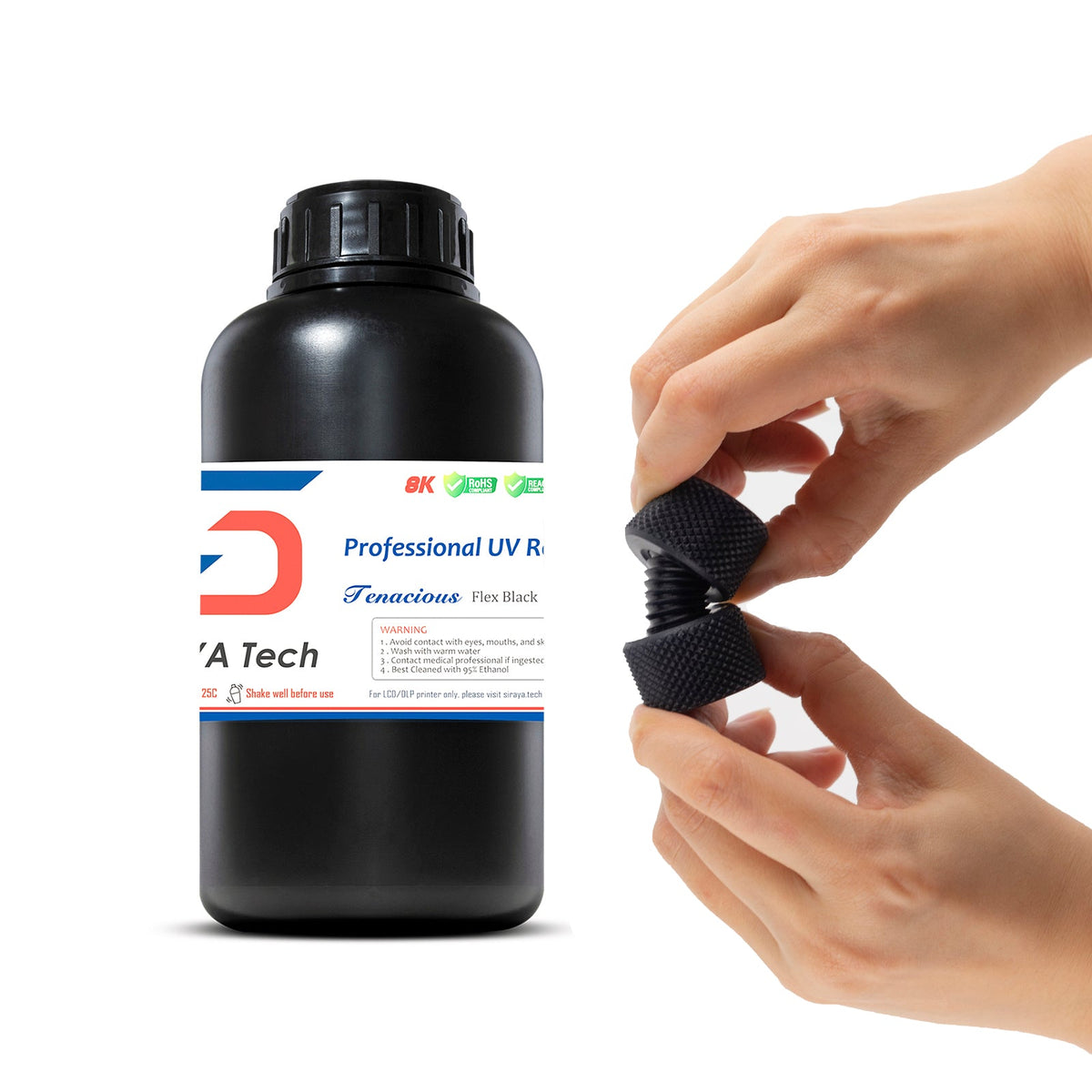
Some creators also explore flexible resins and durable filaments that extend product life, including advanced resin solutions like Siraya tenacious resin for parts that need extra strength and flexibility.
Siraya 3D Filaments and Resin You May Shop
Explore More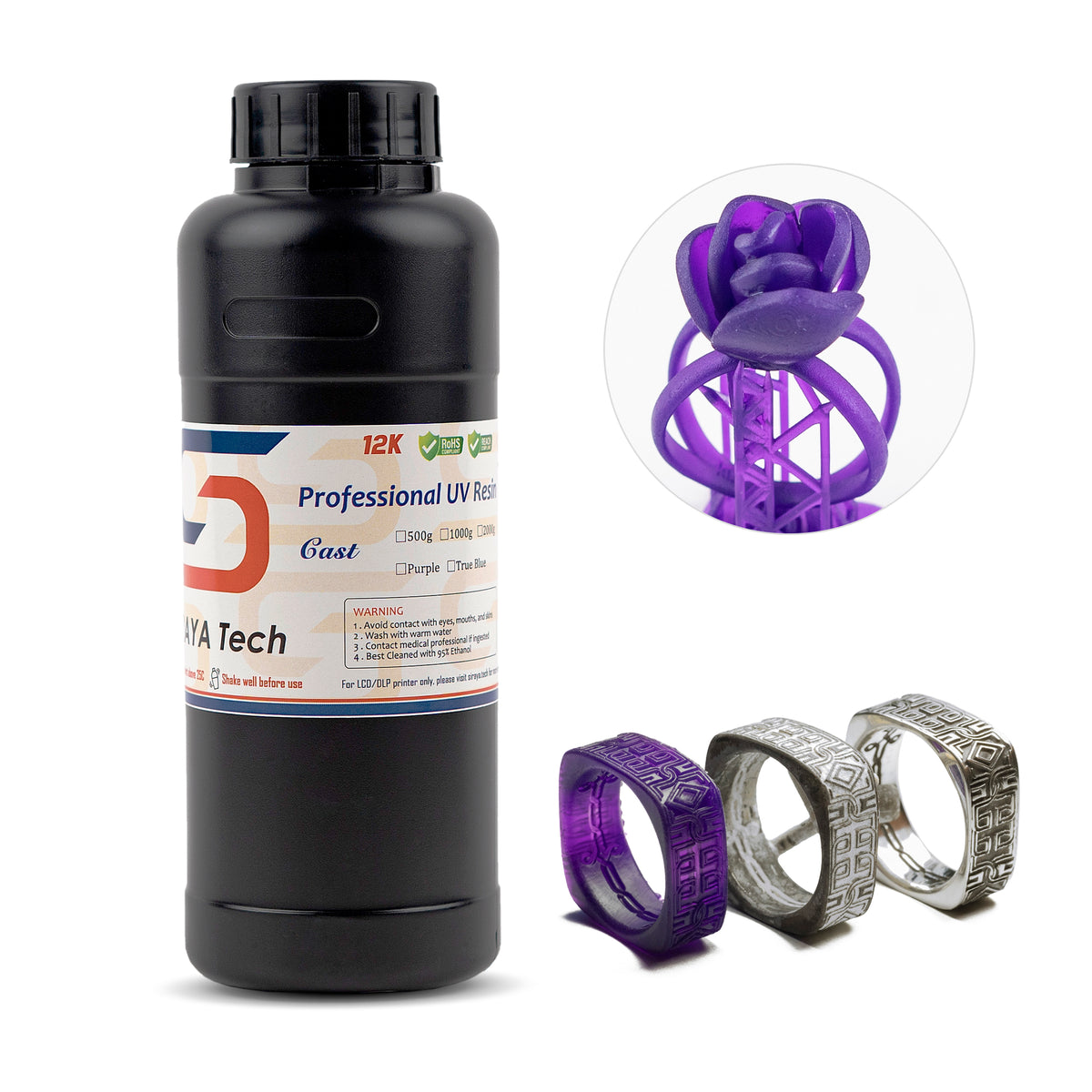
Market Growth of 3D Printing in Fashion Industry
The market for 3D printing in the fashion industry is growing as technology becomes more accessible. More designers are using it for both creative and commercial purposes.
Growth is driven by demand for customization, faster design cycles, and sustainable practices. As printers and materials improve, more everyday fashion items are expected to include 3D printed elements.
Future of 3D Printing in Fashion Industry
The future of 3D printing in the fashion industry points toward greater comfort and wider adoption. Innovations in materials and design tools are making printed fashion more wearable.
In the coming years, 3D printing may support local production and made-to-measure clothing at scale. Advanced materials like flexible filaments, castable resins, and even silicone based solutions such as platinum silicone crafting materials could expand how fashion items feel and function.
Conclusion
3D printing in the fashion industry is reshaping how designers think about clothing, accessories, and production. It supports creativity, sustainability, and customization in ways traditional methods cannot always achieve.
For more helpful guides and tips about this topic and other areas of 3D printing, Siraya offers valuable resources along with high quality products like 3D printing filaments, advanced resins including tough and tenacious resin, castable resin, and platinum silicone crafting materials that support reliable and creative projects.
FAQs About 3D Printing in Fashion Industry
What industry uses 3D printing the most?
Several industries use 3D printing heavily, including manufacturing, healthcare, and automotive. Fashion uses it mainly for design, prototyping, and custom products. While it is not the largest user, fashion is one of the fastest growing areas. Its focus on creativity and personalization makes it a strong fit for this technology.
What is the biggest market for 3D printing?
The biggest market for 3D printing is industrial manufacturing. It is widely used to produce tools, machine parts, and prototypes. Fashion represents a smaller share but continues to expand as materials and methods improve. Growth is driven by demand for customization and faster production.
What is the most profitable 3D printing business?
Profitability depends on the application and scale. Custom products, specialized components, and short production runs often perform well. In fashion, accessories and custom fit items tend to be more profitable than full garments. Lower waste and higher personalization add value.
What is the 45 degree rule for 3D printing?
The 45 degree rule suggests that overhangs beyond this angle may need support during printing. This helps prevent sagging or failed prints. In fashion design, following this rule improves surface quality and strength. Designers often adjust shapes to reduce the need for supports.
What is the new trend of 3D printing?
New trends include flexible materials, sustainable production, and digital fashion designs. More creators are blending 3D printing with traditional methods. On-demand and custom made products are also becoming more common. These trends support efficiency and creativity.
1 comment
Advantedgemigration
Great share ! abroad education consultants hyderabad