
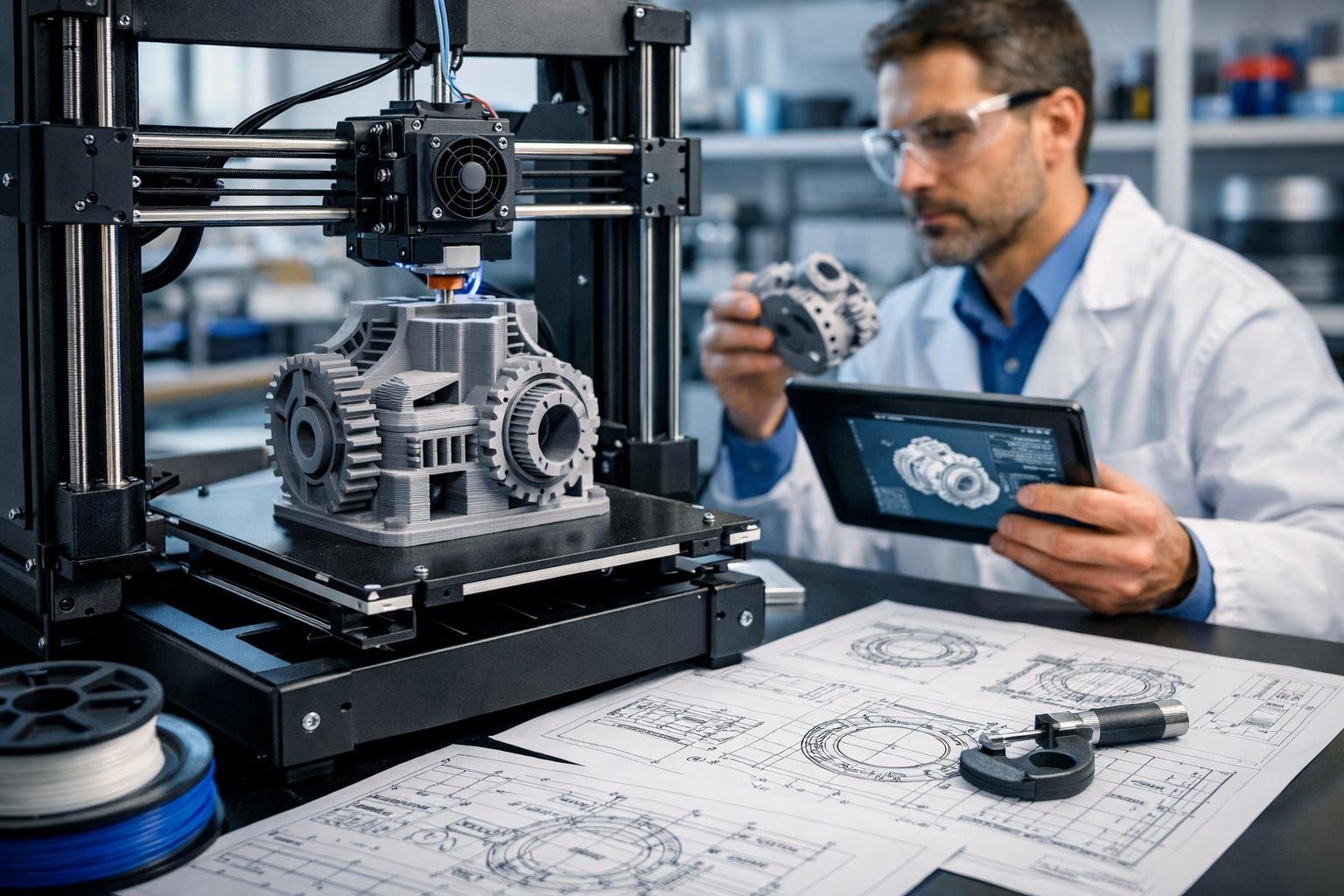
3D printing and engineering are changing how we design, test, and build products across many industries. From small plastic parts to complex metal components, engineers now have the power to turn digital designs into real objects faster than ever before.
This technology is helping teams save time, lower costs, and create shapes that were once impossible to manufacture. Whether you are a student, hobbyist, or professional engineer, understanding how 3D printing fits into engineering can open up new possibilities.
Keep reading to learn how it works, where it is used, and why it plays such an important role in modern engineering.
Key Takeaways
- 3D printing and engineering work together to turn digital designs into real parts using additive manufacturing
- Engineers use 3D printing for rapid prototyping, functional testing, and even end use production
- Common technologies include FDM, SLA, SLS, and metal 3D printing such as DMLS and SLM
- Materials range from PLA and ABS to advanced resins, carbon fiber blends, and metal powders
- 3D printing helps reduce waste, speed up development, and create complex shapes
- High quality materials such as Siraya 3D filaments, resins, and platinum silicone support reliable engineering results
What Is 3D Printing and Engineering?

3D printing and engineering combine digital design with physical production. Engineers create a model on a computer and a 3D printer builds it layer by layer into a real object.
In simple terms, 3D printing is also called additive manufacturing. According to ASTM International Committee F42 on Additive Manufacturing Technologies, additive manufacturing is the process of joining materials layer by layer based on digital 3D model data. Instead of cutting material away like traditional machining, it adds material only where needed.
Siraya 3D Filaments and Resin You May Shop
Explore More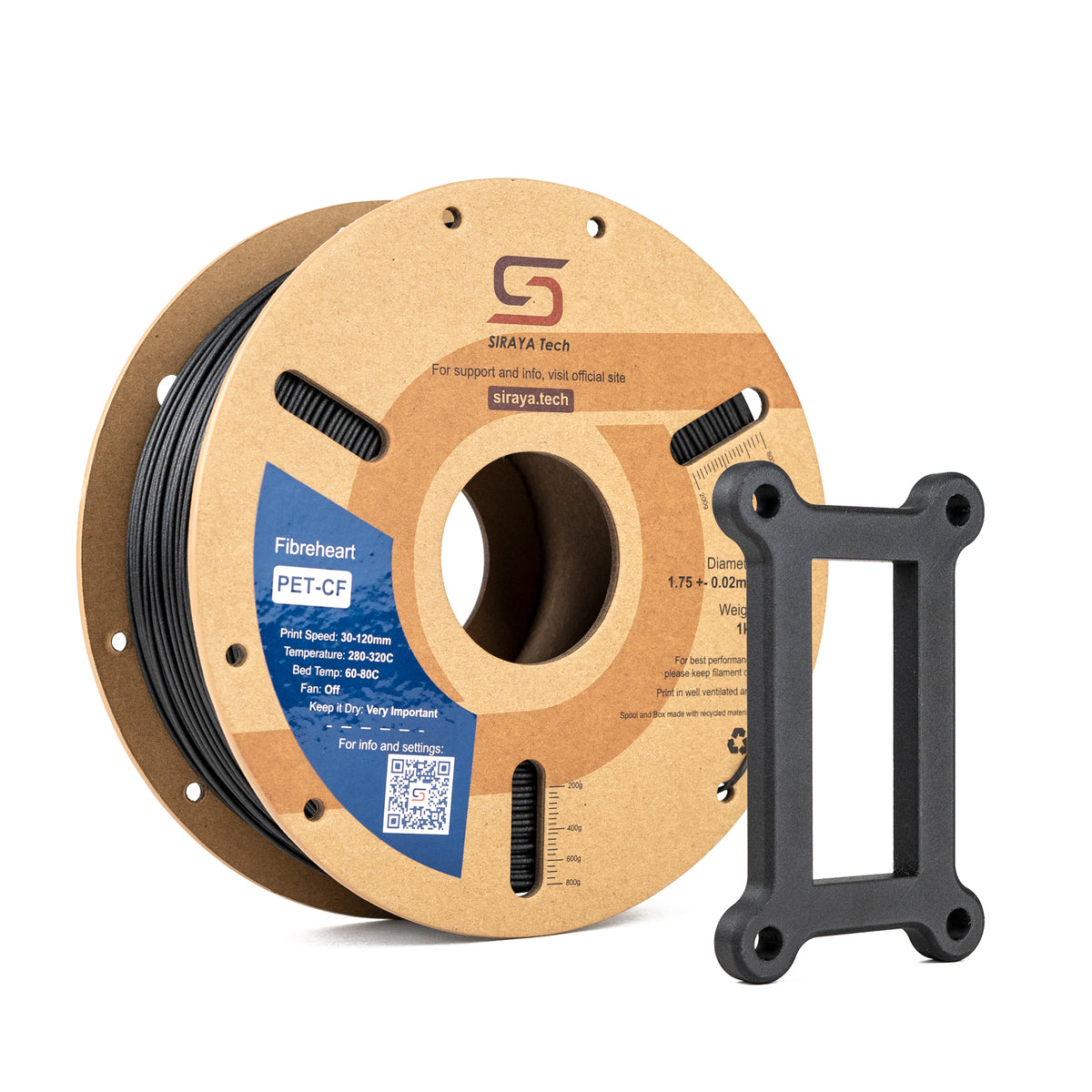

How 3D Printing Works in Engineering
The process usually follows these steps:
- Create a 3D model using CAD software
- Convert the model into a printable file using slicing software
- Select the right material based on strength, flexibility, or heat resistance
- Print the object layer by layer
- Clean, cure, or finish the part if needed
This workflow allows engineers to test ideas quickly. If a design needs changes, they can adjust the file and print again without expensive molds or tools.
3D Printing vs Traditional Manufacturing in Engineering
Traditional manufacturing methods include machining, casting, and injection molding. These processes are excellent for large scale production but often require special tooling.
3D printing and engineering stand out because:
- No molds are required
- Design changes are easy
- Complex internal shapes are possible
- Less material is wasted
Because material is added only where needed, waste is minimized compared to subtractive methods that remove excess stock material. For mass production of millions of parts, traditional methods may still be more cost effective. But for prototypes, custom parts, and small batches, 3D printing often wins.
3D Printing Technologies Used in Engineering
Different engineering needs require different types of 3D printing technology. Each method uses unique materials and offers specific strengths.
FDM in 3D Printing and Engineering
Fused Deposition Modeling, or FDM, is one of the most common technologies. It melts plastic filament and deposits it layer by layer.
Engineers use FDM for:
- Rapid prototypes
- Functional parts
- Jigs and fixtures
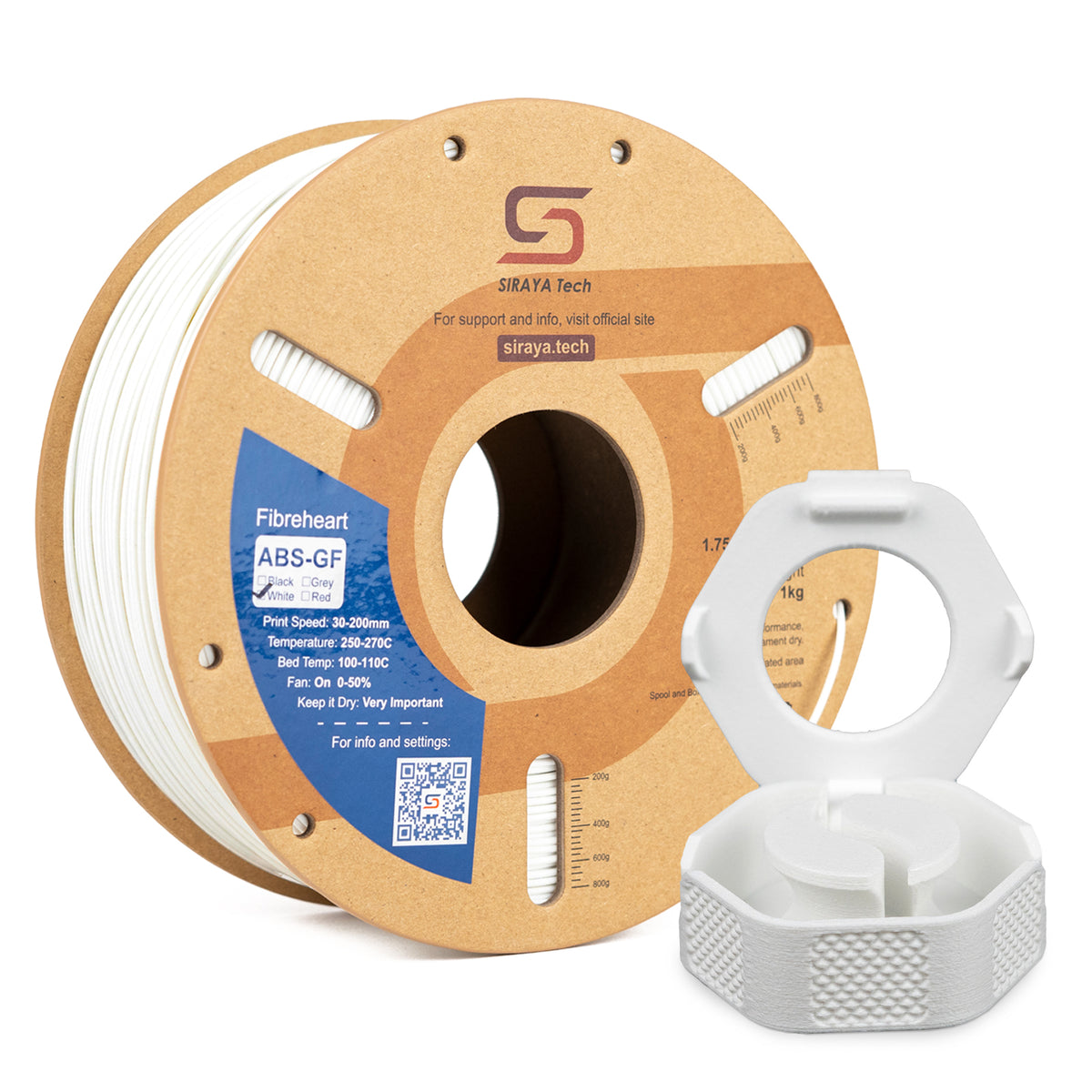
Common materials include PLA, ABS, PETG, and advanced blends. For example, carbon fiber infused filaments like PETG-CF or ABS-CF provide extra stiffness and a matte finish. Glass fiber options such as ABS-GF or ASA-GF improve strength and heat resistance for demanding engineering projects.
Siraya 3D filaments offer strong and reliable materials for engineers who need consistent results, especially when working with reinforced filaments.
SLA and Resin 3D Printing in Engineering
Stereolithography, or SLA, uses liquid resin cured by light. This method produces highly detailed and smooth parts.
Engineers choose resin 3D printing for:
- Precision components
- Dental and medical models
- Detailed prototypes
Specialty resins such as tough resin, flexible resin, and high temperature resin support different engineering needs. Siraya offers high performance resin options including Tenacious resin for impact resistance and castable resin for investment casting applications.
SLS and Metal 3D Printing in Engineering
Selective Laser Sintering uses a laser to fuse powder materials like nylon, most commonly Nylon 12 in industrial applications. Metal 3D printing uses similar methods such as Direct Metal Laser Sintering and Selective Laser Melting with aluminum, titanium, or stainless steel powders.
These technologies are used in:
- Aerospace components
- Automotive performance parts
- Complex internal channels
Metal 3D printing allows engineers to design lightweight structures that maintain high strength, which is critical in aircraft and racing applications.
Siraya 3D Filaments and Resin You May Shop
Explore More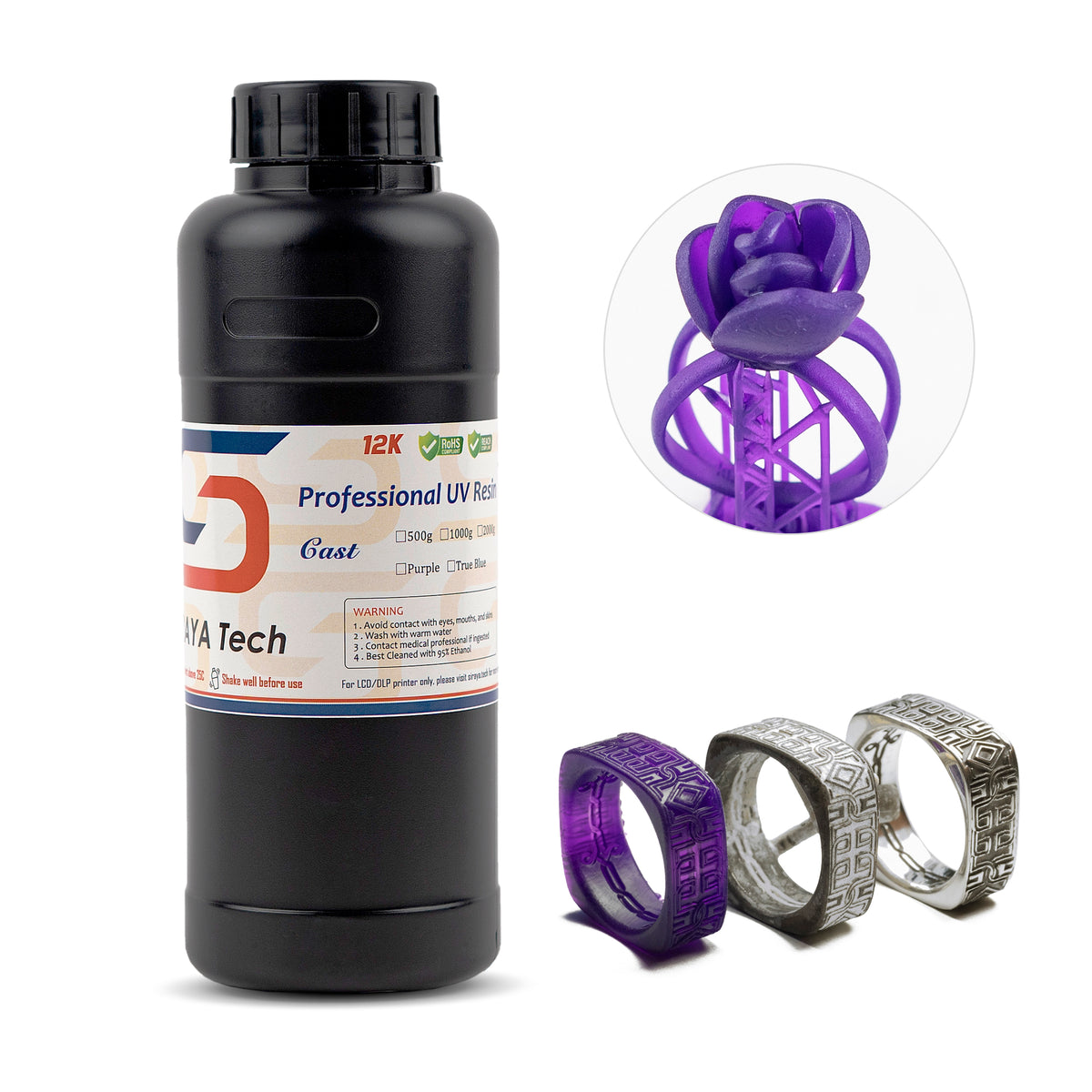
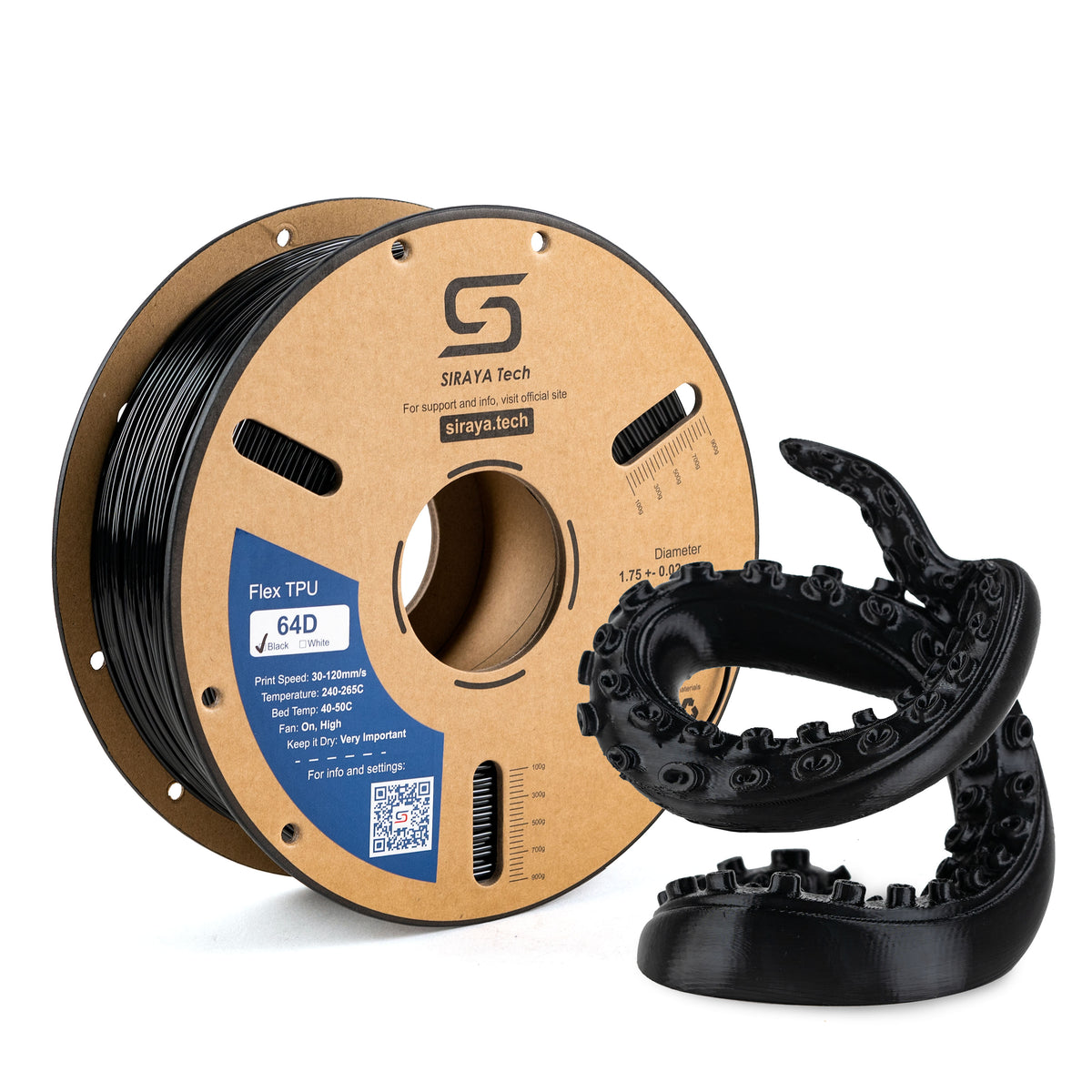

Materials in 3D Printing and Engineering

Material choice is one of the most important decisions in 3D printing and engineering. The right material affects strength, flexibility, temperature resistance, and durability.
Plastic Filaments for Engineering Applications
Common thermoplastics include:
- PLA for simple prototypes
- ABS for impact resistance
- PETG for strength and flexibility
- Nylon for toughness
Reinforced filaments such as carbon fiber or glass fiber blends add extra rigidity. For example, PETG-CF shares many properties of standard PETG but adds greater hardness, reduced warping, and a clean matte finish. ABS-CF Core and ABS-GF offer similar upgrades for projects that need higher mechanical strength.
Using high quality filaments like Siraya 3D filaments helps ensure consistent extrusion and stable mechanical performance.
Resin Materials in Engineering
Resin materials are ideal for high detail and smooth surfaces. Engineering resins can be:
- Tough and impact resistant
- Flexible and rubber like
- Heat resistant
- Castable for metal parts
Siraya resin products, including tenacious resin and castable resin, are popular in projects that require durability or precision casting. Proper curing and post processing are important to reach full strength.
Silicone in 3D Printing and Engineering
Silicone plays a key role in mold making and flexible components. Engineers often use platinum silicone to create molds for casting parts or to build soft prototypes.
High quality silicone such as Siraya platinum silicone provides:
- Excellent tear strength
- Smooth surface finish
- Reliable curing
Silicone molds are often paired with 3D printed masters to produce multiple copies of a part.
Applications of 3D Printing and Engineering
3D printing and engineering are used in many fields. The flexibility of additive manufacturing makes it suitable for both simple and complex projects.
Mechanical Engineering and 3D Printing
Mechanical engineers use 3D printing to:
- Test mechanical assemblies
- Print gears and housings
- Create custom brackets
- Build tooling and fixtures
Rapid prototyping helps teams identify design flaws before full production. This reduces risk and lowers development costs.
Civil Engineering and Construction
In civil engineering, 3D printing is used for:
- Scale models of buildings
- Structural testing models
- 3D printed concrete components
Large scale printers can even produce building sections, opening new possibilities in construction.
Aerospace and Automotive Engineering
Weight reduction is critical in aerospace and automotive engineering. 3D printing allows engineers to create lightweight lattice structures and optimized shapes.
Applications include:
- Engine components
- Air ducts
- Performance car parts
- Drone frames
Complex internal channels for cooling or airflow are easier to create with additive manufacturing than with traditional machining.
Biomedical Engineering
Biomedical engineers use 3D printing for:
- Prosthetics
- Orthopedic models
- Surgical guides
- Medical device housings
Customization is especially important in this field. 3D printing allows patient specific solutions that improve comfort and function.
Benefits of 3D Printing and Engineering
The growth of 3D printing and engineering is driven by clear advantages. These benefits impact cost, speed, and creativity.
Faster Product Development
Engineers can move from idea to physical part in hours or days instead of weeks. Quick iterations allow teams to test and refine designs rapidly.
This speed supports innovation and shortens time to market.
Cost Savings in Prototyping
Without the need for molds or tooling, early stage prototypes are much cheaper. Small businesses and startups benefit greatly from this flexibility.
Even established companies use 3D printing to lower development expenses.
Design Freedom and Complex Geometry
Additive manufacturing allows shapes that are difficult or impossible to machine. Internal channels, lattice structures, and organic shapes become practical.
This design freedom supports lighter and more efficient products.
Reduced Material Waste
Because material is added only where needed, waste is minimized. This supports sustainable engineering practices and reduces raw material costs.
Limitations of 3D Printing and Engineering
While powerful, 3D printing also has limits. Engineers must understand these challenges before choosing it for production.
- Large scale production can be slower than injection molding
- Surface finish may require extra work
- Some materials have lower strength than forged or cast metals
- Printer size limits part dimensions
By selecting the right material and process, many of these limitations can be managed effectively.
Conclusion
3D printing and engineering have transformed how products are designed and built. From rapid prototypes to advanced aerospace parts, additive manufacturing gives engineers powerful tools to innovate faster and smarter.
With the right technology and materials, it is possible to create strong, lightweight, and highly customized components for almost any industry.
For more helpful guides and tips about 3D printing and engineering, Siraya offers valuable insights and resources. If you are looking for high quality materials, Siraya provides reliable 3D printing filaments, advanced resins including tenacious and castable resin, and platinum silicone for crafting superior products for your projects.
Choosing the right materials is the key to strong, precise, and dependable results in every engineering build.
Frequently Asked Questions About 3D Printing and Engineering
How is 3D printing used in engineering?
3D printing is used for prototyping, functional testing, tooling, and sometimes final parts. Engineers print digital designs to check fit, strength, and performance. It speeds up development and reduces costs by allowing quick design changes.
What materials are used in 3D printing and engineering?
Common materials include plastics like PLA, ABS, PETG, and nylon. Resins are used for high detail parts, while metals like aluminum and titanium serve industrial needs. The choice depends on strength, flexibility, and heat resistance.
Is 3D printing suitable for large scale engineering production?
3D printing works best for small batches and custom parts. Traditional manufacturing is usually cheaper for very high volumes. The right method depends on production size, cost, and performance requirements.
What industries rely most on 3D printing and engineering?
Aerospace, automotive, biomedical, and construction industries use 3D printing heavily. Engineers rely on it for prototypes and functional components. Its versatility makes it valuable across many sectors.
What are the main advantages of 3D printing in engineering?
Key advantages include faster development and lower prototyping costs. It allows complex designs with less material waste. This supports customization and quicker innovation.