
If your ABS prints are coming out with rough surfaces, bubbles, or weak layer adhesion, the culprit is likely in the air around you. The short answer is: Yes, ABS filament absorbs moisture.
ABS (Acrylonitrile Butadiene Styrene) is a hygroscopic material. This means it actively attracts and holds water molecules from the surrounding environment. Unlike PLA, which degrades slowly, ABS can become saturated with moisture in as little as 24 to 48 hours in a humid room.
In this guide, we will cover the tell-tale signs of "wet" ABS, how it destroys your print quality, and the exact settings needed to dry it.
Before diving into our packaging solution, let's understand why moisture protection is crucial. When resin or filament absorbs moisture from the air, it can lead to:
-
Reduced print quality
-
Inconsistent extrusion
-
Bubbling and stringing
-
Weakened layer adhesion
-
Compromised mechanical properties
The Siraya Tech Difference: Advanced Multi-Layer Protection
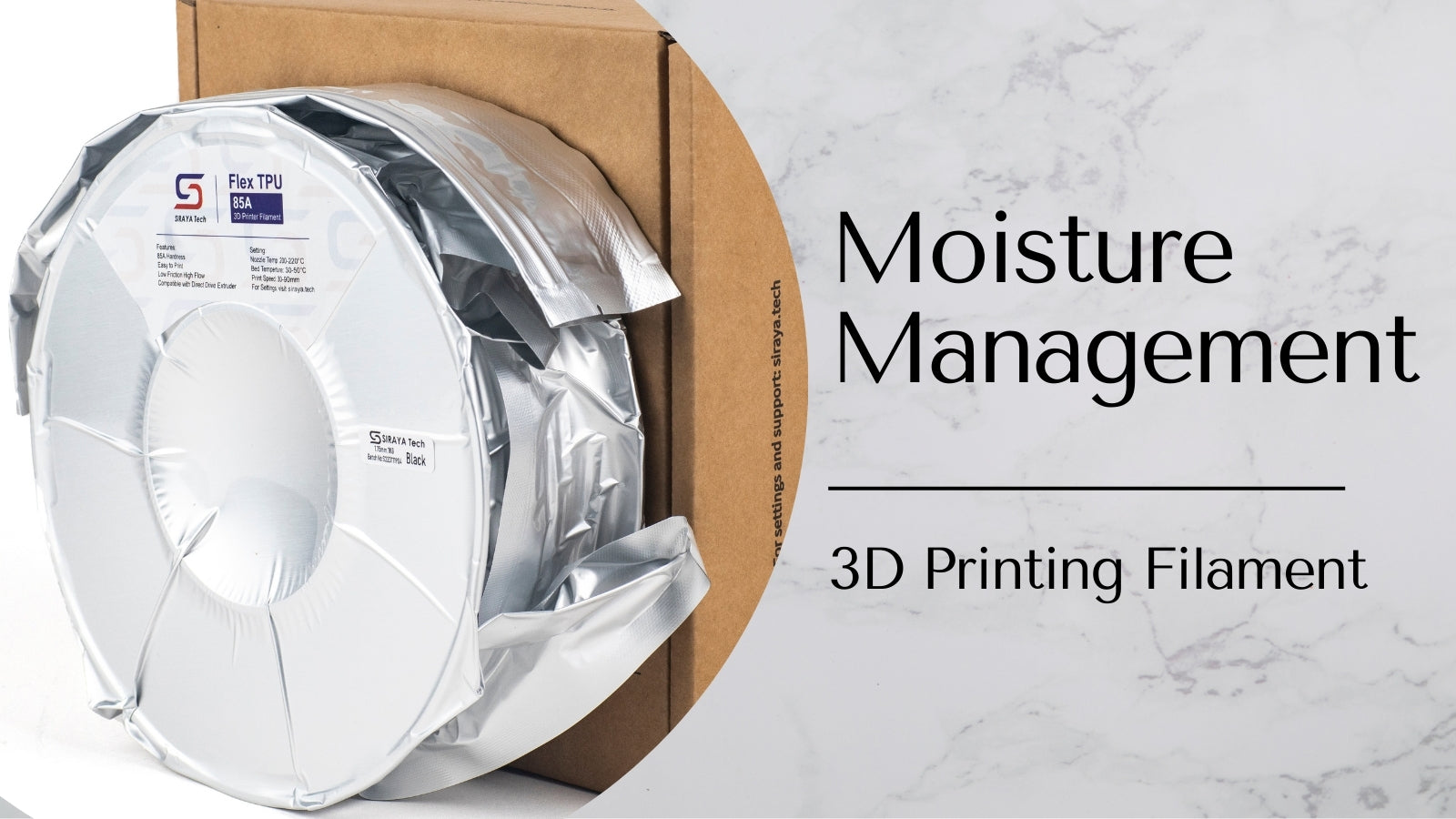
We use specialized multi-layer packaging that combines multiple layers of aluminum foil with protective nylon outer layers. This engineering marvel isn't just a simple foil bag – it's a sophisticated moisture barrier system designed specifically for maximum protection.
The Four-Layer Protection Technology
- Provides excellent mechanical strength and stability
- Superior wear resistance for handling and transportation
- Protects the integrity of inner layers
- Creates an exceptional barrier against moisture, oxygen, and light
- Critical for maintaining filament quality
- Prevents environmental factors from affecting the material
- Enhances overall durability
- Superior puncture resistance
- Adds structural integrity to the package
- Ensures product safety through direct contact compatibility
- Provides excellent heat-sealing properties
- Creates the final moisture barrier

The Numbers Speak for Themselves
Our testing has revealed a striking difference in moisture protection capabilities:
| Performance indicators | SirayaTech aluminum bag packaging | Ordinary Filament packaging |
| Packaging layers | Multi-layer composite | Single layer |
| Sealing performance | Resealable | Disposable |
| Humidity protection level | Professional protection | Basic protection |
| Water vapor transmission rate | 0.13g | 5g |
That's a difference of more than 38 times better moisture protection!
Why Multiple Layers Matter
The combination of multiple aluminum foil layers with nylon creates a synergistic effect:
- The nylon outer layer provides durability and puncture resistance
- Multiple aluminum foil layers create redundant moisture barriers
- The layered construction prevents pinhole leaks that can occur in single-layer packaging
- The overall structure maintains its protective properties even with regular handling
What This Means for You
- Extended Shelf Life: Your filament maintains its optimal properties for longer, even in humid environments.
- Consistent Print Quality: Less moisture absorption means more reliable printing results.
- Enhanced Protection: Multiple layers mean better protection against accidental damage.
- Resealable Design: Our packaging includes a resealable strip to maintain protection even after opening.
- Peace of Mind: Know that your material is protected by multiple layers of moisture barriers.
Beyond the Package
While our superior multi-layer packaging is a significant advantage, it's part of our broader commitment to quality. We recommend:
- Resealing the package immediately after removing filament
- Storing opened filament in a dry box
- Using the resealable feature to maintain protection throughout your material's life
How to Dry ABS Filament (The Correct Way)
Passive drying (using silica gel packets) is usually not enough to restore saturated ABS. You need active heat to drive the moisture out of the polymer chains.
| Material | Drying Temperature | Drying Time |
|---|---|---|
| Standard ABS | 80°C (176°F) | 4 - 6 Hours |
| ABS-GF / ABS-CF | 80°C - 90°C | 6 - 8 Hours |
| ASA | 80°C (176°F) | 4 Hours |
How to Store ABS to Prevent Moisture
Once you have dried your filament, you need to keep it dry. Here is the hierarchy of storage solutions:
- Good: Ziploc bag with fresh silica gel desiccant.
- Better: Vacuum-sealed bag with desiccant.
- Best: An active "Dry Box" that feeds filament directly to the printer while keeping humidity below 15%.
The Bottom Line
When you choose Siraya Tech, you're not just getting premium filament – you're getting the peace of mind that comes with knowing your material is protected by some of the most advanced multi-layer packaging technology in the industry.
Our sophisticated combination of multiple aluminum foil and nylon layers represents our commitment to delivering the highest quality 3D printing experience from start to finish.
Remember: The quality of your prints starts long before the filament reaches your printer. Choose packaging that protects your investment with multiple layers of protection – choose Siraya Tech.
For high-performance applications, consider using Siraya Tech ABS-GF, which combines the toughness of ABS with the dimensional stability of glass fiber—just remember to dry it first for the ultimate surface finish!