
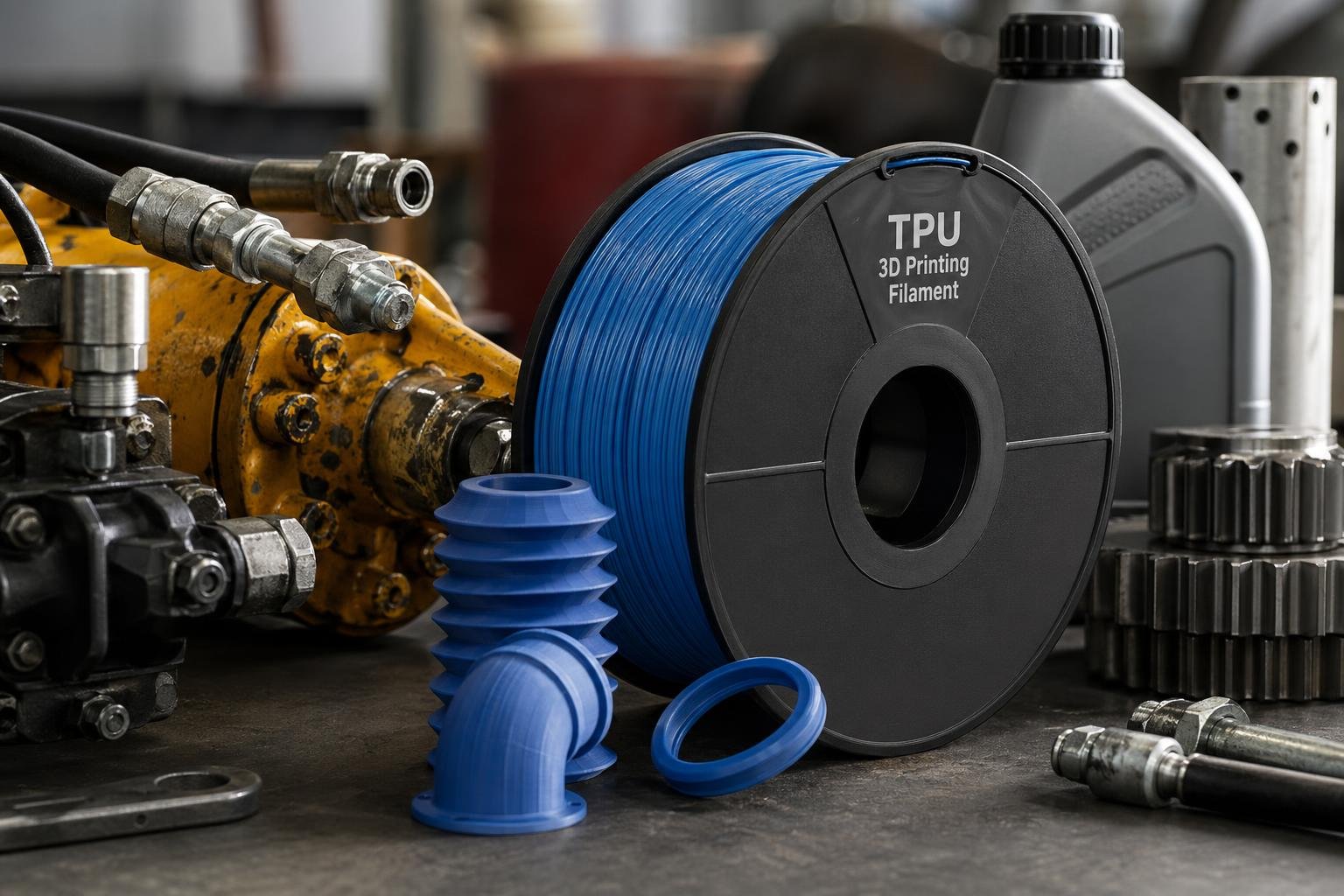
TPU oil resistance is one of the main reasons this flexible material is used in tough environments. From automotive seals to 3D printed machine parts, TPU handles oil exposure better than many common plastics. But how resistant is it really, and what affects its performance over time?
Understanding how TPU reacts to motor oil, grease, and industrial lubricants can help you choose the right material for your project.
Whether you are designing industrial components or printing flexible parts at home, knowing the limits and strengths of TPU oil resistance is essential.
Read on to learn how TPU performs in oily environments and how to get the best results.
🧪Key Takeaways
- •TPU oil resistance is generally rated as good to excellent, especially for polyester-based TPU.
- •Oil exposure can cause slight swelling, but quality TPU maintains flexibility and strength.
- •Temperature, oil type, and mechanical stress all affect long-term performance.
- •Harder TPU grades often perform better in oily environments.
- •Proper testing and material selection are key for automotive and industrial use.
- •For 3D printing, high-quality materials such as Siraya 3D filaments, resins, and platinum silicone can improve durability and performance.
Understanding TPU Oil Resistance and Material Structure

TPU oil resistance comes from its unique chemical structure and elastomer behavior. To understand how it handles oil, it helps to look at how TPU is built at the molecular level.
What Is Thermoplastic Polyurethane
Thermoplastic polyurethane, or TPU, is a flexible plastic known as an elastomer. It combines the strength of rigid plastics with the stretch and flexibility of rubber.
TPU is made of two main segments:
- Hard segments that provide strength and durability
- Soft segments that provide flexibility and elasticity
This structure allows TPU to bend and stretch while still resisting wear, abrasion, and chemical exposure like oil.
Polyester vs Polyether TPU Oil Resistance
There are two main types of TPU, and their oil resistance differs.
- Polyester TPU generally offers better oil resistance and solvent resistance.
- Polyether TPU provides better hydrolysis resistance and performs well in wet environments.
When oil resistance is the main concern, polyester TPU is usually the stronger choice. It tends to swell less and maintain mechanical strength better during oil immersion tests. Performance depends on the specific TPU formulation and test conditions.
How TPU Oil Resistance Performs in Different Oils
Not all oils are the same. The type of oil and how long the TPU is exposed both matter.
Resistance to Motor Oil and Lubricants
TPU oil resistance is commonly tested with:
- Motor oil
- Hydraulic oil
- Gear oil
- Lubricating grease
In most cases, TPU performs well under short-term and moderate long-term exposure. It may experience slight swelling, but it typically retains flexibility and shape. This makes it suitable for seals, gaskets, and protective covers.
Ratings such as good to excellent often apply under controlled laboratory conditions, typically at room temperature unless otherwise specified.
Industrial Mineral Oils and Synthetic Oils
Mineral oils are common in industrial equipment. Polyester TPU usually resists these oils effectively, especially at room temperature.
Synthetic oils can vary in composition. Some aggressive formulations may cause more swelling or softening over extended exposure. Always check chemical resistance data sheets and conduct testing for critical applications.
Factors That Affect TPU Oil Resistance
TPU oil resistance is not fixed. Several variables can change how the material performs.
Temperature and TPU Oil Resistance
Heat increases chemical activity. When TPU is exposed to oil at higher temperatures:
- Swelling can increase
- Mechanical strength may decrease
- Long-term durability can be reduced
Continuous exposure at elevated temperatures accelerates aging. For high-heat environments, selecting a higher-grade TPU formulation is important.
Hardness and Shore Rating
TPU comes in different hardness levels measured in Shore A.
- Softer TPU grades are more flexible but may swell more in oil.
- Harder TPU grades often provide better oil resistance and dimensional stability.
Choosing the right balance between flexibility and oil resistance is key for seals and load-bearing parts. However, overall oil resistance is influenced more by the full chemical formulation than by Shore hardness alone.
Mechanical Stress in Oily Conditions
When TPU is compressed or stretched in the presence of oil, performance changes can occur.
Important factors include:
- Compression set resistance
- Abrasion under lubrication
- Repeated flexing or fatigue
High-quality TPU maintains strong abrasion resistance even when coated with oil, which is why it is widely used in industrial belts and bushings.
Measuring and Testing TPU Oil Resistance
Manufacturers use standard testing methods to evaluate TPU oil resistance. These tests provide measurable data rather than guesses.
Oil Immersion Testing Standards
Common standards include:
- ASTM oil immersion tests
- ISO chemical resistance testing
In these tests, TPU samples are submerged in oil for a specific time and temperature.
Afterward, technicians measure:
- Volume change percentage
- Weight change
- Hardness variation
- Tensile strength retention
A small percentage of volume increase usually indicates good oil resistance.
Understanding Chemical Resistance Charts
Chemical resistance charts often use ratings such as:
- Excellent
- Good
- Fair
- Poor
For TPU oil resistance, motor oils are often rated good to excellent, especially for polyester grades. These ratings help engineers choose the right material quickly.
TPU Oil Resistance in Automotive and Industrial Applications
TPU oil resistance makes it a reliable option in environments where oils and lubricants are constantly present. Its balance of flexibility and strength is especially valuable in moving systems.
Automotive Components
Common uses include:
- Seals and gaskets
- Protective cable sheathing
- Suspension bushings
- Dust boots
These parts must handle oil, heat, vibration, and mechanical stress at the same time. TPU’s resistance to oil and abrasion makes it a strong candidate.
Industrial Equipment and Machinery
In factories and heavy equipment, TPU is used for:
- Conveyor belts
- Hydraulic seals
- Rollers and wheels
- Protective sleeves
Oil exposure is routine in these settings. TPU maintains performance without cracking or becoming brittle under normal operating conditions.
TPU Oil Resistance in 3D Printing Applications
3D printing has made TPU more accessible for custom parts that need oil resistance. Flexible printed components can now be used in mechanical systems and hobby projects.
Is 3D Printed TPU Oil Resistant
Yes, but performance depends on print quality and material selection.
Key factors include:
- Layer adhesion
- Infill density
- Print temperature
- Surface finish
Dense prints with strong layer bonding reduce oil penetration. Using high-quality TPU filament improves overall durability.
Explore Siraya Flexible 3D Printing Materials
Shop flexible TPU and elastic filament options for durable prints, prototypes, wearable parts, seals, grips, and oil-contact testing projects.
Explore Siraya Materials →
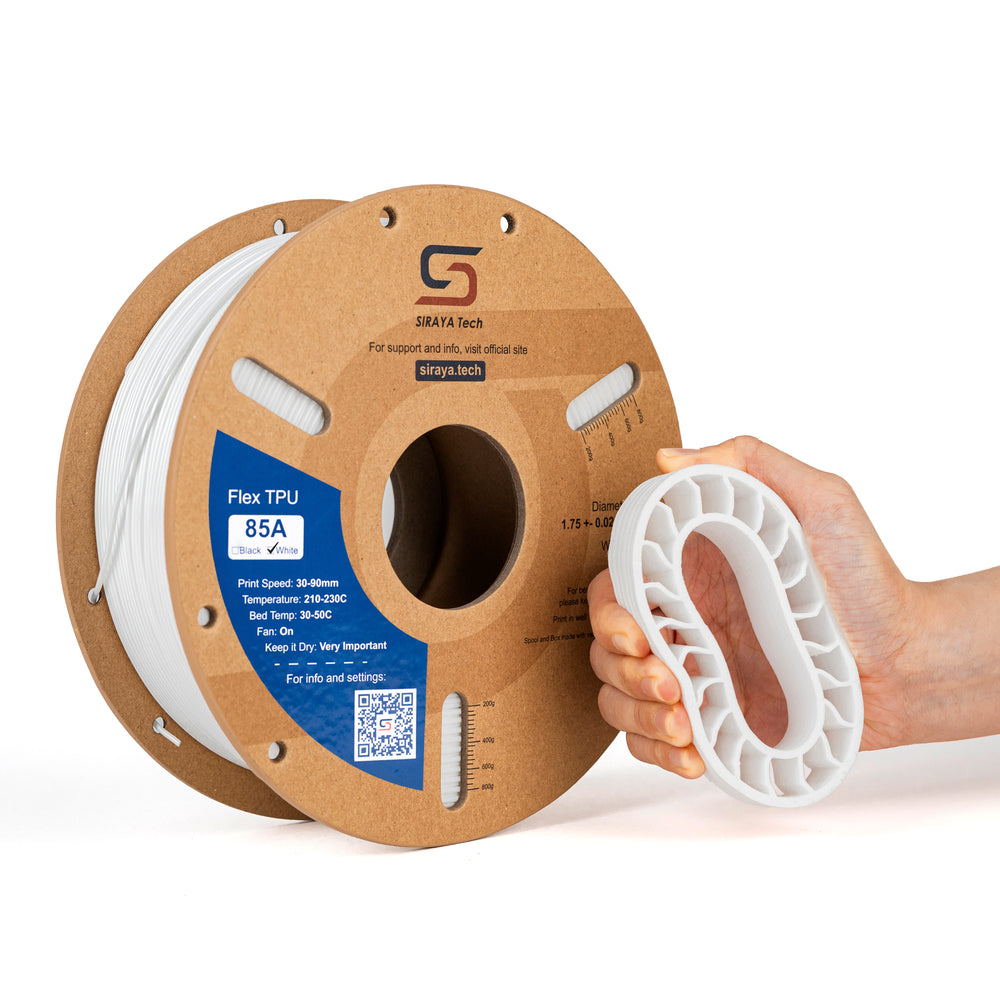
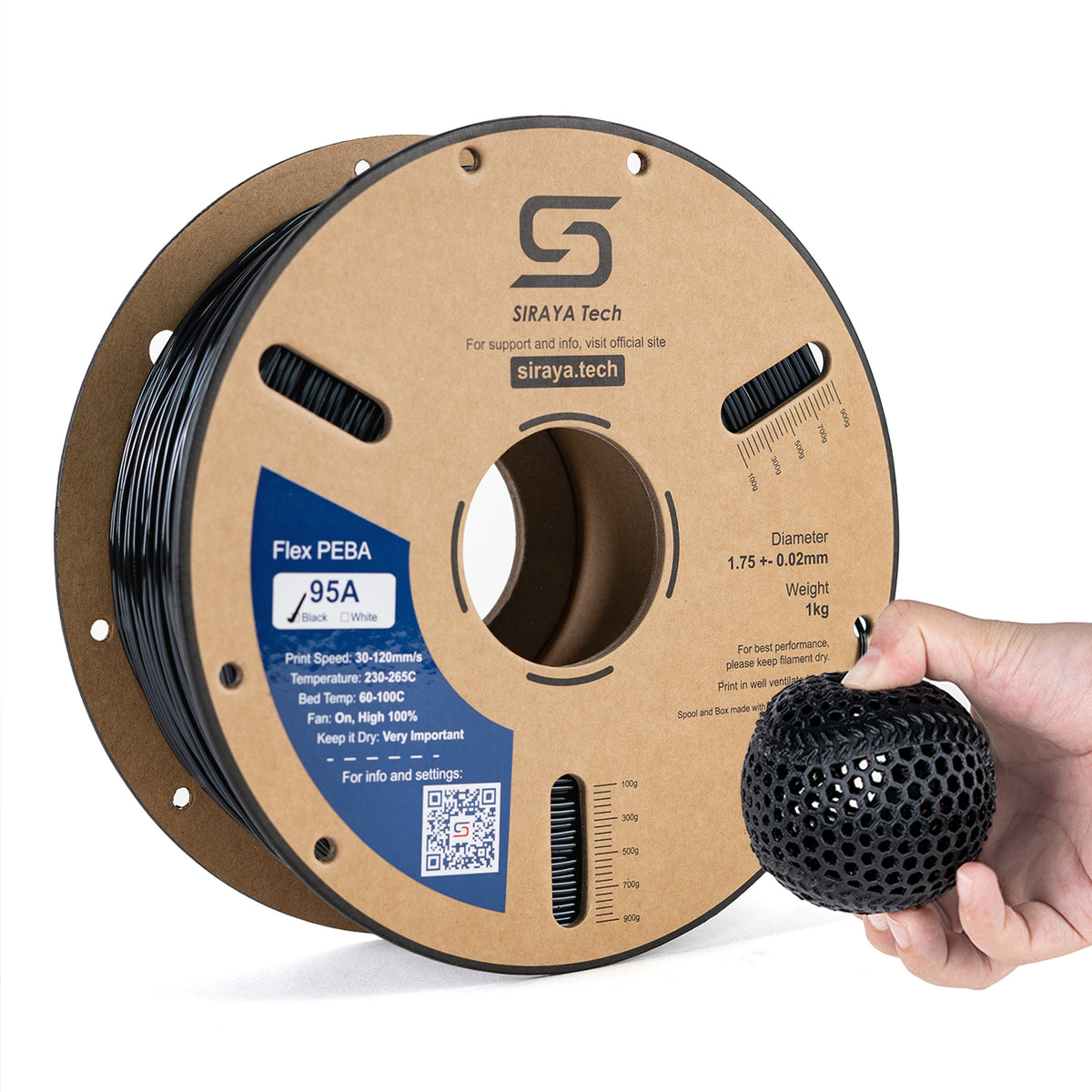
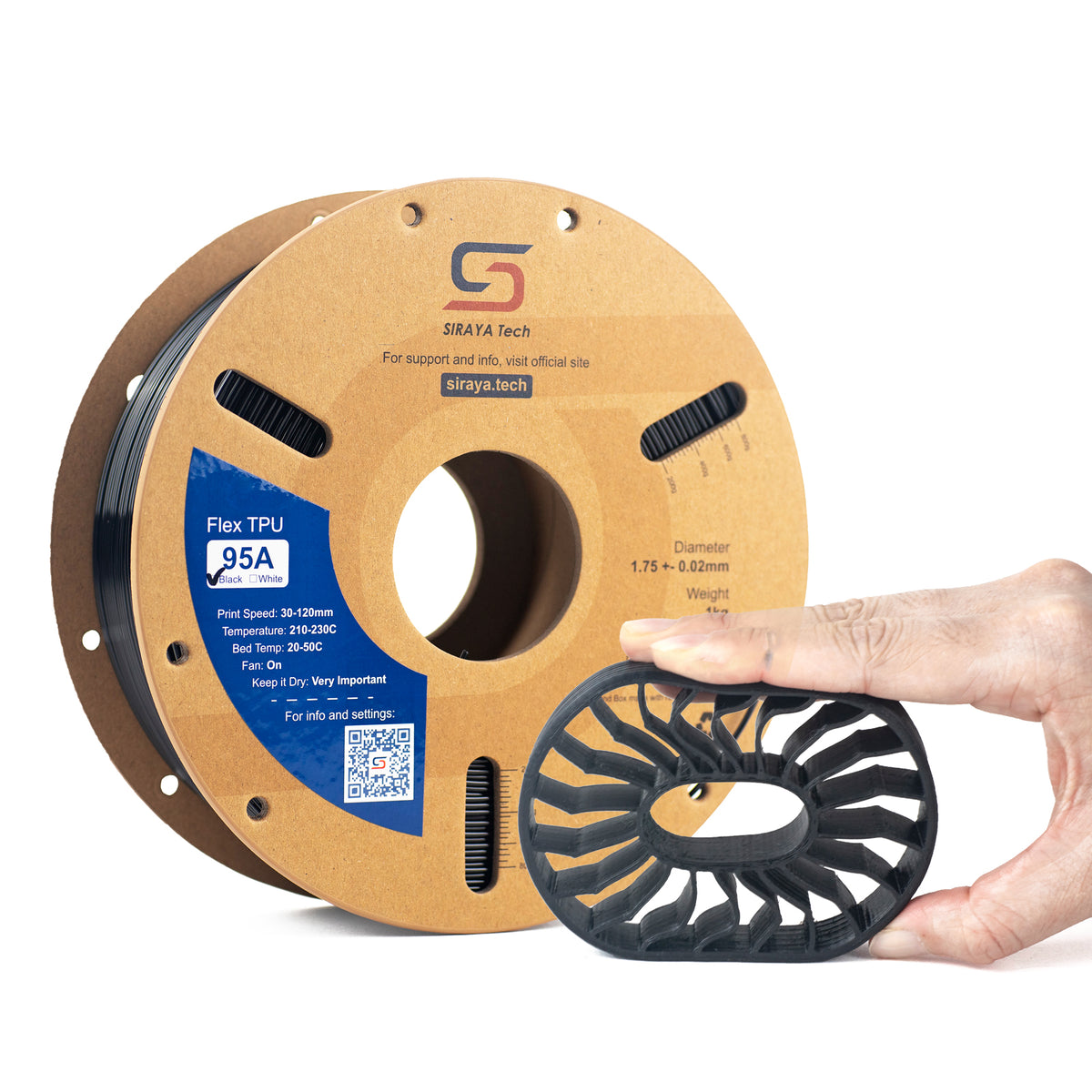
For flexible and chemical-resistant prints, Siraya offers advanced 3D filaments designed for strength and reliability. If additional toughness is required, specialized resins such as Siraya Tenacious resin can enhance impact resistance when blended.
For mold-making and oil-resistant casting applications, platinum silicone materials can also provide strong chemical stability.
Improving TPU Oil Resistance in Printed Parts

To enhance performance:
- Increase infill percentage
- Use higher wall thickness
- Apply post-processing to smooth surfaces
- Avoid under-extrusion
If a project requires greater rigidity with oil exposure, reinforced materials like carbon fiber or glass fiber infused filaments can be considered.
For example, materials such as PETG-CF or ABS-CF combine chemical durability with improved stiffness and reduced warping, making them useful alternatives in certain oil-contact scenarios.
Advantages and Limitations of TPU Oil Resistance
TPU oil resistance offers many benefits, but it is not perfect for every environment.
Key Advantages
- Excellent flexibility combined with chemical durability
- Strong abrasion resistance even in lubricated systems
- Good impact resistance
- Reliable sealing performance
These traits make TPU suitable for dynamic parts that bend, compress, and move.
Limitations to Consider
- Prolonged exposure to aggressive fuels can cause degradation
- High temperatures reduce long-term stability
- Strong solvents may damage the material
Understanding these limits helps prevent premature failure.
Choosing the Right TPU for Oil Resistance
TPU oil resistance makes this material a smart choice for flexible parts exposed to motor oil, hydraulic fluids, and industrial lubricants.
Polyester-based TPU generally performs best, especially in moderate heat and continuous contact environments. Factors like hardness, temperature, mechanical stress, and formulation all influence long-term durability.
For makers and professionals working with 3D printing, material quality plays a major role in performance. Siraya offers high-quality 3D printing filaments, advanced resins including tenacious and castable options, and platinum silicone materials for crafting durable and precise parts.
For more helpful guides and practical tips on materials and 3D printing techniques, explore additional resources from Siraya to support your next project with confidence and reliability.
Frequently Asked Questions About TPU Oil Resistance
How chemically resistant is TPU?
TPU offers good overall chemical resistance, especially against oils and greases. Polyester TPU performs particularly well in oil-rich environments. However, strong acids, bases, and aggressive solvents can still affect it. Always check specific chemical compatibility charts for demanding applications.
Does TPU absorb oil?
TPU can absorb small amounts of oil over time, which may cause slight swelling. The amount depends on the oil type, temperature, and TPU formulation. In most standard applications, the swelling is minimal and does not significantly affect performance. Long-term immersion at high heat increases absorption rates.
Is polyester TPU more oil resistant than polyether TPU?
Yes, polyester TPU generally provides better oil resistance. It tends to swell less and retain mechanical properties better during oil exposure. Polyether TPU is more resistant to moisture and hydrolysis. The choice depends on whether oil or water exposure is the bigger concern.
Can 3D printed TPU be used in oily environments?
Yes, 3D printed TPU can handle moderate oil exposure if printed correctly. High infill density and strong layer bonding improve resistance. For demanding conditions, selecting high-quality filament and testing the part under real conditions is recommended. Proper design and material choice are essential for durability.