
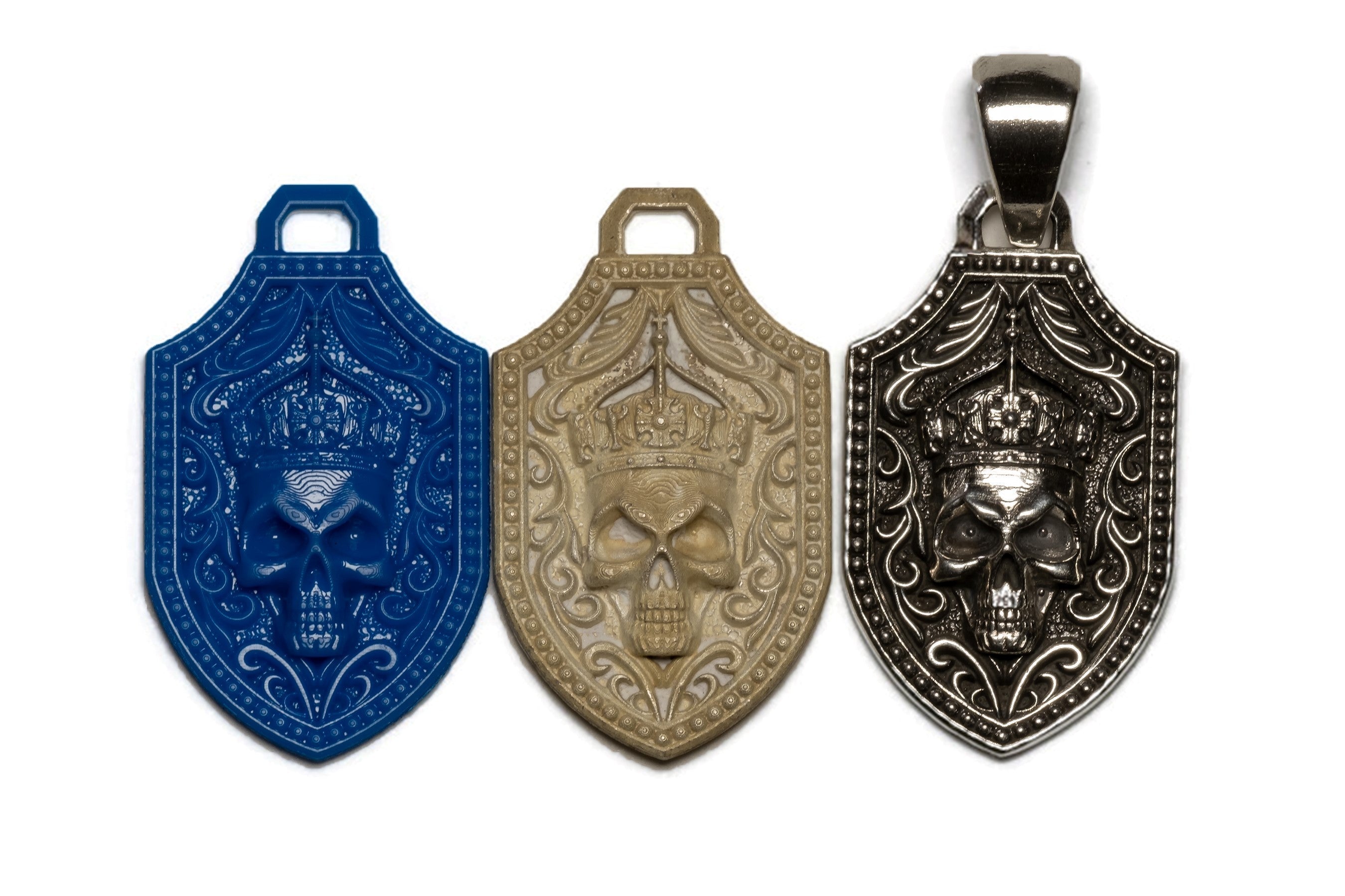
Castable resin printing sits at the intersection of jewelry making, dental fabrication, and precision engineering — and it demands both the right hardware and the right material.
The Anycubic Photon Mono X6Ks paired with Siraya Tech Cast Resin is one of the strongest combinations available for anyone working in these fields.
This guide covers what makes each component worth your investment, what Cast Resin is actually capable of, and the practical details you need before your first burn-out cycle.
Why Choose Anycubic Photon Mono X6Ks?
The Photon Mono X6Ks is Anycubic's large-format flagship, built around a 9.1-inch 6K monochrome screen. For castable resin work — where surface finish directly affects mold quality and metal detail — resolution is non-negotiable.

Key Specifications
| Feature | Spec |
|---|---|
| Screen Size | 9.1 inch |
| Resolution | 5,760 x 3,600 px (6K) |
| Build Volume | 4.76L |
| Light Source | Anycubic LightTurbo Matrix |
| Screen Protection | Anti-scratch film (+ 1 spare included) |
| Slicer | Photon Workshop 3.0 |


Enter Siraya Tech Cast - The Castable Resin Game Changer


Why Cast Resin Stands Out
✅ High Resolution & Surface Finish
Cast Resin produces an impeccable surface finish straight off the printer. Paired with the X6Ks's 6K screen, the surface quality reduces hand-finishing time before investment.
✅ No Special Additives or Dry Environment Required
Unlike some castable resins that require climate-controlled storage or special handling agents, Cast Resin works in normal workshop conditions. No dry boxes, no additives — just standard resin printing workflow.
✅ Affordable Without Compromise
Professional-grade castable resins often carry significant price premiums. Cast Resin is positioned to be accessible for both production jewelers and hobbyists entering the casting workflow for the first time.
✅ Wide Application Versatility
One resin, multiple industries. Whether your workflow is jewelry, dental, or precision engineering, Cast Resin adapts without requiring product switching.
Burnout & Casting
Cast Resin Burnout Properties
| Property | Value |
|---|---|
| Ignition Temperature | ~450°C |
| Cured State | Does not melt — burns out via thermal decomposition |
| Investment Type | Standard jewelry investment (consult manufacturer) |
⚠️ Important: Siraya Tech Cast Resin behaves differently from traditional wax. Cured prints do not melt — they undergo thermal decomposition during burnout. This means your burnout schedule must reach sufficient temperature to fully eliminate resin residue before metal pour.
Recommended Burnout Schedule
General best practices:
- Use a programmable burnout kiln
- Do not rush ramp-up temperatures
- Ensure complete burnout before investing and pouring
- Allow molds to reach correct pour temperature before casting
Wrap Up
Frequently Asked Questions
Does Cast Resin melt like wax during burnout?
No. Cured Cast Resin undergoes thermal decomposition rather than melting. It burns out at around 450°C. Follow the burnout schedule in the official user guide to ensure complete elimination of resin residue before casting.
Can I use Cast Resin for dental applications?
Yes. Its dimensional accuracy and clean burnout make it suitable for metal casting workflows in dental labs. Always validate against your specific clinical or lab requirements.
Does the Mono X6Ks require a screen protector?
Yes. The printer ships with an anti-scratch film pre-installed, plus one replacement included. With resin spills being a constant risk in castable workflows (which often involve thinner, more fluid resins), verify the protector is in place before every session.
What investment material should I use with Cast Resin?
Siraya Tech recommends consulting their user guide for compatible investment types. Standard jewelry investments generally work, but mixing ratios and burnout schedules may need adjustment compared to traditional wax.
Can beginners use Cast Resin?
Yes — the resin itself is straightforward to print with. The casting workflow (investment, burnout, pour) requires practice regardless of resin brand. If you're new to casting, focus on the burnout schedule and kiln control before optimizing print settings.