
If you’ve been in the 3D printing hobby long enough, you know the drill. You design a functional part that needs serious impact resistance, and you immediately think: Nylon. Then you remember the warping, the extreme bed temperatures, the mandatory heated enclosure, and the constant filament drying.
We all want the strength of engineering materials without the massive headache. But what if the answer isn't a rigid plastic at all? What if it's a flexible one?
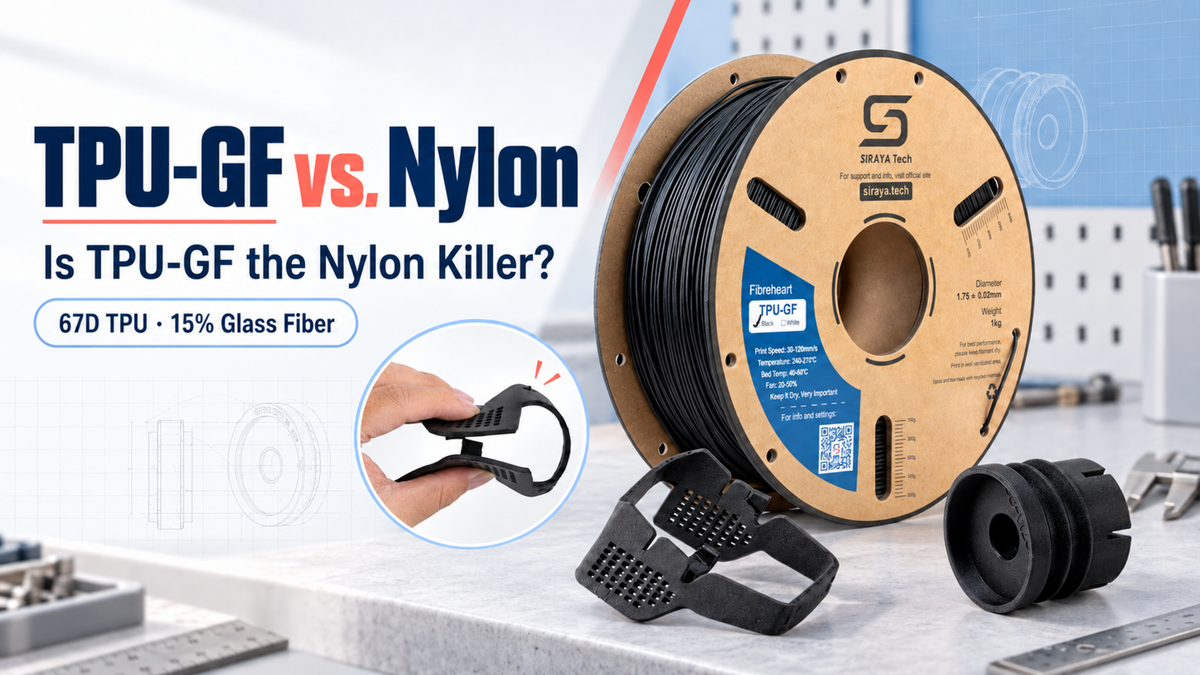
Recently, the YouTube channel Lost in Tech released a deep dive into a filament that sounds like an oxymoron: Glass Fiber-filled TPU (TPU-GF). After watching his tests, it’s safe to say this material might just be the "Nylon killer" for the everyday maker.
The Magic Formula: 67D TPU + 15% Glass Fiber
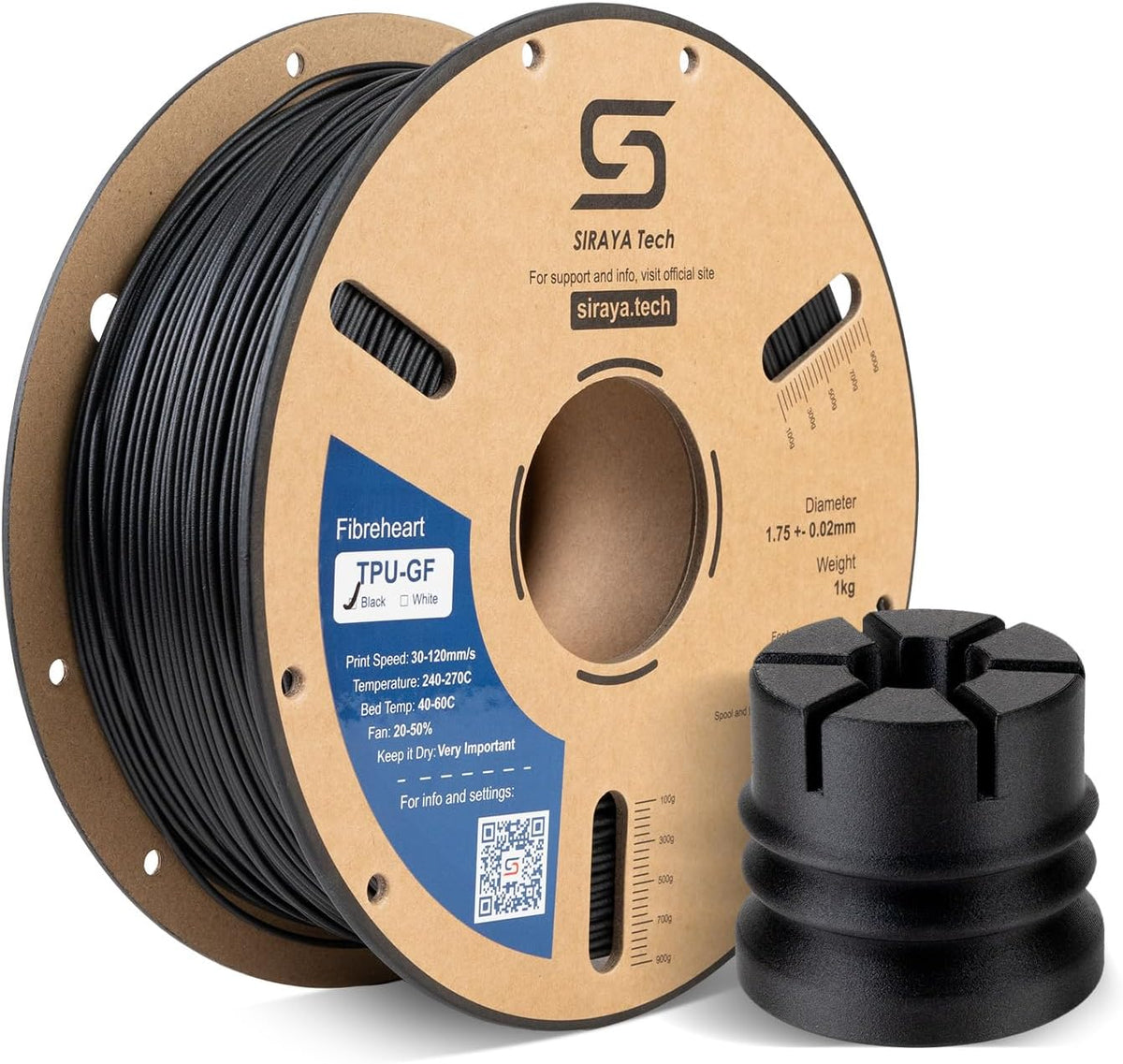
When you hear "TPU," you probably think of squishy phone cases or floppy RC tires. But TPU-GF is a different beast. Based on a relatively hard 67D Shore Hardness TPU and impregnated with 15% glass fibers, this material bridges the gap between rigid engineering plastics and shock-absorbing rubber.
The glass fibers are essentially invisible to the naked eye (due to matching refractive indices with the polymer), giving the filament a fine, micro-textured finish. Best of all? Unlike carbon fiber filaments that can leave micro-splinters when handled or snapped, the flexible TPU matrix holds the glass fibers securely.
Why it Beats Nylon for the Average Setup
The principal advantage of TPU-GF over nylon isn't necessarily ultimate tensile strength; it’s the fact that it is incredibly mundane to print.
🚫 Zero Enclosure Required
Forget heated chambers or drafting shields. Because TPU-GF has a glass transition temperature below room temperature, it ignores internal thermal warping stresses.
🧲 Insane Bed Adhesion
Prints flawlessly on standard PEI sheets. (Pro-tip: Use glue stick as a release agent to prevent build plate surface damage upon removal!)
🛡️ Predictable Failure Mode
Instead of catastrophically shattering like Nylon or Polycarbonate under overload, the TPU matrix deforms and absorbs energy before final failure.
Practical Applications: Where Does TPU-GF Shine?
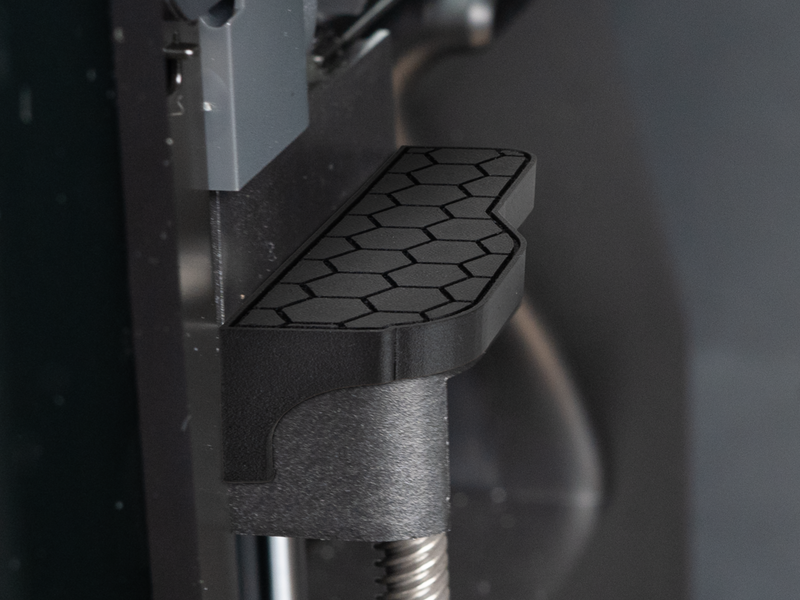
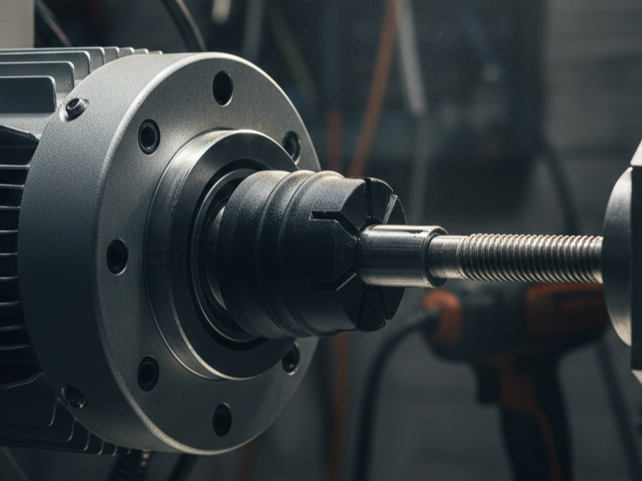
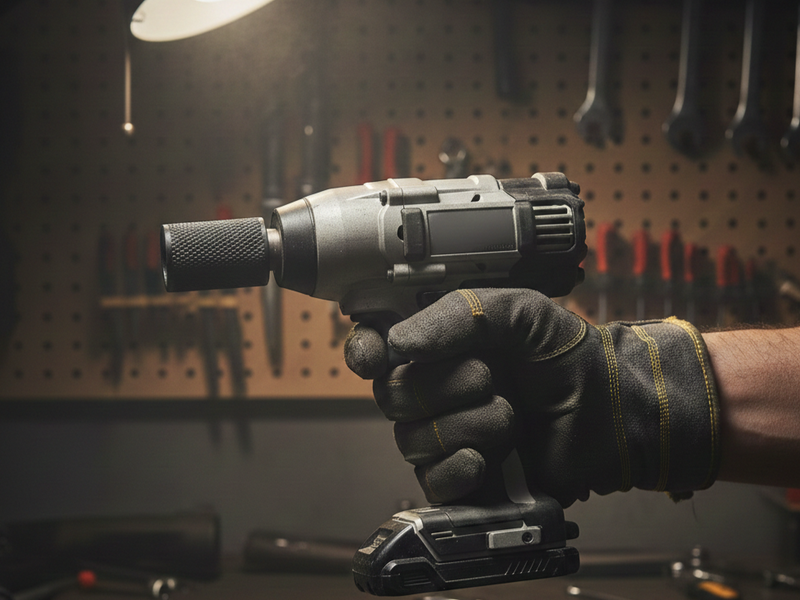
Moving you into nylon territory for strength while retaining structural dampening makes the real-world applications practically endless:

Slicer Profile Tweaks for Maximum Strength
To get absolute peak performance out of TPU-GF and ensure glass fibers don't interfere with Z-axis layer bonding, adjust these slicer parameters:
🚨 Fix for Small Cross-Section Layer Separation:
If printing small layer areas (such as thin pegs, screw posts, or narrow towers), standard print speeds can cause layer separation because hot plastic moves too fast for proper thermal bonding.
The Verdict
If you need parts that won't shatter, want a matte micro-textured finish, and wish to avoid toxic fumes, warping, and enclosures, TPU-GF is absolutely worth a roll. Dial in your profile, slow down for small details, and enjoy nearly indestructible parts.