
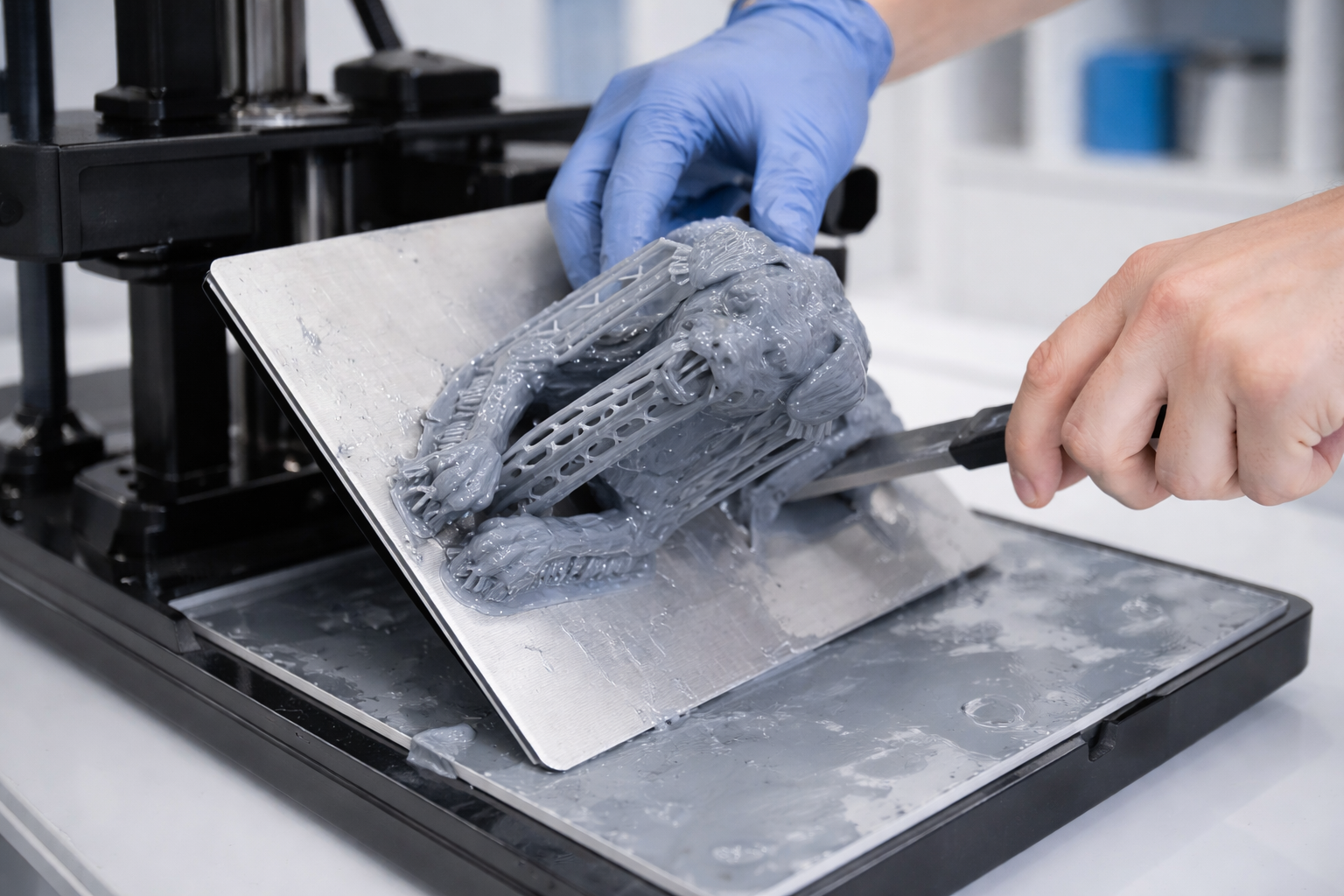
Hard 3D printer resin can turn a small mistake into a frustrating cleanup task. Once resin cures, it sticks firmly to build plates, screens, and tools.
The good news is that hardened resin can be removed safely with the right approach and patience.
Keep reading to learn how you remove hard resin without damaging your printer or workspace.
How Do You Remove Hard Resin from 3D Printer Resin Prints?
Removing hard resin depends on where it is stuck and how thick the cured layer is. Rushing the process often leads to scratches or broken parts, so slow and careful steps matter.
Start with Gentle Mechanical Removal
- Use a plastic scraper before trying metal tools
- Keep the scraper at a low angle
- Apply steady pressure instead of force
If the resin does not move easily, stop and try another method. Forcing it can permanently damage the surface.
Use Cold to Loosen Hardened Resin
- Place the build plate in a freezer for 20 to 30 minutes
- Let the resin contract slightly
- Try scraping again once the plate is cold
Cold temperatures make cured resin more brittle and easier to lift.
How Do You Remove Hard Resin from a 3D Printer Build Plate?
Build plates are the most common place for hardened resin to stick. Removing it properly helps keep prints consistent and surfaces smooth.
Safe Build Plate Cleaning Tips
- Clean small resin spots after every print
- Avoid sharp metal scrapers on textured plates
- Work from the edges toward the center
📌 Want a deeper look at proper post printing cleanup? Check out How to Clean Resin Prints the Right Way to keep your prints and equipment in top shape.
How Do You Remove Hard Resin from the LCD Screen and FEP Film?

Cured resin on the LCD screen or FEP film requires extra care. These parts are delicate and costly to replace.
Removing Hardened Resin from an LCD Screen
- Turn off and unplug the printer
- Apply isopropyl alcohol to soften residue
- Lift gently with a plastic card
If the resin does not release easily, replacing the screen may be safer than forcing removal.
Cleaning Hardened Resin from the FEP Film
- Remove the resin vat
- Empty and filter leftover resin
- Soak the cured area with alcohol and peel gently
Cloudy or torn FEP film should be replaced to avoid failed prints.
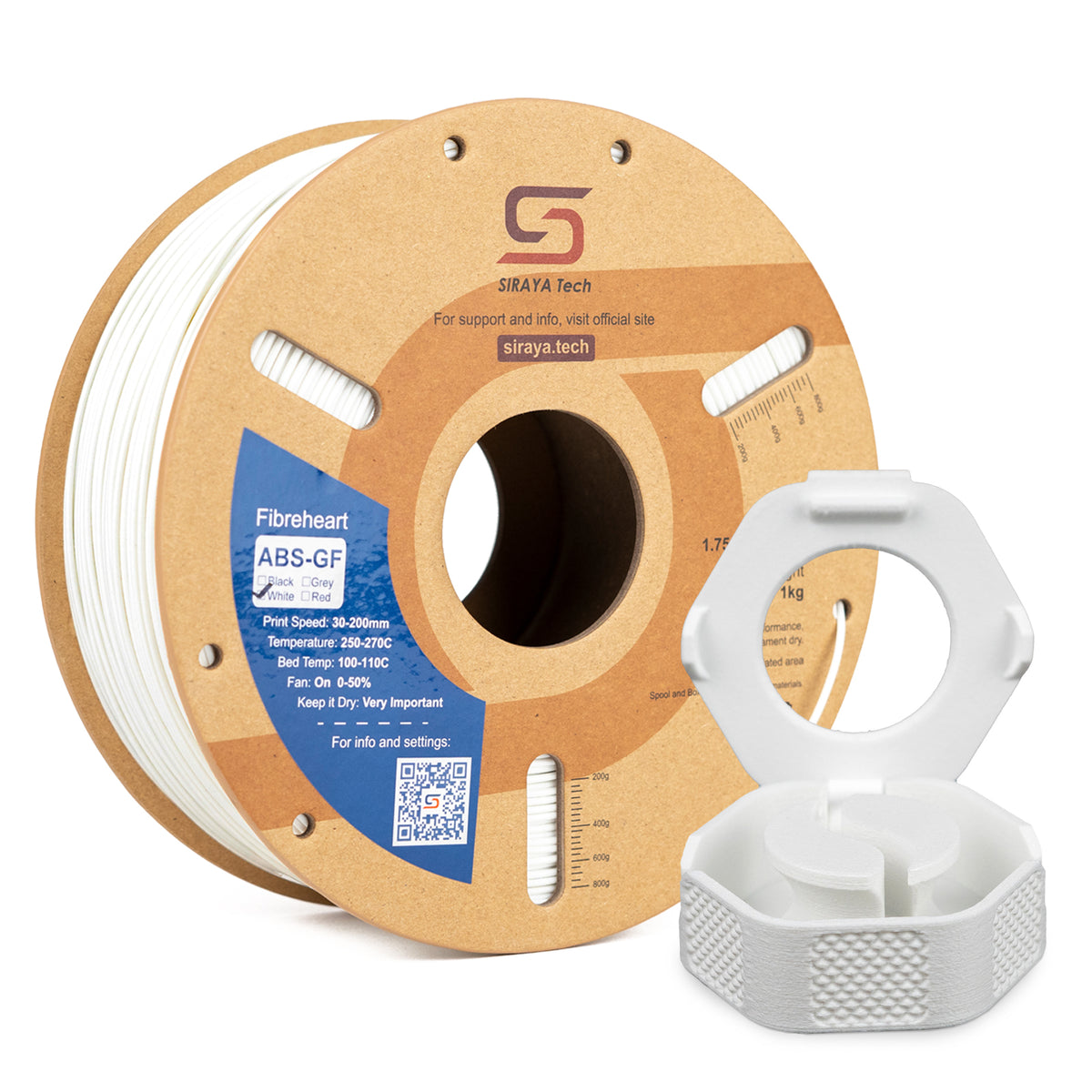
Siraya 3D Filaments and Resin You May Shop
Explore More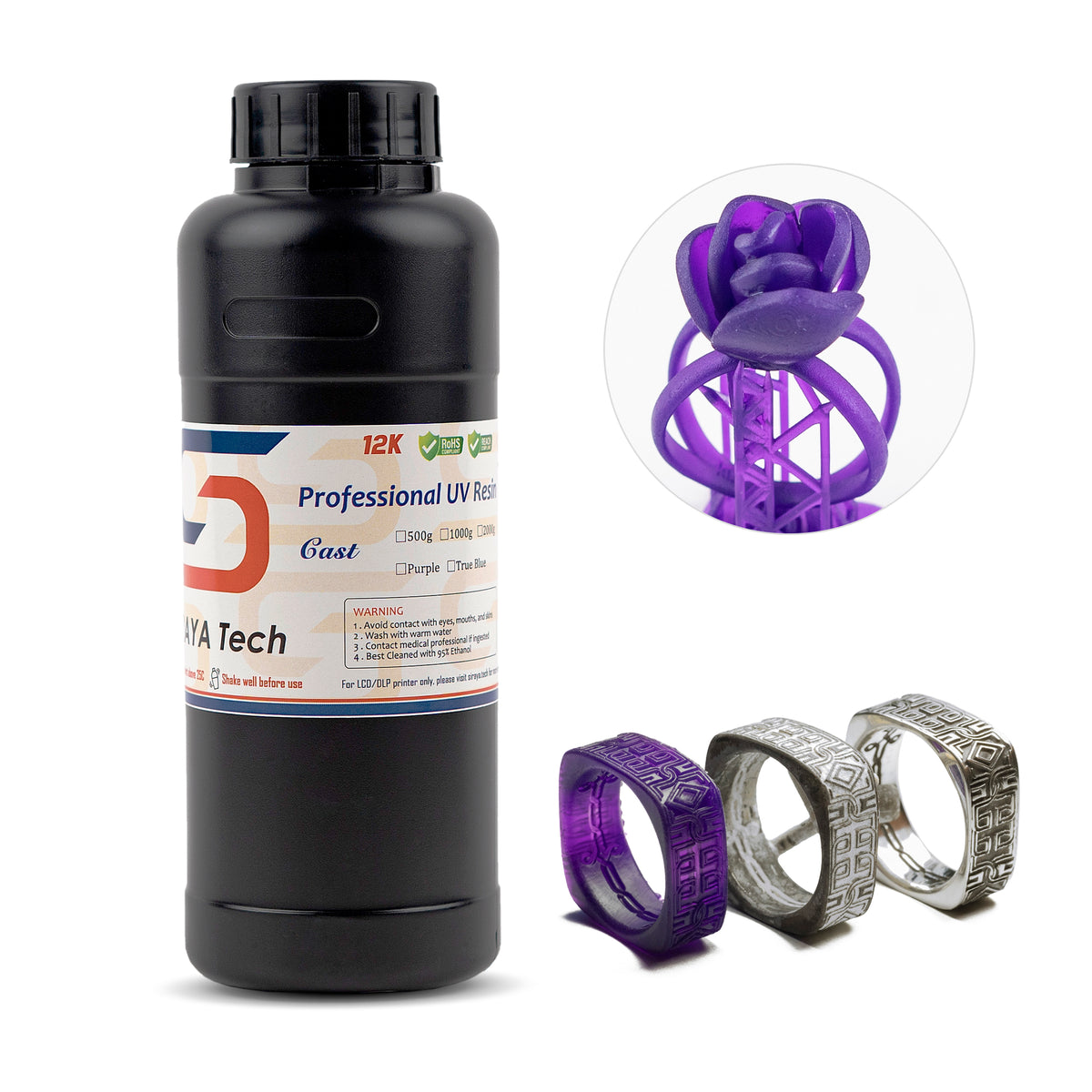

What Dissolves 3D Printer Resin When It Is Hard?
Once resin fully cures, it does not dissolve the same way liquid resin does. Some substances can still help weaken its bond.
Common Solvents and Their Effects
- Isopropyl alcohol helps loosen residue
- Acetone can soften some cured resin surfaces
- Water does not dissolve resin
Always use solvents with gloves and proper ventilation.
Does Acetone Melt Hardened 3D Resin?
Acetone does not melt cured 3D printer resin. Cured resin is a thermoset plastic, meaning it does not return to liquid form.
Acetone may soften the surface enough for scraping, but it can also damage plastic housings and screens. Use it carefully and sparingly.
How to Melt Hardened Resin Safely Using Heat

Heat can soften hardened resin slightly, making it easier to remove. It must be controlled to avoid warping parts.
Safe Heat Application Methods
- Use warm water on removable metal parts
- Avoid direct heat on screens or FEP film
- Never use open flames
Heat works best when combined with gentle scraping.
Common Mistakes When Removing Hard 3D Resin
Avoiding these mistakes can save your printer from costly damage.
- Scraping aggressively with sharp tools
- Using strong solvents on plastic components
- Ignoring gloves and ventilation
- Trying to remove all resin at once
Patience and switching methods often work better than force.
How to Prevent Hard Resin Buildup in 3D Printing
Good habits reduce the chance of resin hardening where it should not.
- Clean the build plate after each print
- Filter and store unused resin properly
- Inspect the vat and screen before starting a new job
📌 Curious about how different resin types behave? Browse What Is Casting Resin? A Beginner-Friendly Guide to better understand resin properties across applications.
Conclusion
Learning how to remove hard resin makes 3D printing easier and less stressful. Using the right tools, temperature, and safety steps protects your printer and improves print quality. With consistent cleanup habits, hardened resin becomes much easier to manage.
For more helpful guides and tips about 3D printing, visit Siraya for trusted resources. Siraya also offers high quality products such as 3D printing filaments, resins for 3D printing including castable, tough, flexible, and engineering options, and platinum silicone crafting materials designed for reliable results in your projects.
FAQs About How Do You Remove Hard Resin
How to remove 3D resin?
Cured 3D resin is best removed using a mix of gentle scraping, cold exposure, and alcohol soaking. Plastic tools reduce the risk of damage. Patience helps prevent scratches and cracks.
What dissolves 3D printer resin?
Uncured resin dissolves easily in isopropyl alcohol. Fully cured resin does not dissolve but can be softened. Mechanical removal is usually needed.
How to remove solidified resin?
Solidified resin can be loosened using cold temperatures or mild heat. Once softened, use a plastic scraper to lift it away. Avoid sharp tools.
What dissolves hardened resin?
Hardened resin does not fully dissolve once cured. Solvents can weaken its surface but will not turn it liquid. Physical removal is required.
How to melt hardened resin?
Hardened resin cannot truly melt. Controlled heat can soften it slightly, making removal easier. Too much heat can damage printer parts.
Does acetone melt 3D resin?
Acetone does not melt cured 3D resin. It may soften the surface but can harm plastic components. Use it carefully.