
Finding the fastest resin 3D printer can feel confusing when every option promises incredible speed.
What most people actually want is faster prints without losing detail or wasting time fixing failures. This guide explains speed in simple terms so you can make smarter choices and get better results.
Keep reading to discover what truly affects resin printing speed and how to improve it.
Quick note: Actual print speeds vary depending on the model being printed, resin type, printer settings, and how the object is oriented on the build plate.
What Defines the Fastest Resin 3D Printer
Speed in resin printing is not just about how fast the machine moves up and down. It is about how quickly a full print finishes from start to cleanup.
Print Speed vs Total Print Time
- Print speed usually refers to layer exposure time
- Total print time includes lifting, peeling, and curing
- Faster printers reduce wasted motion between layers
Why Resin Printers Are Faster Than Filament Printers
Resin printers cure entire layers at once instead of drawing lines. This means flat and tall objects often take the same amount of time per layer. That is why resin printing is often faster for detailed models.
Key Parts That Control Speed
- Light source strength and consistency
- Screen type and refresh rate
- Stable Z axis movement
Current Resin 3D Printing Speed Capabilities
Modern resin printers are far faster than older machines. Improvements in screens and light systems have significantly reduced print times.
Typical Speed Ranges Today
- Entry level printers balance speed and detail
- Mid range printers support shorter exposure times
- Advanced printers focus on fast batch printing
What Ultra Fast Resin Printing Looks Like
Ultra fast printing uses low exposure times paired with resins designed for speed. These setups work best when orientation and supports are well tuned.
📌 If you want to understand how resin printers compare with other machines, check out Types of 3D Printers: Which One is Right For You? to see how speed differs by technology.
Fastest Resin 3D Printer Options Today

The fastest resin 3D printer depends on how you plan to use it. Print size, detail level, and workflow all matter.
Speed Focused Printer Categories
- Desktop resin printers for fast hobby use
- Large format printers for batch printing
- Production focused printers for small businesses
Matching Speed to Your Needs
Miniatures benefit from faster exposure times. Functional parts often need slower settings for strength. Choosing the right printer type prevents wasted time.
Siraya 3D Filaments and Resin You May Shop
Explore More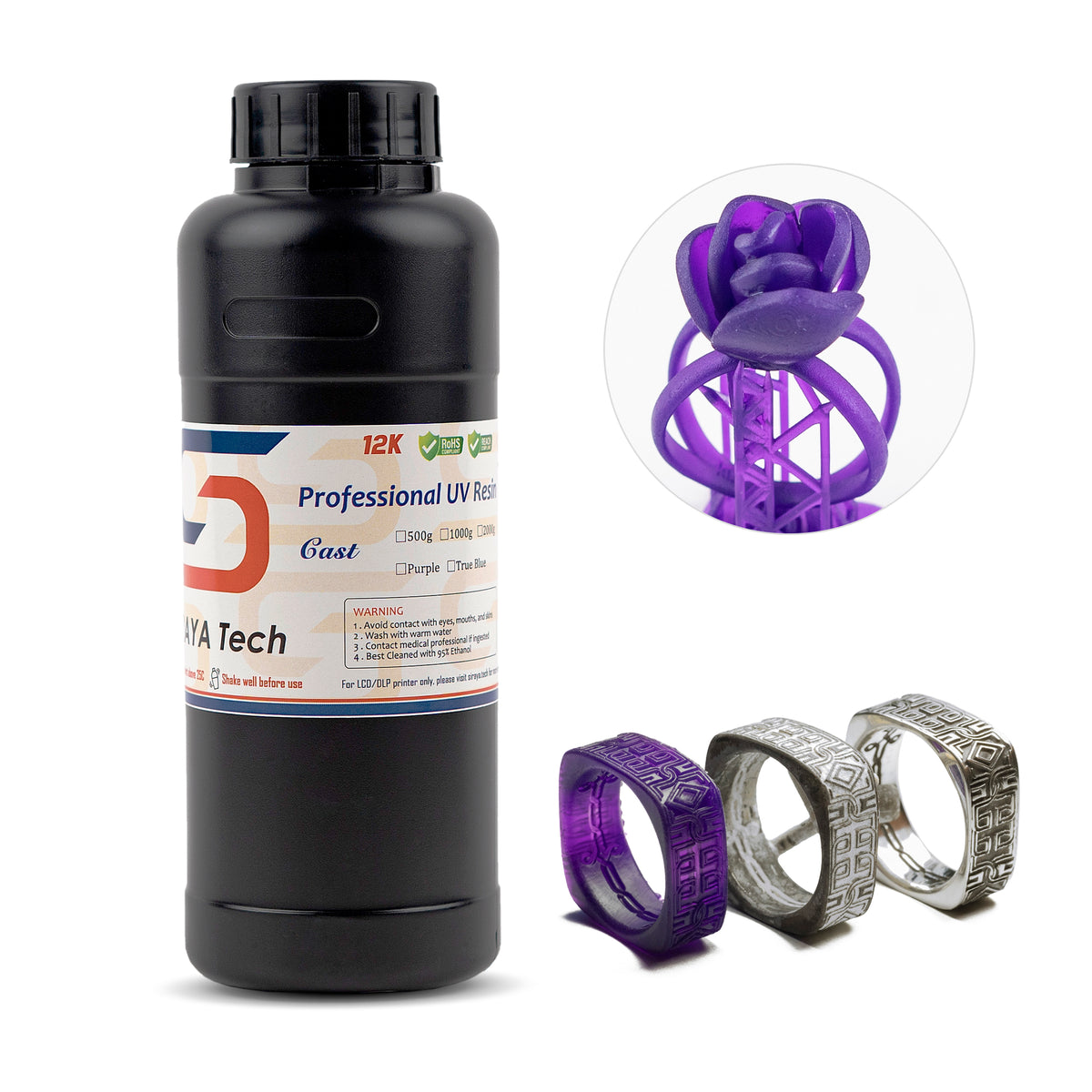
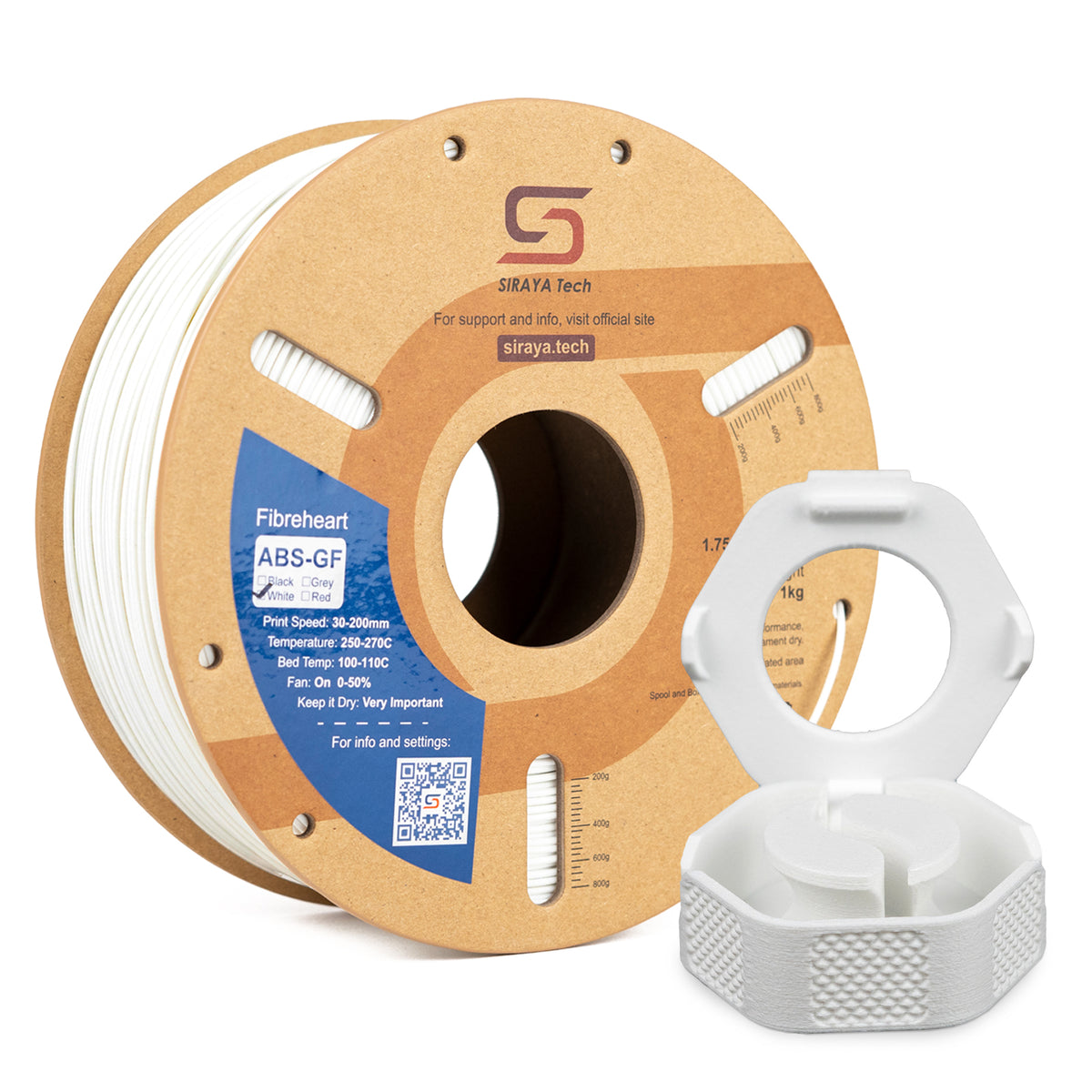

📌 Still deciding between resin and filament printing? Browse Resin vs Filament 3D Printer: Which is Best For Your Projects? to see where resin printing truly shines.
Core Factors That Make a Resin 3D Printer Faster
Speed comes from smart design working together across hardware and software. No single feature controls everything.
Screen and Light Technology
- Monochrome screens cure resin faster
- Strong UV light reduces exposure time
- Even light distribution improves reliability
Motion and Stability
A rigid Z axis prevents wobble at higher speeds. Faster lift and retract movements save time when supports are strong.
Software and Smart Features
Automatic supports and speed presets reduce setup time. Reliable firmware prevents failures that waste hours.
Optimal Settings for the Fastest Resin 3D Printer
Settings play a major role in how fast prints finish. Even the fastest printer can slow down with poor tuning.
Layer Height and Exposure Balance
- Thicker layers print faster but reduce detail
- Shorter exposure times increase speed
- Test prints help find the right balance
Lift Speed and Wait Times
Faster lift speeds save time but increase stress on supports. Short wait times work best with stable resin formulas.
📌 To learn how resin choice affects speed, discover 8 Main Types of Resin for 3D Printing (With Pro Tips and Use Cases) and see which materials work best for faster prints.
Speed Comparison Between Resin, FDM, and SLS Printing
Each printing method handles speed differently. The fastest option depends on the type of object being made.
Simple Speed Comparison Table
|
Printing Method |
Speed for Detailed Parts |
Batch Printing |
Setup Time |
|---|---|---|---|
|
Resin (SLA/DLP) |
Very Fast |
Excellent |
Low |
|
FDM |
Slow to Medium |
Limited |
Low |
|
SLS |
Medium |
Very Good |
High |
Best Use Cases by Technology
- Resin for detailed models and smooth surfaces
- FDM for large simple parts
- SLS for complex production batches
High Speed Resins and Their Role in Faster Printing
Resin choice affects speed just as much as the printer. Some resins cure faster and release more easily.
How Fast Resins Work
Fast resins require shorter exposure times. They are designed to cure quickly while keeping useful strength.
Choosing the Right Resin for Speed
- ABS like fast resins balance speed and durability
- Flexible resins usually need slower settings
- Engineering resins focus on strength and stability
Siraya offers engineering resins such as Fast ABS like resin for speed, Blu Tough for durability, and Tenacious for flexibility. These materials are designed to perform reliably without slowing down your workflow.
📌 For thicker materials, do not forget to browse Tips for Printing With High Viscosity Resins to avoid speed reducing mistakes.
Common Myths About the Fastest Resin 3D Printer

Many people believe speed always causes problems. These myths often lead to failed prints.
Speed Always Ruins Detail
With the right resin and settings, fast prints can still look sharp. Speed alone does not ruin quality.
Taller Prints Always Take Longer
Resin printers depend on layer count, not shape complexity. A tall simple object may finish faster than a short detailed one.
Bigger Build Plates Are Slower
Large build plates allow batch printing. Printing many parts at once can save time overall.
Is the Fastest Resin 3D Printer Worth It
Speed is valuable only when it fits your goals. Not everyone needs the fastest printer available.
Who Benefits Most From Speed
- Small businesses with tight deadlines
- Hobbyists printing many models
- Designers making frequent prototypes
When Slower Printing Makes Sense
Higher surface quality may require slower settings. Reliable prints often matter more than raw speed.
Conclusion
The fastest resin 3D printer balances speed, reliability, and the right materials. Faster results come from smart settings and resin choice, not just powerful hardware.
For more helpful guides and tips about resin printing and other 3D printing topics, explore Siraya resources.
Siraya also offers high quality products like 3D printing filaments, resins for 3D printing, and platinum silicone crafting materials to support superior results in every project.
Frequently Asked Questions About the Fastest Resin 3D Printer
How fast can resin printers print
Resin printers can complete detailed models in a few hours depending on height and settings. Speed mainly depends on exposure time and lift movement. Taller prints generally take longer. Proper tuning can greatly reduce total print time.
Is SLS faster than SLA
SLS can be faster for large batches but requires longer setup and cooling. SLA resin printing is often quicker for small detailed parts. Each method serves different needs. Speed depends on the full workflow.
What are the fastest resin print settings
Fast settings use shorter exposure times and quicker lift speeds. These work best with resins designed for speed. Support strength is very important. Testing helps avoid failures.
How long does it take to 3D print a 2000 sq ft house
Printing a house takes days or weeks depending on the method. Resin printing is not used for buildings. Large construction printers use concrete like materials. Resin printing focuses on small objects.
Why is 3D printing illegal
3D printing itself is legal in most places. Some printed items may be restricted by law. Rules depend on location and object type. Always follow local regulations.
What is the 45 degree rule in 3D printing
The 45 degree rule helps reduce overhang problems. Angled parts print more reliably and often faster. This is especially useful in resin printing. Fewer supports also improve surface quality.
2 comments
sv infotech
Good. AWS And DevOps Training Institute in Hyderabad
sv infotech
Good. AWS And DevOps Training Institute in Hyderabad