

Printing miniatures at home can be fun, rewarding, and surprisingly affordable when you choose the right machine.
The best results come from understanding what actually matters for small models like tabletop figures, game pieces, and display minis. Tiny details, smooth surfaces, and reliable prints are far more important than speed or size.
Keep reading to learn what truly defines the best 3D printer for miniatures and how to make a smart buying choice.
What Makes the Best 3D Printer for Miniatures
Choosing the best 3D printer for miniatures comes down to detail, consistency, and ease of use. Miniatures are small, so even minor imperfections can stand out once the model is printed and painted.
Print Detail and Resolution for Miniatures
High detail is the most important factor when printing miniatures. Fine layer heights help capture facial features, armor textures, and sharp edges that give miniatures a clean and professional look.
Key things to look for include:
- Very thin layer height capability
- Smooth surface finish with minimal visible lines
- Consistent results across repeated prints
Resin vs Filament for Miniature Printing
Resin printers are widely considered the best 3D printer for miniatures because they handle fine details extremely well. Filament printers still have uses, but they are not ideal when sharp detail is the priority.
- Resin printers produce smoother surfaces and sharper features
- Filament printers are better suited for large or durable parts
- Resin printing requires more cleanup but delivers higher detail
Siraya 3D Filaments and Resin You May Shop
Explore More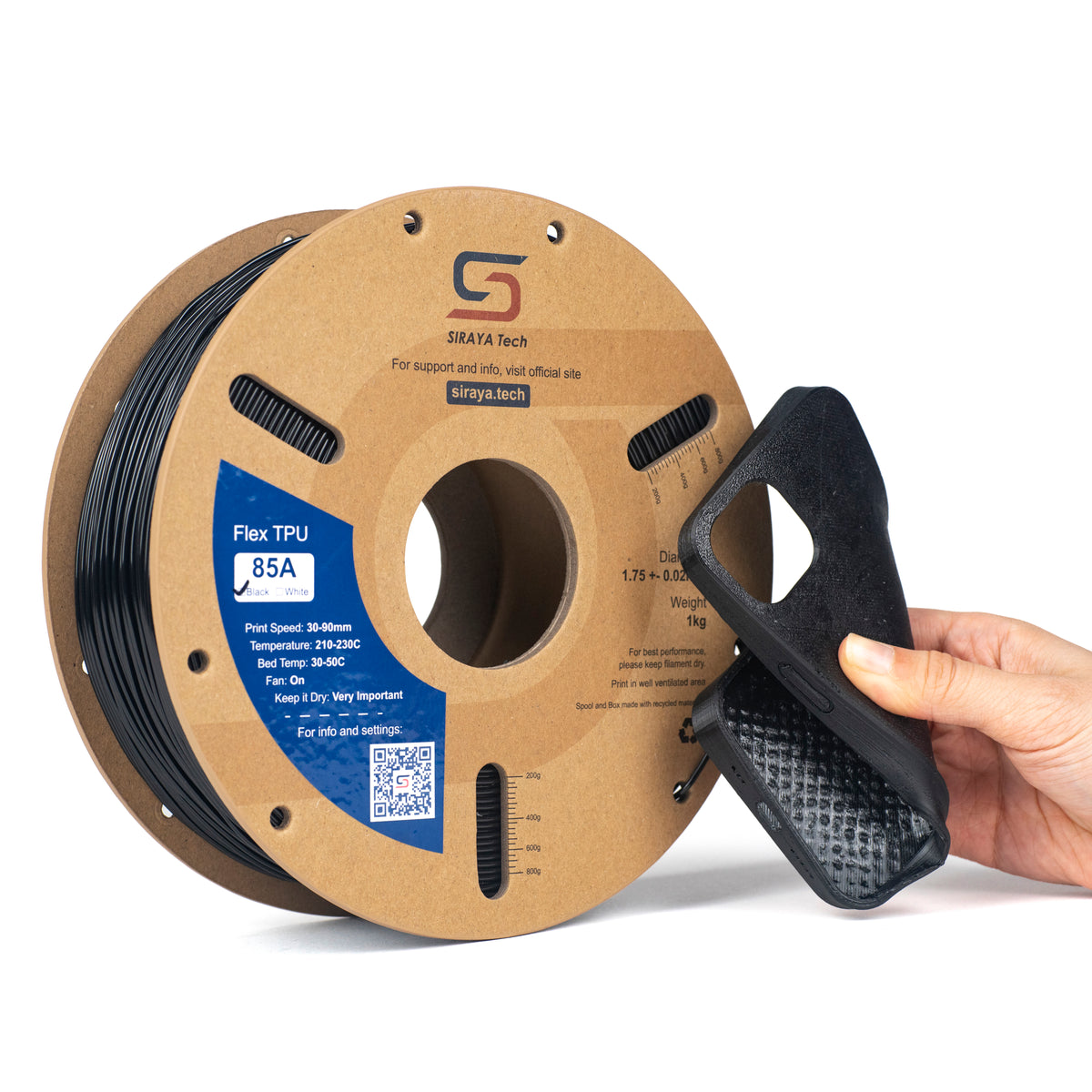
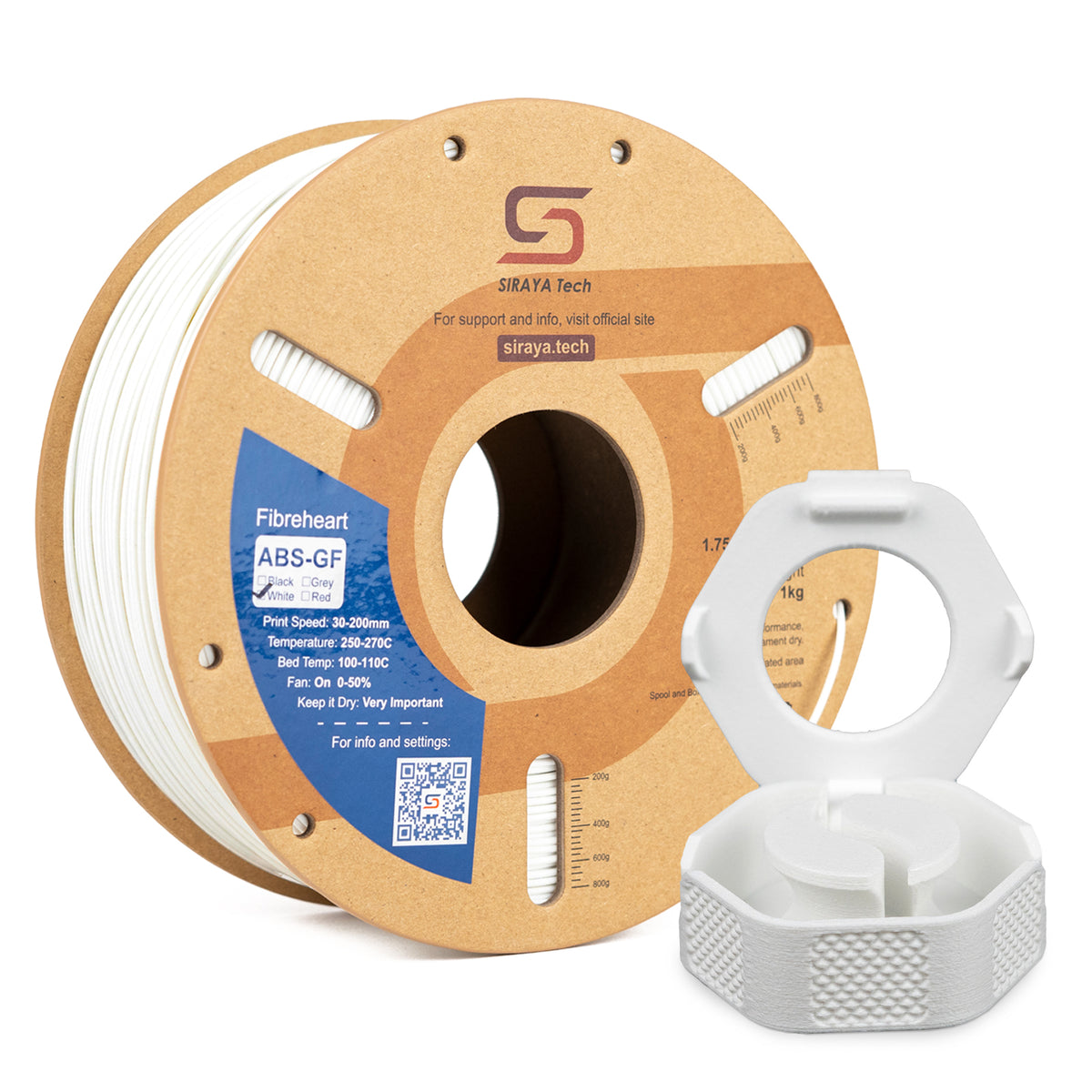

📌 Check out Types of 3D Printers: Which One Is Right For You? to see how different printer types compare and which ones fit miniature printing best.
Why Resin Is Often the Best 3D Printer Choice for Miniatures

Resin printing is preferred for miniatures because it produces clean, crisp results at small scales. This makes it especially popular for tabletop gaming figures and painted display models.
Surface Quality and Fine Details
Resin cures smoothly, which helps hide layer lines and small imperfections. This reduces preparation time and improves the final painted result.
Build Size for Miniatures
Miniatures do not need large build plates. Even compact printers can produce several figures in one print while maintaining high detail.
High-quality resin plays a major role in miniature success, especially when switching between different resin printers. Siraya resins are formulated to be reliable across many popular LCD resin printers, including models from Anycubic and Elegoo, while maintaining sharp detail and strong layer bonding. This consistency helps reduce failed prints and makes dialing in settings easier.
Siraya also offers specialized options like tenacious resin for added durability and castable resin for clean burnout, which are useful for miniature parts that need extra strength or post processing.
📌 Discover Fastest Resin 3D Printer: Speed, Quality, and What Really Matters to learn how speed and fine detail can work together for miniature printing.
Best 3D Printer for Miniatures in the Market
When looking at the best 3D printer for miniatures in the market, most top options share similar strengths. These printers focus on precision, stable printing, and consistent exposure rather than speed or oversized build areas.
Common traits of top performing miniature printers include:
- High resolution capable of capturing fine details
- Reliable performance across long print sessions
- Strong community support and frequent updates
Choosing a printer with these characteristics helps ensure dependable results for both beginners and experienced hobbyists.
Best 3D Printer for Miniatures for Beginners
Beginners benefit most from printers that are easy to understand and forgiving of mistakes. The best 3D printer for miniatures at this level emphasizes consistency over advanced customization.
Ease of Setup and Learning Curve
Simple setup reduces failed prints and wasted material. A smooth learning process keeps new users motivated.
Beginner friendly features include:
- Easy leveling or automated calibration
- Clear and intuitive slicing software
- Stable print performance
Materials That Help Beginners Succeed
Durable resin blends help reduce breakage when removing supports. Siraya offers tough and flexible resin options that balance strength with fine detail, making them suitable for miniature printing.
One advantage of choosing well formulated materials is broad compatibility across many popular 3D printer brands. Siraya filaments, resins, and silicone products are designed to work smoothly with a wide range of machines used by hobbyists and professionals.
Siraya materials are commonly used with:
- Bambu Lab printers such as P1S, X1C, P2S, H2D, H2S, H2C, A1, and A1 Mini
- Flashforge printers including AD5M and AD5X
- Prusa printers such as Core One and XL
- Creality printers like K1 Max and K2 Plus
- Snapmaker U1
- Resin printers from Anycubic and Elegoo
This wide compatibility makes Siraya a practical choice for users who may upgrade printers over time or work with multiple machines.
Siraya 3D Filaments and Resin You May Shop
Explore More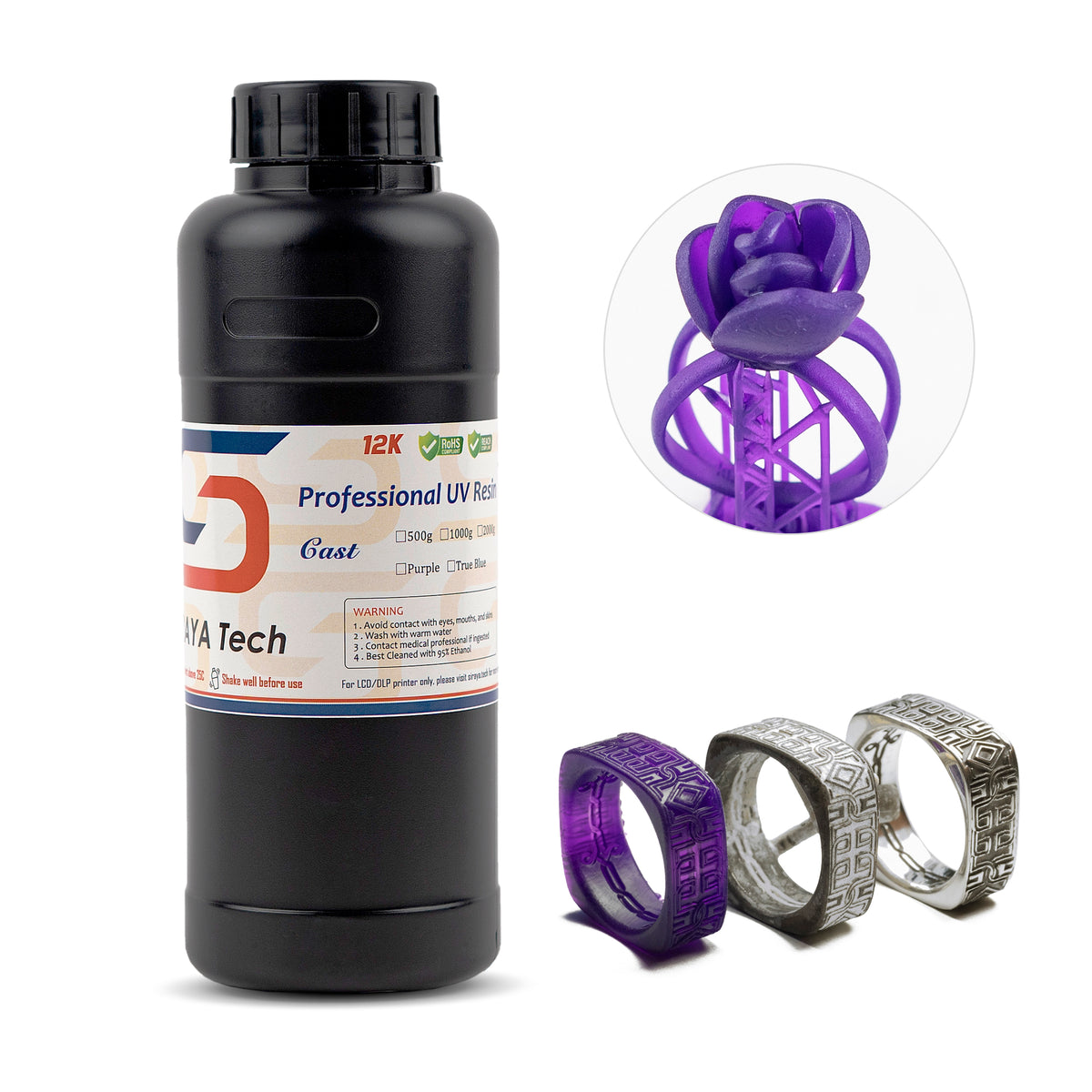
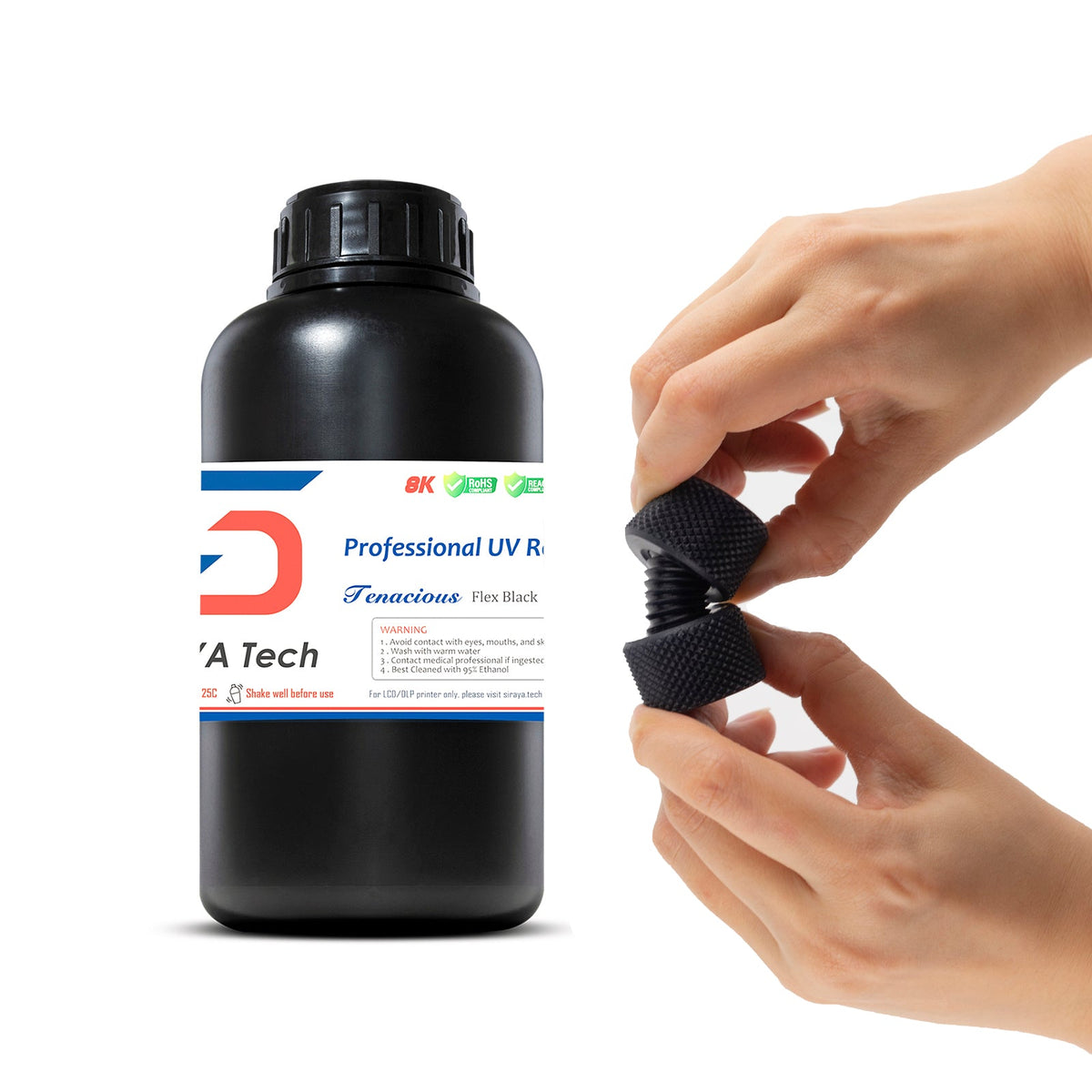
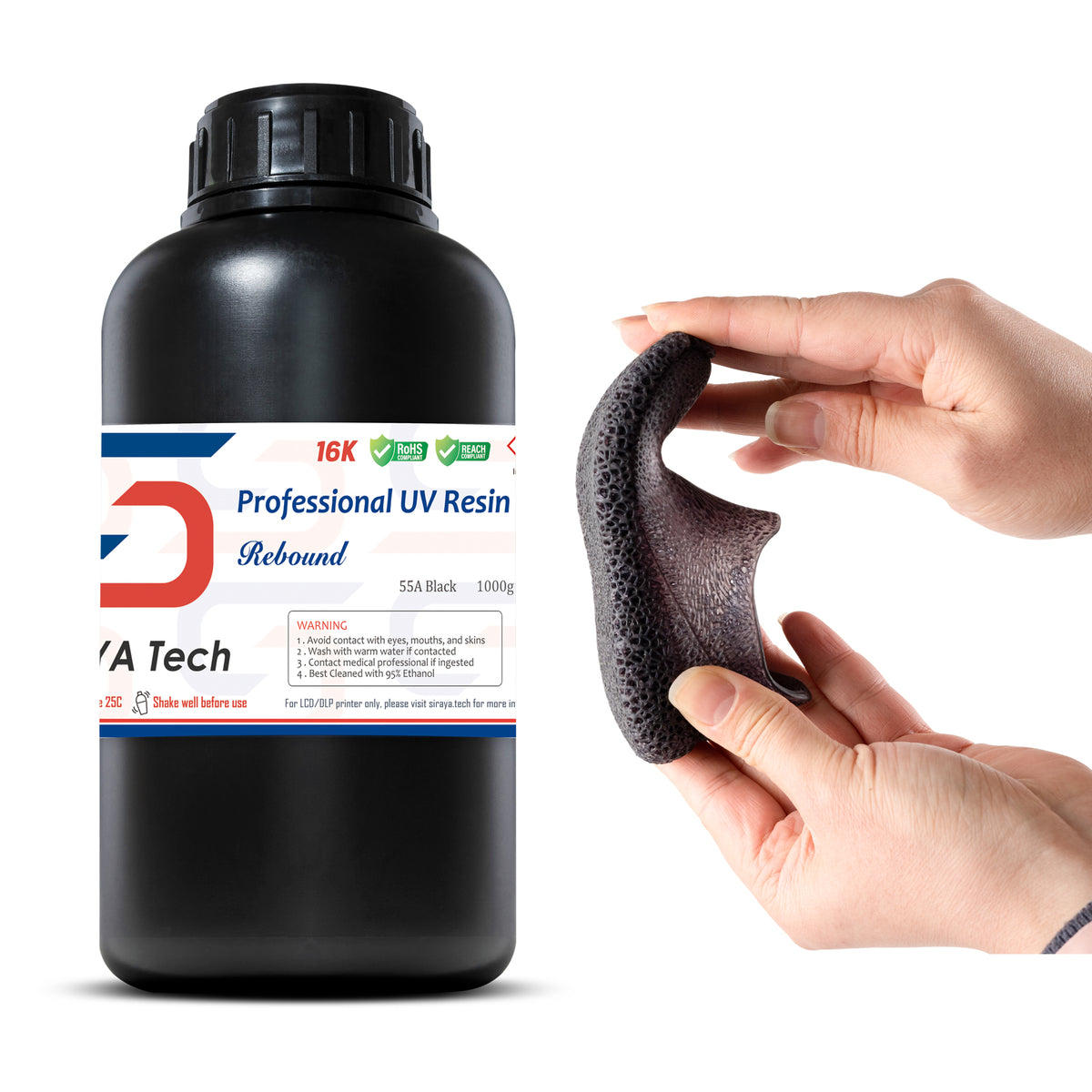
📌 Do not forget to browse Best Filament 3D Printer for Beginners (2026 Guide) for easy to understand advice on beginner friendly printers.
Print Settings That Improve Miniature Quality
Even the best 3D printer for miniatures depends on proper settings. Small adjustments can greatly improve the final appearance of printed models.
Layer Height and Exposure Settings
Thinner layers improve detail but increase print time. Adjusting exposure correctly helps preserve fine features.
Helpful tips include:
- Use thinner layers for faces and detailed armor
- Avoid overly fast print speeds
- Fine tune exposure for strong but clean supports
Using consistent, well tested materials helps ensure that recommended settings work across different machines. Siraya filaments and resins are known for predictable behavior, which makes them easier to tune on both filament 3D printer and resin printers from major brands.
📌 Browse Best 3D Filament For Smooth and Reliable Prints to learn how material choice affects print quality and consistency.
Supports and Orientation
Good supports protect delicate areas and reduce failures. Proper orientation also improves surface finish.
- Angle models to reduce flat contact points
- Use lighter supports on visible areas
- Test settings on smaller prints first
Cost of the Best 3D Printer for Miniatures

Understanding cost helps set realistic expectations. Both upfront and ongoing expenses should be considered.
Upfront and Ongoing Costs
The printer is only part of the investment. Materials and maintenance add to long term cost.
Common expenses include:
- Resin refills
- Replacement parts
- Cleaning and safety supplies
Long Term Value
Printing miniatures at home often becomes cost effective over time. The cost per model is usually much lower than buying pre-made figures.
Reliable materials help reduce wasted prints and save money over time. Siraya Best filament and resins are designed to print consistently on many mainstream 3D printers, which helps users spend less time troubleshooting and more time printing successful miniatures.
Common Mistakes When Choosing a 3D Printer for Miniatures
Many buyers focus on the wrong features when choosing a printer. Avoiding these mistakes improves results and reduces frustration.
Prioritizing Speed Over Detail
Fast printing does not improve miniature quality. Detail and surface finish matter far more for small models.
Using Low Quality Materials
Poor materials can cause brittle prints and lost detail. Using reliable resins improves consistency and final appearance. Siraya materials are often chosen for dependable results.
Best 3D Printer for Miniatures: Final Buying Advice
The best 3D printer for miniatures depends on your expectations and comfort level. Resin printers remain the top choice for detailed figures and display quality prints.
Focus on:
- Detail over speed
- Material quality over printer size
- Ease of use over unnecessary features
Conclusion
Choosing the best 3D printer for miniatures comes down to print quality, reliability, and material choice. Resin printers consistently deliver the finest detail for small figures, while good materials improve success rates and durability.
For more helpful guides and tips about miniature printing and other 3D printing topics, Siraya is a reliable resource. Siraya also offers high quality products such as 3D printing filaments, resins for 3D printing, tenacious resin, castable resin, and platinum silicone crafting materials to support your creative projects.
Another benefit of choosing Siraya is flexibility. Whether printing on filament 3D printer machines like Bambu Lab, Prusa, Creality, Flashforge, or Snapmaker, or resin printers from Anycubic and Elegoo, Siraya materials are built to perform across a wide range of hardware.
This makes them a strong option for hobbyists who want dependable results without being locked into a single printer ecosystem.
FAQs About the Best 3D Printer for Miniatures
What type of 3D printer is best for miniatures?
Resin printers are generally the best choice for miniatures because they produce smoother surfaces and sharper details. They work especially well for small tabletop figures. Filament printers are better suited for larger objects. The right choice depends on the level of detail you want.
Is PLA or ABS better for beginners?
PLA is usually easier for beginners because it prints at lower temperatures and is less likely to warp. ABS is stronger but requires more careful temperature control. For miniatures, PLA is easier to use, though resin printing provides better detail. Beginners often start with simpler materials.
Can I legally sell 3D printed miniatures?
Whether you can sell 3D printed miniatures depends on the license of the model file. Some designs allow commercial use, while others are personal use only. Always check the license before selling. Following licensing rules helps avoid legal issues.
Is anything illegal to 3D print?
Some items are illegal to 3D print depending on local laws. This can include restricted objects or copyrighted designs. Laws vary by region. Always understand local regulations before printing or selling items.