
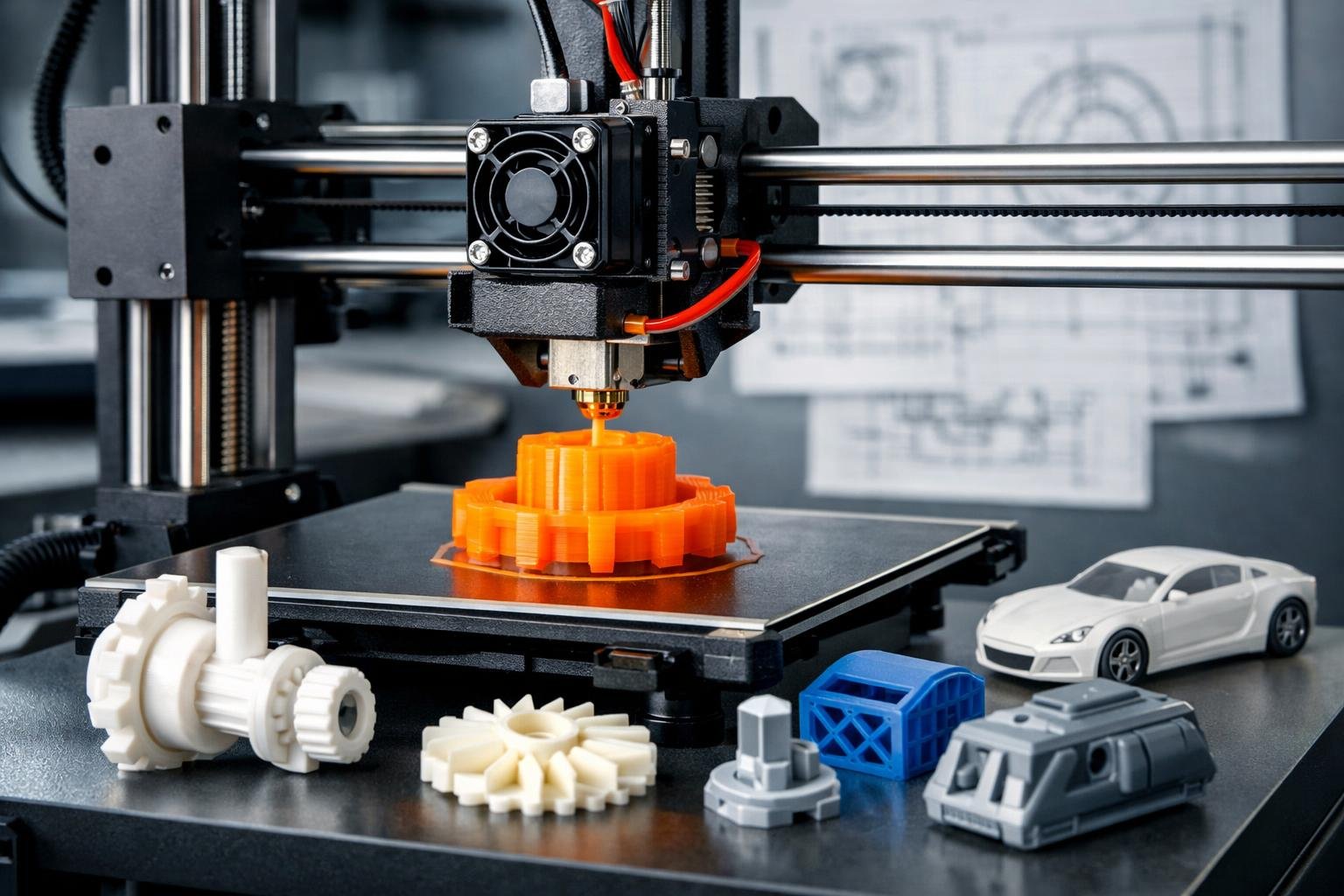
Turning an idea into a physical product used to take months of machining, tooling, and expensive trial runs.
Today, 3D printing for prototyping allows designers and engineers to create, test, and improve products in a fraction of the time. From simple concept models to fully functional test parts, this technology has changed how products are developed.
Businesses of all sizes use 3D printing to reduce risk, lower costs, and speed up innovation. Whether you are building a new consumer product, testing a machine component, or refining a design, understanding how 3D printing fits into prototyping can help you make smarter decisions.
Keep reading to explore the process, materials, costs, and best practices that make 3D printing such a powerful tool.
Key Takeaways
- 3D printing for prototyping speeds up product development
- It reduces upfront costs compared to traditional manufacturing
- FDM, SLA, and SLS are the most common prototyping technologies
- Material choice directly affects strength, detail, and durability
- Costs depend on size, material, and print time
- Prototypes can transition into low volume production before mass manufacturing
What Is 3D Printing for Prototyping?

3D printing for prototyping refers to creating early versions of a product using additive manufacturing. Instead of cutting away material like CNC machining, a 3D printer builds objects layer by layer from a digital file. This approach allows quick adjustments without expensive tooling.
A prototype is a test model that helps evaluate form, fit, and function before mass production. It gives teams a chance to identify design flaws, improve performance, and gather feedback. Because 3D printing does not require molds, it is especially useful in early product development stages where changes are frequent.
The Three Types of Prototypes
- Concept prototypes — basic models that show the size and shape of a product, often used for presentations and early feedback
- Visual prototypes — detailed models that closely resemble the final product in appearance; SLA resin printing is often used here for smooth finishes
- Functional prototypes — working models designed to test strength, motion, and performance under real conditions; reinforced filaments such as carbon fiber blends can improve durability during testing
Siraya 3D Filaments and Resin You May Shop
Explore More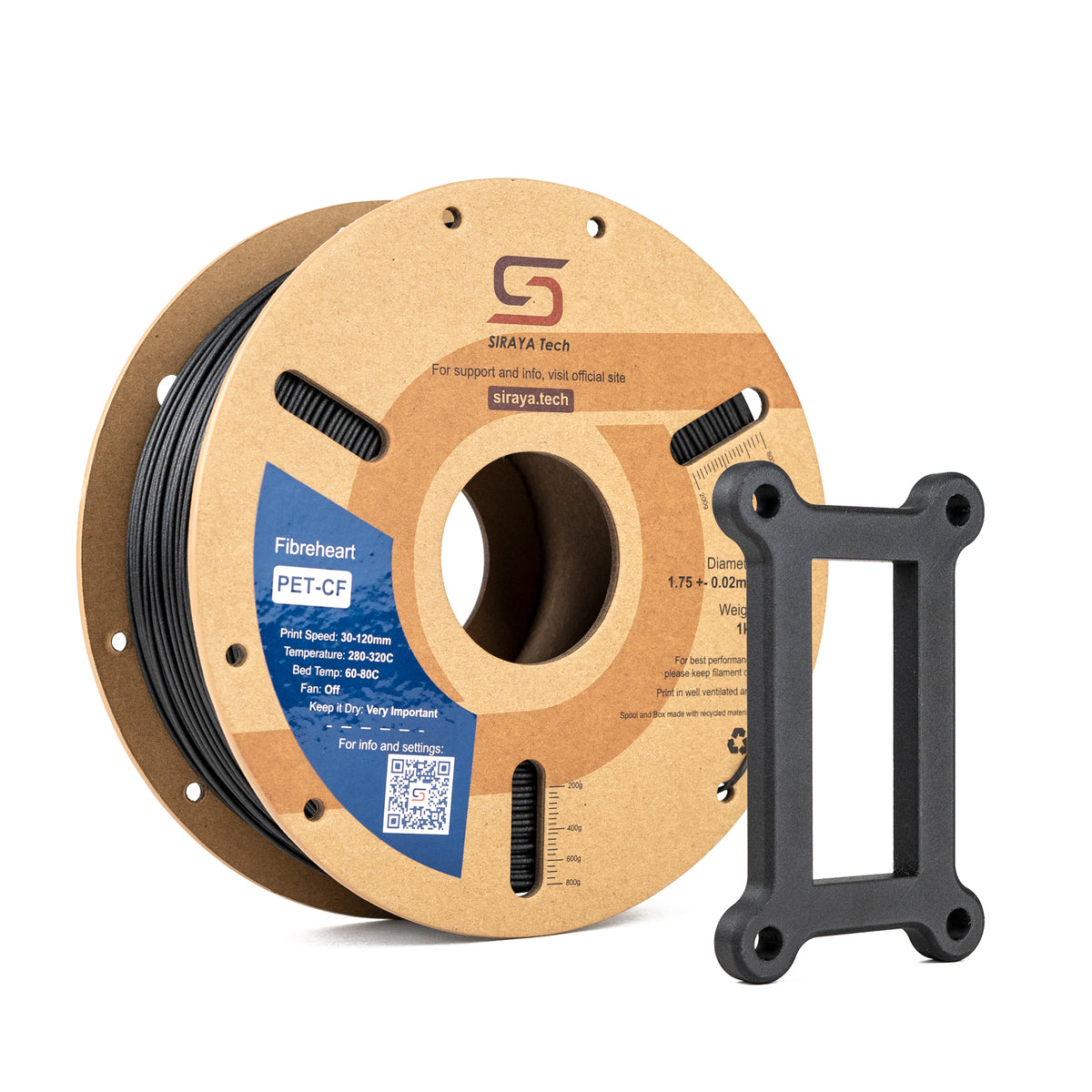

How 3D Printing for Prototyping Works
The process of 3D printing for prototyping starts with an idea and ends with a physical object ready for testing. Each stage plays a key role in ensuring accuracy and performance.
Step 1: Create a 3D CAD Model
Designers use CAD software to build a digital model with precise measurements. This file defines every curve, hole, and surface of the prototype.
Step 2: Slice the Model
The CAD file is converted into an STL file and processed in slicing software. The slicer divides the model into layers and sets parameters such as layer height, infill density, and support structures.
Step 3: Select the Right Material
Material choice depends on what you want to test:
- PLA for quick and affordable concept models
- ABS for impact resistance
- PETG for strength and flexibility
- Nylon for mechanical performance
- Resin for high detail parts
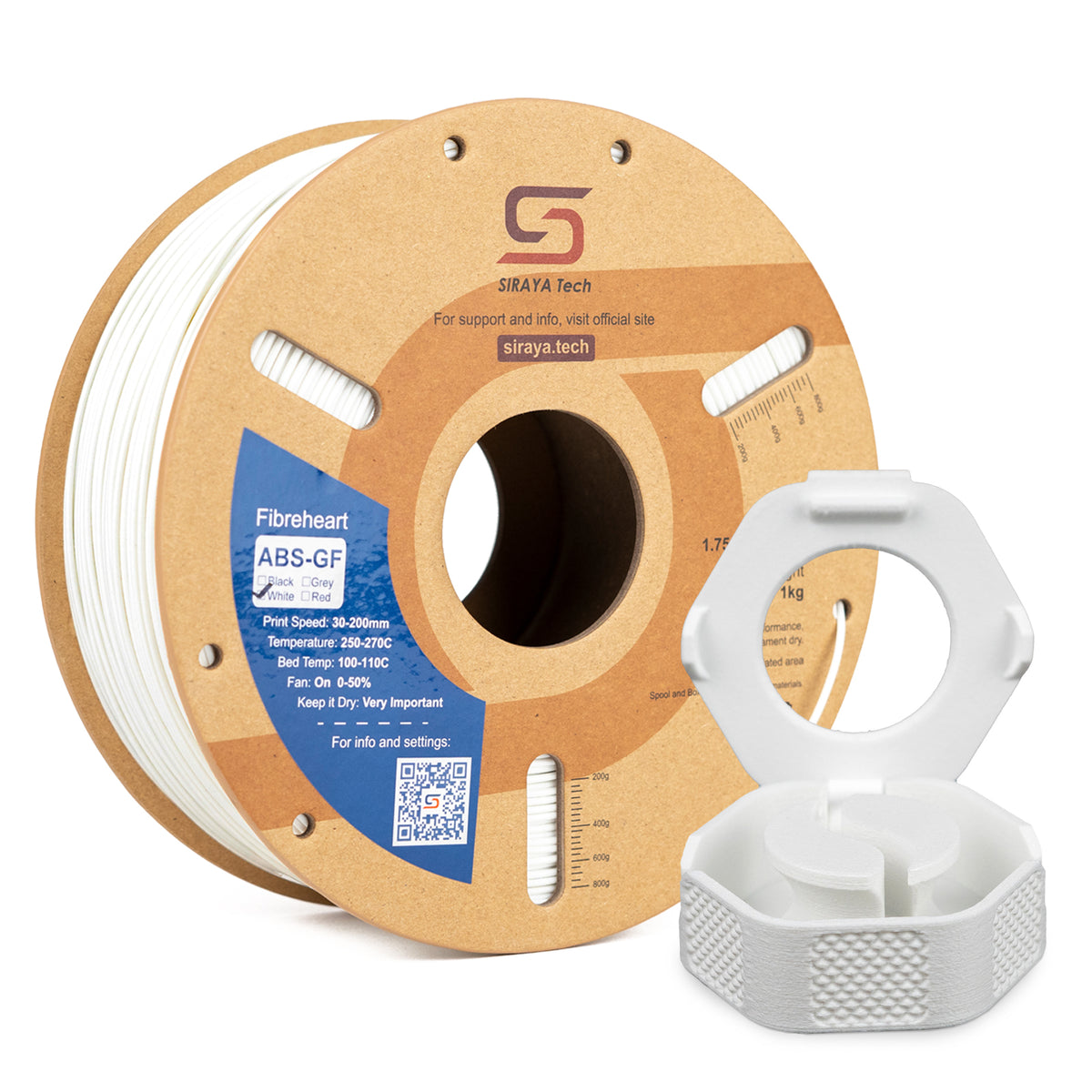
Siraya offers a wide range of high-quality 3D printing filaments and resins suited for prototyping. For example, PETG-CF provides added stiffness and a matte finish compared to standard PETG. ABS-GF and ABS-CF options improve strength for demanding applications. For resin printing, Siraya's tough and tenacious resin options help create durable prototypes that can withstand repeated handling.
Step 4: Print the Prototype
The 3D printer builds the part layer by layer. Print time depends on size, detail, and material. Small parts may take a few hours, while larger functional prototypes can take much longer.
Step 5: Post Processing and Testing
After printing, supports are removed and surfaces may be sanded or cured. Resin prints often require additional UV curing for full strength. The prototype is then tested and refined in future iterations.
Why 3D Printing for Prototyping Is So Effective
3D printing for prototyping is popular because it removes many barriers found in traditional manufacturing. There is no need for expensive molds or specialized tooling during early development.
Key advantages include:
- Faster design cycles
- Lower upfront investment
- Quick design changes
- Reduced material waste
- Customization without additional cost
Because digital files can be updated instantly, teams can test multiple design variations quickly. This rapid iteration improves product quality before production begins. It also allows startups and small businesses to compete without large manufacturing budgets.
3D Printing Technologies Used for Prototyping

Different 3D printing technologies support different prototyping goals. Understanding these methods helps you choose the right one for your project.
FDM for Cost Effective Prototypes
FDM is widely used because it is affordable and accessible. It works well for concept and functional prototypes. Filaments such as PLA, PETG-CF, ABS-CF, and ASA-GF provide a range of mechanical properties. Siraya offers reinforced filament options that enhance strength and stability for testing environments.
SLA for High Detail and Smooth Finish
SLA uses liquid resin cured by light to create highly detailed parts. It is ideal for visual prototypes or small precision components. Siraya's resin lineup includes durable, flexible, and castable options that support different prototyping needs.
SLS for Advanced Functional Testing
SLS uses powdered materials fused by a laser. It creates strong parts without support structures and is commonly used in professional environments. It is especially useful when testing complex mechanical assemblies.
Due to equipment cost and material handling requirements, SLS is typically used in industrial and commercial environments rather than home settings.
Siraya 3D Filaments and Resin You May Shop
Explore More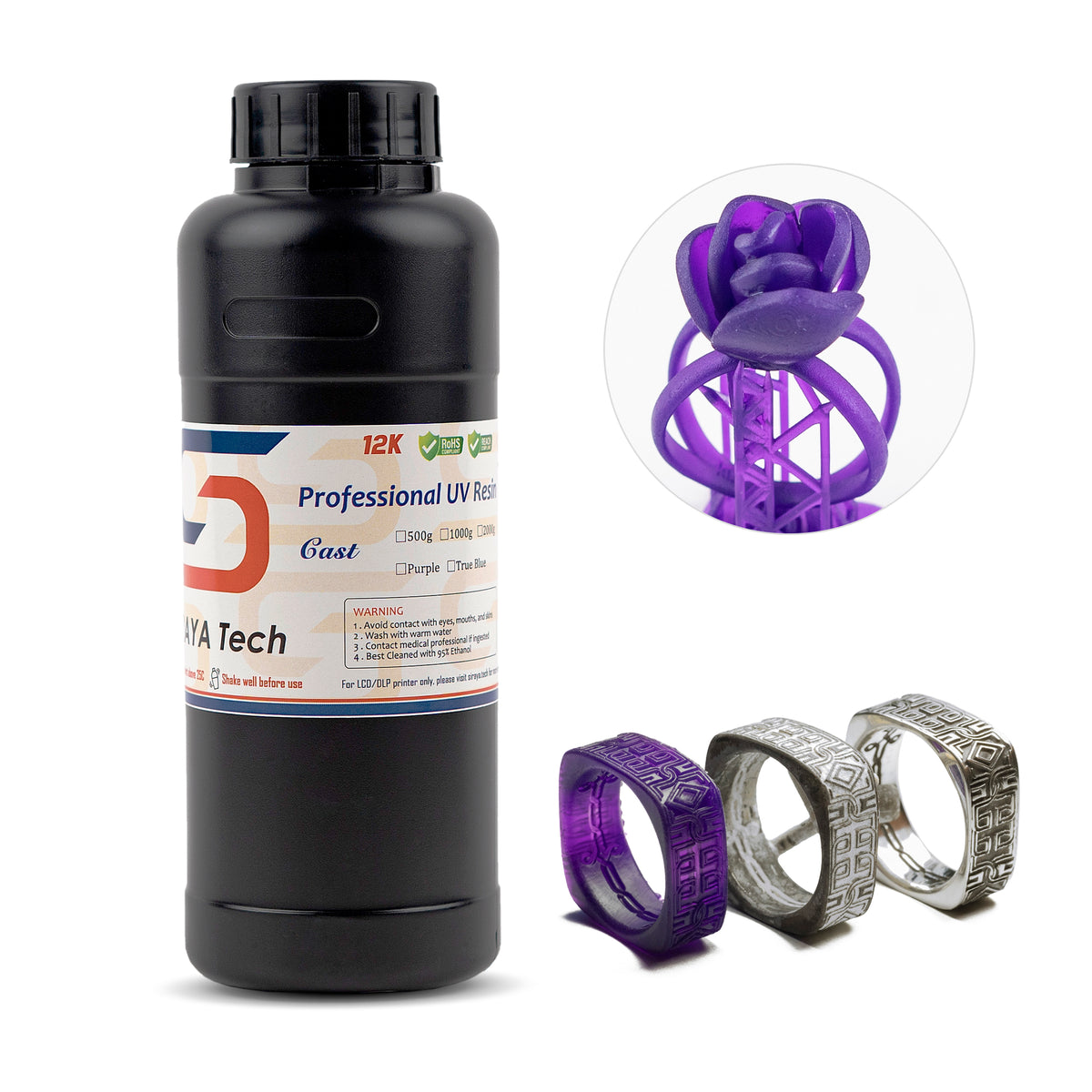
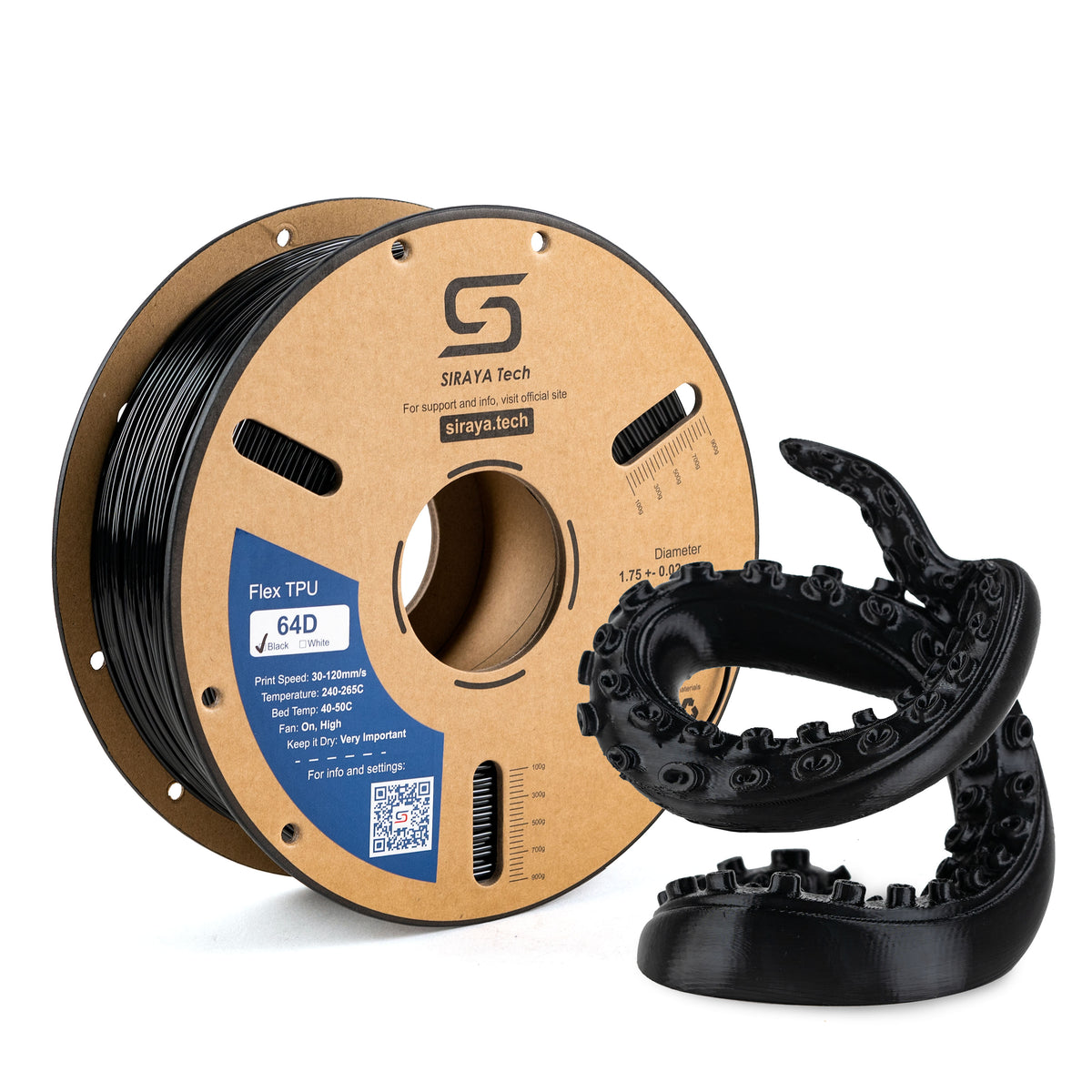

Materials for 3D Printing for Prototyping
Material selection determines how your prototype performs under stress, heat, or repeated use. Choosing the right material ensures reliable testing results and more accurate product validation.
Popular Filament Materials
- PLA — easy to print and ideal for early stage models
- ABS and ABS Reinforced Variants — better heat resistance and impact strength; glass fiber and carbon fiber reinforced versions improve rigidity
- PETG and PETG-CF — balanced durability and flexibility; carbon fiber versions provide added stiffness and reduced warping
- ASA and ASA-GF — suitable for outdoor exposure and weather resistance
Siraya provides advanced filament options that support both basic and reinforced applications, making them suitable for concept and functional prototypes alike.
Resin Materials for Detailed Prototypes
Resin materials are chosen for detail and smooth surfaces. Tough resin improves impact resistance. Tenacious resin can be blended to increase flexibility and strength. Castable resin is often used when creating molds or investment casting patterns.
Platinum Silicone for Flexible Components
Platinum silicone is useful for soft prototypes, molds, or flexible product components. Siraya offers platinum silicone options that work well alongside 3D printed master models for mold making and casting projects.
Applications of 3D Printing for Prototyping
3D printing for prototyping supports a wide range of industries. Its flexibility and speed make it valuable in both simple and highly technical applications.
Common uses include:
- Consumer electronics housing development
- Automotive bracket and component testing
- Aerospace lightweight part validation
- Medical device casing prototypes
- Robotics assemblies
- Architectural presentation models
Because prototypes can be produced quickly, teams can validate ergonomics, structural integrity, and performance before committing to full production.
Limitations of 3D Printing for Prototyping
Although 3D printing is powerful, it has practical limits. Knowing these limits helps set realistic expectations during development and testing.
Common limitations include:
- Visible layer lines on FDM prints
- Differences between printed materials and final production materials
- Size restrictions based on printer build volume
- Potential need for finishing work
- Dimensional accuracy depends on printer calibration, material shrinkage, and post processing conditions
In high volume manufacturing, traditional processes may offer lower cost per unit. However, for early development and small batches, 3D printing remains highly efficient and flexible.
Moving from 3D Printed Prototype to Production
After testing and validation, the design can move toward manufacturing. The prototype provides valuable feedback that reduces production risk and improves final quality.
Typical next steps include:
- Refining the design for manufacturability
- Selecting final production materials
- Creating tooling or molds
- Producing small pilot batches
Some companies continue using 3D printing for limited production runs. Others transition to injection molding once demand increases and the design is finalized.
Conclusion
3D printing for prototyping has transformed product development by making it faster, more flexible, and more affordable. It allows teams to test ideas quickly, improve designs through iteration, and reduce financial risk before mass production. From concept models to functional testing parts, it plays a central role in modern innovation.
Choosing reliable materials is just as important as choosing the right printer. Siraya offers high quality 3D printing filaments, advanced resins including Tenacious and castable resin, and platinum silicone for crafting superior products for your projects.
For more helpful guides and practical tips about 3D printing for prototyping and other 3D printing topics, explore more resources from Siraya and continue building better products with confidence.
Frequently Asked Questions About 3D Printing for Prototyping
Can you legally sell 3D printed prototypes?
Yes, you can sell 3D printed prototypes if the design is original or properly licensed. Selling patented or copyrighted designs without permission can lead to legal consequences. It is important to understand intellectual property rights before offering products for sale.
What is illegal to print on a 3D printer?
Items that violate local, state, or national laws are illegal to print. This may include restricted weapon components or counterfeit goods. Laws vary by region, so always review regulations before printing sensitive items.
What are you not allowed to 3D print?
You are not allowed to print objects that infringe on patents, copyrights, or trademarks. Certain regulated or dangerous items may also be prohibited. Checking legal guidelines ensures compliance and safety.
How long does it take to 3D print a prototype?
Print time depends on size, layer height, and complexity. Small prototypes may take one to three hours, while large parts can take a full day or longer. Adjusting print settings can shorten or extend production time.